What is Discrete Manufacturing?
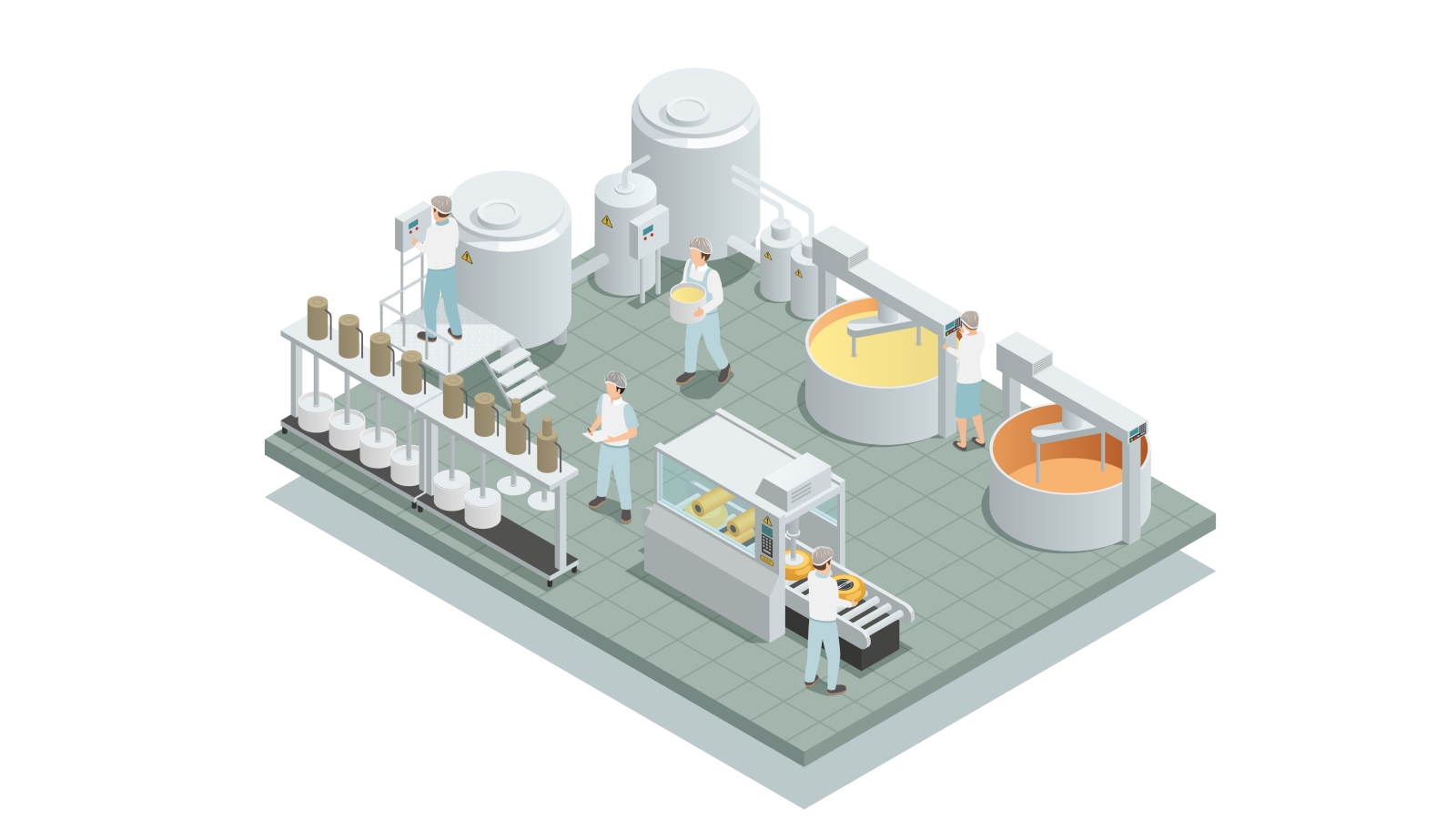
Discrete manufacturing is a process of producing distinct items such as cars, appliances, and smartphones. Each unit can be individually counted and is easily identifiable. This method involves assembling products through a series of steps along an assembly line, allowing for customization and scalability. It contrasts with process manufacturing, where products like oil or food are produced in batches or continuous streams. Discrete manufacturing requires meticulous inventory management, quality control, and often utilizes ERP software to streamline operations, manage resources, and adapt to changes in production demand or design with relative ease.
Discrete Manufacturing vs. Process Manufacturing
| Aspect | Discrete Manufacturing | Process Manufacturing |
|---|---|---|
| Definition | Production of distinct items like cars, electronics, and furniture. | Production of products in bulk or batches, such as food, chemicals, and gasoline. |
| Products | Individual, countable units that can be touched and seen. | Products are measured in quantities such as weight, volume, or degree of completion. |
| Planning and Specification | Bill of Materials (BOM) | Recipe (Formula) |
| Production Process | Assembly line production where items are made step by step. | Continuous flow or batch processing where the product formula is essential. |
| Customization | Easier to customize individual units. | Customization is limited; changes affect the whole batch or production run. |
| Inventory Management | Components and final products are tracked separately. | Raw materials, intermediates, and end-products are tracked in bulk. |
| Quality Control | Each unit can be inspected individually. | Quality is controlled by testing samples and monitoring the process conditions. |
| Flexibility | Flexible in changing product types and production volumes. | Less flexible, as changes can require significant time and cost. |
| Production Planning | Based on discrete orders and can be adjusted per demand fluctuations. | Based on formulas and recipes, often requiring consistent production rates. |
| Capital Intensity | Often less capital-intensive due to modular setup of equipment. | Typically more capital-intensive due to specialized equipment for mixing, heating, etc. |
| Lead Time | Can be longer due to complexity of assembly and customization options. | Often shorter as products can be produced continuously or in large batches. |
| Software Used | ERP systems for managing operations, inventory, and customer relationships. | Process management software focusing on formulas, batch tickets, and quality control. |
Industries that Use Discrete Manufacturing
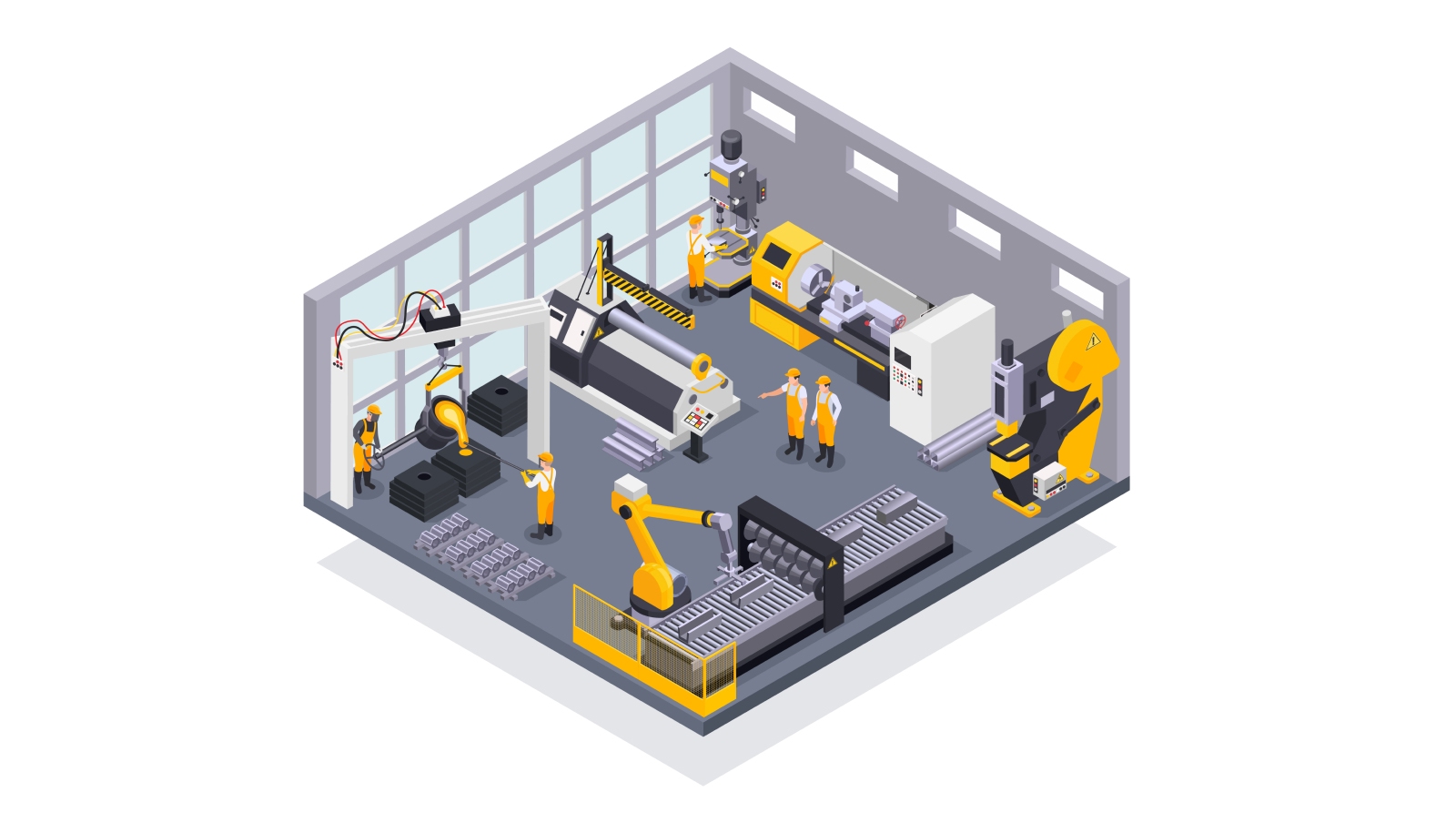
Discrete manufacturing is a production method characterized by the fabrication of distinct items that are easily countable and can be broken down into their constituent parts. This form of manufacturing is contrasted with process manufacturing, where the output is a product that cannot be disassembled, typically produced in batches through chemical, biological, or physical processes. Discrete manufacturing industries are diverse, each with its own set of challenges, processes, and customer demands. They range from small-scale operations producing specialized products to large-scale assembly lines churning out high volumes of consumer goods.
The hallmark of discrete manufacturing is the ability to trace each product back to its batch or even individual components, a crucial factor for quality control, recall capabilities, and customization. This sector is driven by a combination of skilled labor, automation, and advanced technologies such as robotics and computer-aided design (CAD) systems. Industries within this sector share a common need for precision, efficiency, and adaptability to meet the ever-changing demands of the marketplace.
From electronics that power our daily lives to vehicles that keep the world moving, from the toys that entertain and educate to the furniture that adorns homes and offices, discrete manufacturing touches nearly every aspect of modern life. Each industry within this sector contributes to the global economy, harnesses innovation, and provides employment to millions worldwide. The following outlines some key industries that exemplify the breadth and depth of discrete manufacturing.
Consumer Electronics
Overview: The consumer electronics industry is a prime example of discrete manufacturing. Companies within this space, such as Apple, Samsung, and Sony, produce items like smartphones, laptops, televisions, and wearable devices. Each product is composed of numerous individual components that are assembled in a precise sequence.
Production Process: The manufacturing process often involves sophisticated assembly lines equipped with advanced robotics and skilled technicians. Components like microchips, displays, and batteries are sourced from various suppliers and come together in facilities where meticulous assembly takes place.
Automotive Industry
Overview: Automobile manufacturers like General Motors, Toyota, and BMW exemplify discrete manufacturing on a grand scale. Vehicles are complex products that consist of thousands of parts, from engines to upholstery.
Production Process: The automotive assembly line is the epitome of discrete manufacturing, where each vehicle is constructed through a series of stations. The process is highly coordinated, with a focus on just-in-time delivery of parts to minimize inventory and maximize efficiency.
Aerospace and Defense
Overview: Aerospace giants such as Boeing and Lockheed Martin operate in an industry where precision and reliability are paramount. The production of aircraft, satellites, and defense systems involves discrete manufacturing of a highly specialized nature.
Production Process: These products are assembled from a multitude of parts, often requiring the integration of advanced electronics, hydraulics, and composite materials. Due to the critical nature of these products, the manufacturing process is heavily regulated and monitored for quality assurance.
Machinery and Heavy Equipment
Overview: Companies like Caterpillar and John Deere are key players in the machinery and heavy equipment sector. They produce construction machinery, agricultural equipment, and engines through discrete manufacturing processes.
Production Process: The assembly of these machines involves putting together large, heavy parts such as frames, engines, and hydraulic systems. The process is characterized by a combination of automated processes and skilled labor.
Toy Industry
Overview: The toy industry, with companies like LEGO and Hasbro, also relies on discrete manufacturing to produce a wide array of products from action figures to complex building sets.
Production Process: Despite the playful nature of the end product, the manufacturing process is serious business, involving precise moldings, paint applications, and assembly to ensure safety and durability.
Furniture Manufacturing
Overview: Furniture manufacturers such as IKEA and Ashley Furniture utilize discrete manufacturing to produce items ranging from chairs to beds to cabinets. Each piece of furniture is the result of assembling various components made from wood, metal, or plastic.
Production Process: The process may involve cutting and shaping materials, followed by assembly and finishing touches like painting or upholstery. The use of computer-aided design (CAD) and computer-aided manufacturing (CAM) systems is common to ensure precision in production.
Medical Devices
Overview: The medical device industry includes companies like Medtronic and Johnson & Johnson. They manufacture discrete products such as pacemakers, stents, and surgical instruments.
Production Process: Manufacturing in this field requires stringent quality control and adherence to strict regulatory standards. The assembly process often takes place in cleanroom environments to prevent contamination.
Electrical Equipment
Overview: Electrical equipment manufacturers produce items like circuit breakers, transformers, and industrial controls. Companies like Siemens and Schneider Electric are known for their discrete manufacturing processes in this sector.
Production Process: The production involves assembling various electrical components, often requiring precision engineering and testing to ensure functionality and safety.
Each of these industries showcases the diversity within discrete manufacturing, emphasizing the importance of precision assembly processes tailored to the specific needs of each product type.
Industries that Use Process Manufacturing
Process manufacturing stands as a cornerstone in the industrial landscape, pivotal to transforming raw materials into a vast array of products that are part of our everyday lives. This branch of manufacturing is distinct from discrete manufacturing, which focuses on the assembly of distinct items. In process manufacturing, raw materials undergo chemical, biological, or physical changes to become new products. These changes are often irreversible, meaning once produced, these products cannot be disassembled into their original materials.
The realm of process manufacturing is diverse, encompassing industries that produce goods ranging from food and beverages to pharmaceuticals and chemicals. Each sector has its unique set of challenges and regulatory requirements, often necessitating specialized equipment and technology to ensure that production is both efficient and compliant with quality standards.
Chemical Industry
In the chemical industry, raw materials such as natural gas, oil, minerals, and water are transformed through chemical processes into substances that serve as the building blocks for countless other products. This industry produces a vast array of outputs including plastics, synthetic fibers, paints, solvents, and adhesives.
Pharmaceutical Industry
The pharmaceutical industry is another prime example of process manufacturing. Here, active ingredients are combined with excipients to create medications in various forms such as tablets, capsules, liquids, and creams. Stringent regulatory oversight governs this industry to ensure the safety and efficacy of medications.
Food and Beverage Industry
The food and beverage sector relies heavily on process manufacturing to convert raw agricultural products into edible goods. This can include anything from baking bread to brewing beer or distilling spirits. The complexity of this industry lies in its need to maintain product consistency while also adhering to food safety standards.
Petrochemical Industry
Process manufacturing in the petrochemical industry involves refining crude oil and gas into usable products like fuel, lubricants, and various petrochemical derivatives that form the basis for plastics and other synthetic materials. The processes here are highly complex and energy-intensive.
Metals and Mining
Metals and mining also fall under the umbrella of process manufacturing. Ore extracted from the earth is processed through various means to extract metals like iron, copper, and aluminum. These metals are then used to manufacture a myriad of products used in construction, transportation, and technology.
Pulp and Paper Industry
The pulp and paper industry processes wood and recycled paper as primary raw materials into paper products. The process involves chemical and mechanical treatments to break down the materials into pulp before it is formed into sheets of paper.
Personal Care and Cosmetics
Personal care and cosmetics production is another area where process manufacturing is crucial. Here, various ingredients are blended to create lotions, makeup, soaps, and shampoos. The challenge in this industry is to create products that are not only effective but also safe for consumer use.
Paints and Coatings
The production of paints and coatings involves mixing pigments, binders, solvents, and additives in specific formulations to create products that provide protective or decorative films on surfaces.
Each of these industries has its own specific requirements when it comes to process manufacturing. The common thread is their reliance on mixing substances in precise proportions under controlled conditions to ensure the desired outcome. As such, process manufacturers must have a deep understanding of their materials' properties and the reactions they undergo during production.
Moreover, industries that rely on process manufacturing often have to deal with by-products and waste management, making environmental compliance a significant aspect of their operations. They also tend to be more energy-intensive, prompting a continuous search for efficiency improvements to remain sustainable and competitive.
In conclusion, process manufacturing industries are integral to the global economy. They transform raw materials into the products we depend on daily through complex chemical or physical transformations. The efficiency, safety, and environmental impact of these industries are paramount concerns that drive innovation and regulatory oversight in this critical sector of manufacturing.
Discrete manufacturing and ERP systems
Discrete manufacturing is a pivotal sector in the global economy, characterized by the production of distinct items that can be easily counted, touched, and seen. These items are often complex, assembled from numerous individual parts and components, and include everything from consumer electronics to automobiles, machinery, and more. The discrete manufacturing process is intricate, requiring precise coordination across various stages of production, inventory management, supply chain operations, and quality control. To manage these complexities, discrete manufacturers increasingly rely on Enterprise Resource Planning (ERP) systems.
ERP systems are sophisticated software platforms that integrate all facets of an operation, including product planning, material sourcing, production scheduling, inventory management, and customer relationship management. For discrete manufacturers, ERP systems are particularly beneficial as they provide a comprehensive suite of tools to streamline operations and enhance efficiency. By centralizing data and processes into a single system, manufacturers can gain real-time visibility into their operations, enabling them to make informed decisions quickly.
One of the primary advantages of ERP systems in discrete manufacturing is their ability to improve supply chain management. With components often sourced from different suppliers around the world, manufacturers need to be able to track and manage their parts inventory accurately. ERP systems provide detailed insights into inventory levels, supplier performance, and procurement cycles, helping manufacturers avoid shortages or excess stock that can tie up capital.
Another critical aspect of ERP systems is their role in production planning and scheduling. Discrete manufacturing often involves complex assembly lines where precise timing and sequencing of operations are crucial. ERP systems help planners optimize production schedules, ensuring that resources are used efficiently and products are produced on time. This can lead to reduced lead times, increased throughput, and higher customer satisfaction.
Quality control is another area where ERP systems offer significant benefits. In discrete manufacturing, the quality of each component and final product is paramount. ERP systems can track quality metrics across the production process, identify issues before they become problems, and ensure compliance with industry standards and regulations.
Furthermore, as discrete manufacturing becomes more customer-centric, ERP systems provide tools for better customer relationship management. They can help manufacturers respond more quickly to customer inquiries, track orders through the production process, and manage after-sales service and support. This leads to stronger customer relationships and potential for repeat business.
The integration of advanced technologies such as the Internet of Things (IoT), Artificial Intelligence (AI), and Machine Learning (ML) with ERP systems is propelling discrete manufacturing into the future. IoT devices can feed real-time data from the production floor into the ERP system, allowing for even more accurate tracking and forecasting. AI and ML algorithms can analyze this data to identify patterns and predict outcomes, further optimizing manufacturing processes.
In conclusion, discrete manufacturing is a sector that demands precision, efficiency, and adaptability. ERP systems are at the forefront of meeting these demands by providing an integrated platform that supports all aspects of the manufacturing process. As technology continues to evolve, the synergy between discrete manufacturing and ERP systems will undoubtedly deepen, driving innovation and excellence in this vital industry sector.
Navigating the World of Discrete Manufacturing: A Guide to Finding the Right Manufacturers on the GlobalSources.com B2B Platform
Navigating the world of discrete manufacturing can be a complex endeavor, especially when it comes to finding the right manufacturers to bring your product ideas to life. Discrete manufacturing involves the creation of distinct items that are easily countable and can be broken down into their constituent parts. This includes a wide array of products, from electronics to automotive components, each requiring a specific set of skills, materials, and technologies to produce.
In the age of globalization, the task of finding a reliable manufacturing partner has expanded beyond local boundaries to a worldwide search. This is where platforms like GlobalSources.com come into play. As a leading Business-to-Business (B2B) platform, GlobalSources.com connects buyers with trusted suppliers and manufacturers from across the globe, providing a vital link in the chain of discrete manufacturing.
Understanding the GlobalSources.com B2B Platform
GlobalSources.com is a comprehensive B2B platform that specializes in connecting international buyers with manufacturers, mainly from Asia. It offers a wide range of products and suppliers in various categories, including electronics, hardware, fashion accessories, and more. For businesses looking to source discrete manufactured products, the platform serves as an invaluable resource for finding potential manufacturing partners.
The Importance of Finding the Right Manufacturer
The success of any product in the market is heavily dependent on the quality of its manufacturing. In discrete manufacturing, where products are often complex and made up of many different parts, the importance of precision and quality cannot be overstated. A reliable manufacturer ensures not only the quality but also the timely delivery and cost-effectiveness of the product.
How to Navigate GlobalSources.com
Navigating GlobalSources.com requires a strategic approach to find the right manufacturer for your needs. Here are some steps to guide you through the process:
Define Your Requirements
Before you begin your search, it's crucial to have a clear understanding of your product requirements. This includes materials, specifications, quality standards, and production capacity. Having a detailed request for quotation (RFQ) can help you communicate your needs more effectively to potential suppliers.
Use Advanced Search and Filters
GlobalSources.com offers advanced search options that allow you to narrow down potential manufacturers based on criteria such as location, certifications, product category, and business type. Utilize these filters to find suppliers that match your specific needs.
Evaluate Supplier Profiles
Each supplier on GlobalSources.com has a comprehensive profile that provides valuable information about their business. This includes company details, product range, production capabilities, and quality control measures. Review these profiles thoroughly to assess whether they align with your production goals.
Check Certifications and Compliance
For discrete manufacturing, it's essential to ensure that manufacturers comply with international quality standards and regulations. Look for certifications such as ISO, CE, or RoHS on supplier profiles as indicators of their commitment to quality.
Communicate Directly with Suppliers
Once you have shortlisted potential manufacturers, use the platform's messaging system to initiate direct communication. This allows you to ask detailed questions, clarify requirements, and gauge their responsiveness and customer service quality.
Request Samples
Before committing to a large order, request samples of the manufacturer's work. This will give you a tangible sense of their output quality and whether it meets your standards.
Read Reviews and Feedback
GlobalSources.com allows buyers to leave feedback on suppliers. Reading these reviews can provide insights into other buyers' experiences with the manufacturer, highlighting their strengths and potential areas of concern.
Attend Trade Shows and Events
GlobalSources.com also organizes trade shows and events that offer opportunities to meet suppliers in person. These events can be an excellent way to strengthen relationships and make more informed decisions.
Consider the Total Cost
When evaluating manufacturers, consider the total cost of working with them, including production costs, shipping fees, tariffs, and potential hidden charges. A manufacturer offering a lower unit cost might not always be the most cost-effective choice once all factors are considered.
Build Long-Term Relationships
Finding the right manufacturer is just the beginning. Building a long-term partnership based on trust, communication, and mutual respect is key to ongoing success in discrete manufacturing.
Navigating GlobalSources.com requires diligence, patience, and strategic thinking. By following these guidelines and leveraging the platform's resources effectively, businesses can find reliable manufacturing partners that meet their discrete manufacturing needs. The right partnership can lead to product success, market growth, and a solid foundation in the competitive world of discrete manufacturing.