Table of Contents
What Is Wholesaling or Wholesale Distribution?
The Evolution of Wholesale Distribution
How Does Wholesale Distribution Work?
Types of Wholesale Distributors
Benefits of Wholesale Distribution
Wholesale Distribution Challenges
Wholesale Distribution Industries
How to Choose a Wholesale Distributor
Wholesale distribution is a critical link in the supply chain, where goods are purchased in bulk from manufacturers or producers and then sold in smaller quantities to retailers, other wholesalers, or sometimes directly to consumers. It's a business model that allows for the distribution of products at a large scale, ensuring that manufacturers can produce goods en masse while retailers can purchase them at a volume that suits their business size and demand.
At its core, wholesale distribution involves buying large quantities of goods directly from manufacturers or other distributors and then selling them to the next link in the supply chain. This process typically happens in a B2B (business-to-business) context. Wholesalers act as intermediaries between the producers of goods and the entities that sell them to end-users.
What Is Wholesaling or Wholesale Distribution?
Wholesaling, or wholesale distribution, is a large-scale commercial practice that serves as an intermediary step in the distribution of merchandise from producers to retailers or sometimes directly to the consumers. It plays a crucial role in the supply chain by allowing the efficient handling of goods in large quantities. The wholesale distribution business model is primarily B2B (business-to-business), where transactions are conducted between businesses rather than between businesses and individual consumers.
The Core of Wholesaling
At its heart, wholesaling is all about volume. Wholesalers purchase goods in large quantities at a lower price, benefiting from economies of scale. They store these goods in warehouses and distribution centers until they are sold to retailers or other buyers. The scale of operations in wholesaling is significant – a single transaction can involve hundreds or thousands of units of a given product.
Function and Value-Addition
Wholesalers add value in several ways. They break bulk, meaning they buy large quantities of goods and sell them in smaller, more manageable lots to retailers. They also provide storage facilities, reducing the need for manufacturers and retailers to hold excess inventory. Additionally, wholesalers often offer credit to their customers and assume the risk of default, which can be a significant advantage for small and medium-sized retail businesses.
Logistics and Efficiency
A major benefit of wholesale distribution is logistics efficiency. Wholesalers typically operate from strategic locations that allow them to serve a specific geographic area effectively. They invest in logistics and supply chain infrastructure that most manufacturers and retailers cannot afford, ensuring that products move through the supply chain smoothly and reach the market promptly.
Market Penetration and Expansion
Wholesalers often have extensive networks and relationships that can be leveraged by manufacturers looking to penetrate new markets or expand their reach within existing ones. This is particularly valuable for new or small manufacturers who may not have the resources to build such networks independently.
The Digital Evolution
The rise of digital technology has transformed wholesaling just as it has other parts of the economy. Online wholesale platforms now enable faster communication, more efficient order processing, and improved customer service. They also provide wholesalers with better data on market trends and customer preferences, allowing for more informed decision-making.
Wholesale distribution is a dynamic and essential part of the global supply chain, providing numerous benefits to manufacturers and retailers alike. It enables manufacturers to focus on production without worrying about the complexities of reaching a wide array of retail customers. At the same time, it offers retailers access to a diverse range of products without the need to invest heavily in inventory. As the world becomes more interconnected, and as consumer demands become more sophisticated, the role of wholesaling is likely to become even more integral to the economy.

The Evolution of Wholesale Distribution
The evolution of wholesale distribution has been a journey marked by adaptation and transformation, shaped by technological advancements, changing market dynamics, and evolving consumer preferences. Over the years, wholesale distribution has grown from simple, local operations to complex, global networks utilizing advanced technologies.
Early Beginnings and the Industrial Revolution
Wholesale distribution has its roots in the early trade systems, where merchants would buy large quantities of goods and resell them to local markets. However, the industrial revolution in the 18th and 19th centuries marked a significant turning point. The ability to mass-produce goods led to the need for intermediaries who could handle large volumes and facilitate distribution across wider geographic areas.
The 20th Century: Expansion and Specialization
Throughout the 20th century, wholesale distributors became more specialized. The rise of manufacturing industries created a demand for distributors who could not only move goods efficiently but also offer value-added services such as inventory management and logistics support. The expansion of retail chains further propelled the need for sophisticated wholesale distribution networks that could service multiple locations reliably.
Technological Advancements
The advent of computer technology and the internet in the late 20th and early 21st centuries brought about a digital revolution in wholesale distribution. Inventory management systems, Enterprise Resource Planning (ERP) systems, and Customer Relationship Management (CRM) software became integral tools for distributors to manage complex operations, improve efficiency, and enhance customer service.
The 21st Century: E-Commerce and Globalization
The rise of e-commerce has had a profound impact on wholesale distribution. Online sales platforms have allowed manufacturers to sell directly to consumers, bypassing traditional distribution channels. Wholesalers have had to adapt by providing more value-added services and focusing on logistics efficiency to stay competitive.
Globalization has expanded the reach of wholesale distribution networks, making it possible to source and distribute products worldwide. However, this has also introduced complexities related to international trade regulations, currency fluctuations, and cultural differences.
Recent Trends and the Future
Today's wholesale distribution landscape is characterized by increased competition from new market entrants and disruptors. Companies are leveraging data analytics for better demand forecasting and inventory optimization. Additionally, there's a growing emphasis on sustainability in distribution practices, with many companies adopting greener methods to reduce their carbon footprint.
The COVID-19 pandemic has accelerated certain trends, such as digitalization and the adoption of e-commerce. It has also highlighted the importance of supply chain resilience as distributors had to navigate disruptions and rapidly changing market conditions.
Looking forward, wholesale distribution is likely to continue evolving with advancements in technology such as artificial intelligence, machine learning, and blockchain. These technologies could further streamline operations, improve supply chain transparency, and provide personalized experiences to retail partners.
The evolution of wholesale distribution reflects a sector that is dynamic and responsive to the changing needs of both the market and society at large. As it continues to evolve, wholesale distribution will likely remain a key player in global commerce, adapting to whatever new challenges and opportunities arise.
How Does Wholesale Distribution Work?
Wholesale distribution functions as a vital intermediary step between the production of goods and their retail sale. It's a large-scale transactional business model that involves buying products in bulk from manufacturers or importers and then selling them in smaller quantities to retailers, other distributors, or sometimes directly to professional users or institutions. Here's a breakdown of how the wholesale distribution process typically works:
Procurement
The first step in wholesale distribution is procurement. Wholesalers establish relationships with manufacturers or producers to purchase large quantities of goods. The wholesaler's purchasing power enables them to buy products at a lower cost per unit than a retailer could.
Warehousing
Once the goods are purchased, they need to be stored until they are sold. Wholesalers typically operate large warehouses to store inventory safely and efficiently. Effective warehouse management is crucial to minimize costs and prevent damage or spoilage of products.
Sales and Marketing
Wholesalers often maintain a sales force to market their products to potential buyers. They may use catalogs, websites, trade shows, and direct sales through representatives who visit potential retail customers.
Order Fulfillment
When retailers or other customers place orders, the wholesaler must efficiently pick, pack, and ship the correct items in the right quantities. This process is known as order fulfillment and is key to customer satisfaction.
Delivery and Logistics
The wholesaler must manage the logistics of delivering goods to customers. This can involve a fleet of delivery vehicles for local distribution or partnerships with shipping companies for longer-distance deliveries.
Value-Added Services
To differentiate themselves from competitors and add value for their customers, wholesalers may offer additional services such as just-in-time delivery, private labeling, product assembly, or after-sales support.
Billing and Credit Services
Wholesalers typically extend credit to their customers, allowing them to pay for goods after they have been received. This requires a reliable billing system and careful credit risk management.
Customer Service
Providing excellent customer service helps maintain good relationships with retail clients, which can lead to repeat business. Wholesalers need to handle inquiries, process returns, and resolve any issues promptly.
Data Management and Analysis
Successful wholesale distributors use data analytics to manage inventory levels, forecast demand, set pricing strategies, and identify trends. This intelligence enables them to optimize their operations and adapt to market changes. Overall, wholesale distribution is about more than just moving products from point A to point B. It's about managing relationships, information, and logistics in a way that satisfies manufacturers, retailers, and the end consumer. The goal is to ensure that products are available where and when they are needed, in the required quantities, and at a price that represents value for each party in the supply chain.

Types of Wholesale Distributors
Wholesale distribution is a crucial link in the supply chain, connecting manufacturers with retailers or end consumers. Wholesalers act as intermediaries, purchasing goods in large quantities and distributing them in smaller lots. This system offers benefits such as bulk purchase discounts, reduced shipping costs, and access to a wider range of products for retailers. There are various types of wholesale distributors, each serving different markets, industries, and functions. In this comprehensive introduction, we will explore the main categories of wholesale distributors, their roles, and the unique characteristics that define them.
1. Merchant Wholesalers
Merchant wholesalers are the most common type of wholesale distributors. They purchase products directly from manufacturers or other wholesale distributors and then sell these goods to retailers, other wholesalers, or sometimes directly to the end consumers. Merchant wholesalers typically handle a wide range of goods or specialize in a particular category, such as clothing or electronics.
Types of Merchant Wholesalers:
- Full-service Wholesalers: They offer a full range of services, including delivery, credit, marketing support, and after-sales services. Full-service wholesalers often have a large infrastructure to support these activities.
- Limited-service Wholesalers: They provide fewer services to their customers and operate on lower margins. Examples include cash-and-carry wholesalers, truck wholesalers, and drop shippers.
2. Specialty Wholesalers
Specialty wholesalers focus on a specific type of product or a niche market. They have deep knowledge and expertise in their chosen specialty and often provide additional value-added services related to their product range. Specialty wholesalers are important for retailers who require specialized products or who cater to specific industries.
3. General Wholesalers
These wholesalers carry a wide variety of products but don’t specialize in any one area. They typically serve general retailers or other businesses that need a diverse range of items. General wholesalers are known for their broad catalogs but may not offer the depth of product knowledge that specialty wholesalers provide.
4. Cash and Carry Wholesalers
Cash and carry wholesalers operate on a self-service basis. Retailers visit the wholesaler's warehouse, select the products they need, pay on the spot, and transport the goods themselves. This model eliminates the need for delivery services and allows retailers to obtain goods quickly.
5. Rack Jobbers
Rack jobbers specialize in non-food items that are displayed on racks in retail stores. They are responsible for managing inventory, setting up displays, and often share in the profits from sales with the retailer. This type of distribution is common in industries such as clothing, magazines, and electronics accessories.
6. Drop Shippers
Also known as desk jobbers, drop shippers do not handle the actual products they sell. Instead, they take orders from retailers and pass them on to manufacturers or other wholesalers who then ship the goods directly to the store or end consumer. This model reduces the need for storage space and minimizes handling costs.
7. Truck Distributors
Truck distributors are wholesalers who operate on a route and deliver goods directly from their trucks. They often sell and deliver perishable goods like bread, dairy products, or snacks and provide regular service to a set list of retailers.
8. Industrial Distributors
Industrial distributors focus on products used in manufacturing and industrial sectors, such as machinery, industrial chemicals, and equipment. They cater to businesses rather than retail consumers and often provide significant technical support and expertise.
9. Import/Export Wholesalers
Import/export wholesalers specialize in moving goods across international borders. They handle the complexities of international trade, including customs clearance, international shipping logistics, and compliance with various trade regulations.
10. Cooperative Wholesalers
Cooperative wholesalers are owned and operated by a group of independent retailers or manufacturers who collectively purchase goods in bulk to benefit from lower prices. These cooperatives can be found in various industries and help smaller businesses compete with larger entities.
11. Agricultural Wholesalers
Agricultural wholesalers deal specifically with products from the farming sector such as fresh produce, grains, and livestock. They often work closely with farmers to distribute goods to markets, food processors, or other agricultural businesses.
12. Manufacturers' Sales Branches and Offices
Some manufacturers operate their own wholesale distribution branches or offices to sell their products directly to retailers or other businesses. This can offer cost savings by eliminating the middleman but requires the manufacturer to invest in distribution infrastructure.
13. E-commerce Wholesalers
With the rise of digital platforms, e-commerce wholesalers have emerged as a significant force in distribution. They operate online marketplaces that connect manufacturers with businesses or consumers directly, streamlining the purchasing process.
Each type of wholesale distributor plays a unique role within the supply chain. Their operations can vary significantly based on factors such as product type, market demand, storage needs, and delivery capabilities. Understanding these different types is essential for manufacturers in selecting the right distribution channels for their products and for retailers in choosing suppliers that best meet their needs.
In summary, wholesale distributors are vital for efficiently moving products from producers to consumers while adding value through services such as storage, transportation, and financing. The diversity of wholesale distribution types ensures that there is a channel to suit the needs of every kind of product and market. As global commerce continues to evolve, so too will the roles and methods of wholesale distributors, adapting to new technologies, consumer behaviors, and economic conditions.
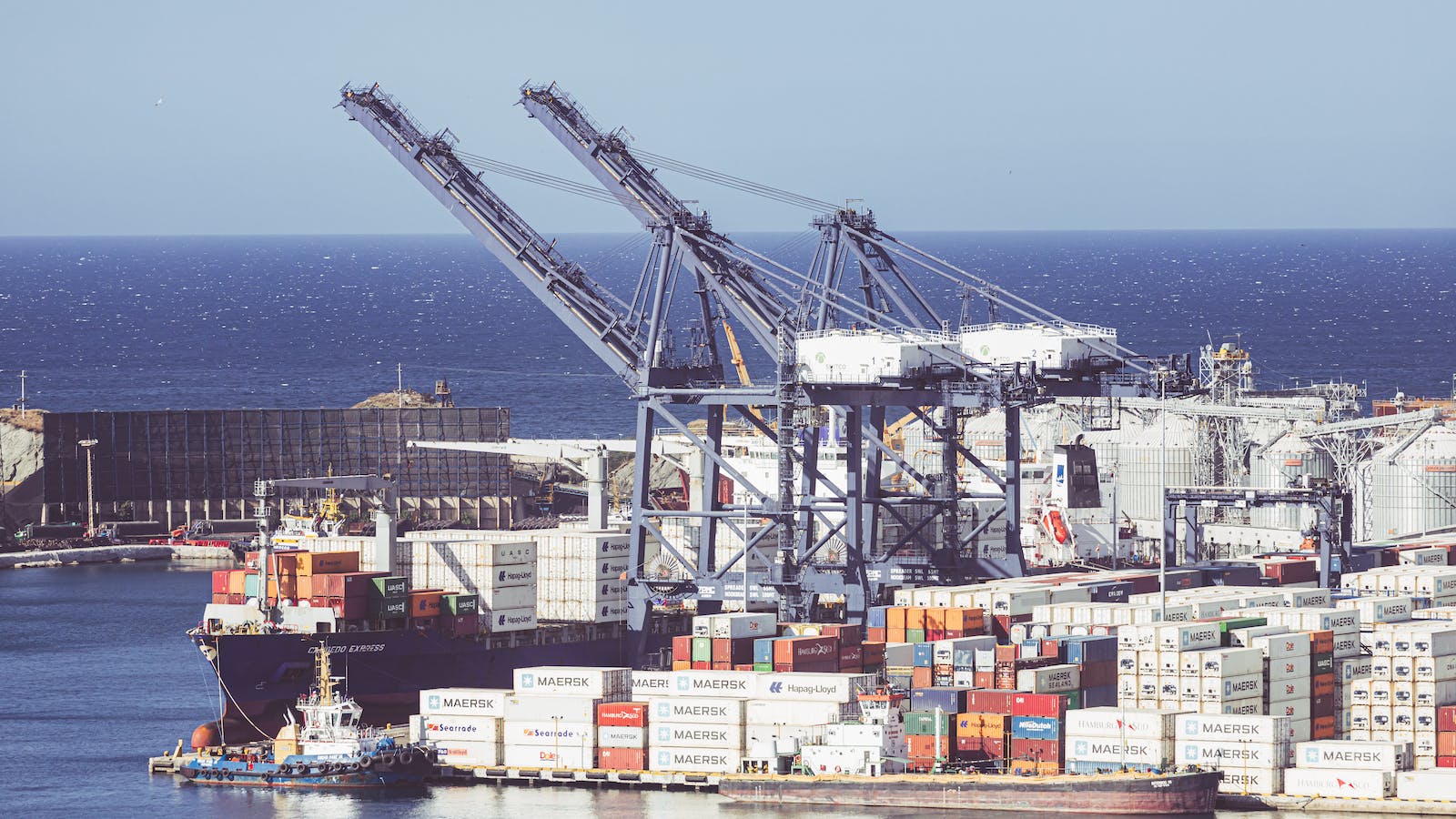
Benefits of Wholesale Distribution
Wholesale distribution is a pivotal element in the supply chain that bridges the gap between manufacturers and the market. It involves the bulk purchase and resale of goods to retailers, other distributors, or sometimes directly to the consumer. This business model is essential for the movement of goods across various sectors and plays a significant role in global commerce.
Benefits of Economies of Scale
One of the primary benefits of wholesale distribution is the ability to leverage economies of scale. Wholesalers purchase large quantities of products, which typically allows them to get a reduced price per unit. This saving can then be passed on to retailers, making products more competitive in the market. Economies of scale also enable wholesalers to negotiate better shipping rates, further reducing overall costs.
Streamlining the Supply Chain
Wholesalers simplify the supply chain by providing a single point of contact for retailers to purchase diverse products. Manufacturers benefit from this arrangement as it frees them from dealing with numerous small orders and allows them to focus on production. Retailers appreciate the streamlined process as it saves time and resources that would otherwise be spent on sourcing products from multiple suppliers.
Market Expansion for Manufacturers
Wholesale distributors often have extensive networks and market knowledge that manufacturers may lack. By partnering with wholesalers, manufacturers can access a wider retail base without the need to invest in additional marketing or a direct sales force. This partnership can lead to increased product reach and higher sales volumes.
Inventory Management Efficiency
Retailers rely on wholesalers for more efficient inventory management. Instead of maintaining high levels of stock, retailers can order products as needed from wholesalers, who typically have larger warehouses and sophisticated inventory systems. This just-in-time approach reduces the risk of overstocking for retailers and can lead to lower storage costs.
Risk Mitigation
Wholesale distribution helps spread the risk associated with unsold inventory across the supply chain. Wholesalers absorb some of the risks by purchasing and storing large quantities of products. This arrangement can provide a buffer for manufacturers against market fluctuations and demand uncertainties.
Access to Diverse Products
Wholesalers often carry a wide range of products from different manufacturers. This variety enables retailers to offer a broader selection to their customers without the need for relationships with numerous suppliers. Retailers can test new products in the market without committing to large orders, which is particularly beneficial for small businesses.
Logistical Advantages
Wholesalers typically have well-established logistics networks, which can be advantageous for both manufacturers and retailers. They can consolidate shipments from various suppliers, reducing shipping costs and improving delivery times. This logistical support is crucial, especially for retailers who may not have the capacity to handle complex distribution requirements.
Wholesale Distribution Challenges
Supply Chain Disruptions
Wholesale distributors are often the first to feel the effects of supply chain disruptions, which can be caused by various factors such as natural disasters, trade disputes, or pandemics. These disruptions can lead to product shortages, delays, and increased costs.
Adapting to Technology
The rapid pace of technological change means that wholesale distributors must continually adapt to new systems and processes. This includes investing in e-commerce platforms, warehouse management systems, and data analytics tools.
Competitive Pressure
With the rise of direct-to-consumer sales and online marketplaces, traditional wholesalers face increased competition. Maintaining competitive pricing while offering value-added services is a delicate balance that requires strategic planning.
Customer Demand and Expectations
Today's customers expect a seamless purchasing experience, rapid delivery times, and more transparency throughout the supply chain. Distributors must enhance their customer service to meet these demands.
Regulatory Compliance
Regulations are constantly evolving, and staying compliant can be challenging for wholesale distributors. This includes environmental regulations, safety standards, and international trade laws.
Margin Compression
Profit margins in wholesale distribution are often tight. Distributors must find ways to operate more efficiently to combat rising costs associated with labor, transportation, and materials.
Workforce Management
Attracting and retaining a skilled workforce is a significant challenge, especially in a tight labor market. Distributors must invest in employee development and create attractive working conditions.
Inventory Management
Effective inventory management is crucial for wholesale distributors. Overstocking can lead to high holding costs, while understocking can result in lost sales and dissatisfied customers.
Environmental Sustainability
There is increasing pressure on businesses to operate sustainably. Wholesale distributors must consider how they can reduce their environmental impact through better logistics, packaging, and waste management practices.
Cybersecurity Risks
As wholesale distributors adopt more technology, they become more vulnerable to cyber threats. Protecting sensitive data against breaches is of utmost importance.
Globalization Challenges
Globalization presents both opportunities and challenges for wholesale distributors. While it opens up new markets, it also introduces complexities in logistics, currency exchange, and cultural differences. Each of these challenges requires a strategic approach and may necessitate significant investment in new technologies, processes, or personnel training. By addressing these challenges head-on, wholesale distributors can position themselves for long-term success in a rapidly evolving marketplace.
Wholesale Distribution Industries
Wholesale distribution is a vast sector that spans across various industries. Each industry presents unique products, customer bases, and supply chain requirements. Here are some of the key industries where wholesale distribution plays a critical role:
Food and Beverage
This industry involves the distribution of perishable goods, which requires efficient logistics to ensure products reach retailers promptly and in good condition. Distributors in this sector must deal with stringent health and safety regulations and often provide value-added services such as ripening, packaging, and private labeling.
Electronics
The electronics distribution industry deals with products ranging from consumer electronics to specialized industrial equipment. Rapid product obsolescence and high demand for the latest technology drive this sector, necessitating agile supply chains and knowledgeable sales forces.
Pharmaceuticals
Pharmaceutical distributors provide a critical service by delivering medications and healthcare products to pharmacies, hospitals, and clinics. This industry is heavily regulated to ensure the safety and efficacy of drugs, requiring distributors to have sophisticated tracking and quality control systems.
Automotive
The automotive wholesale industry supplies vehicle parts and accessories to repair shops, dealerships, and retailers. It requires managing a vast inventory of parts for different makes and models, along with timely delivery to keep up with repair schedules.
Construction and Industrial Supplies
This sector involves the distribution of tools, machinery, and building materials. Distributors must be able to handle heavy and bulky items, provide technical expertise, and offer credit terms to contractors managing large projects.
Apparel and Textiles
Fashion and textiles distributors deal with a high variety of products that change seasonally. They must be responsive to trends and manage a global supply chain that often involves importing goods from manufacturing hubs around the world.
Chemicals
Distributors in the chemical industry supply raw materials to various sectors, including manufacturing, agriculture, and cleaning services. They must comply with strict environmental and safety regulations while handling potentially hazardous materials.
Beauty and Personal Care
Wholesale distributors in this industry supply products such as cosmetics, hair care, and skincare items to salons, spas, and retailers. The industry requires staying up-to-date with beauty trends and managing a broad portfolio of brands and products.
Office Equipment and Supplies
This industry includes the distribution of office furniture, supplies, and technology to businesses. Distributors must cater to the needs of diverse workplaces and often offer services like installation, maintenance, and asset management.
Agricultural Supplies
Agricultural wholesalers provide seeds, fertilizers, pesticides, and equipment to farms and agribusinesses. This industry requires knowledge of farming practices and seasonal cycles to effectively manage inventory and logistics. Each of these industries faces unique challenges and opportunities that wholesale distributors must navigate to be successful. From managing complex supply chains to adapting to industry-specific regulations, wholesale distributors are integral in keeping the wheels of commerce turning across these diverse sectors.
How to Choose a Wholesale Distributor
When choosing a wholesale distributor, it is important to consider the following factors:
- Product mix: The wholesale distributor should carry a product mix that meets the needs of your business.
- Target market: The wholesale distributor should have a target market that overlaps with your own.
- Pricing: The wholesale distributor should offer competitive prices.
- Customer service: The wholesale distributor should offer excellent customer service.
- Delivery options: The wholesale distributor should offer convenient delivery options.
- Reputation: The wholesale distributor should have a good reputation.
Once you have considered these factors, you can start to compare different wholesale distributors. It is important to get quotes from multiple distributors before making a decision. You should also ask for references from other businesses that have worked with the distributors you are considering.
Sourcing on Gloabsources.com
Historically, wholesale distribution involved a straightforward process: manufacturers produced goods and wholesale distributors purchased these goods in bulk, stored them in warehouses, and then sold and shipped them to retailers or other businesses. This system relied heavily on physical operations, including large storage spaces and a network of transportation to deliver goods to retailers across various regions.
With the advent of the internet and e-commerce platforms, the wholesale distribution model began to shift towards a more digital approach. Platforms like Globalsource.com emerged, offering a virtual marketplace where wholesalers could connect with manufacturers and retailers from around the world. This digitalization has allowed for a more streamlined process, reducing the need for physical storage and handling, and enabling real-time transactions and communications.
Globalsource.com provides a platform for businesses to source products directly from manufacturers or other suppliers globally. This means that wholesalers can use Globalsource.com to find suppliers, negotiate prices, and arrange for the purchase of goods without the traditional intermediary steps. The platform offers a diverse range of products and connects users with suppliers from various industries.
Benefits of Sourcing on Globalsource.com
- Global Reach: Wholesalers can access a global network of suppliers, allowing them to source products from different countries and regions without the constraints of geographical boundaries.
- Efficiency: The online platform streamlines the sourcing process, making it faster and more efficient. Transactions can be completed quickly, and communication between buyers and sellers is facilitated through the platform.
- Cost-Effectiveness: By reducing the need for physical warehouses and handling, wholesalers can cut down on overhead costs. Additionally, the competitive environment on Globalsource.com can lead to better pricing.
- Market Trends and Insights: Globalsource.com provides insights into market trends, allowing wholesalers to make informed decisions about which products to source and stock.
- Diversification: The platform allows wholesalers to diversify their product offerings by providing access to a wide variety of goods from different suppliers
Conclusion
Working with a wholesale distributor can be a great way to improve your business's bottom line. By choosing the right distributor, you can get access to a wide range of products, lower prices, and excellent customer service.