




As we move into 2026, the retail industry is entering a new phase where resilience and reinvention are no longer optional—they’re the baseline. The shocks of the early 2020s have reshaped consumer expectations for good, and retailers are now operating in an environment defined by permanently higher digital adoption, ongoing cost pressures, and increasingly value- and purpose-driven shoppers. Instead of asking when things will “return to normal,” retailers are focusing on how to build adaptable models that can thrive amid uncertainty.
Macroeconomic headwinds—from persistent inflation in some markets to geopolitical tensions and supply chain realignments—continue to test even the strongest players. Yet, this volatility is also accelerating innovation. In 2026, leading retailers are doubling down on data-driven decision-making, automating routine operations, and building more flexible sourcing and logistics networks. At the same time, sustainability, ethical sourcing, and social responsibility are moving from marketing messages to measurable business objectives, as regulators, investors, and consumers demand greater transparency.
Digital transformation, once framed mainly as “getting online,” is now about orchestrating truly connected ecosystems. AI, IoT, and smart checkout technologies that were emerging trends just a few years ago are being scaled across store networks to improve forecasting, personalize experiences, and streamline labor-intensive processes. Growth markets—particularly India and ASEAN—remain central to global expansion strategies, while reverse urbanization and the rise of smaller cities are pushing retailers to rethink store footprints and omnichannel approaches.
The following sections revisit the key developments and trends shaping retail up to 2025—from pandemic-driven disruption and regional growth dynamics to the rise of IoT, unmanned supermarkets, and AI-powered retail. Together, they provide the essential context for understanding where the industry stands today and how retailers can position themselves to capture the opportunities of 2026 and beyond.
Table of Contents
Recent Trends and Developments in the Retail Industry
Main Segments within the Retail Industry
Key Trends of the Retail Industry
Retail Industry Trends 2025 FAQs
Recent Trends and Developments in the Retail Industry
The retail industry has undergone significant changes in recent years, influenced by various global events and trends. Here's a summary of recent developments:
#1 Pandemic Impact
The COVID-19 pandemic had a substantial impact on the retail sector, causing a recession in 2020 with global retail sales declining by 3-4% [1]. While food retail experienced growth, non-food retail sectors saw a decline of nearly 10%.
#2 Recovery and Growth
In 2021, the retail market began to recover, particularly in North America and East Asia, as vaccine distribution increased and consumer demand surged. The global retail market value exceeded $21 trillion [2].
#3 Challenges
Despite the initial recovery, the Russo-Ukrainian War, energy crises, and inflation have posed new challenges, slowing growth to approximately 1.8% [3].
#4 Inflation Effects
Inflation continued to affect the market in 2023, with growth rates below potential, particularly in developed markets like Western Europe and North America, which faced recessions [4].
#5 Developing Markets
Contrastingly, developing markets such as India, ASEAN, China, and South America have shown more robust growth [4].
#6 Trends and Outlook
Looking forward, retailers are adapting to changing consumer behaviors and expectations, market volatility, labor pressures, and supply chain constraints. Embracing digital transformation and personalization is becoming increasingly important for sustained growth [2].
#7 Strategic Shifts
Retailers can no longer rely on pre-pandemic strategies and must evolve to compete effectively in the new normal. This includes investing in e-commerce, enhancing customer experience, and implementing sustainable practices [3].
It should be noted that specific figures and forecasts can vary depending on the source and the time of reporting. For the latest, most accurate information, consulting up-to-date market research reports and industry analyses is recommended.

Main Segments within the Retail Industry
The retail industry is diverse and can be segmented in various ways based on the types of products sold, the retail format, or the target market. Here are some of the main segments within the retail industry, along with sources that discuss these segments:
#1 Food and Beverage
This segment includes supermarkets, grocery stores, and specialty food shops. It's one of the largest and most essential segments in retail.
#2 Fashion and Apparel
This segment covers clothing and apparel stores, including both fast fashion retailers and high-end boutiques.
#3 Consumer Electronics
Retailers that specialize in selling electronic goods, from computers to smartphones and home appliances.
#4 Health and Beauty
This segment includes pharmacies, drugstores, and beauty supply stores that sell cosmetics, skincare products, and health-related items.
#5 Home and Furniture
Stores that sell furniture, home décor, and home improvement supplies fall into this category.
Sporting Goods, Hobbies, and Books: Retailers that specialize in sports equipment, hobby supplies, books, and related merchandise.
#6 Automotive Retail
This segment deals with the sale of automobiles, auto parts, and aftercare services.
#7 Luxury Goods
High-end retailers that sell luxury brands and products, from designer apparel to premium watches and jewelry.
#8 E-commerce
Online retailers that operate through digital platforms without physical storefronts.
#9 General Merchandise
This includes department stores and hypermarkets that offer a wide range of products under one roof.
The retail industry is continuously evolving due to technological advancements and changing consumer behaviors. For instance, many retailers are focusing on omnichannel strategies to integrate online and offline sales channels to provide a seamless customer experience [3].
Moreover, as per McKinsey's insights, the retail industry is looking beyond traditional metrics like same-store sales growth and margin improvements to gauge success in the current market [5].
Deloitte's 2021 retail industry outlook also suggests that investment priorities for retailers have shifted due to the turmoil of recent years, with an emphasis on adapting to new consumer needs and leveraging technology for better customer engagement [4].
Lastly, McKinsey's report on the rise of retail ecosystems highlights that retailers are expanding their offerings to include services that extend beyond traditional retailing, such as healthcare, finance, travel, and entertainment [6].
Key Trends of Retail Industry
Trend #1 Growth Potential of India and ASEAN Markets
The retail industry is experiencing a seismic shift with the burgeoning markets of India and the ASEAN region at the forefront. These areas are fertile ground for retail growth, propelled by a youthful demographic, increasing digital adoption, and rising incomes. India's expansive consumer base and tech-embracing shoppers are fueling e-commerce, while ASEAN's economic vitality and digital payments surge are revolutionizing retail models. Urbanization is further amplifying demand, compelling retailers to innovate in product offerings and marketing strategies to engage a diverse, growing customer base. Together, these factors position India and ASEAN as vibrant hubs for retail expansion and innovation.
The Indian and ASEAN retail markets are expected to continue their rapid growth due to factors such as increasing middle-income households, urbanization, and rising consumer spending. The Indian retail market is anticipated to reach $1.1 trillion by 2027 and could potentially double by 2032 [7]. The ASEAN region is also experiencing a surge in retail digitization, driven by a young, growing middle-class demographic [10].
Trend #2 Emerging Markets and Reverse Urbanization
Emerging markets are witnessing a trend of reverse urbanization, partly due to the adoption of remote work, which is contributing to the growth of smaller cities and rural areas. This demographic shift is resulting in diversified retail market development beyond major urban centers, as seen in countries like Vietnam [7].
As high-speed internet and technology infrastructure improve in smaller cities and rural areas, these regions are becoming increasingly viable for both living and working. This decentralization is leading to a more geographically dispersed workforce, with people opting for the lower cost of living and improved quality of life outside of congested urban centers.
In countries like Vietnam, this trend is evident as smaller cities and rural areas are seeing a boom in development, with new retail spaces and shopping complexes cropping up to meet the demands of a growing population. The retail landscape in these areas is adapting to cater to a more diverse consumer base, with a mix of local and international retailers entering the market.
Retailers are also leveraging digital platforms to reach out to customers who have moved away from urban hubs, offering online shopping options with efficient delivery services to maintain convenience. This digital approach is complemented by physical retail strategies such as pop-up shops, mobile stores, and localized distribution centers designed to serve these emerging communities effectively.
The impact of reverse urbanization on retail is multifaceted. It is not only changing where retailers are focusing their physical store strategies but also how they approach omnichannel retailing. The integration of e-commerce with brick-and-mortar stores is becoming more crucial than ever, as consumers expect seamless experiences whether they shop online from a rural home or visit a physical store in a smaller city.
Additionally, this shift is prompting retailers to consider a broader range of products and services that cater to the lifestyles of consumers in less urbanized areas. This might include a greater emphasis on sustainability, community-oriented products, and services that resonate with local values and needs.
Overall, as emerging markets continue to evolve with the trend of reverse urbanization, the retail industry is presented with both new challenges and opportunities. Retailers that can adapt their strategies to the changing demographic landscape will be well-positioned to thrive in this new era of market development.
Trend #3 IoT Technology in Retail Operations
In the implementation of operational monitoring through the Internet of Things (IoT), effective integration can significantly enhance in-store surveillance and analytics. By leveraging various IoT data sources such as traffic counters, cameras, sensors, smart shelves, beacons, intelligent checkout systems, service robots, unified commerce platforms, loss prevention videos, Wi-Fi, mobile triangulation, and RFID, retailers can monitor, analyze, and display their store activities in real-time. This comprehensive visibility is crucial for understanding customer behavior, operational efficiency, and overall store performance. As physical stores increasingly fulfill online orders, integrating omnidirectional data sources has become a key step in implementing an omnichannel strategy and digital transformation.
Expanding on this premise, the integration of IoT technologies can transform the retail landscape. Smart inventory management systems can predict stock levels and automate reordering processes. IoT-driven analytics can provide insights into peak shopping times, enabling better staff allocation. Personalized marketing becomes more sophisticated with IoT; for example, beacons can send customized offers to customers' smartphones when they are near a particular product. Additionally, integrating IoT with AI can lead to predictive maintenance of equipment, reducing downtime and operational costs. The synergy between in-store IoT infrastructure and online data analytics paves the way for a seamless retail experience that merges the digital and physical realms, ultimately leading to greater customer satisfaction and loyalty.
IoT technology is increasingly being used in retail operations to enable real-time monitoring and analysis of store activities. This trend supports the integration of online and offline channels, facilitating omnichannel strategies and digital transformation within the retail sector [8].
Trend #4 Unmanned Supermarkets and Smart Checkout Systems
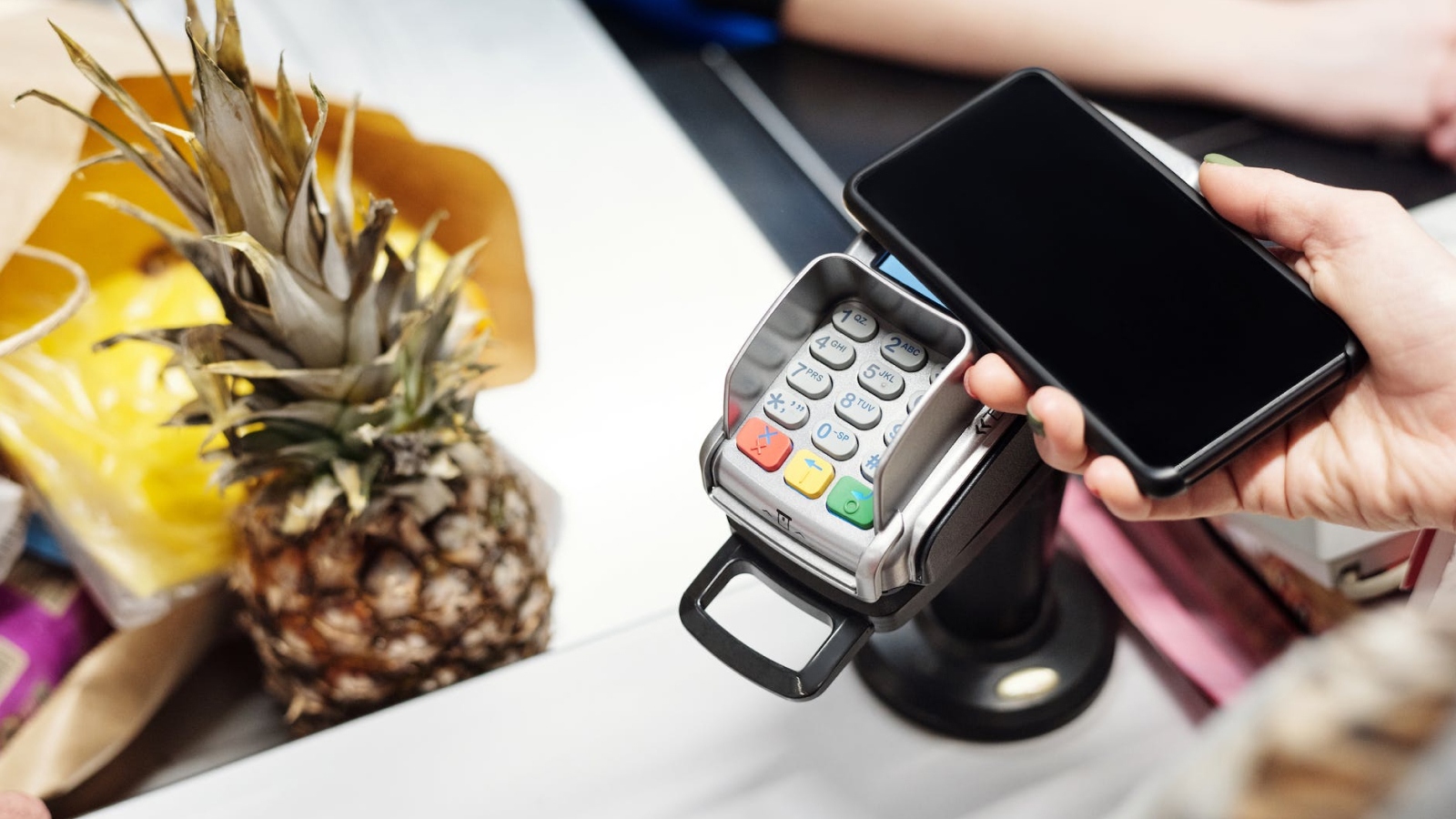
Developed markets are seeing a rise in unmanned supermarkets and smart checkout systems as a means to enhance shopping experiences and manage higher labor costs. Although these technologies come with challenges such as high initial investments and regulatory hurdles, their adoption is expected to grow steadily over the next several years [9].
These trends suggest a dynamic and rapidly evolving retail landscape for 2025, with significant opportunities for growth and innovation across both developed and emerging markets.
As we continue to witness the rise of unmanned supermarkets and smart checkout systems in developed markets, companies are leveraging these technologies to redefine the retail experience. For instance, Amazon Go has pioneered the concept of 'Just Walk Out' shopping, using a combination of cameras and sensors to track customer purchases and charge them upon exit, eliminating the need for traditional checkouts. Similarly, the Swedish company Wheelys launched Moby Mart, an autonomous, staffless mobile store that consumers can summon via an app.
In China, retail giant Alibaba's Hema supermarkets integrate online and offline shopping experiences, allowing customers to shop in-store or order via the app for home delivery. Customers can scan products for detailed information, pay with facial recognition technology, and enjoy meals prepared on-site from store-bought ingredients.
In Europe, Albert Heijn's "tap to go" technology in the Netherlands allows customers to tap shelf tags with a card to add items to their virtual basket, with payments processed automatically from their accounts.
These examples showcase not only the technological advancements in retail but also a shift towards convenience and efficiency that resonates with today's consumers. However, these innovations are not without their challenges. High initial investments in technology can be a barrier, especially for smaller retailers. Regulatory concerns, particularly around data privacy and cybersecurity, also present hurdles that need to be addressed as these technologies become more widespread.
Despite these challenges, the trend towards automation in retail is expected to gain momentum. As technology becomes more sophisticated and cost-effective, and as consumer behaviors continue to shift towards expecting seamless and contactless shopping experiences, we can anticipate an increase in the adoption of these systems.
Looking at the broader picture for 2025, the retail sector is poised for transformative growth. In developed markets, technology is driving efficiencies and reshaping consumer expectations. In emerging markets, the expansion of retail infrastructure is tapping into new consumer segments. Together, these developments signal a future of retail that is more accessible, efficient, and responsive to the changing needs of a global customer base.
Trend #5 The Rising Impact of AI Technology
Artificial Intelligence (AI) is rapidly transforming the retail industry, offering unprecedented opportunities for retailers to optimize operations, understand customer preferences, and deliver personalized shopping experiences. The global AI in retail market is expected to grow significantly, from $2.93 billion USD in 2021 to $17.08 billion by 2028, indicating the technology's pivotal role in shaping the sector's future [14].
AI's impact on retail is multifaceted. One of the most significant benefits is the ability to generate more accurate demand forecasts. AI algorithms can analyze historical sales data, market trends, and external factors, leading to precise inventory management and a reduction in overstock or stockouts [12].
In addition to inventory management, AI is enhancing the customer experience through personalization. Retailers are using AI to recommend products tailored to individual customer preferences, which not only improves the customer journey but also boosts sales and customer loyalty [12].
KPMG highlights that retailers are managing to overcome challenges such as upgrading legacy systems and complying with data security and privacy regulations, which are key steps on the road to AI adoption in retail [11]. This adoption is leading to more streamlined operations and better strategic decision-making.
Furthermore, AI applications are evolving toward advanced stages like image generation technology, which can offer customers a more interactive and immersive shopping experience. The development of a seamless shopping process and cloud integration platforms that integrate consumer behavior data are also on the horizon [13].
Examples of AI in action include chatbots for customer service, AI-driven recommendation engines on e-commerce platforms, and smart supply chain solutions that predict future demand patterns with high accuracy.
In conclusion, AI technology is not just a trend but a transformative force in retail, with its influence set to expand as more retailers harness its potential to meet the evolving demands of the digital era.
References:
- https://www.forbes.com/sites/shelleykohan/2022/12/23/the-5-biggest-retail-trends-for-2023/
- https://www2.deloitte.com/us/en/pages/consumer-business/articles/retail-distribution-industry-outlook.html
- https://www.mckinsey.com/industries/retail/our-insights/the-path-forward-for-the-us-retail-industry
- https://www2.deloitte.com/content/dam/Deloitte/us/Documents/consumer-business/us-2021-retail-industry-outlook.pdf
- https://www.statista.com/topics/5922/retail-market-worldwide/
- https://www.mckinsey.com/industries/retail/our-insights/beyond-retail-why-retailers-should-think-services-and-ecosystems
- https://www.forbes.com/sites/gregpetro/2023/11/08/2024-retail-forecast-will-the-party-finally-end/
- https://www.forbes.com/sites/forbesbusinesscouncil/2023/12/12/whats-in-store-for-retail-in-2024-and-how-retailers-can-prepare/
- https://retailboss.co/retail-trends-for-2024/
- https://www.blueconic.com/resources/2024-outlook-key-trends-in-retail-and-consumer-goods
- https://link.springer.com/chapter/10.1007/978-3-031-47454-5_25
- https://www.leafio.ai/blog/artificial-intelligence-in-retail-industry-benefits-and-real-life-applications/
- https://info.kpmg.us/news-perspectives/technology-innovation/thriving-in-an-ai-world/ai-adoption-retail.html
- https://www.sciencedirect.com/science/article/pii/S0040162523004638

