




The foodservice industry has experienced significant change and development over the past few years, particularly driven by digitalization and changing consumer demands. 2026 will be an important year for change and innovation in the industry, with new technologies and trends further shaping the market landscape.
Table of Contents
1. Digital transformation and technological innovation
2. Sustainability and Environmental Protection Practices
4. Personalized and experiential services
5. Growth of takeaway and delivery services
1. Digital transformation and technological innovation
As technology continues to advance, digital transformation has become a key driver for the food service industry. The application of technologies such as mobile payment, online ordering systems and smart kitchen equipment not only improves operational efficiency, but also significantly improves customer experience.
Case study: McDonald's has greatly shortened customers' waiting time and improved order processing efficiency by introducing self-service ordering machines and mobile payment systems. In addition, the use of smart kitchen equipment allows restaurants to control the cooking process more accurately, reduce food waste, and improve food quality. Chipotle, another leading catering company, uses a high-tech kitchen management system to optimize the use of ingredients through sensors and data analysis to ensure the quality and consistency of each dish. Chipotle also uses blockchain technology to track the origin of ingredients and ensure transparency and traceability of the supply chain, thus improving food safety.
2. Sustainability and Environmental Protection Practices
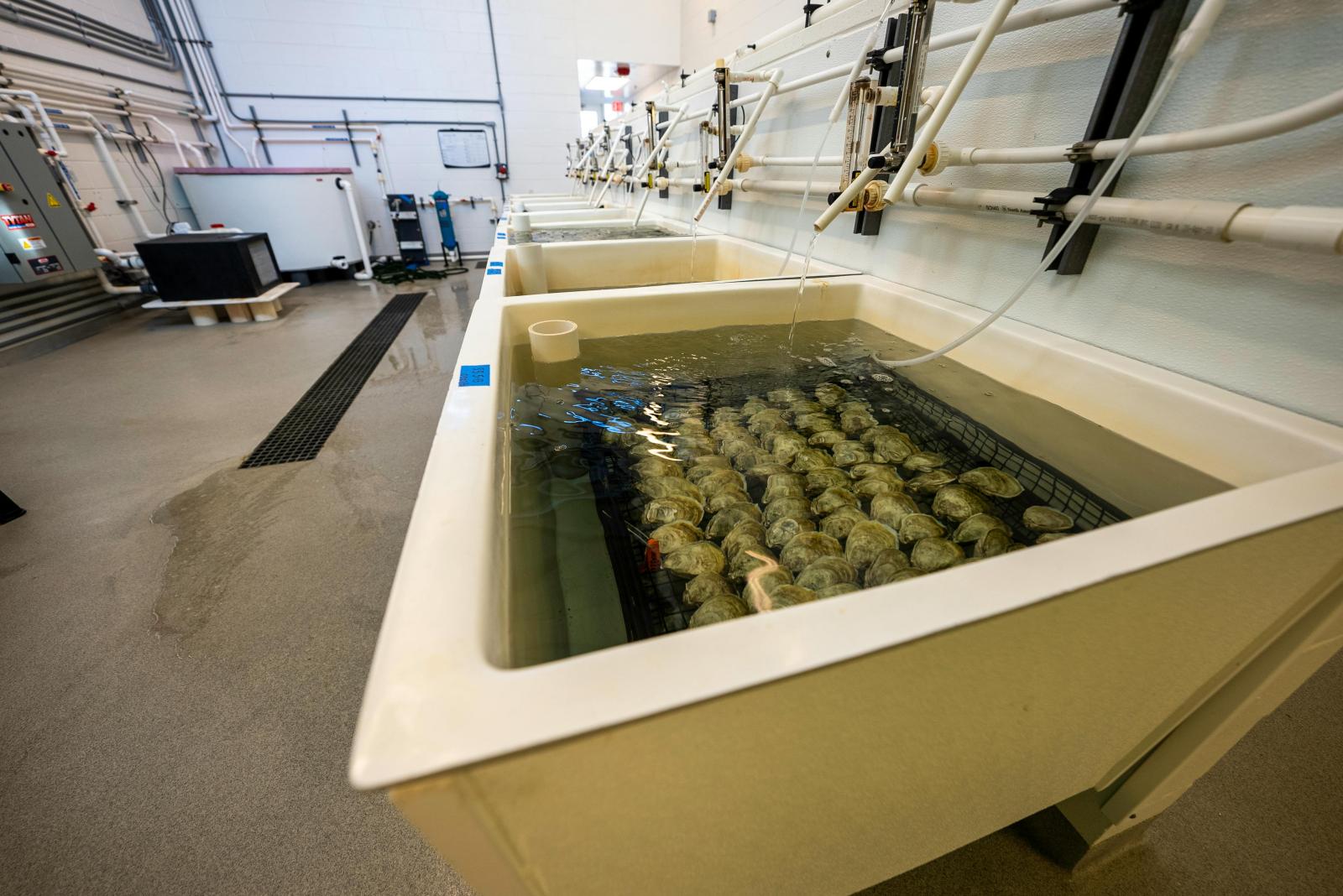
Against the background of increasing global environmental awareness, the food service industry is also actively exploring the path to sustainable development. Reducing food waste and promoting sustainable ingredients have become important goals for the industry. The use of green restaurants and environmentally friendly packaging not only helps protect the environment but also attracts environmentally conscious consumers.
Case study: Starbucks is promoting reusable cups globally and has committed to phasing out plastic straws in the next few years. Additionally, they are committed to reducing food waste by partnering with local food banks to donate unsold food to those in need. Starbucks has also introduced a "green store" plan to reduce carbon emissions and water consumption through the use of energy-saving equipment and renewable energy. Another catering giant, Pret A Manger, introduced a "zero waste" program and successfully reduced a large amount of food waste through precise inventory management and food donations, while improving its corporate image. Pret A Manger also promotes compostable packaging in its stores to reduce the generation of plastic waste.
3. Health and Wellness Trends
As consumers' demand for healthy eating increases, catering companies have adjusted menu designs to cater to this trend. The popularity of low-sugar, low-fat, organic and plant-based foods not only meets the health needs of consumers, but also opens up new markets for companies.
Case study: Subway launched a series of low-calorie and plant-based sandwich options, attracting a large number of health-conscious consumers. By working with nutritionists, they continually optimize their menus to ensure every meal meets healthy standards. Subway has also launched a "customized healthy meal" service, where customers can choose ingredients and ingredients based on their own health needs. Sweetgreen, another catering brand, focuses on providing healthy, organic salads and bowl meals. It works with local farms to ensure the freshness and quality of the ingredients, and has won the favor of consumers. Sweetgreen also launched a "healthy lifestyle" application to help consumers track diet and exercise and provide personalized health advice.
4. Personalized and experiential services
Personalized service and experiential dining are becoming increasingly important in improving customer satisfaction. Through data analysis and customer feedback, catering companies can better understand customer needs and provide customized services and unique dining experiences.
Case study: Starbucks collects customer consumption data through its membership system and mobile applications to provide personalized promotions and recommendations. Customers can customize their drinks through the app, choosing their favorite flavors and ingredients to enjoy a unique coffee experience. Another catering company, Eataly, has attracted a large number of consumers by creating an immersive dining environment. Eataly not only offers gourmet food, but also has cooking classes and a food market where customers can learn cooking skills, buy fresh ingredients and enjoy an all-round gourmet experience.
5. Growth of takeaway and delivery services
The continued growth of takeout and delivery services has had a profound impact on the restaurant industry. As consumers’ demand for convenience increases, emerging delivery models and technologies continue to emerge.
Case study: Food delivery platforms such as Uber Eats and DoorDash provide fast and convenient delivery services by cooperating with restaurants, which greatly facilitates consumers. Restaurants use these platforms to expand their customer base and increase sales. At the same time, the application of automated distribution technology is also developing. Domino's Pizza Company in the United States has pioneered the DRU (Domino's Robotic Unit) robot delivery service in Australia and New Zealand. These robots can navigate autonomously and deliver pizza to customers' homes through set routes. Amazon's Prime Air drone delivery service has also been piloted in some areas, using drones to quickly deliver food and other goods, further promoting the application of automation technology in the logistics industry.
Conclusion
In 2026, the food service industry will continue to make significant progress in digital transformation, sustainability, health trends, personalized service and takeout delivery. B-side companies should keep up with these trends and actively adopt new technologies and new models to improve operational efficiency and customer satisfaction. In this era full of opportunities and challenges, only by continuously innovating and adapting to market changes can we remain invincible in the highly competitive food service industry.
Also Read:
- Top Food and Beverage Trends
- Food Service Trends
- Food Processing Trends
- Food Delivery Trends
- Snack Food Trends
- Fast Food Trends
- Pet Food Industry Trends
- Food Industry Trade Shows
- Fancy Food Show
- Frozen Chinese Food Brands
- Food Truck Industry Trends
- Start a Food Truck Business
- Wholesale Dog Food Guide
- Hot Food Vending Machines Guide

