




The food service industry is a vast and dynamic sector that encompasses a wide range of businesses, including restaurants, cafes, catering services, and food delivery companies. For B2B stakeholders, understanding the latest trends in this industry is crucial for staying competitive and meeting the evolving demands of consumers. This guide aims to provide insights into the current and emerging trends shaping the food service industry and offer actionable strategies for B2B businesses to leverage these trends for growth.
This guide is designed to help B2B readers stay ahead of industry changes by providing a comprehensive overview of the most impactful trends in the food service industry. By understanding these trends, businesses can make informed decisions, adapt their operations, and capitalize on new opportunities to enhance their competitive edge.
1.Current Trends Impacting the Food Service Industry
Technology Integration
The integration of technology in the food service industry has revolutionized operations and customer experiences. AI and automation are now being used to streamline food preparation, optimize inventory management, and enhance customer service. For instance, AI-driven predictive analytics can forecast demand, reducing food waste and ensuring efficient stock management. Mobile ordering and delivery platforms have seen significant growth, offering convenience to consumers and expanding market reach for businesses. Companies like UberEats and DoorDash have transformed the delivery landscape, making it essential for restaurants to partner with these platforms. Contactless payment systems have also become essential, providing a safer and more efficient transaction process. These technologies not only improve operational efficiency but also enhance the overall customer experience, making them indispensable in today's competitive market.
Health and Wellness Focus
Consumers are increasingly prioritizing health and wellness, leading to a growing demand for healthy, organic, and plant-based food options. Nutritional transparency and clear labeling are becoming standard expectations, with customers seeking detailed information about the ingredients and nutritional content of their meals. B2B businesses can capitalize on this trend by incorporating wellness-focused products into their offerings and promoting their health benefits. For example, offering gluten-free, low-carb, or keto-friendly menu options can attract health-conscious consumers. Additionally, partnerships with local farms and organic suppliers can enhance the perceived value and quality of the food offered, appealing to a more discerning clientele.

Sustainability and Environmental Impact
Sustainability is a key concern for both consumers and businesses in the food service industry. There is a strong shift towards eco-friendly packaging and waste reduction practices. Sourcing local and sustainable ingredients not only supports local economies but also reduces the environmental footprint of food production and distribution. Implementing energy-efficient kitchen equipment can further enhance sustainability efforts and reduce operational costs. For example, using energy-efficient ovens and refrigerators can significantly lower utility bills. Moreover, initiatives such as composting food waste, reducing single-use plastics, and implementing water-saving practices can further demonstrate a commitment to sustainability, which can be a strong selling point for eco-conscious consumers.
Consumer Experience and Engagement
Personalizing the dining experience through technology is becoming increasingly important. Enhanced customer service, driven by digital tools and data analytics, allows businesses to understand and meet individual customer preferences. Effective use of social media and digital marketing strategies helps engage customers and build brand loyalty, making it essential for businesses to maintain a strong online presence. For instance, personalized marketing campaigns based on customer data can increase engagement and sales. Interactive menus, virtual reality dining experiences, and loyalty programs integrated with mobile apps are just a few ways technology can enhance the customer experience. Additionally, responding promptly to customer feedback on social media platforms can improve customer satisfaction and loyalty.
Globalization and Fusion Cuisine
Global flavors and fusion cuisine are gaining popularity, reflecting the diverse cultural preferences of consumers. This trend presents opportunities for businesses to innovate their menus and offer unique dining experiences. By incorporating elements from different culinary traditions, businesses can attract a broader customer base and differentiate themselves in a competitive market. For example, blending Asian and Latin American flavors can create unique and exciting dishes that appeal to adventurous eaters. Collaborating with chefs who specialize in different cuisines can also bring authenticity and innovation to the menu. This not only attracts a diverse customer base but also keeps the menu fresh and exciting.
2. Emerging Trends to Watch for B2B Stakeholders
Ghost Kitchens and Virtual Brands
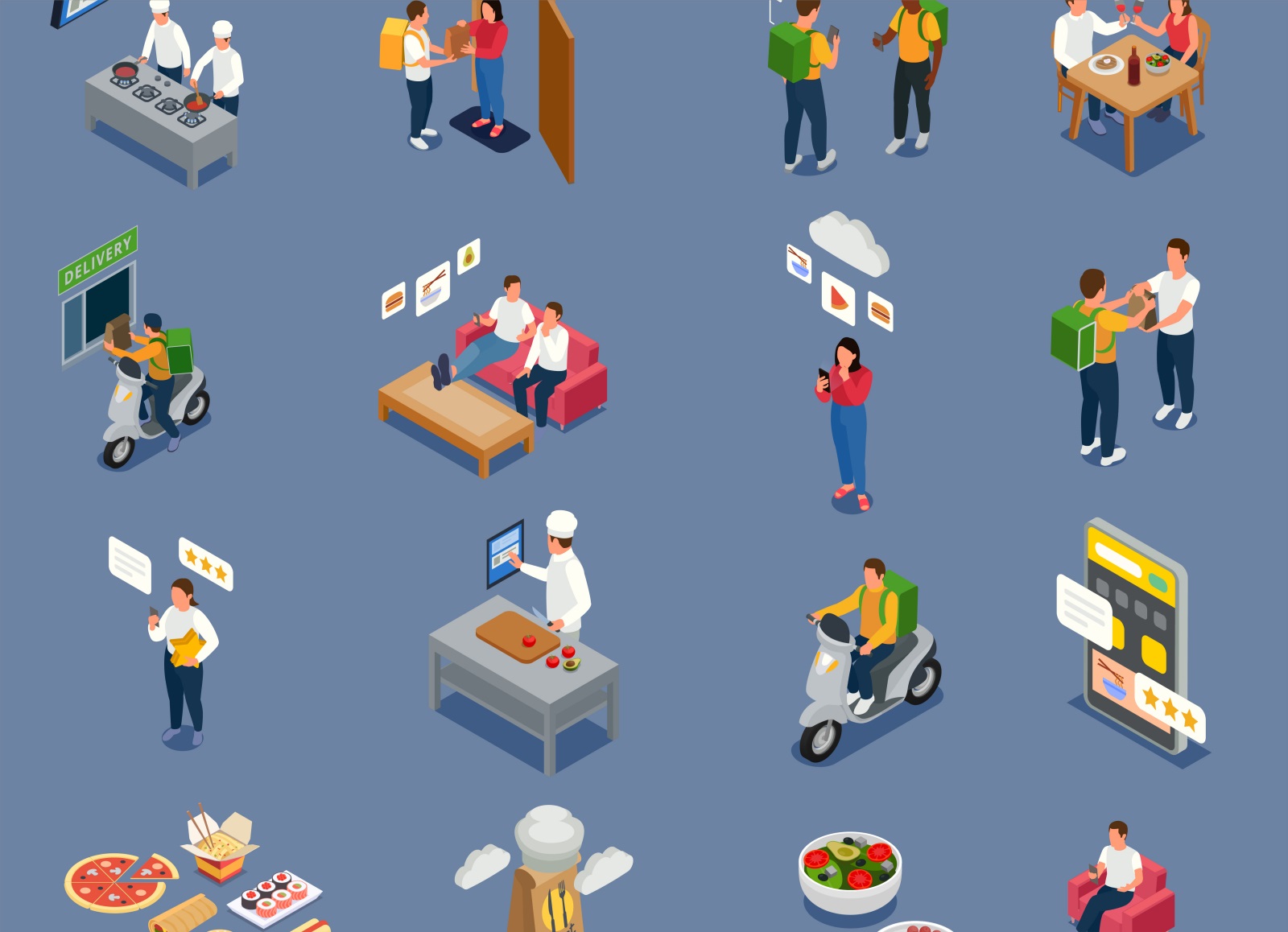
The rise of delivery-only kitchens, known as ghost kitchens, is transforming the food service landscape. These kitchens operate without a traditional storefront, focusing solely on fulfilling online orders. This model offers significant cost savings and flexibility, making it an attractive option for businesses looking to expand their delivery capabilities. Successful virtual brands have leveraged ghost kitchens to reach new markets and increase their revenue streams. For instance, brands like CloudKitchens and Kitchen United provide shared kitchen spaces for multiple virtual brands, reducing overhead costs and allowing for rapid scaling. This model enables businesses to experiment with different concepts and cuisines without the high costs associated with traditional brick-and-mortar establishments.
Food Safety and Hygiene
In the wake of the COVID-19 pandemic, there is an increased focus on food safety and hygiene standards. Advanced food safety technologies, such as automated monitoring systems and blockchain for traceability, are being implemented to ensure compliance and build consumer trust. Meeting heightened expectations for cleanliness and safety is critical for maintaining a positive reputation and customer loyalty. For example, implementing contactless delivery options and ensuring rigorous hygiene practices in food preparation can reassure customers. Regular staff training on hygiene practices and investing in high-quality sanitation equipment are also essential steps in maintaining high safety standards. Additionally, transparent communication about safety measures can help build trust with customers.
Technological Innovations
Robotics and AI are making significant inroads in food preparation and service. From automated cooking and assembly lines to AI-powered customer service chatbots, these technologies are enhancing efficiency and reducing labor costs. The future of drone and autonomous vehicle deliveries promises to further revolutionize the logistics of food delivery, offering faster and more reliable service. Blockchain technology is also playing a crucial role in ensuring supply chain transparency and food traceability. For example, companies like Zume Pizza use robotic technology to automate pizza preparation, ensuring consistency and efficiency. Similarly, AI-driven chatbots can handle customer inquiries and orders, freeing up staff to focus on more complex tasks. Blockchain can provide end-to-end visibility in the supply chain, ensuring the authenticity and safety of ingredients.
Alternative Dining Formats
Alternative dining formats, such as pop-up restaurants and food trucks, are gaining traction. These formats offer flexibility and lower overhead costs, allowing businesses to experiment with new concepts and reach different customer segments. Communal dining and shared spaces are also becoming popular, providing unique social experiences. Adapting to outdoor and socially distanced dining trends can help businesses attract customers who prioritize safety and social interaction. For instance, food trucks can serve as mobile marketing tools, bringing the brand to different locations and events. Pop-up restaurants can create buzz and test new concepts without the long-term commitment of a permanent location. Additionally, communal dining spaces can foster a sense of community and attract groups looking for a social dining experience.
Also Read:
- Top Food and Beverage Trends
- Food Service Trends
- Food Processing Trends
- Food Delivery Trends
- Snack Food Trends
- Fast Food Trends
- Pet Food Industry Trends
- Food Industry Trade Shows
- Fancy Food Show
- Frozen Chinese Food Brands
- Food Truck Industry Trend
- Start a Food Truck Business
- Wholesale Dog Food Guide
- Hot Food Vending Machines Guide
3.Strategies for B2B Businesses to Adapt to Industry Trends
Investing in Technology
Staying ahead with technology adoption is essential for long-term success. Key technologies to invest in include AI for predictive analytics, automation for operational efficiency, and digital platforms for customer engagement. Case studies of successful tech implementations in B2B settings highlight the benefits of these investments, such as improved productivity, cost savings, and enhanced customer satisfaction. For example, implementing an AI-driven inventory management system can reduce waste and optimize stock levels. Automated cooking equipment can ensure consistency and speed in food preparation. Digital platforms can enhance customer engagement through personalized marketing and loyalty programs.
Focusing on Sustainability
Making food service operations more sustainable is not only beneficial for the environment but also for business growth. Steps to achieve sustainability include reducing waste, sourcing sustainably produced ingredients, and using energy-efficient equipment. Businesses that excel in sustainability practices often enjoy a positive brand image, customer loyalty, and cost savings. Examples of successful sustainability practices in the industry can serve as inspiration. For instance, restaurants that implement composting programs can significantly reduce waste and create nutrient-rich soil for local farms. Sourcing ingredients from local, sustainable farms can reduce carbon emissions and support the local economy. Using energy-efficient appliances can lower utility costs and reduce the environmental impact.
Enhancing Customer Experience
Personalizing the dining experience through technology is becoming increasingly important. Enhanced customer service, driven by digital tools and data analytics, allows businesses to understand and meet individual customer preferences. Effective use of social media and digital marketing strategies helps engage customers and build brand loyalty, making it essential for businesses to maintain a strong online presence. For instance, personalized marketing campaigns based on customer data can increase engagement and sales. Interactive menus, virtual reality dining experiences, and loyalty programs integrated with mobile apps are just a few ways technology can enhance the customer experience. Additionally, responding promptly to customer feedback on social media platforms can improve customer satisfaction and loyalty.

Exploring New Business Models
Exploring new business models can help B2B businesses adapt to changing consumer preferences and market conditions. Diversifying dining formats, such as offering delivery-only services through ghost kitchens or launching virtual brands, can expand market reach and increase revenue streams. Successfully launching a virtual brand or ghost kitchen requires careful planning, market research, and a strong digital marketing strategy. Adapting to changing consumer behavior, such as the growing demand for convenience and contactless services, can help businesses stay relevant and competitive. By staying flexible and open to new opportunities, B2B businesses can navigate industry changes and achieve long-term success.
Conclusion
The food service industry is constantly evolving, driven by technological advancements, changing consumer preferences, and emerging global trends. For B2B businesses, staying informed about these trends and adapting their strategies accordingly is crucial for success. By investing in technology, focusing on sustainability, enhancing customer experiences, and exploring new business models, businesses can leverage industry trends to gain a competitive edge and drive growth. This guide provides a comprehensive overview of the current and emerging trends in the food service industry, offering actionable insights and strategies for B2B stakeholders to thrive in a dynamic and competitive market.

