




The cosmetics industry occupies an important position in the global economy, not only contributing significantly to GDP but also creating a large number of employment opportunities. As consumer needs and preferences change, especially the younger generation's acceptance of emerging products, and the awareness of health and environmental protection increase, the industry is facing new development opportunities. Technological progress, such as the application of new materials and new processes, and the promotion of digitalization and intelligence, are also profoundly affecting the future of the industry.
This article aims to explore the main trends in the cosmetics industry, analyze the impact of these trends on the industry, and provide insights and suggestions for industry practitioners. The article will discuss six aspects: personalized and customized products, sustainable and environmentally friendly products, clean beauty, the integration of technology and beauty, the growth of the male beauty market, and the balance between globalization and localization.
Table of Contents
Personalized and customized products
Integration of technology and beauty
Balance between globalization and localization
Personalized and customized products
The rise of personalized products
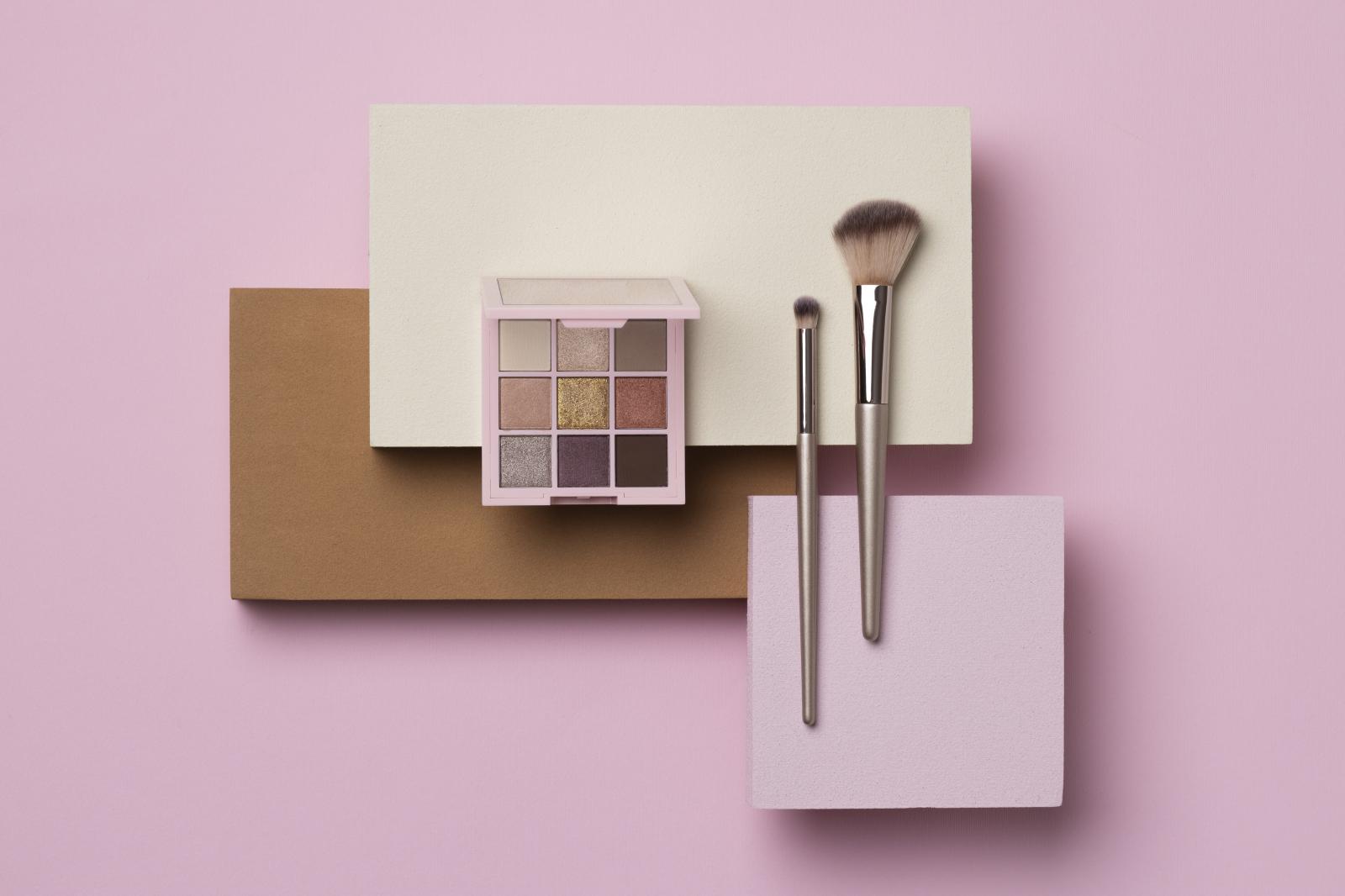
The demand for personalized skin care and cosmetics is growing rapidly. Consumers are increasingly pursuing a sense of uniqueness and exclusivity, and expect to receive tailor-made products and services. This demand has promoted the expansion of the personalized product market, and the market potential for customized services is huge. For example, consumers want to be able to choose the most suitable skin care and cosmetics products based on their skin type, lifestyle habits and personal preferences.
Technology Driven Personalization
The application of artificial intelligence and big data in product customization makes personalized formulas and production technologies possible. By understanding consumer needs through data analysis, companies can quickly respond to market changes and provide more accurate and personalized products. For example, brands such as Function of Beauty and Curology use data collection and analysis to provide consumers with personalized skin care and hair care products. These brands use online questionnaires and algorithms to analyze users’ skin conditions and needs and provide customized solutions.
Case Analysis
Brands such as Function of Beauty and Curology have successfully used artificial intelligence and big data technology to meet consumer demand for personalized products. These brands provide customized products through online questionnaires and data analysis, and have won wide recognition in the market. For example, Function of Beauty uses a detailed online questionnaire to understand a user’s hair type and care needs, and then uses this information to customize shampoo and conditioner that best suits the user.
Clean Beauty
Definition of Clean Beauty
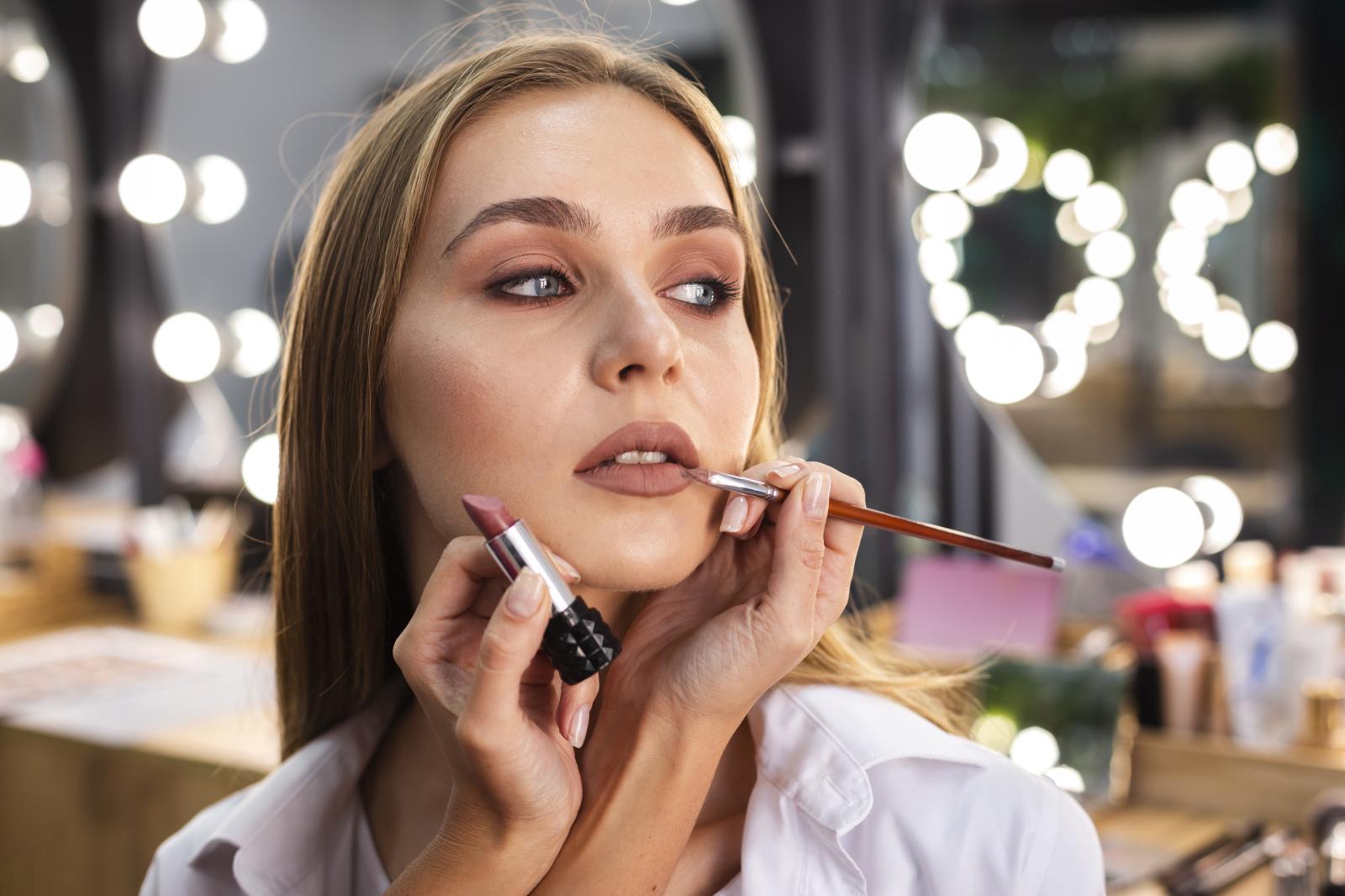
The concept and standards of clean beauty focus on the use of non-toxic, harmless ingredients. Consumer concerns about health and safety have led to the rapid rise of clean beauty products in the market. For example, clean beauty products do not contain harmful chemical ingredients such as sulfates, parabens, etc.
Clean Beauty Product Development
The application of non-toxic and harmless ingredients has led to the rapid rise of clean beauty brands. For example, brands such as Drunk Elephant and Tata Harper have gained the trust of consumers by using natural and safe ingredients. These brands focus on ingredient transparency so consumers can clearly understand every ingredient used in their products.
Industry Impact and Future
Clean beauty has impacted the traditional cosmetics industry, changing market share and competitive landscape. In the future, with the strengthening of regulatory policies and market norms, clean beauty will continue to develop and become an important part of the industry. For example, more and more consumers are paying attention to the safety of product ingredients, which will drive more brands to transition to clean beauty.
You May Also Like:
- Makeup Industry Trends 2025
- Top 2025 Makeup Trends
- Winter 2025 Makeup Trends
- Chinese Makeup Trends 2025
- Korean Makeup Trends 2025
- Japanese Makeup Trends 2025
- American vs Korean Makeup
- Latte Makeup Trend
- TikTok Passport Makeup Guide
- Hottest TikTok Makeup Trends
- Top TikTok Makeup Trends 2025
- 80s Makeup Trends
- 90s Makeup Trends
Integration of technology and beauty
Advances in Beauty Technology
The development of beauty equipment and smart tools has made home beauty equipment and smart skin care equipment more and more popular. Intelligent skin care systems and personalized beauty plans use technological means to improve the effects of skin care and makeup. For example, smart facial mask machines and smart beauty mirrors can provide personalized skin care advice based on the user's skin condition.
Virtual Makeup Try-On and Augmented Reality (AR)
The development and application of virtual makeup try-on technology allows consumers to try products before purchasing, improving the shopping experience. The application of AR technology in cosmetics retail has also greatly promoted consumers’ purchasing decisions. For example, brands such as L'Oréal and Sephora use virtual makeup try-on apps to allow consumers to try out different cosmetics on their phones and choose the products that best suit them.
Digital Marketing and E-Commerce
The influence of social media and e-commerce platforms has made digital marketing become mainstream. Live streaming and KOL marketing have increased brand exposure and sales through digital means. Successful digital marketing cases, such as Glossier and Fenty Beauty, quickly captured the market through social media and e-commerce platforms. For example, Fenty Beauty has achieved great success by partnering with well-known KOLs and using social media for product promotion.
Growth of male beauty market
The Rise of the Male Grooming Market
Male consumers' demand for beauty products continues to grow, and the market potential for male skin care and cosmetics is huge. Main product categories include skin care products, shaving products and men's cosmetics. For example, the market for men's skin care products has grown faster than the market for women's skin care products.
Brand and Product Strategy
Brand positioning and marketing strategies for the male market require in-depth analysis of the behavior and needs of male consumers. Successful male grooming brands, such as Bulldog and Harry's, have won a large number of male consumers through precise market positioning and effective marketing strategies. For example, Harry's provides high-quality shaving products through a subscription model, which is popular among male consumers.
Market Prospects and Challenges
The male grooming market has huge development potential, and market size and growth rate forecasts are optimistic. However, companies still face challenges in market education and brand recognition, and need to improve market acceptance through innovative and effective marketing strategies. For example, many male consumers have low awareness of beauty products, and companies need to increase consumer awareness and acceptance through market education.
Balance between globalization and localization
Globalization Trend
The expansion and cooperation of international brands have made the cosmetics industry more global. Multinational brands develop different market strategies through the diversity and demand differences of the global market. L'Oréal, for example, has expanded its market share by acquiring local brands around the world.
Localization Strategy
The importance of localized products and marketing strategies lies in the respect and integration of culture and customs. Successful localization cases, such as L'Oréal's strategy in the Chinese market, have won the favor of consumers through localized products and marketing. For example, L'Oréal launched products suitable for Asian skin in the Chinese market and achieved good market performance through localized marketing strategies.
Globalized and localized brands, such as L'Oréal and Shiseido, have achieved success in different markets through localization strategies. These brands have developed effective market strategies and won consumer recognition by respecting and integrating local culture. For example, when Shiseido entered the European and American markets, it combined the needs of local consumers and launched products suitable for different skin types and cultural backgrounds, and through localized marketing activities, it increased the brand's visibility and market share.
You May Also Like: Lifestyle and Entertainment Trends
- Sports Industry Trends
- Fitness Industry Trends
- Entertainment Industry Trends
- Apparel Industry Trends
- Fashion Industry Trends
- Outdoor Apparel Trends
- Fashion Trends 2024-2025
- Top Fashion Trends
- Pet Food Trends
- Food Truck Trends
- Home Care Trends
- Salon Industry Trends
- Makeup Industry Trends
- Cosmetic Industry Trends
- Retail Industry Trends
- Pet Industry Trends
FAQS
1. How does the cosmetics industry balance globalization and localization?
International brands are making the cosmetics industry more global through expansion and cooperation. The importance of localized products and marketing strategies lies in respecting and integrating local culture and consumption habits, and developing strategies suitable for different markets.
2. What is the importance of sustainable and environmentally friendly products in the cosmetics industry?
As environmental awareness increases, consumers pay more attention to the environmental protection and sustainability of products.
Companies meet consumer demands and reduce environmental impact by using renewable and natural ingredients and environmentally friendly packaging materials.
3. How does the cosmetics industry respond to the challenges of environmental protection and sustainable development?
Companies need to reduce production costs while ensuring product quality, and adopt environmentally friendly materials and sustainable production methods.
Improve consumers' acceptance of environmentally friendly products through market education and brand awareness.
Conclusion
The cosmetics industry will continue to innovate and develop, with new technologies and new ideas emerging. The industry has broad development prospects in the global market, and continued attention to consumer needs and market changes will help companies stand out in the competition. For example, with the further development of artificial intelligence and big data technology, personalized and customized products will become more popular, and companies can provide more accurate and personalized services through data analysis. In addition, the trend of environmental protection and sustainable development will continue to push companies to adopt more environmentally friendly materials and processes in product design and production processes.
You May Also Like:

