




Efficient sourcing strategies are paramount for companies seeking to streamline their supply chains and optimize their product offerings. While Global Sources is an established, prominent B2B marketplace, alternative platforms exist to diversify sourcing options. This article delves into the realm of Global Sources alternatives, providing an analysis of the top contenders and their unique value propositions.
Global Sources: The Premier Platform for International Trade Success
Extensive Network of Verified Suppliers
One of the most significant advantages of using Global Sources is its extensive network of verified suppliers. The platform meticulously vets its suppliers to ensure they meet stringent quality and credibility standards. This vetting process minimizes the risk of fraud and ensures that businesses can connect with reputable manufacturers and suppliers. Whether you are sourcing electronics, fashion accessories, or industrial machinery, you can trust that the suppliers listed on Global Sources are reliable and capable of meeting your needs.
Comprehensive Product Categories
Global Sources offers a wide range of product categories, making it a one-stop shop for businesses across various industries. From consumer electronics and home appliances to fashion and textiles, the platform covers an extensive array of products. This diversity allows buyers to source multiple products from different categories without having to switch between different platforms, thereby saving time and effort.
Trade Shows and Exhibitions
Global Sources is renowned for its trade shows and exhibitions, which are some of the largest and most influential in the world. These events provide an excellent opportunity for businesses to network, discover new products, and establish long-term partnerships. The trade shows are held in strategic locations like Hong Kong, attracting a global audience and providing unparalleled exposure to international markets. Attending these events can be a game-changer for businesses looking to expand their reach and stay ahead of industry trends.
Digital Solutions and E-Magazines
In addition to its physical trade shows, Global Sources offers a suite of digital solutions that cater to the modern business environment. Their e-magazines and online marketplaces are rich sources of information and provide a platform for buyers and suppliers to interact seamlessly. These digital tools are designed to enhance the user experience, making it easier for businesses to find the right products and suppliers quickly and efficiently.
Market Insights and Industry News
Staying informed about market trends and industry news is crucial for making strategic business decisions. Global Sources excels in this area by providing in-depth market insights, trend analyses, and industry news through its publications and online resources. This information is invaluable for businesses looking to stay competitive and adapt to changing market conditions.
Customizable Sourcing Solutions
Global Sources understands that every business has unique needs, which is why it offers customizable sourcing solutions. Whether you need to source products in small quantities or require specific customization, the platform can accommodate your requirements. This flexibility ensures that businesses of all sizes can benefit from Global Sources’ extensive network and resources.
Strong Focus on Innovation
Innovation is at the heart of Global Sources' operations. The platform continuously evolves to meet the changing needs of the global trade environment. From incorporating advanced technologies like AI and machine learning to enhance the sourcing process to offering virtual trade shows, Global Sources is committed to staying at the forefront of innovation.
In summary, Global Sources is a highly recommended platform for anyone involved in international trade. Its extensive network of verified suppliers, comprehensive product categories, renowned trade shows, digital solutions, market insights, customizable sourcing options, and strong focus on innovation make it an invaluable resource for businesses looking to succeed in the global market. Whether you are a buyer or a supplier, Global Sources provides the tools and opportunities you need to thrive in the competitive world of international trade.
The Importance of Diversifying Sourcing Channels
Relying solely on a single sourcing platform can expose businesses to various risks, including supply chain disruptions, limited supplier options, and potential vendor dependencies. By diversifying their sourcing channels, companies can mitigate these risks, foster healthy competition among suppliers, and gain access to a broader range of products, services, and solutions tailored to their specific requirements.
Moreover, different sourcing platforms often cater to distinct geographical regions, product categories, or business models, enabling companies to tap into specialized markets and leverage localized expertise. This diversification not only enhances supply chain resilience but also opens doors to new opportunities for innovation, cost optimization, and strategic partnerships.
Evaluating Global Sources Alternatives: Key Considerations
When exploring alternatives to Global Sources, it is crucial to assess each platform against a set of key criteria to ensure alignment with your organization's sourcing objectives and operational requirements. These considerations may include:
- Supplier Base: Evaluate the breadth and depth of the supplier network, including the geographical distribution, product categories, and specializations offered by the platform's listed vendors.
- Vendor Verification and Quality Control: Assess the platform's vendor onboarding processes, supplier vetting mechanisms, and quality assurance measures to ensure the reliability and consistency of the products and services offered.
- Sourcing Tools and Functionalities: Consider the platform's search capabilities, communication tools, project management features, and integration with existing systems to streamline sourcing workflows and enhance operational efficiency.
- Pricing and Cost Structure: Analyze the platform's pricing models, transaction fees, and overall cost implications to determine the most cost-effective solution for your sourcing needs.
- Customer Support and Vendor Assistance: Evaluate the platform's responsiveness, support resources, and vendor assistance programs to ensure a seamless sourcing experience and effective issue resolution.
- Industry Specialization: Assess the platform's expertise and focus on specific industries or product categories, as specialized platforms may offer tailored solutions and insights relevant to your business domain.
- Compliance and Sustainability: Consider the platform's commitment to ethical sourcing practices, compliance with industry regulations, and support for sustainable and socially responsible initiatives.
By carefully evaluating these factors, organizations can make informed decisions and select the sourcing platforms that best align with their unique requirements, strategic objectives, and long-term goals.
Top Global Sources Alternatives
To assist in your search for suitable Global Sources alternatives, this article provides a comprehensive analysis of the top contenders in the market. Each platform is evaluated based on its strengths, weaknesses, and unique value propositions, enabling you to make an informed decision that aligns with your organization's sourcing needs.
1. Alibaba
As a formidable player in the global sourcing landscape, Alibaba stands out as a prominent alternative to Global Sources. With a vast network of suppliers, primarily from China and the Far East, Alibaba offers a robust pipeline of vendors catering to diverse product categories.
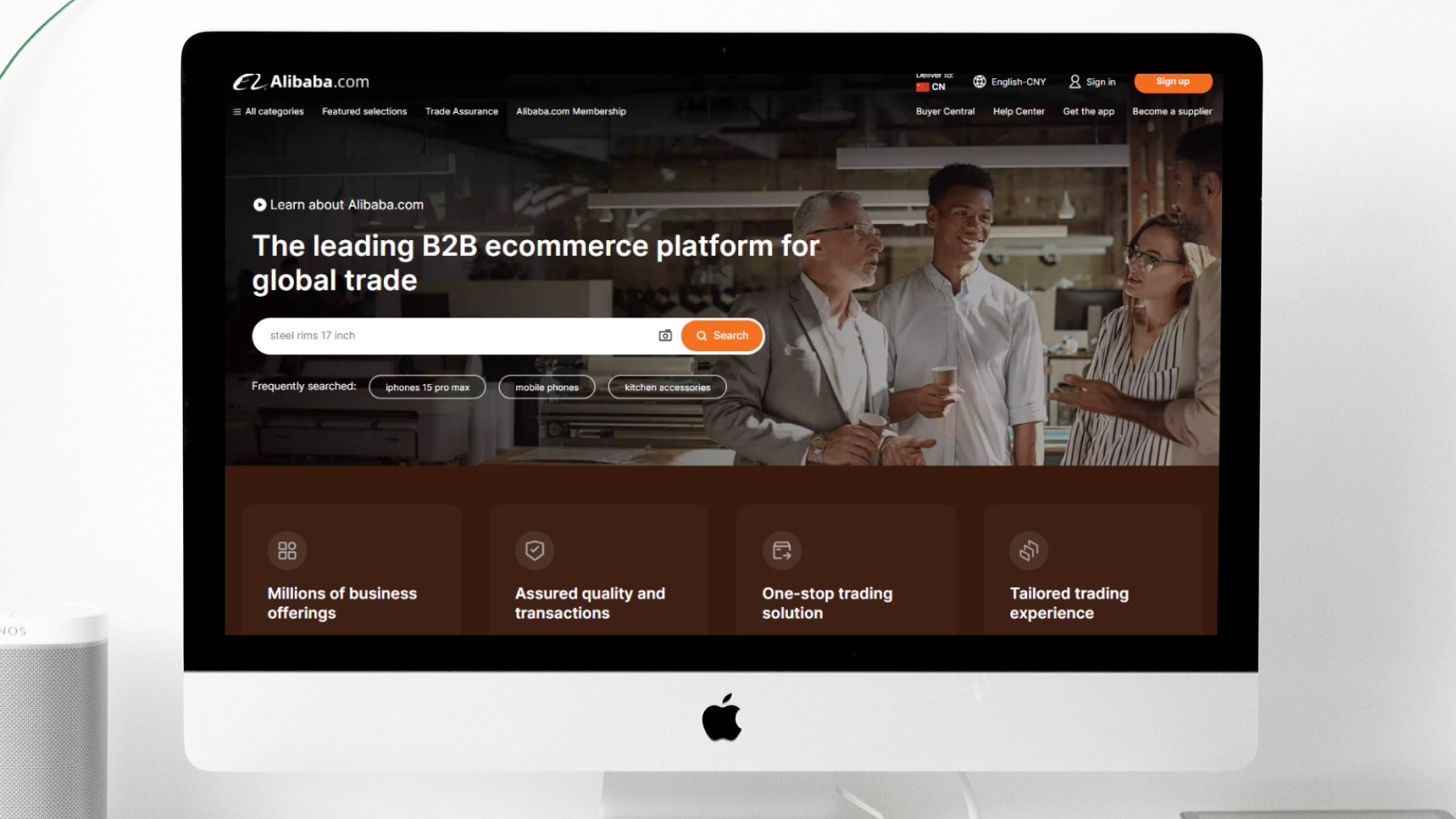
Pros:
- Extensive Supplier Base: Alibaba boasts a massive supplier network, providing access to a wide range of products and manufacturing capabilities from various regions, particularly China and the Far East.
- Comprehensive Sourcing Platform: The platform offers a comprehensive suite of sourcing tools, including supplier verification, communication channels, and logistics support, streamlining the entire sourcing process.
- Competitive Pricing: With a large pool of suppliers, Alibaba often presents competitive pricing options, enabling businesses to optimize their sourcing costs.
Cons:
- Geographical Concentration: While Alibaba has a global reach, its supplier base is predominantly concentrated in China and the Far East, potentially limiting sourcing options for businesses seeking suppliers from other regions.
- Vendor Management Responsibilities: Unlike some managed sourcing platforms, Alibaba requires businesses to handle vendor management tasks independently, which may increase operational complexities.
Key Considerations:
Alibaba is an excellent choice for businesses seeking a vast supplier network, particularly for sourcing products from China and the Far East. However, organizations should be prepared to manage vendor relationships independently and navigate potential language barriers or cultural differences when working with international suppliers.
2. Oberlo
For businesses embracing the dropshipping model, Oberlo emerges as a compelling alternative to Global Sources. This platform specializes in connecting retailers with a broad network of suppliers, enabling them to sell products without holding inventory.
Pros:
- No Inventory Management: Oberlo's dropshipping model eliminates the need for businesses to maintain physical inventory, reducing overhead costs and minimizing risks associated with unsold stock.
- Automated Order Fulfillment: The platform streamlines order fulfillment by automatically routing customer orders to the appropriate suppliers, simplifying the logistics process.
- Diverse Product Offerings: Oberlo provides access to a wide range of product categories, allowing businesses to curate diverse product catalogs without inventory constraints.
Cons:
- Potential Margin Constraints: Dropshipping pricing models often involve higher product costs compared to traditional sourcing methods, potentially resulting in lower profit margins for businesses.
- Limited Control over Product Quality: With dropshipping, businesses have less direct oversight over product quality and supplier performance, which may impact customer satisfaction.
Key Considerations:
Oberlo is an attractive option for businesses seeking a hassle-free, inventory-free approach to sourcing and selling products. However, it is essential to carefully evaluate the potential impact on profit margins and implement robust quality control measures to maintain customer satisfaction.
3. GenieMode
Catering specifically to the fashion and home décor industries, GenieMode presents itself as a tech-enabled manufacturing platform designed to streamline sourcing processes for brands and retailers.
Pros:
- Industry Specialization: GenieMode's focus on fashion and home décor allows it to offer tailored solutions and expertise specific to these product categories.
- Streamlined Sourcing Workflows: The platform's user-friendly interface and integrated tools facilitate efficient sourcing, communication, and project management.
- Supplier Vetting and Quality Control: GenieMode implements rigorous supplier vetting processes and quality control measures to ensure consistent product quality.
Cons:
- Limited Product Categories: While excelling in fashion and home décor, GenieMode's offerings may be limited for businesses operating in other product categories.
- Potential Cost Implications: The platform's specialized services and enhanced quality control measures may result in higher sourcing costs compared to some generalized marketplaces.
Key Considerations:
For fashion and home décor brands seeking a dedicated sourcing solution with industry-specific expertise and quality assurance, GenieMode presents a compelling alternative. However, businesses operating in other product categories may find more suitable options elsewhere.
4. IndiaMart
As a formidable competitor to Global Sources, IndiaMart has established itself as a prominent supplier directory focused on connecting businesses with Indian suppliers across various industries.
Pros:
- Access to Indian Suppliers: IndiaMart provides a comprehensive database of Indian suppliers, enabling businesses to tap into the country's diverse manufacturing capabilities and expertise.
- Industry-Specific Categorization: The platform organizes suppliers by industry and product categories, facilitating targeted searches and streamlining the sourcing process.
- Competitive Pricing: With a vast network of Indian suppliers, IndiaMart often offers competitive pricing options for businesses seeking cost-effective sourcing solutions.
Cons:
- Geographical Limitations: While IndiaMart excels in connecting businesses with Indian suppliers, its reach may be limited for organizations seeking global sourcing options.
- Vendor Management Responsibilities: Similar to Alibaba, IndiaMart requires businesses to handle vendor management tasks independently, which can increase operational complexities.
Key Considerations:
IndiaMart is an excellent choice for businesses seeking to source products from Indian suppliers, leveraging the country's manufacturing expertise and competitive pricing. However, organizations with global sourcing requirements or seeking a more managed sourcing experience may need to explore additional platforms.
5. Spocket
Spocket is another prominent player in the dropshipping space, offering an alternative to Oberlo for businesses seeking an inventory-free sourcing model.
Pros:
- Extensive Supplier Network: Spocket boasts a vast network of suppliers, providing businesses with access to a diverse range of product categories and sourcing options.
- Automated Order Fulfillment: Similar to Oberlo, Spocket automates the order fulfillment process, streamlining logistics and reducing operational complexities.
- Supplier Vetting and Quality Control: The platform implements supplier vetting processes and quality control measures to ensure consistent product quality and reliability.
Cons:
- Potential Margin Constraints: Like other dropshipping platforms, Spocket's pricing models may result in higher product costs and lower profit margins compared to traditional sourcing methods.
- Limited Customization Options: Dropshipping platforms often offer limited customization options, which may restrict businesses' ability to differentiate their product offerings.
Key Considerations:
Spocket is an attractive alternative for businesses seeking a hassle-free, inventory-free sourcing solution with a diverse range of product offerings. However, it is crucial to carefully evaluate the potential impact on profit margins and consider implementing strategies to enhance product differentiation and customer satisfaction.
6. Pietra
Catering specifically to creators and entrepreneurs, Pietra offers an end-to-end service encompassing product design, sourcing, and fulfillment.
Pros:
- Comprehensive Solution: Pietra provides a one-stop-shop for creators, handling everything from product conceptualization to sourcing and order fulfillment.
- Creative Support: The platform offers design and branding assistance, enabling creators to bring their product visions to life while maintaining brand consistency.
- Streamlined Workflows: Pietra's integrated platform simplifies workflows by consolidating various aspects of product development and sourcing under one roof.
Cons:
- Potential Cost Implications: The comprehensive nature of Pietra's services and its focus on personalized solutions may result in higher costs compared to traditional sourcing platforms.
- Limited Scalability: The platform's emphasis on personalized services may pose challenges for businesses seeking to scale their operations rapidly.
Key Considerations:
Pietra is an excellent choice for creators and entrepreneurs seeking a comprehensive, end-to-end solution for product development, sourcing, and fulfillment. However, businesses with larger-scale operations or those primarily focused on cost optimization may find more suitable alternatives elsewhere.
7. Printful
Printful is a specialized platform catering to businesses that require customized printing and on-demand product fulfillment services.
Pros:
- On-Demand Printing and Fulfillment: Printful enables businesses to offer customized, print-on-demand products without the need for inventory management or upfront investments.
- Diverse Product Offerings: The platform supports a wide range of product categories, including apparel, accessories, home décor, and more, allowing businesses to cater to diverse customer preferences.
- Integrated Ecommerce Solutions: Printful seamlessly integrates with popular ecommerce platforms, streamlining order management and fulfillment processes.
Cons:
- Potential Cost Implications: Print-on-demand services may result in higher per-unit costs compared to traditional bulk manufacturing methods, potentially impacting profit margins.
- Limited Customization Options: While Printful offers customization options, businesses may encounter limitations in terms of product design and material choices.
Key Considerations:
Printful is an ideal solution for businesses seeking to offer customized, print-on-demand products without the hassle of inventory management or upfront investments. However, it is essential to carefully evaluate the potential impact on profit margins and consider implementing strategies to enhance product differentiation and customer satisfaction.
8. Sqetch
Based in Europe, Sqetch positions itself as a regional sourcing solution partner, offering a range of services tailored to businesses operating within the European market.
Pros:
- Regional Expertise: Sqetch's focus on the European market allows it to provide localized insights, supplier networks, and regulatory compliance support specific to the region.
- A La Carte Services: The platform offers a flexible approach, enabling businesses to select specific sourcing services based on their unique requirements.
- Supplier Vetting and Quality Control: Sqetch implements rigorous supplier vetting processes and quality control measures to ensure consistent product quality and reliability.
Cons:
- Geographical Limitations: While excelling in the European market, Sqetch's reach may be limited for businesses seeking global sourcing options or suppliers from other regions.
- Potential Cost Implications: The platform's specialized services and regional focus may result in higher sourcing costs compared to some generalized marketplaces.
Key Considerations:
For businesses operating within the European market, Sqetch presents a compelling alternative, offering localized expertise, supplier networks, and regulatory compliance support. However, organizations with global sourcing requirements or those seeking more cost-effective solutions may need to explore additional platforms.
9. SupplyCompass
SupplyCompass positions itself as a sustainable product development and delivery platform, catering to fashion brands and their manufacturers with a focus on ethical and responsible sourcing practices.
Pros:
- Sustainability and Ethical Sourcing: SupplyCompass prioritizes sustainable and ethical sourcing practices, enabling businesses to align their supply chains with environmental and social responsibility goals.
- Verified Manufacturer Network: The platform maintains a network of verified manufacturers adhering to strict standards, ensuring product quality and ethical production practices.
- Collaboration and Communication Tools: SupplyCompass offers robust collaboration and communication tools, facilitating seamless coordination between brands and their manufacturing partners.
Cons:
- Industry Specialization: While excelling in the fashion industry, SupplyCompass may have limited offerings for businesses operating in other product categories.
- Vendor Management Responsibilities: Similar to other platforms, SupplyCompass requires businesses to oversee and manage production processes with their chosen manufacturers.
Key Considerations:
For fashion brands and retailers seeking to prioritize sustainability and ethical sourcing practices, SupplyCompass presents a compelling alternative. However, businesses operating in other industries or those primarily focused on cost optimization may find more suitable options elsewhere.
10. Hula Global
Hula Global is an apparel supply chain company that operates a network of manufacturing facilities in India, Bangladesh, and Vietnam, specializing in new product development and production for fashion and lifestyle products.
Pros:
- Vertically Integrated Supply Chain: By owning and operating its manufacturing facilities, Hula Global offers a vertically integrated supply chain, enabling greater control over production processes and quality assurance.
- Expertise in Fashion and Lifestyle Products: The company's core focus on fashion and lifestyle products allows it to offer specialized expertise and tailored solutions for these product categories.
- Emphasis on Quality and Turnaround Time: Hula Global prides itself on delivering high-quality products with efficient turnaround times, ensuring timely delivery and minimizing supply chain disruptions.
Cons:
- Geographical Limitations: While Hula Global operates facilities in multiple countries, its reach may be limited for businesses seeking sourcing options from other regions.
- Minimum Order Quantity Requirements: The company may have minimum order quantity requirements, which could pose challenges for smaller businesses or those seeking smaller production runs.
Key Considerations:
For fashion and lifestyle brands seeking a vertically integrated supply chain partner with a focus on quality and efficient turnaround times, Hula Global presents an attractive alternative. However, businesses operating in other industries or those with specific sourcing requirements may need to explore additional options.
11. DHgate
DHgate is another strong contender in the global sourcing arena, offering a platform that connects buyers with Chinese wholesalers and manufacturers. It's particularly popular among small to medium-sized enterprises (SMEs) looking for cost-effective solutions.
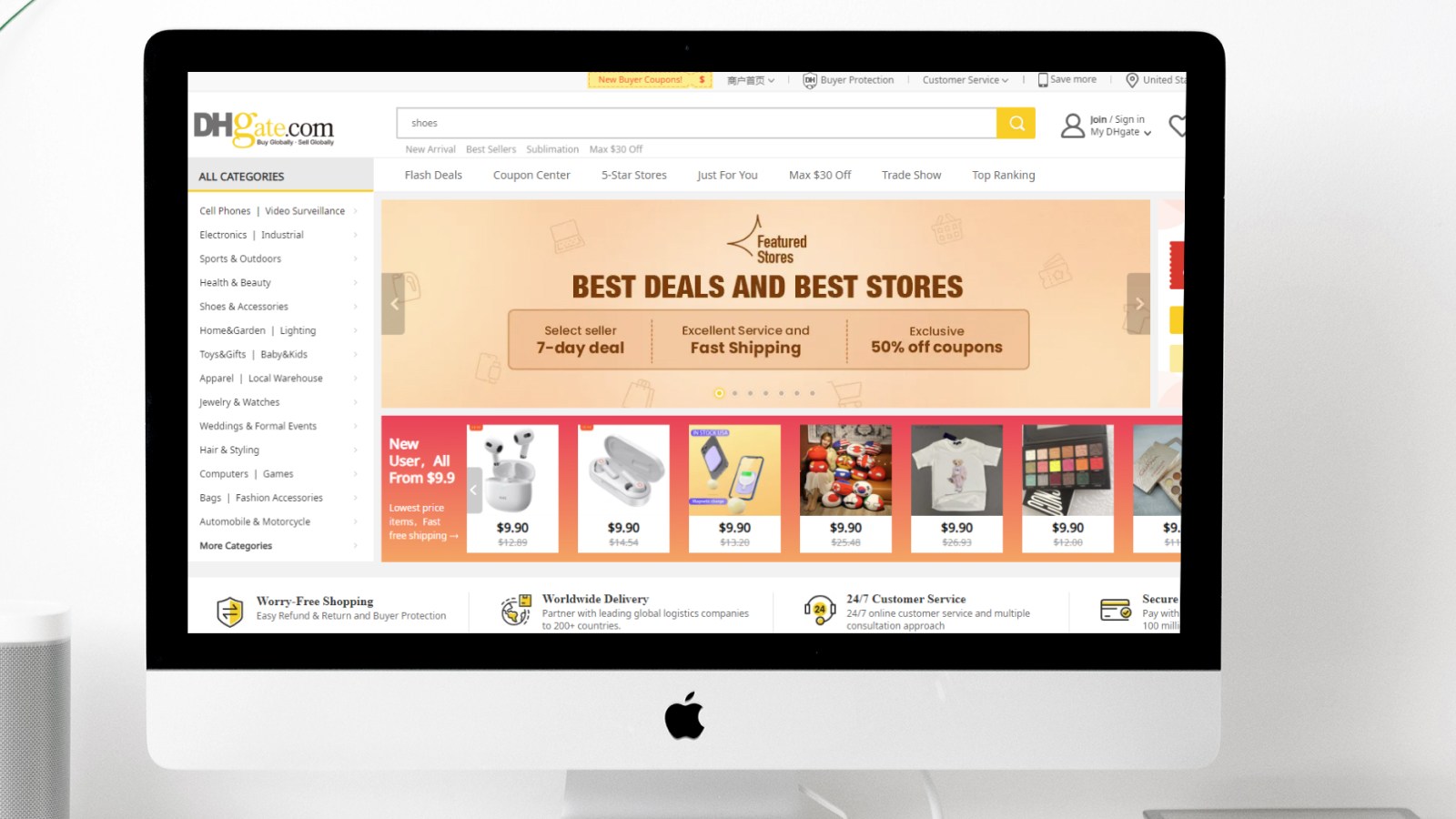
Pros:
- Wide Range of Products: DHgate provides access to a diverse array of products, from electronics to fashion, catering to various business needs.
- Low Minimum Order Quantities (MOQs): The platform is known for its low MOQs, making it ideal for small businesses and startups.
- Buyer Protection: DHgate offers buyer protection policies, ensuring that transactions are secure and disputes are resolved efficiently.
Cons:
- Quality Variability: The quality of products can vary significantly between suppliers, requiring buyers to conduct thorough due diligence.
- Long Shipping Times: As most suppliers are based in China, shipping times can be lengthy, which may not be suitable for businesses with urgent needs.
Key Considerations:
DHgate is a suitable platform for SMEs looking for affordable products with low MOQs. However, buyers should be prepared to invest time in vetting suppliers and managing longer shipping times.
12. Made-in-China
Made-in-China is a comprehensive B2B platform that connects global buyers with Chinese manufacturers. It is known for its detailed supplier profiles and extensive product categories.
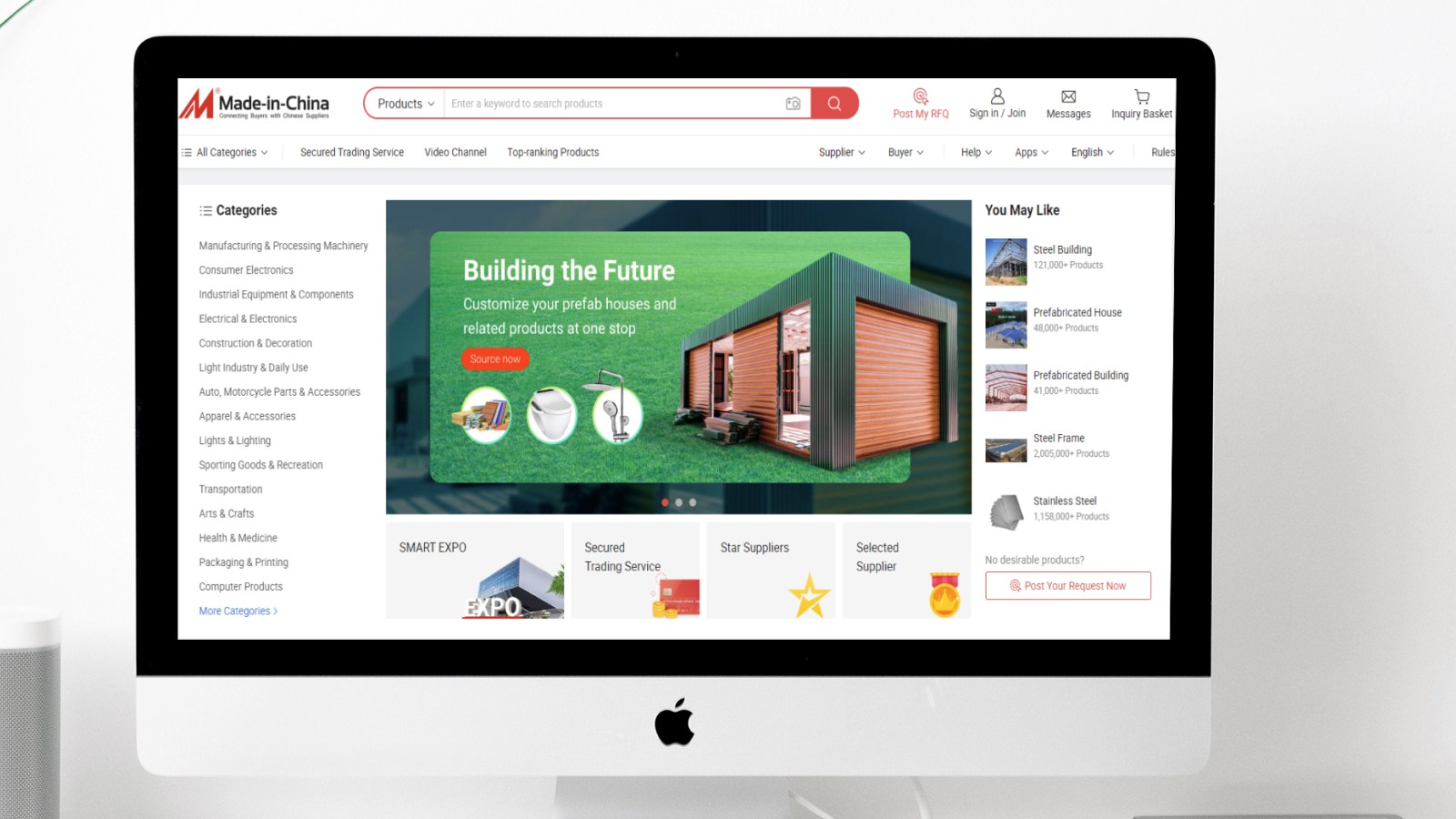
Pros:
- Detailed Supplier Information: Made-in-China provides extensive information about suppliers, including certifications, production capabilities, and company profiles, aiding in informed decision-making.
- Wide Product Range: The platform offers a broad spectrum of products, from industrial equipment to consumer goods.
- Trade Assurance: Made-in-China offers trade assurance services, ensuring that transactions are secure and that buyers receive their products as described.
Cons:
- Language Barriers: Communication with suppliers can sometimes be challenging due to language differences, requiring patience and clarity.
- Limited Non-Chinese Suppliers: The platform predominantly features Chinese suppliers, which may limit options for sourcing from other regions.
Key Considerations:
Made-in-China is ideal for businesses seeking detailed supplier information and a wide range of products. However, buyers should be ready to navigate potential language barriers and focus on Chinese suppliers.
13. AliExpress
AliExpress, a subsidiary of Alibaba, caters primarily to smaller orders and individual buyers, but it can also be a valuable resource for small businesses looking to source products in smaller quantities.
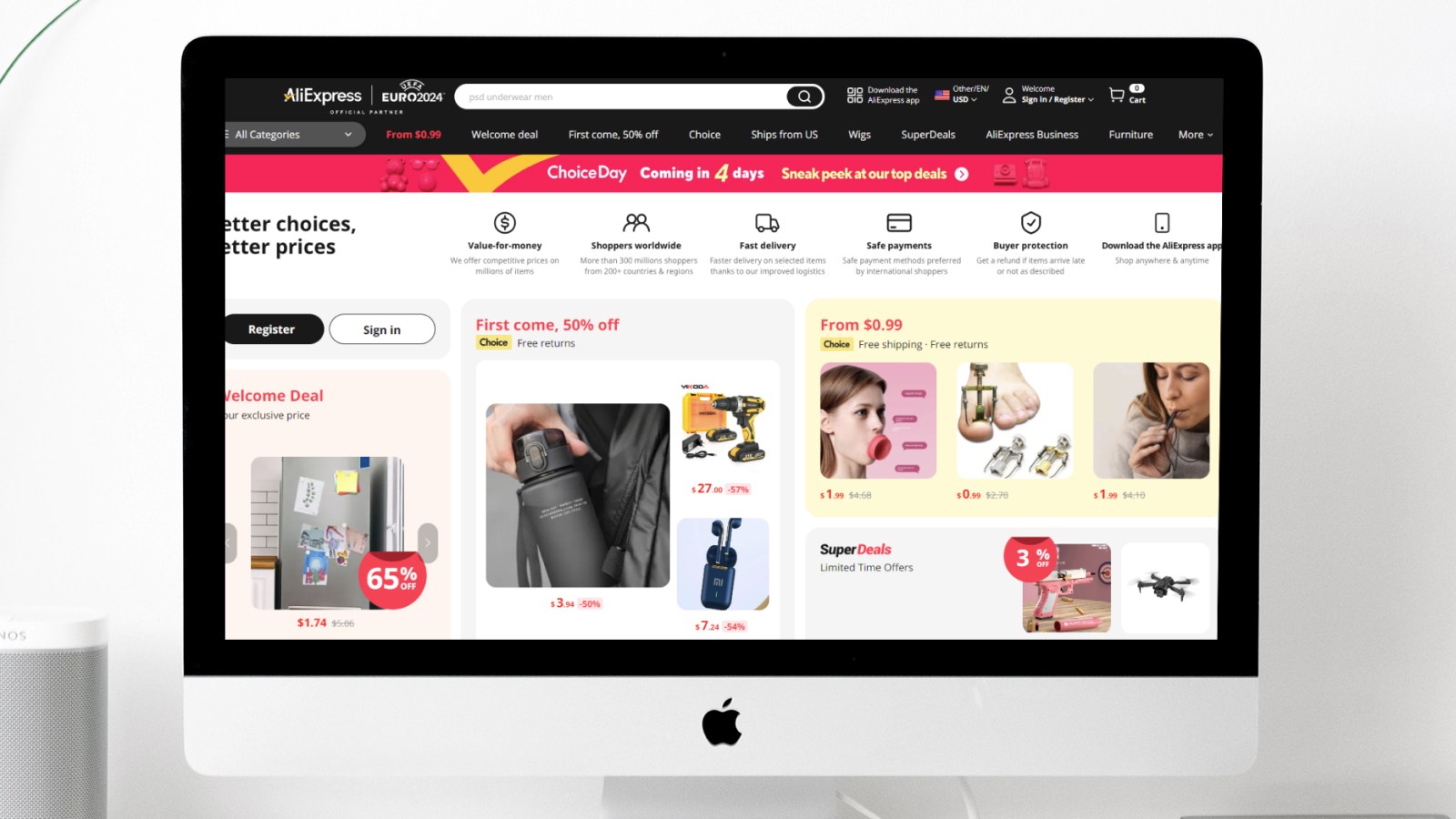
Pros:
- No Minimum Order Requirements: AliExpress allows buyers to purchase products without minimum order requirements, making it accessible for small orders.
- User-Friendly Interface: The platform is easy to navigate, with a straightforward purchasing process similar to consumer e-commerce sites.
- Buyer Protection: AliExpress provides robust buyer protection policies, ensuring secure transactions and satisfactory resolutions for disputes.
Cons:
- Retail Focus: While useful for small orders, AliExpress is more retail-focused and may not offer the same level of wholesale pricing as other B2B platforms.
- Long Shipping Times: Similar to other platforms with Chinese suppliers, shipping times can be extended, particularly for standard shipping options.
Key Considerations:
AliExpress is a great option for small businesses and individuals looking for a user-friendly platform with no minimum order requirements. However, it is more suited to smaller orders and retail purchases.
14. ThomasNet
ThomasNet is a well-established platform connecting buyers with North American suppliers, particularly in the industrial and manufacturing sectors. It is known for its comprehensive directory and detailed supplier information.
Pros:
- North American Focus: ThomasNet specializes in connecting buyers with suppliers in North America, making it ideal for businesses seeking local sourcing options.
- Detailed Supplier Profiles: The platform provides extensive information about suppliers, including capabilities, certifications, and product offerings.
- Industry Specialization: ThomasNet caters to a wide range of industries, particularly manufacturing and industrial sectors, offering specialized products and services.
Cons:
- Higher Costs: Products sourced through ThomasNet may come at a higher price point compared to platforms with suppliers from low-cost regions.
- Limited International Suppliers: The platform is primarily focused on North American suppliers, which may limit options for businesses seeking global sourcing solutions.
Key Considerations: ThomasNet is an excellent choice for businesses looking to source products from North American suppliers, particularly in the industrial and manufacturing sectors. However, buyers should be prepared for potentially higher costs and a focus on local suppliers.
15. IndiaMART
IndiaMART is one of the largest online B2B marketplaces in India, connecting buyers with Indian suppliers across a wide range of industries. It offers a robust platform for sourcing products and services from Indian manufacturers.
Pros:
- Extensive Supplier Network: IndiaMART features a vast network of suppliers across various industries, providing a wide range of products and services.
- Competitive Pricing: The platform often offers competitive pricing, making it an attractive option for cost-effective sourcing.
- Local Focus: IndiaMART is ideal for businesses looking to source products from India, with a strong focus on local suppliers.
Cons:
- Quality Assurance: The quality of products can vary, requiring buyers to conduct thorough due diligence and quality checks.
- Communication Challenges: Language and communication barriers can occasionally arise, necessitating clear and effective communication with suppliers.
Key Considerations: IndiaMART is a valuable platform for businesses seeking to source products from India, offering competitive pricing and a wide range of suppliers. Buyers should be diligent in vetting suppliers and managing potential communication challenges.### 7. TradeIndia TradeIndia is a leading B2B marketplace in India that connects buyers and suppliers across various industries. It offers a comprehensive platform for sourcing products and services from Indian manufacturers and exporters.
Pros:
- Diverse Product Range: TradeIndia features a wide array of products, from industrial machinery to consumer goods, catering to different business needs.
- Localized Focus: The platform is particularly strong in connecting buyers with Indian suppliers, making it an excellent choice for businesses looking to source from India.
- Verified Suppliers: TradeIndia offers a verification process for suppliers, adding a layer of trust and reliability for buyers.
Cons:
- Quality Variability: As with many B2B platforms, the quality of products can vary, requiring thorough vetting of suppliers.
- Language and Communication Barriers: While many suppliers are proficient in English, communication issues can still arise, necessitating clear and precise communication.
Key Considerations: TradeIndia is ideal for businesses looking to source products from India, offering a diverse range of products and verified suppliers. Buyers should be prepared to conduct thorough due diligence to ensure product quality and manage potential communication challenges.
16. Kompass
Kompass is a global B2B directory that connects buyers with suppliers from various industries worldwide. It offers a robust platform for sourcing products and services from international suppliers.
Pros:
- Global Reach: Kompass provides access to suppliers from around the world, making it a valuable resource for businesses seeking international sourcing options.
- Detailed Supplier Information: The platform offers comprehensive profiles of suppliers, including certifications, business activities, and product offerings.
- Industry Specialization: Kompass caters to a wide range of industries, offering specialized products and services tailored to specific business needs.
Cons:
- Subscription Costs: Access to detailed supplier information and certain features on Kompass may require a subscription, which could be a consideration for budget-conscious businesses.
- Independent Vendor Management: Similar to other directories, Kompass requires businesses to manage vendor relationships and logistics independently.
Key Considerations: Kompass is an excellent platform for businesses looking to source products from a global network of suppliers. It provides detailed supplier information and industry specialization, but businesses should be prepared to manage vendor relationships and consider potential subscription costs.
Conclusion
In the ever-evolving landscape of global sourcing, businesses are presented with a multitude of alternatives to Global Sources, each offering unique value propositions and catering to specific industry needs. By carefully evaluating factors such as supplier networks, product categories, sourcing tools, pricing models, and specialized services, organizations can make informed decisions and select the platforms that best align with their strategic objectives and operational requirements.
Whether seeking cost-effective solutions, industry-specific expertise, sustainable sourcing practices, or streamlined workflows, the alternatives outlined in this article provide a diverse range of options to consider. Ultimately, the key to successful sourcing lies in understanding your organization's unique needs and leveraging the strengths of the platforms that can best meet those requirements.
As businesses navigate the complexities of global sourcing, embracing a diversified approach and exploring multiple platforms can enhance supply chain resilience, foster innovation, and unlock new opportunities for growth and competitive advantage.
FAQs
Who are Global Sources competitors?
Global Sources faces competition from a multitude of players in the business-to-business (B2B) sourcing and trade industry. These competitors can be categorized as follows:
1. Direct Competitors:
- Alibaba.com: The undisputed giant in the B2B e-commerce space, Alibaba.com offers a vast selection of products, suppliers, and manufacturers, primarily from China. Its sheer scale and comprehensive services make it a formidable competitor.
- Made-in-China.com: As the name suggests, Made-in-China.com focuses specifically on connecting buyers with Chinese suppliers. It's known for its strong emphasis on quality control and verification services.
- DHgate.com: Catering to small and medium-sized businesses, DHgate.com specializes in smaller wholesale orders and offers a wide range of products at competitive prices.
2. Niche Players:
- Industry-Specific Platforms: Numerous online marketplaces cater to specific industries, such as textiles, electronics, or machinery. These platforms often offer specialized services and expertise tailored to the unique needs of their respective industries.
- Regional Sourcing Platforms: Some platforms focus on connecting buyers with suppliers from specific regions, such as Southeast Asia, India, or Latin America. These platforms leverage regional expertise and connections to facilitate trade.
3. Offline Competitors:
- Trade Shows: Traditional trade shows remain relevant, providing opportunities for face-to-face interactions, product demonstrations, and networking.
- Sourcing Agents: Independent sourcing agents offer personalized services, assisting buyers with supplier identification, price negotiation, quality control, and logistics.
4. Emerging Competitors:
- Direct-to-Consumer (D2C) Brands: Some brands are bypassing traditional sourcing channels and selling directly to consumers online, potentially impacting the demand for B2B sourcing platforms.
- Blockchain-Based Platforms: Emerging platforms leverage blockchain technology to enhance transparency, security, and efficiency in supply chain management.
Key Competitive Factors:
- Supplier Network and Product Selection: The breadth and quality of suppliers and products offered are crucial for attracting buyers.
- Pricing and Payment Options: Competitive pricing, flexible payment terms, and secure transaction processes are essential for attracting and retaining buyers.
- Value-Added Services: Platforms that offer additional services, such as supplier verification, quality control, logistics support, and trade financing, can differentiate themselves.
- User Experience and Technology: A user-friendly platform, advanced search functionality, and mobile optimization enhance the sourcing experience.
- Trust and Reputation: Building trust through supplier verification, buyer protection programs, and positive customer reviews is paramount in the B2B sourcing industry.
Global Sources faces intense competition in a rapidly evolving market. To remain competitive, it must continuously innovate, expand its supplier network, enhance its value-added services, and adapt to the changing needs of global buyers and suppliers.
Is Global Sources a Chinese company?
While Global Sources primarily facilitates trade with Chinese suppliers and manufacturers, it is not technically a Chinese company.
Here's a breakdown:
- Origins: Global Sources was founded in 1971 in Hong Kong, which was then a British Dependent Territory.
- Current Status: Today, Global Sources is a publicly listed company on the NASDAQ Stock Market in the United States, trading under the ticker symbol "GSOL."
- Headquarters: The company maintains its global headquarters in Hong Kong.
- Operations: While Global Sources has a strong presence in mainland China, with offices and staff facilitating supplier relationships, its operations extend globally. They connect buyers and suppliers from various countries.
Why the Perception of Being a "Chinese Company" Exists:
- Focus on Chinese Suppliers: Global Sources has a long history of connecting global buyers with Chinese manufacturers. This focus on China-based sourcing has led many to perceive it as a Chinese company.
- Chinese Language Website: Global Sources operates a dedicated Chinese-language website (globalsources.cn), catering specifically to Chinese suppliers and domestic buyers.
Important Distinction:
While Global Sources is not a Chinese-owned company, its business model heavily relies on facilitating trade with Chinese businesses. This focus on the Chinese market has been instrumental in its growth and success.
In Conclusion:
Global Sources, despite its strong ties to China, operates as a multinational company with global reach and a U.S. stock listing. Its origins in Hong Kong and current corporate structure distinguish it from being solely categorized as a Chinese company.
What is the best alternative to Alibaba?
While Alibaba is undeniably a dominant force in the B2B e-commerce landscape, several compelling alternatives cater to specific sourcing needs and preferences. The "best" alternative depends on your individual requirements, but here are some top contenders:
1. Global Sources:
- Focus on Quality and Verified Suppliers: Global Sources emphasizes quality control and supplier verification, offering greater assurance to buyers concerned about product authenticity and supplier reliability.
- Industry Expertise: They have a strong track record in specific industries like electronics, consumer goods, and home products, providing specialized sourcing support.
- Trade Shows and Events: Global Sources complements its online platform with renowned trade shows, facilitating face-to-face interactions and product demonstrations.
2. Made-in-China.com:
- China-Specific Sourcing: Ideal for buyers specifically seeking Chinese manufacturers and suppliers.
- Strong Verification Processes: Made-in-China.com invests heavily in supplier verification and auditing, ensuring a higher level of trust and transparency.
- Industry Focus: They have a particular focus on industrial and manufacturing sectors, catering to buyers in those industries.
3. DHgate.com:
- Smaller Order Quantities: DHgate specializes in smaller wholesale orders, making it suitable for small businesses and individual buyers.
- Competitive Pricing: Known for its competitive pricing and wide range of products across various categories.
- Buyer Protection Programs: Offers buyer protection programs to mitigate risks associated with online transactions.
4. Industry-Specific Platforms:
- Textile and Apparel: Platforms like Fibre2Fashion and Global Textile offer specialized sourcing solutions for the textile and apparel industry.
- Electronics: Platforms like DigiKey and Mouser Electronics cater to the electronics components and sourcing needs.
- Machinery: Platforms like Machinio and DirectIndustry connect buyers with machinery manufacturers and suppliers globally.
5. Regional Sourcing Platforms:
- IndiaMart: A leading B2B platform connecting buyers with Indian suppliers and manufacturers.
- TradeKey: Offers a global reach with a strong focus on emerging markets like Southeast Asia and the Middle East.
- Panjiva: Provides supply chain data and insights, helping buyers identify and connect with potential suppliers globally.
Choosing the Right Alternative:
- Sourcing Needs: Define your specific product requirements, order volumes, and target markets.
- Budget and Pricing: Compare pricing structures, minimum order quantities, and payment terms.
- Supplier Verification and Trust: Prioritize platforms with robust supplier verification processes and buyer protection programs.
- Industry Specialization: Consider platforms that specialize in your industry for tailored sourcing support.
- Geographic Focus: Choose platforms that align with your target sourcing regions.
By carefully evaluating your needs and exploring these alternatives, you can find the best B2B sourcing platform to streamline your procurement process and connect with reliable suppliers worldwide.
Is Global Sources safe?
Safety and security are paramount concerns when engaging in online business transactions, especially on B2B sourcing platforms. Global Sources has implemented various measures to mitigate risks and enhance trust among its users. However, like any online platform, inherent risks exist, and due diligence is crucial.
Here's an assessment of Global Sources' safety measures and potential risks:
Factors Contributing to Safety:
- Supplier Verification Program: Global Sources employs a multi-step verification process for suppliers, including business registration checks, on-site visits, and product quality assessments. This helps weed out fraudulent or unreliable suppliers.
- Verified Supplier Badges: Suppliers who have undergone and passed the verification process are awarded badges displayed prominently on their profiles, providing buyers with an added layer of assurance.
- Payment Protection: Global Sources offers a secure payment system that holds funds in escrow until buyers confirm receipt and acceptance of goods. This protects buyers from payment fraud and ensures timely delivery.
- Buyer Protection Programs: They have programs in place to address disputes, mediate conflicts, and provide refunds or replacements in case of product discrepancies or non-delivery.
- Established Reputation: Global Sources has been operating for over five decades, building a reputation for reliability and trustworthiness within the industry.
Potential Risks to Consider:
- Verification Limitations: While verification processes enhance trust, they don't completely eliminate the risk of encountering fraudulent suppliers.
- Product Quality Control: Global Sources primarily acts as a platform connecting buyers and suppliers. The ultimate responsibility for product quality rests with the supplier.
- Communication Barriers: Language and cultural differences can sometimes lead to miscommunication or misunderstandings between buyers and suppliers.
- Logistics and Shipping: International shipping can be complex, with potential delays, damage, or customs issues.
- Scams and Fraudulent Activities: As with any online platform, there's always a risk of encountering scams or fraudulent activities.
Tips for Safe Sourcing on Global Sources:
- Thoroughly Vet Suppliers: Don't solely rely on verification badges. Conduct independent research, check supplier reviews, and request references.
- Start with Small Orders: Begin with smaller trial orders to assess supplier reliability and product quality before committing to larger purchases.
- Use Secure Payment Methods: Opt for Global Sources' secure payment system or reputable escrow services to protect your funds.
- Communicate Clearly: Establish clear communication channels with suppliers, outlining product specifications, payment terms, and delivery expectations.
- Review Contracts Carefully: Before finalizing any transactions, carefully review contracts, ensuring all terms and conditions are mutually agreed upon.
- Report Suspicious Activity: If you encounter any suspicious activity or potential scams, report them to Global Sources immediately.
In Conclusion:
Global Sources has implemented measures to enhance safety and mitigate risks, making it a generally safe platform for B2B sourcing. However, inherent risks exist, and buyers must exercise caution, conduct due diligence, and follow safe sourcing practices to minimize potential issues.
What is the best sourcing website in China?
Crowning a single "best" sourcing website in China is challenging, as the ideal platform depends heavily on your specific sourcing needs, product categories, order volumes, and risk tolerance. However, we can highlight some of the top contenders based on their strengths and target audiences:
1. For Large-Scale Buyers and Comprehensive Sourcing:
- Alibaba.com: Remains the undisputed giant, offering an unparalleled selection of products, suppliers, and manufacturers across virtually every industry. Its scale, established infrastructure, and comprehensive services make it a go-to for large buyers with diverse sourcing needs.
2. For Quality-Focused Buyers and Verified Suppliers:
- Global Sources: Excels in supplier verification and quality control, providing buyers with greater assurance and peace of mind. Their focus on specific industries like electronics and consumer goods, along with their renowned trade shows, makes them a strong choice for quality-conscious buyers.
3. For China-Specific Sourcing and Industrial Products:
- Made-in-China.com: Caters specifically to buyers seeking Chinese manufacturers, with a strong emphasis on industrial and manufacturing sectors. Their rigorous supplier verification processes and industry focus make them a reliable option for sourcing within China.
4. For Small Businesses and Smaller Orders:
- DHgate.com: Specializes in smaller wholesale orders, making it suitable for small businesses, online retailers, and individual buyers. Their competitive pricing, wide product range, and buyer protection programs cater to this segment.
5. For Niche Products and Industry Specialization:
- Industry-Specific Platforms: Numerous platforms cater to specific industries, offering tailored sourcing solutions, specialized expertise, and targeted supplier networks. Examples include Fibre2Fashion (textiles), DigiKey (electronics), and Machinio (machinery).
Beyond the Big Players:
- Emerging Platforms: Keep an eye on emerging B2B platforms leveraging technologies like blockchain to enhance transparency, security, and efficiency in sourcing and supply chain management.
- Social Media and Online Communities: Platforms like WeChat and industry-specific forums can provide valuable insights, supplier recommendations, and networking opportunities.
Factors to Consider When Choosing:
- Product Focus: Does the platform specialize in your desired product categories?
- Supplier Verification: How rigorous are the platform's supplier verification processes?
- Pricing and Minimum Orders: Do their pricing structures and minimum order quantities align with your budget and order volumes?
- Payment Security and Buyer Protection: What measures are in place to protect your payments and ensure secure transactions?
- Communication and Support: Does the platform offer reliable customer support and communication channels?
In Conclusion:
The "best" sourcing website in China is subjective and depends on your unique requirements. By carefully considering your priorities, researching different platforms, and comparing their strengths and weaknesses, you can identify the ideal platform to streamline your sourcing process and connect with reliable suppliers in China.
What makes Global Sources unique compared to other B2B platforms?
Global Sources stands out in the B2B marketplace landscape due to several distinctive features that set it apart from other platforms. Firstly, its long-standing history and deep-rooted presence in the Asian market, particularly in China, give it a unique advantage. Established in 1970, Global Sources has decades of experience in facilitating trade between buyers and suppliers, which has allowed it to build a robust network and a reputation for reliability.
One of the key differentiators of Global Sources is its focus on verified suppliers. The platform places a strong emphasis on ensuring that the suppliers listed on its site are credible and trustworthy. This is achieved through rigorous verification processes, including on-site factory checks and thorough background checks. This commitment to supplier verification helps mitigate the risks associated with sourcing from unfamiliar suppliers, providing buyers with greater confidence in their transactions.
Global Sources also offers a comprehensive suite of services that go beyond mere listing and matching of buyers and suppliers. For instance, it organizes large-scale trade shows, such as the Global Sources Exhibitions held in Hong Kong, which attract thousands of exhibitors and buyers from around the world. These events provide invaluable opportunities for face-to-face interactions, product demonstrations, and networking, which can significantly enhance business relationships and facilitate more informed purchasing decisions.
Another unique aspect of Global Sources is its extensive industry-specific focus. The platform is particularly strong in sectors such as electronics, fashion, and home products, offering specialized sourcing solutions tailored to the needs of these industries. This sector-specific approach enables Global Sources to provide more relevant and targeted information, helping buyers find the exact products and suppliers they need more efficiently.
Moreover, Global Sources invests heavily in content creation and educational resources. The platform offers a wealth of market intelligence, including industry reports, sourcing tips, and trend analyses, which can help buyers make more informed decisions. This commitment to education and information dissemination differentiates Global Sources from many other B2B platforms that may not offer the same depth of market insights.
In addition, Global Sources leverages advanced technology to enhance the user experience. The platform features sophisticated search and filtering tools, making it easier for buyers to navigate through the vast array of products and suppliers. It also employs AI-driven recommendations and data analytics to provide personalized sourcing suggestions, thereby improving the efficiency and effectiveness of the sourcing process.
Lastly, Global Sources has a strong emphasis on fostering trust and transparency in its marketplace. It provides detailed supplier profiles, including company certifications, production capabilities, and quality control processes, which help buyers assess the suitability and reliability of potential partners. This transparency is crucial in building trust and facilitating successful long-term business relationships.
In summary, Global Sources’ unique strengths lie in its verified supplier network, industry-specific focus, comprehensive trade services, educational resources, advanced technology, and commitment to transparency. These factors collectively make it a standout player in the B2B marketplace arena, offering a reliable and efficient platform for global sourcing.
How do I decide which B2B marketplace to use for my business?
Deciding which B2B marketplace to use for your business involves a strategic evaluation of several critical factors to ensure that the chosen platform aligns with your business goals, industry requirements, and operational capabilities. Here’s a comprehensive guide to help you make an informed decision:
- Understand Your Business Needs: Start by clearly defining your business needs and objectives. Are you looking to source specific products, expand your supplier base, or reach new markets? Knowing your primary goals will help you narrow down the platforms that cater to your specific requirements. For instance, if you are in the electronics industry, platforms like Global Sources, which specialize in electronics, might be more beneficial.
- Industry Focus: Different B2B marketplaces have varying strengths in different industries. Research platforms that have a strong presence in your industry. For example, if you are in the fashion industry, platforms like Alibaba or Global Sources, which have extensive listings in apparel and accessories, might be more suitable. An industry-focused platform will provide more relevant suppliers, products, and industry-specific insights.
- Supplier Verification and Credibility: Ensure that the marketplace has robust verification processes for suppliers. Platforms that verify their suppliers through on-site checks, certifications, and audits can significantly reduce the risk of fraud and ensure higher quality standards. This is crucial for building trust and ensuring successful transactions.
- User Experience and Interface: Evaluate the user interface and overall experience of the platform. A user-friendly interface with advanced search and filtering options can save you time and make the sourcing process more efficient. Look for features such as detailed supplier profiles, product catalogs, and communication tools that facilitate easy interaction with suppliers.
- Market Reach and Network: Consider the geographical reach and network of the marketplace. A platform with a broad international presence can help you access suppliers from different regions, providing more options and potentially better pricing. Additionally, platforms that host trade shows and events can offer valuable opportunities for face-to-face meetings and networking.
- Cost and Fees: Analyze the cost structure of the marketplace. Some platforms charge membership fees, listing fees, or transaction fees. Ensure that the costs align with your budget and that you understand what you are paying for. Sometimes paying a premium for a platform with verified suppliers and additional services can be worth the investment.
- Additional Services and Support: Look for marketplaces that offer additional services such as logistics support, quality control, and escrow services. These services can add significant value by simplifying the sourcing process and ensuring that products meet your standards. Customer support is also crucial; a platform with responsive and helpful customer service can assist you in resolving any issues that arise.
- Reputation and Reviews: Research the reputation of the marketplace by reading reviews and testimonials from other businesses. Platforms with positive feedback and a strong track record of successful transactions are likely to be more reliable. You can also join industry forums and networks to get recommendations and insights from peers.
- Scalability and Growth Potential: Consider whether the platform can support your business as it grows. A scalable platform with a wide range of suppliers and products can accommodate your needs as your business expands. Additionally, look for platforms that continuously innovate and update their offerings to stay relevant in the market.
- Trial and Evaluation: If possible, start with a trial period or a smaller commitment to evaluate the platform’s performance. This allows you to test the features, interact with suppliers, and assess the overall value before making a long-term commitment.
By carefully considering these factors, you can choose a B2B marketplace that not only meets your immediate needs but also supports your long-term business growth and success.
Can I use multiple B2B platforms simultaneously?
Yes, using multiple B2B platforms simultaneously can be a strategic advantage for your business. Here are several reasons and considerations for leveraging multiple platforms:
- Broader Reach and Diversification: By using multiple B2B platforms, you can access a wider range of suppliers and products. Different platforms may have unique suppliers and listings, allowing you to diversify your sourcing options. This can be particularly beneficial if you are looking for niche products or specialized suppliers that may not be available on a single platform.
- Risk Mitigation: Relying on a single platform can be risky if that platform experiences issues such as technical problems, changes in policies, or a decline in supplier quality. By spreading your sourcing activities across multiple platforms, you can mitigate these risks and ensure a more stable supply chain.
- Competitive Pricing: Using multiple platforms allows you to compare prices and negotiate better deals. Different suppliers may offer varying prices for the same products, and having access to multiple options can give you leverage in price negotiations. This can lead to cost savings and improved profit margins for your business.
- Access to Diverse Markets: Different B2B platforms may have strengths in different geographical regions. For example, Alibaba has a strong presence in China, while ThomasNet is more focused on North American manufacturers. By using multiple platforms, you can tap into diverse markets and find suppliers that best meet your needs in different regions.
- Specialized Services and Features: Each B2B platform may offer unique features and services that can benefit your business. For instance, some platforms provide extensive market intelligence and industry reports, while others offer robust logistics and quality control services. By using multiple platforms, you can take advantage of the specialized services each one offers.
- Flexibility and Scalability: As your business grows, your sourcing needs may evolve. Using multiple platforms provides the flexibility to scale your operations and adapt to changing requirements. You can explore new platforms as needed and discontinue those that no longer serve your purposes effectively.
- Networking Opportunities: Engaging with multiple platforms can expand your professional network. Each platform may have its own community of buyers and suppliers, trade shows, and networking events. These opportunities can help you build valuable relationships and stay informed about industry trends and innovations.
However, there are also some challenges and considerations to keep in mind when using multiple B2B platforms:
- Management Complexity: Managing multiple platforms can be complex and time-consuming. You will need to keep track of different accounts, communications, and transactions. Implementing a robust system for managing these activities is essential to avoid confusion and ensure efficiency.
- Consistency in Standards: Ensuring consistency in quality and standards across different suppliers can be challenging. Establishing clear criteria for supplier evaluation and maintaining rigorous quality control processes is crucial to maintaining product standards.
- Cost Implications: Some B2B platforms charge membership or transaction fees. Using multiple platforms may increase your overall costs. It is important to evaluate the cost-benefit ratio and ensure that the additional expensesare justified by the benefits you gain from using multiple platforms.
- Data Integration: Integrating data from multiple platforms can be challenging, especially if you are tracking orders, inventory, and supplier information across different systems. Investing in a good enterprise resource planning (ERP) system or other integration tools can help streamline data management and ensure that you have a comprehensive view of your sourcing activities.
- Vendor Relationships: Building strong relationships with suppliers can be more difficult when you are spread across multiple platforms. It is important to maintain good communication and establish trust with key suppliers regardless of the platform you use. Consistent and transparent communication can help strengthen these relationships and ensure smoother transactions.
- Compliance and Legal Considerations: Different platforms may have varying terms of service, compliance requirements, and legal considerations. Ensure that you are familiar with and adhere to the rules and regulations of each platform to avoid potential legal issues.
What are the key factors to consider when choosing a B2B marketplace?
Choosing the right B2B marketplace is crucial for the success of your business. Here are the key factors to consider:
- Industry Focus: Select a marketplace that specializes in your industry. Industry-specific platforms often provide more relevant suppliers, products, and market insights, making it easier to find what you need.
- Supplier Verification and Credibility: Ensure the platform has stringent supplier verification processes. Verified suppliers reduce the risk of fraud and ensure higher quality standards. Look for platforms that conduct on-site inspections, background checks, and certifications.
- User Experience and Interface: A user-friendly interface with advanced search and filtering options can save time and enhance the sourcing process. Detailed supplier profiles, product catalogs, and easy communication tools are essential features.
- Geographical Reach and Network: Consider the platform’s market reach. A platform with a broad international presence can offer access to suppliers from various regions, providing more options and potentially better pricing.
- Cost and Fees: Analyze the cost structure, including membership fees, listing fees, and transaction fees. Ensure the costs align with your budget and that you understand what you are paying for.
- Additional Services and Support: Platforms offering additional services like logistics support, quality control, and escrow services can add significant value. Responsive customer support is also crucial for resolving any issues that arise.
- Reputation and Reviews: Research the platform’s reputation through reviews and testimonials from other businesses. Positive feedback and a strong track record of successful transactions indicate a reliable platform.
- Scalability and Growth Potential: Ensure the platform can support your business as it grows. A scalable platform with a wide range of suppliers and products can accommodate your evolving needs.
- Security and Privacy: The platform should have robust security measures to protect your data and transactions. Ensure it complies with relevant data protection regulations.
- Integration Capabilities: Consider whether the platform can integrate with your existing systems, such as ERP or CRM software. This can streamline operations and improve efficiency.
How does Global Sources ensure the credibility of its suppliers?
Global Sources employs several rigorous measures to ensure the credibility of its suppliers, providing buyers with confidence in their sourcing decisions. Here are the key methods:
- Supplier Verification: Global Sources conducts thorough verification processes for its suppliers. This includes on-site factory inspections, background checks, and verification of business licenses and certifications. These steps help ensure that suppliers are legitimate and capable of meeting buyer requirements.
- Audits and Certifications: Suppliers on Global Sources are often required to undergo third-party audits and obtain relevant certifications. These audits assess various aspects of the supplier’s operations, including quality control processes, production capabilities, and compliance with international standards. Certifications such as ISO, CE, and others provide additional assurance of the supplier’s credibility.
- Detailed Supplier Profiles: The platform provides comprehensive supplier profiles that include information about the company’s history, production capacity, quality control measures, and key clients. These profiles help buyers make informed decisions by offering transparency into the supplier’s operations and capabilities.
- Buyer Feedback and Ratings: Global Sources features a feedback and rating system where buyers can leave reviews and ratings based on their experiences with suppliers. This feedback is publicly available, allowing other buyers to gauge the reliability and performance of suppliers based on real-world interactions.
- Trade Shows and Exhibitions: Global Sources organizes large-scale trade shows and exhibitions, such as the Global Sources Exhibitions in Hong Kong. These events provide opportunities for buyers to meet suppliers in person, inspect products firsthand, and establish direct relationships. Face-to-face interactions at these events can significantly enhance trust and credibility.
- Market Intelligence and Reports: The platform offers extensive market intelligence, including industry reports, sourcing tips, and trend analyses. This information helps buyers stay informed about market conditions and make educated decisions when selecting suppliers.
- Supplier Development Programs: Global Sources invests in supplier development programs aimed at improving the capabilities and standards of its suppliers. These programs may include training in quality management, production efficiency, and compliance with international standards, ensuring that suppliers continuously improve their operations.
- Escrow Services and Trade Assurance: To further protect buyers, Global Sources offers escrow services and trade assurance programs. These services hold payments in trust until the buyer confirms receipt and satisfaction with the goods, reducing the risk of non-delivery or substandard products.
- Regular Monitoring and Updates: Global Sources regularly monitors and updates supplier information to ensure ongoing compliance with its standards. This continuous oversight helps maintain the credibility and reliability of the suppliers listed on the platform.
- Dedicated Customer Support: The platform provides dedicated customer support to assist buyers with any issues or concerns related to suppliers. This support can help resolve disputes and ensure that buyers have a positive sourcing experience.
By implementing these measures, Global Sources ensures that its suppliers are credible, reliable, and capable of meeting the high standards expected by international buyers. This commitment to supplier verification and quality control helps build trust and fosters successful long-term business relationships.

