




The rise of e-commerce has transformed how businesses operate, providing entrepreneurs and small businesses with unprecedented access to a global audience. Whether you're an experienced seller or just starting, utilizing free online platforms can significantly boost your sales. Here are the top 10 free websites for selling products to help you maximize your market reach without straining your budget. Note that when we say “free” here, we mean that you don’t have upfront costs simply to have an account. Almost all of these platforms have fees of some kind, whether listing fees, transaction fees, or selling fees.
 Are you familiar with the methods sellers on platforms like Amazon, Temu, Wish, eBay, Shein, and Walmart use to find suppliers for the goods sold on their B2C platforms?
When it comes to major purchases, sellers tend to establish long-term strategic partnerships with manufacturers while also exploring trusted wholesalers face-to-face at trade shows. Additionally, in the digital age, finding verified suppliers through online third-party B2B platform channels has become a common and effective practice.
One notable B2B platform excelling in this regard is Global Sources. For over 50 years, Global Sources has stood as one of the world's largest facilitators of Business-to-Business (B2B) trade, garnering trust as a genuine and safe hands-on sourcing platform.
With a remarkable track record, it has served over 10 million registered buyers and users worldwide, boasting the participation of 97 of the world's top 100 retailers. Global Sources caters to online sellers across various platforms, including Amazon, Temu, Wish, eBay, Shein, Walmart, and Etsy. It offers a wide array of trusted suppliers from countries like China, Vietnam, South Korea, and India, ensuring diverse sourcing options.
Top 10 Free Websites for Selling Products
1. eBay
eBay is one of the most popular online marketplaces where users can buy and sell a wide variety of goods. It offers both auction-style listings and fixed-price listings, giving sellers flexibility in how they want to sell their products. With millions of active users, eBay provides a vast audience for your products. While it is free to set up and keep a seller account, eBay charges two main types of selling fees: an insertion fee when you create a listing, and a final value fee when your item sells.
Features:
- Auction and fixed-price listings
- Global reach
- Seller protection programs
- Mobile app for easy listing management
Best for:
- Collectibles
- Electronics
- Fashion items
2. Craigslist
Craigslist is a classified ads website that allows users to post listings for free. It is particularly popular for selling locally, making it an excellent option for bulky items that are difficult to ship.
Features:
- Free listings
- Local sales
- Easy-to-use interface
Best for:
- Furniture
- Vehicles
- Services
3. Facebook Marketplace
Facebook Marketplace is a convenient platform for selling products to people in your local area. It seamlessly integrates with your Facebook profile, making it easy to list items and communicate with potential buyers. The platform charges a 10% transaction fee on all items sold above $8. For items below $8, there is a flat fee of $0.80. Outside the United States, the fee structure varies: in Canada, 10% above C$8, C$0.80 below C$8; in the United Kingdom: 2% on all items, no fixed fee; in the European Union: 5% above €8, €0.40 below €8.
Features:
- Free listings
- Local reach
- Integration with Facebook profile
- Easy communication through Messenger
Best for:
- Household items
- Clothing
- Electronics
4. Etsy
Etsy is a marketplace specifically designed for handmade, vintage, and unique items. It is an excellent platform for artists, crafters, and vintage collectors to reach a global audience. Etsy charges a US$15–29 setup fee for some new shops, chosen at random. If a new shop is to be charged the $15–$29 fee, it is communicated to the seller during their shop set-up process. Etsy also charges listing and transaction fees.
Features:
- Specialized for handmade and vintage items
- Global reach
- Customizable shopfront
- Seller protection programs
Best for:
- Handmade crafts
- Vintage items
- Art supplies
5. Amazon
Amazon is one of the largest e-commerce platforms in the world. While there are fees associated with selling on Amazon, it offers a free individual seller account for those who sell fewer than 40 items per month, although Amazon charges per-item fees and referral fees even on the individual plan.
Features:
- Massive global audience
- Fulfillment by Amazon (FBA) option
- Secure payment processing
- Seller support
Best For:
- Books
- Electronics
- Household goods
6. Poshmark
Poshmark is a social commerce platform focused on fashion. It allows users to sell new and used clothing, shoes, and accessories. The platform's social features, such as sharing and following, help increase the visibility of your listings. Listings on Poshmark are free. After an item sells, there is a flat rate fee of $2.95 for sales under $15. For sales $15 and above, the fee is 20%.
Features:
- Fashion-focused marketplace
- Social selling features
- Easy listing process
- Secure payment system
Best for:
- Clothing
- Shoes
- Accessories
7. OfferUp
OfferUp is a mobile-focused marketplace that allows users to buy and sell items locally. It combines the ease of Craigslist with the social features of platforms like Facebook Marketplace. Available paid features include: nationwide shipping, item promotions, OfferUp Premium – an ad-free experience on the app plus exclusive member benefits – and additional listings beyond the standard amount per month.
Features:
- Mobile app for easy listing
- Local sales
- Secure payment options
- User ratings and reviews
Best for:
- Electronics
- Furniture
- Vehicles
8. Bonanza
Bonanza is an online marketplace similar to eBay but focusing on unique items. It allows users to create customizable storefronts and offers various tools to help sellers market their products. Bonanza does not charge fees per item listed. New sellers who activate a booth on Bonanza will be charged a non-refundable $14.99 account set-up fee. Bonanza charges a $0.25 transaction fee on all sales made from a Bonanza booth for sellers who do not have an active membership subscription. In addition to the transaction fee, sales made on Bonanza are subject to a Final Value Fee, based on the amount the buyer paid, plus any portion of the shipping fee that exceeds $10.
Features:
- Customizable storefronts
- Integration with other marketplaces
- Marketing tools
- Seller support
Best for:
- Unique items
- Collectibles
- Home décor
9. Mercari
Mercari is a popular app-based marketplace where users can sell a wide variety of items. It offers a simple listing process and handles payment processing, making it easy for sellers to get started. As of January 2025, a 10% selling fee applies to item price and buyer-paid shipping for new and updated listings.
Features:
- Easy listing process
- Secure payment system
- Mobile app
- User ratings and reviews
Best for:
- Clothing
- Electronics
- Toys
10. Global Sources
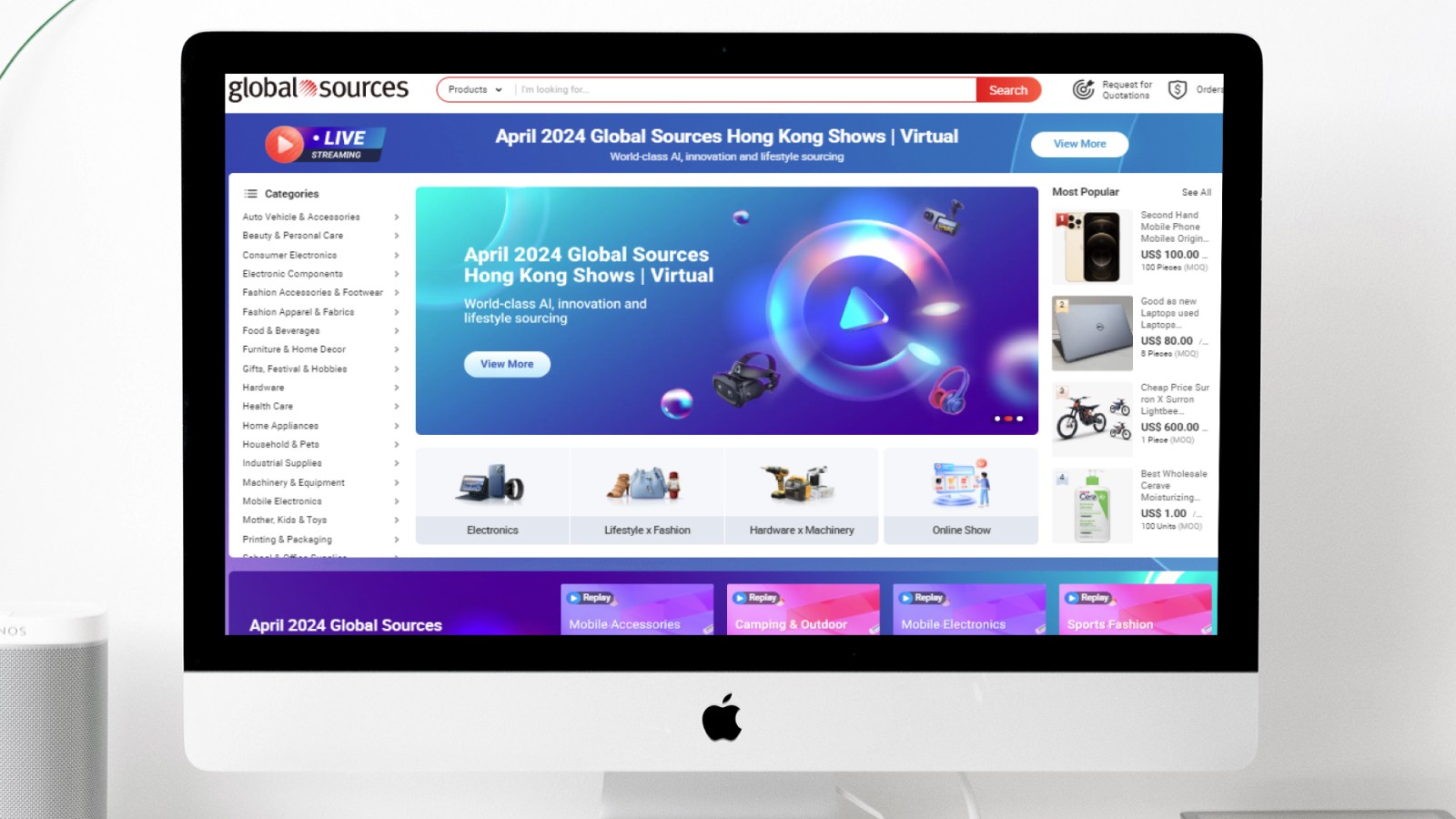
Global Sources is a B2B platform that connects buyers and suppliers from around the world. It offers a range of services to help businesses source products and find reliable suppliers. While primarily focused on wholesale, it also provides opportunities for sellers to reach a global audience.
Features:
- B2B marketplace
- Verified suppliers
- Trade shows and online events
- Product sourcing services
Best for:
- Wholesale products
- Electronics
- Manufacturing supplies
How to Maximize Your Sales on Free Platforms
Optimize Your Listings
To attract more buyers, ensure your product listings are clear, detailed, and optimized for search engines. Use high-quality images, write compelling descriptions, and include relevant keywords.
Leverage Social Media
Promote your listings on social media platforms to reach a wider audience. Share your products on Facebook, Instagram, and Twitter/X to drive traffic to your listings.
Offer Competitive Pricing
Research similar products and set competitive prices to attract buyers. Consider offering discounts or promotions to encourage sales.
Provide Excellent Customer Service
Respond promptly to inquiries, ship items quickly, and handle any issues professionally. Positive reviews and ratings can significantly impact your sales.
Utilize Multiple Platforms
Don't limit yourself to one platform. List your products on multiple free websites to increase your chances of making a sale.
High-Quality Product Photos
Capture clear, well-lit images that showcase your products in the best possible light.
Detailed Product Descriptions
Provide accurate and compelling descriptions that highlight key features and benefits.
Prompt Communication
Respond to inquiries promptly and professionally to build trust with potential customers.
Safe and Secure Transactions
Use secure payment methods and clearly outline shipping terms to avoid misunderstandings.
When to Consider Paid Options
While free websites offer an excellent starting point, upgrading to paid plans or exploring other e-commerce solutions may be beneficial as your business grows. Consider these factors:
- Sales Volume: If you're consistently selling a high volume of products, transaction fees on paid platforms may be offset by increased sales.
- Advanced Features: Paid platforms often offer advanced features like inventory management, marketing tools, and dedicated customer support.
- Brand Control: Creating your own online store provides greater control over your brand identity and customer experience.
Choosing the Right Platform for Your Needs
With so many free websites for selling products available, selecting the right one can be overwhelming. Consider these factors to narrow down your choices:
- Target Audience: Who are you trying to reach? Platforms like Facebook Marketplace and Craigslist are ideal for local selling, while niche forums or social media platforms cater to specific interests.
- Product Type: What are you selling? Some platforms are better suited for certain product categories. For example, GearTrade is ideal for musical instruments, while BicycleBlueBook focuses on bicycles and cycling gear.
- Sales Volume: How much do you plan to sell? If you anticipate high sales volume, consider platforms with low or no transaction fees.
- Technical Expertise: How comfortable are you with technology? Some platforms require more technical skills than others.
- Long-Term Goals: What are your long-term business aspirations? If you envision significant growth, investing in your website or e-commerce store may be a worthwhile pursuit.
Conclusion
Selling products online has never been easier, thanks to the numerous free platforms available. Whether you're selling locally or reaching a global audience, these websites offer a range of features to help you succeed. By optimizing your listings, leveraging social media, and providing excellent customer service, you can maximize your sales and grow your business.
For wholesale buyers and sellers, platforms like Global Sources offer additional opportunities to connect with reliable suppliers and source products efficiently. Explore these free websites and take advantage of the tools and resources they provide to boost your online sales.

