




Table of Contents
Understanding Sustainable Fabrics
Key Players in Sustainable Fabric Manufacturing
Global Sources: Your Partner in Sourcing Sustainable Fabrics
Types of Sustainable Fabric Manufacturers
Benefits of Choosing Sustainable Fabric Manufacturers
Sustainable Fabric Manufacturing Market Analysis
How to Choose the Right Sustainable Fabric Manufacturer
Cooperating with Sustainable Fabric Manufacturers
The Future of Sustainable Fabric Manufacturing
The fashion industry, long criticized for its environmental and social impact, is undergoing a significant transformation. Consumers are increasingly aware of the consequences of fast fashion and are demanding eco-conscious alternatives. This shift in consumer behavior is driving a surge in demand for sustainable fabrics, pushing manufacturers to adopt greener practices and embrace innovation.
This comprehensive guide delves into the world of sustainable fabric manufacturers, providing valuable insights for businesses looking to source responsibly and contribute to a more ethical and environmentally friendly fashion industry.
Understanding Sustainable Fabrics: More Than Just a Trend
What Defines Sustainability in the Textile Industry?
Sustainability in the textile industry encompasses a holistic approach that considers the entire lifecycle of a fabric, from raw material extraction to production, use, and end-of-life. It involves minimizing environmental impact, ensuring fair labor practices, and promoting social responsibility throughout the supply chain.
Key Environmental and Ethical Considerations
- Water Consumption: Traditional textile manufacturing is water-intensive. Sustainable practices focus on reducing water usage through innovative dyeing and finishing techniques.
- Chemical Usage: Harmful chemicals used in conventional textile production pollute waterways and harm ecosystems. Sustainable manufacturers prioritize non-toxic alternatives and closed-loop systems.
- Waste Reduction: Textile waste is a major environmental concern. Sustainable practices emphasize minimizing waste through efficient pattern cutting, upcycling, and recycling.
- Fair Labor Practices: Ethical sourcing ensures fair wages, safe working conditions, and respect for workers' rights throughout the supply chain.
- Transparency and Traceability: Sustainable manufacturers prioritize transparency by providing clear information about their supply chain, production processes, and certifications.
Popular Sustainable Fabric Choices: From Organic Cotton to Recycled Polyester
- Organic Cotton: Grown without harmful pesticides and fertilizers, organic cotton reduces water pollution and promotes soil health.
- Recycled Polyester: Made from post-consumer plastic bottles and textile waste, recycled polyester reduces reliance on virgin resources and diverts waste from landfills.
- Tencel™ (Lyocell): Derived from sustainably sourced wood pulp, Tencel™ is biodegradable and requires less water and energy to produce than conventional cotton.
- Hemp: A fast-growing, durable fiber that requires minimal water and pesticides, hemp offers a sustainable alternative to cotton.
- Linen: Made from flax, linen is a naturally strong and breathable fabric that is biodegradable and requires less water to grow than cotton.
Key Players in Sustainable Fabric Manufacturing
Global Leaders Pioneering Change
- Patagonia: Known for its commitment to environmental activism and social responsibility, Patagonia is a leader in sustainable fabric innovation and transparent supply chains.
- Eileen Fisher: This women's clothing brand is renowned for its use of organic cotton, recycled materials, and its commitment to fair labor practices.
- Stella McCartney: A pioneer in luxury sustainable fashion, Stella McCartney uses innovative materials like mushroom leather and recycled cashmere.
Niche Players and Innovative Startups
- Bolt Threads: This company creates innovative bio-based materials like Mylo™, a leather alternative made from mushrooms.
- Ecovative Design: Using mycelium, the root structure of mushrooms, Ecovative Design creates sustainable packaging and materials for various industries, including fashion.
- Orange Fiber: This Italian company creates a sustainable silk alternative from citrus byproducts.
Global Sources: Your Partner in Sourcing Sustainable Fabrics
Why Choose Global Sources?
Global Sources is a leading B2B sourcing platform connecting buyers worldwide with verified sustainable fabric manufacturers. With a focus on quality, ethical sourcing, and transparency, Global Sources simplifies the sourcing process and ensures a seamless experience.
Verified Manufacturers: Ensuring Quality and Ethical Practices
Global Sources rigorously vets its manufacturers, verifying their credentials, certifications, and commitment to sustainable practices. This ensures that buyers can confidently source high-quality fabrics from ethical and responsible suppliers.
Types of Sustainable Fabric Manufacturers
Integrated Mills: From Fiber to Fabric
Integrated mills handle the entire textile production process, from spinning fibers to weaving or knitting fabrics. They offer greater control over the supply chain and can ensure the sustainability of each stage.
Converters and Finishers: Adding Value and Functionality
Converters and finishers specialize in dyeing, printing, and applying finishes to fabrics. They play a crucial role in enhancing the aesthetics and performance of sustainable fabrics.
Specialized Manufacturers: Catering to Unique Needs
Specialized manufacturers focus on specific types of sustainable fabrics, such as recycled materials, organic cotton, or innovative bio-based alternatives. They offer expertise and tailored solutions for niche markets.

Fabric Manufacturer Supply, Fire Retardant 100% Cotton Fabric for Cloth
China manufacturer 100% polyester interlock bonded polar fleece clothing fabric
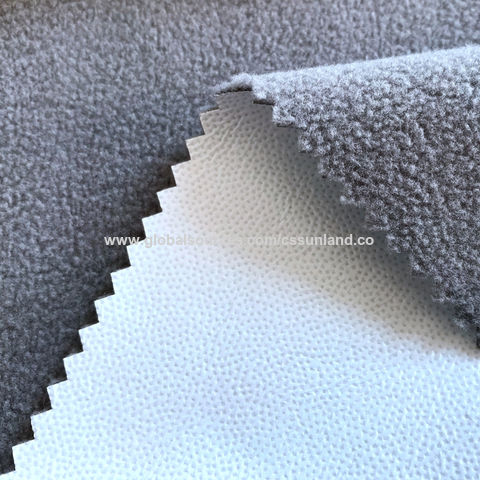

26%Acrylic 18%Rayon 47%Polyester 10%Spandex Thermal Fleece Rayon Good Warmth Fabric Soft Fabric
Benefits of Choosing Sustainable Fabric Manufacturers
Environmental Stewardship: Reducing Your Footprint
By choosing sustainable fabrics, businesses contribute to reducing water consumption, chemical pollution, and textile waste, minimizing their environmental impact.
Ethical Sourcing: Promoting Fair Labor and Social Responsibility
Sourcing from ethical manufacturers ensures fair wages, safe working conditions, and respect for workers' rights throughout the supply chain.
Enhanced Brand Image and Customer Loyalty
Consumers are increasingly drawn to brands that prioritize sustainability. Choosing sustainable fabrics enhances brand image, builds trust, and fosters customer loyalty.
Meeting Regulatory Requirements and Industry Standards
As sustainability regulations become more stringent, sourcing from compliant manufacturers ensures businesses meet industry standards and avoid potential penalties.
Sustainable Fabric Manufacturing Market Analysis
Global Market Size and Growth Projections
The global sustainable fabric market is experiencing significant growth, driven by increasing consumer demand and government regulations. Provide specific market size and growth projections based on reputable sources.
Key Trends Shaping the Industry
- Increased Transparency and Traceability: Consumers are demanding greater transparency in the supply chain, pushing manufacturers to provide detailed information about their practices.
- Circular Economy Models: The industry is shifting towards circular economy models that prioritize recycling, upcycling, and reducing waste.
- Innovation in Bio-Based Materials: Research and development of innovative bio-based materials, such as mushroom leatherand algae-based fabrics, are gaining momentum.
Challenges and Opportunities for Manufacturers
- Scaling Sustainable Production: Meeting the growing demand for sustainable fabrics while maintaining affordability remains a challenge.
- Ensuring Supply Chain Transparency: Tracing the origin of raw materials and verifying ethical practices throughout the supply chain can be complex.
- Educating Consumers: Raising consumer awareness about sustainable fabrics and their benefits is crucial for driving demand.
How to Choose the Right Sustainable Fabric Manufacturer
Defining Your Needs and Priorities
- Fabric Type: Determine the specific type of sustainable fabric that aligns with your product and brand values.
- Quantity and Quality: Consider your production volume and quality standards when evaluating manufacturers.
- Certifications: Identify relevant certifications that align with your sustainability goals, such as GOTS for organic cotton or OEKO-TEX® for chemical safety.
Evaluating Manufacturer Credentials and Certifications
- Third-Party Verification: Look for manufacturers with credible third-party certifications that validate their sustainability claims.
- Transparency and Traceability: Inquire about the manufacturer's supply chain transparency and traceability practices.
- Ethical Practices: Assess the manufacturer's commitment to fair labor practices and social responsibility.
Communication and Transparency: Key to a Successful Partnership
- Open Communication: Establish clear communication channels and expectations from the outset.
- Site Visits: Consider visiting the manufacturer's facility to assess their operations firsthand.
- Sample Requests: Request fabric samples to evaluate quality, texture, and suitability for your product.
Understanding Pricing and Minimum Order Quantities
- Pricing: Sustainable fabrics may have a higher upfront cost than conventional options. Consider the long-term benefits and potential cost savings in terms of reduced environmental impact and enhanced brand value.
- Minimum Order Quantities (MOQs): Inquire about MOQs and negotiate terms that align with your production needs.
Cooperating with Sustainable Fabric Manufacturers
Building Long-Term Relationships
- Mutual Trust and Respect: Establish a foundation of trust and mutual respect with your chosen manufacturer.
- Open Dialogue: Maintain open communication throughout the partnership to address any challenges or concerns.
- Collaboration and Innovation: Foster a collaborative relationship to explore new sustainable solutions and drive innovation.
Navigating Design and Production Processes
- Early Collaboration: Involve the manufacturer early in the design process to ensure feasibility and optimize sustainability.
- Technical Expertise: Leverage the manufacturer's technical expertise to develop innovative and sustainable fabric solutions.
- Production Planning: Collaborate on production planning to ensure timely delivery and efficient resource utilization.
Ensuring Quality Control and Compliance
- Quality Assurance: Establish clear quality standards and implement rigorous quality control measures throughout the production process.
- Compliance Audits: Conduct regular audits to ensure compliance with ethical and environmental standards.
- Continuous Improvement: Foster a culture of continuous improvement by seeking feedback and implementing corrective actions.
Tips for Effective Communication and Collaboration
- Clear and Concise Language: Use clear and concise language when communicating with your manufacturer.
- Visual Aids: Utilize visual aids, such as sketches, images, and technical drawings, to enhance understanding.
- Regular Check-Ins: Schedule regular check-in meetings or calls to discuss progress, address concerns, and maintain alignment.
The Future of Sustainable Fabric Manufacturing
Emerging Technologies and Innovations
- 3D Knitting and Weaving: These technologies reduce waste and allow for greater design flexibility.
- Bio-Based Materials: Research and development of innovative bio-based materials, such as mushroom leather and algae-based fabrics, are advancing rapidly.
- Closed-Loop Recycling: Technologies that enable closed-loop recycling of textiles are gaining traction, reducing reliance on virgin resources.
The Role of Consumer Demand and Industry Collaboration
- Consumer Education: Continued consumer education about the importance of sustainable fabrics is crucial for driving demand.
- Industry Collaboration: Collaboration among brands, manufacturers, and technology providers is essential for accelerating the adoption of sustainable practices.
- Government Regulations: Supportive government policies and regulations can incentivize sustainable manufacturing and level the playing field.
Towards a Truly Circular Textile Economy
The ultimate goal is to transition to a circular textile economy where resources are used and reused efficiently, waste is minimized, and environmental impact is significantly reduced.
Conclusion: Making Conscious Choices for a Sustainable Future
Choosing sustainable fabric manufacturers is not just a trend but a responsibility. By embracing sustainable practices, businesses can minimize their environmental footprint, promote ethical sourcing, and contribute to a more equitable and sustainable fashion industry. Global Sources provides a trusted platform for connecting with verified sustainable fabric manufacturers, empowering businesses to make conscious choices that benefit both their bottom line and the planet.
FAQs
1. What makes a fabric manufacturer truly sustainable?
A truly sustainable fabric manufacturer goes beyond just the materials they use. Look for these key factors:
- Eco-friendly Materials: They prioritize organic, recycled, or regenerated fibers like organic cotton, recycled polyester, Tencel, hemp, or linen.
- Ethical Production: They ensure fair wages, safe working conditions, and no child labor throughout their supply chain.
- Water and Energy Efficiency: They implement practices to minimize water usage and energy consumption during production.
- Waste Reduction: They strive for zero-waste practices, like using scraps to create new materials or minimizing packaging.
- Transparency and Certifications: They openly share their certifications (GOTS, OEKO-TEX, Fair Trade) and information about their supply chain.
2. Where can I find reputable sustainable fabric manufacturers?
Finding the right manufacturer requires research. Start with these resources:
- Online Directories: Explore platforms like Common Objective, The Sustainable Fashion Sourcebook, and Textile Exchange.
- Industry Events: Attend trade shows and conferences focused on sustainable textiles.
- Certifications: Look for manufacturers certified by organizations like GOTS, OEKO-TEX, and Fair Trade.
- Direct Contact: Don't hesitate to reach out to brands you admire and inquire about their fabric sources.
3. Is sustainable fabric more expensive?
Sustainable fabrics can sometimes be more expensive upfront due to factors like:
- Eco-friendly Materials: Organic cotton, for example, often costs more to grow than conventional cotton.
- Ethical Production: Ensuring fair wages and safe working conditions adds to production costs.
However, sustainable fabrics often prove more cost-effective in the long run due to:
- Higher Quality: Durable and long-lasting, reducing the need for frequent replacements.
- Reduced Environmental Impact: Lowering the costs associated with pollution and resource depletion.
4. What are the most common sustainable fabrics used by manufacturers?
The range of sustainable fabrics is constantly expanding. Here are some popular choices:
- Organic Cotton: Grown without harmful pesticides and fertilizers.
- Recycled Polyester: Made from post-consumer plastic bottles, reducing plastic waste.
- Tencel (Lyocell): Derived from sustainably harvested wood pulp in a closed-loop process.
- Hemp: A fast-growing, durable fiber requiring minimal water and pesticides.
- Linen: Made from flax, a naturally pest-resistant plant requiring less water than cotton.
5. How can I be sure a manufacturer is truly sustainable and not "greenwashing"?
Greenwashing is a real concern. Look for these signs of genuine commitment:
- Third-Party Certifications: Verify certifications from reputable organizations.
- Transparency and Traceability: Can they trace their supply chain back to the source?
- Detailed Information: Do they provide specifics about their sustainable practices, not just vague claims?
- Continuous Improvement: Are they actively working to improve their sustainability efforts?
Also Read:
- Best Websites for Manufacturers 2025
- What Is MSRP?
- Find Indian Manufacturers 2025
- Find a Manufacturer in China 2025
- Best Clothing Manufacturers in China 2025
- Manufacturers vs. Distributors
- Supplier vs. Manufacturer
- Clothing Manufacturers for Startups
- Buy a Car Direct from Manufacturers
- What Is an OEM?
- Buy Products Direct from Manufacturers
- Find a Manufacturer or Supplier

