



Table of Contents
OEM vs. ODM: Decoding the Difference
Why Choose an OEM Website for Your Business Needs?
Key Players in the OEM Landscape
Benefits of Using OEM Websites
How to Choose the Right OEM Website for Your Business
Step-by-Step Guide to Using an OEM Website
Tips for Successful OEM Sourcing
In today's globalized market, businesses of all sizes are constantly seeking ways to optimize their operations and gain a competitive edge. One increasingly popular strategy is leveraging the power of Original Equipment Manufacturer (OEM) websites. These online platforms have revolutionized the manufacturing landscape, connecting businesses directly with manufacturers and suppliers worldwide. Whether you're a startup looking to bring your product vision to life or an established enterprise seeking to streamline your supply chain, understanding the intricacies of OEM websites is crucial for success.
This comprehensive guide will delve deep into the world of OEM websites, providing you with the knowledge and tools you need to navigate this dynamic landscape. From understanding the different types of platforms to mastering the art of supplier selection and communication, we'll equip you with the insights to make informed decisions and unlock the full potential of OEM sourcing for your business.
What is an OEM Website?
An OEM website serves as a digital marketplace connecting businesses with manufacturers specializing in producing goods based on the buyer's specifications. These websites provide a platform for businesses to find manufacturers capable of creating products according to their unique designs, logos, and other requirements.
OEM vs. ODM: Decoding the Difference
While often used interchangeably, OEM (Original Equipment Manufacturer) and ODM (Original Design Manufacturer) represent distinct approaches to manufacturing:
- OEM: You provide the design and specifications, and the manufacturer produces the goods under your brand name. You retain full control over the product's design and functionality.
- ODM: The manufacturer possesses pre-designed products that you can choose from and potentially modify. You can brand these products as your own, but the design originates from the manufacturer.
Why Choose an OEM Website for Your Business Needs?
OEM websites offer a compelling alternative to traditional manufacturing methods, providing numerous advantages:
- Direct Access to Manufacturers: Eliminate intermediaries and connect directly with manufacturers, fostering transparency and potentially reducing costs.
- Global Reach: Access a vast network of manufacturers worldwide, expanding your sourcing options beyond geographical limitations.
- Customization: Tailor products to your exact specifications, ensuring they align perfectly with your brand identity and target market.
- Cost-Effectiveness: Leverage competitive pricing and potentially lower production costs, particularly for large-scale orders.
- Streamlined Sourcing: Simplify the sourcing process by accessing a centralized platform for finding, vetting, and communicating with manufacturers.
Key Players in the OEM Landscape
Global Sources: Your Trusted Partner for Reliable OEM Sourcing
As a pioneering leader in the B2B industry for over 50 years, Global Sources stands out as a highly reputable and comprehensive OEM website. With a vast network of verified suppliers and a user-friendly platform, Global Sources offers a seamless sourcing experience. Their commitment to quality, transparency, and buyer protection makes them the ideal choice for businesses of all sizes.
Here's why Global Sources should be your first choice for OEM sourcing:
- Verified Suppliers: Stringent verification processes ensure supplier legitimacy and trustworthiness.
- Comprehensive Product Directory: Explore a vast selection of products across various industries.
- Powerful Search Functionality: Easily find specific products and suppliers using advanced filters.
- Secure Communication Tools: Communicate directly with suppliers through the platform's secure messaging system.
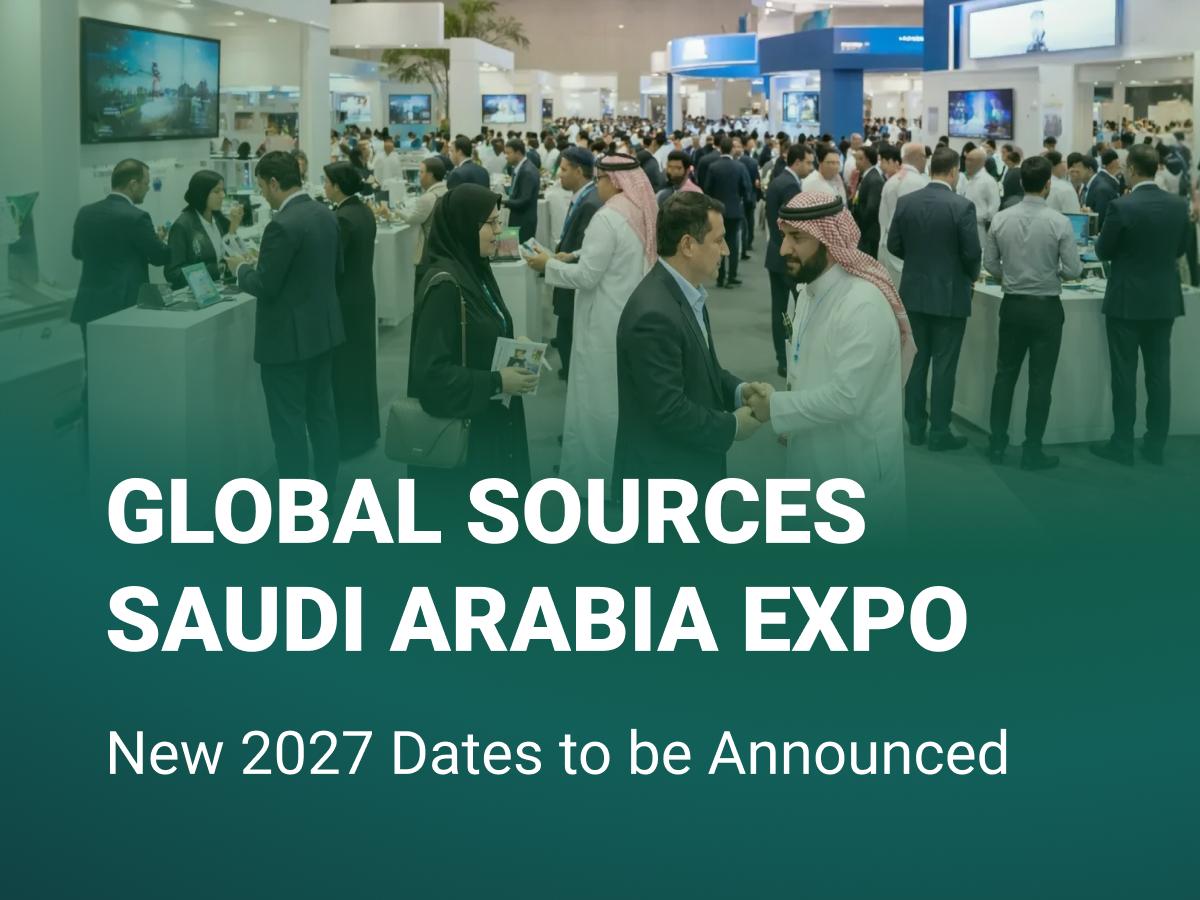
- Trade Show Participation: Connect with suppliers face-to-face at renowned Global Sources trade shows.
Other Notable OEM Platforms
- Alibaba: A global giant in B2B e-commerce, Alibaba offers a vast but potentially overwhelming selection of suppliers.
- Made-in-China: Specializing in connecting buyers with Chinese manufacturers, Made-in-China is a suitable option for sourcing from China.
- IndiaMART: As India's largest online B2B marketplace, IndiaMART focuses on connecting buyers with Indian suppliers.
Types of OEM Websites
Industry-Specific Platforms
These platforms cater to specific industries, such as electronics, apparel, or machinery. They offer specialized supplier networks and product categories tailored to the unique requirements of each sector.
General Sourcing Websites
General sourcing websites, like Global Sources and Alibaba, cover a wide range of industries and product categories, providing a broader selection of suppliers and products.
Regional Marketplaces
These platforms focus on connecting buyers with suppliers from specific geographical regions, such as Asia, Europe, or North America.
Benefits of Using OEM Websites
Cost-Effectiveness and Competitive Pricing
By connecting directly with manufacturers, businesses can often secure more competitive prices compared to traditional sourcing methods. OEM websites also provide transparency in pricing, allowing for easier comparison and negotiation.
Access to a Global Network of Manufacturers
OEM websites break down geographical barriers, granting businesses access to a vast pool of manufacturers worldwide. This global reach opens up opportunities to source from regions known for specific expertise or cost advantages.
Quality Control and Assurance
Reputable OEM websites implement supplier verification processes and quality control measures to ensure product quality. Many platforms also offer buyer protection programs, providing recourse in case of disputes or unsatisfactory products.
Customization and Product Development Support
OEM websites facilitate customization by connecting businesses with manufacturers capable of producing goods to their exact specifications. Some platforms even offer product development support, assisting with design, prototyping, and other aspects of bringing a product to market.
Streamlined Sourcing and Procurement Process
OEM websites centralize the sourcing process, allowing businesses to find suppliers, request quotes, compare prices, and manage orders all in one place. This streamlined approach saves time and resources, increasing efficiency and productivity.
How to Choose the Right OEM Website for Your Business
Define Your Product Requirements
Clearly outline your product specifications, including materials, dimensions, functionality, and any other essential details.
Consider Your Budget and Minimum Order Quantities
Determine your budget limitations and minimum order quantities (MOQs) to narrow down your search to suppliers that align with your requirements.
Research and Compare Different Platforms
Explore different OEM websites, comparing their features, pricing, supplier networks, and industry focus to identify the best fit for your needs.
Check Supplier Ratings and Reviews
Pay close attention to supplier ratings, reviews, and certifications to gauge their reliability, quality standards, and customer satisfaction track record.
Communicate Effectively with Potential Manufacturers
Engage in clear and concise communication with potential suppliers, asking relevant questions about their capabilities, experience, and production processes.
Step-by-Step Guide to Using an OEM Website
Creating an Account and Setting Up Your Profile
Register for an account on your chosen OEM website and create a detailed profile outlining your business information, sourcing requirements, and contact details.
Searching for Products and Suppliers
Utilize the platform's search functionality to find products and suppliers that match your criteria. Use filters to refine your search based on factors like product category, location, and MOQ.
Contacting Suppliers and Requesting Quotes
Reach out to potential suppliers through the platform's messaging system, expressing your interest and requesting detailed quotes for your desired products.
Negotiating Prices and Payment Terms
Engage in negotiations with suppliers to secure competitive prices and favorable payment terms. Be prepared to discuss order volumes, lead times, and other factors that may influence pricing.
Placing an Order and Managing Production
Once you've finalized the terms with your chosen supplier, place an order through the platform and track its progress throughout the production cycle.
Shipping and Logistics
Coordinate shipping and logistics with your supplier, ensuring timely and cost-effective delivery of your goods. Consider factors like shipping methods, insurance, and customs clearance.
Tips for Successful OEM Sourcing
In today's dynamic manufacturing landscape, Original Equipment Manufacturer (OEM) sourcing has become a strategic imperative. No longer a mere procurement function, OEM sourcing represents a powerful avenue for businesses to enhance efficiency, drive innovation, and gain a competitive edge. However, harnessing the full potential of OEM partnerships requires a nuanced understanding of the intricacies involved. It demands a proactive and strategic approach that goes beyond simple transactions, focusing on building strong, collaborative relationships with carefully vetted partners.
This journey towards successful OEM sourcing begins with recognizing that it's not just about finding the cheapest supplier; it's about identifying the right supplier – one that aligns with your business objectives, quality standards, and long-term vision. This journey requires meticulous planning, diligent execution, and a commitment to nurturing mutually beneficial relationships.
To guide you through this intricate landscape, we present five essential tips that form the bedrock of successful OEM sourcing:
1. Conduct Thorough Due Diligence: Laying the Foundation for Success
Before embarking on any OEM partnership, comprehensive due diligence is paramount. This involves a deep dive into the potential supplier's capabilities, track record, and overall suitability for your specific needs. Consider these crucial aspects:
- Expertise and Specialization: Does the OEM possess proven experience in manufacturing your specific product or component? Have they worked with similar businesses or projects in the past?
- Production Capacity and Scalability: Can the OEM comfortably handle your desired production volumes and lead times? Do they have the capacity to scale production as your business grows?
- Quality Management Systems: What quality control processes, certifications (e.g., ISO 9001), and industry standards do they adhere to? What is their track record for delivering consistent quality?
- Financial Stability and Risk Assessment: Is the OEM financially sound and stable? Conducting a financial health check can mitigate the risk of potential disruptions or delays in your supply chain.
- References and Site Visits: Don't solely rely on online profiles. Request customer references and, if feasible, conduct on-site visits to assess their facilities, meet the team, and gain firsthand insights into their operations.
2. Build Strong Relationships with Suppliers: Fostering Collaboration and Trust
Successful OEM sourcing transcends transactional interactions; it thrives on strong, collaborative relationships built on trust, transparency, and mutual respect. Nurturing these relationships requires:
- Open and Proactive Communication: Establish clear communication channels and designate dedicated points of contact on both sides. Regular communication regarding order status, potential challenges, and collaborative problem-solving is essential.
- Shared Understanding and Expectations: Ensure both parties are aligned on quality standards, delivery timelines, and performance expectations. Clearly define roles, responsibilities, and key performance indicators (KPIs) to track progress and identify areas for improvement.
- Mutual Respect and Value Creation: Treat your OEM partners as extensions of your own team, valuing their expertise and contributions. Foster an environment of mutual respect, open dialogue, and a shared commitment to achieving shared goals.
3. Protect Your Intellectual Property: Safeguarding Innovation and Competitive Edge
Protecting your intellectual property (IP) is non-negotiable in OEM sourcing. Implement robust measures to safeguard your designs, technologies, and proprietary information:
- Non-Disclosure Agreements (NDAs): Before sharing any sensitive information, ensure a comprehensive NDA is in place to legally protect your confidential data and trade secrets.
- Contractual Clarity on IP Ownership: Clearly define IP ownership rights within your contractual agreements. Specify permissible use of your IP and establish mechanisms for addressing any potential infringements.
- Background Checks and Security Measures: Conduct thorough background checks on potential OEM partners and implement appropriate security measures to protect your IP throughout the manufacturing process.
4. Ensure Clear Communication: The Cornerstone of Successful Collaboration
Clear, concise, and timely communication forms the bedrock of successful OEM partnerships. Establish effective communication protocols to:
- Define Clear Expectations and Specifications: Provide detailed product specifications, quality requirements, and acceptance criteria upfront to minimize misunderstandings and ensure alignment.
- Establish Regular Communication Cadence: Schedule regular meetings or calls to discuss project progress, address any challenges, and provide updates. Don't rely solely on email; leverage video conferencing and other tools for more personal and effective communication.
- Foster Open Dialogue and Feedback: Encourage open dialogue and feedback from both sides. Actively listen to your OEM partner's insights, concerns, and suggestions for improvement.
5. Be Patient and Persistent: Navigating Challenges with Resilience
OEM sourcing, like any complex endeavor, may encounter challenges along the way. Maintaining patience and persistence is crucial for overcoming obstacles and achieving long-term success:
- Embrace a Long-Term Perspective: Building strong OEM partnerships takes time and effort. Don't expect instant results; focus on nurturing relationships and fostering continuous improvement over time.
- Proactive Problem-Solving: Address challenges head-on with a solutions-oriented mindset. Collaborate with your OEM partner to identify root causes, explore potential solutions, and implement corrective actions.
- Flexibility and Adaptability: The manufacturing landscape is constantly evolving. Remain flexible and adaptable to changing market dynamics, customer demands, and technological advancements.
By embracing these five essential tips, businesses can navigate the complexities of OEM sourcing with confidence and forge strategic partnerships that drive innovation, efficiency, and sustainable growth. Remember, successful OEM sourcing is not a one-time transaction but an ongoing collaborative journey that requires careful planning, diligent execution, and a commitment to building mutually beneficial relationships.
Conclusion: Embracing the Future of Manufacturing with OEM Websites
OEM websites are transforming the manufacturing landscape, offering a direct and efficient channel for sourcing components and building partnerships. By embracing these platforms, businesses can unlock a world of opportunities: accessing a global network of specialized suppliers, streamlining the sourcing process, and fostering direct collaboration. Transparency, cost-effectiveness, and accelerated innovation are just a few of the benefits that await. As manufacturing continues to evolve, leveraging the power of OEM websites will be crucial for businesses to thrive in an increasingly competitive and interconnected world.
FAQs
1. What information can I typically find on an OEM website?
On an OEM website, you can typically find a variety of information including:
- Product Details: Comprehensive descriptions, specifications, and images of the products manufactured.
- Company Background: Information about the company's history, mission, and values.
- Industry Applications: Details on how the products are used across different industries.
- Technical Support: Resources such as user manuals, FAQs, and troubleshooting guides.
- Contact Information: Ways to get in touch with the company for inquiries or support.
2. How do I verify the authenticity of an OEM website?
To verify the authenticity of an OEM website, you can:
- Check the URL: Ensure it matches the official domain of the manufacturer.
- Look for Contact Information: Genuine websites provide clear and accessible contact details.
- Search for Reviews: Look for customer reviews and testimonials about the company.
- Check for Certifications: Authentic OEMs often display industry certifications and compliance information.
- Investigate Website Design: Professional and well-maintained designs are indicative of legitimate businesses.
3. Why should I prefer buying directly from an OEM website?
Buying directly from an OEM website offers several advantages:
- Authenticity: Ensures you receive genuine products directly from the manufacturer.
- Warranty and Support: OEMs typically provide warranties and direct technical support.
- Up-to-date Information: Access to the latest product updates and specifications.
- Customization Options: OEMs may offer customization options that third-party sellers do not.
- Better Pricing: Potential for competitive pricing and bulk purchase discounts.
4. How can I find an OEM website for a specific product?
Answer: To find an OEM website for a specific product, you can:
- Use Search Engines: Enter specific keywords related to the product and "OEM" in search engines like Google.
- Industry Directories: Look through industry-specific directories and listings.
- Trade Shows and Exhibitions: Many OEMs participate in trade shows where they promote their websites.
- Networking: Ask for recommendations from industry contacts or colleagues.
- Manufacturer References: Check product documentation or packaging for the manufacturer's website.
5. What should I consider when comparing different OEM websites?
When comparing different OEM websites, consider the following factors:
- Product Range: The variety and scope of products offered by each OEM.
- Quality and Specifications: Detailed product specifications and quality assurances.
- Customer Reviews: Feedback from other customers regarding their experiences.
- Customer Service: Availability and responsiveness of customer support.
- Pricing and Terms: Compare pricing, shipping options, and warranty terms to make an informed decision.

