




This article aims to help readers discover the best B2B websites that can improve business operations. We will provide criteria for selecting B2B platforms to ensure that they meet specific business needs. Through this article, readers will be able to better understand how to use these platforms to achieve business growth. Whether you are a novice who has just begun to explore B2B e-commerce or an experienced buyer who wants to optimize the existing procurement process, this article will provide you with valuable insights and practical suggestions.
Table of Contents
Criteria for Selecting B2B Websites
How to Utilize B2B Websites Effectively
Criteria for Selecting B2B Websites
1. Product and Service Range
Importance: A wide range of products and services ensures that businesses can find everything they need on one platform, reducing the hassle of searching for multiple suppliers. For example, a website that covers products from multiple industries such as electronics, mechanical equipment, office supplies, etc. can help companies save time and effort.
Examples: Websites that provide products from multiple industries, such as electronics, mechanical equipment, office supplies, etc. A good B2B platform should not only provide a rich product range, but also include detailed product descriptions, specifications, and pictures to help buyers make informed purchasing decisions.
2. User Interface and Experience
Importance: An intuitive and user-friendly interface makes it easier for businesses to navigate the website and complete transactions efficiently. A well-designed user interface can significantly improve user satisfaction and reduce the time to learn and use the platform.
Features: Simple navigation, advanced search filters, and seamless checkout process. The platform should provide clear categories and navigation bars to facilitate users to quickly find the products they need. In addition, powerful search functions and filters can help users filter products according to specific needs and improve procurement efficiency.
3. Security and Trustworthiness
Importance: Secure transactions and data protection are essential to maintaining trust and protecting business information. When choosing a B2B platform, companies should give priority to those that focus on security and transparency.
Indicators: SSL certificates, secure payment gateways, and verified supplier qualifications. The platform should provide multi-layered security measures such as data encryption, identity authentication, and transaction monitoring to ensure the safety of user information and funds.
4. Customer Support
Importance: Effective customer support helps to quickly resolve issues and ensure a smooth transaction process. An excellent B2B platform should provide multiple customer support channels to help users solve various problems encountered during use.
Services: 24/7 support, live chat, comprehensive FAQ, and dedicated account manager. The platform should provide timely and efficient customer support services to ensure that users can get help at any time. In addition, dedicated account managers can provide personalized services and support to large customers to help them better utilize platform resources.
5. Pricing and Payment Options
Importance: Transparent pricing and flexible payment options help companies manage budgets and cash flow. When choosing a B2B platform, companies should give priority to platforms that offer multiple payment methods and flexible pricing plans.
Models: Subscription-based pricing, volume discounts, and multiple payment methods (credit card, bank transfer, etc.). The platform should provide detailed pricing information and a transparent fee structure to help users clearly understand the various costs. In addition, multiple payment methods can meet the needs of different users and improve the convenience of transactions.
6. Reviews and Reputation
Importance: Evaluating the reputation of B2B websites through customer reviews and recommendations helps measure their reliability and service quality. When choosing a B2B platform, companies should give priority to platforms with a good reputation and positive reviews.
Sources: Third-party review sites, user recommendations, and industry awards. The platform should provide a user review and rating system to help buyers understand the experience and feedback of other users. In addition, third-party review sites and industry awards are also important references for evaluating the reputation of a platform.
Top B2B Websites
1. Alibaba
Overview: Founded in 1999, Alibaba is one of the world's largest B2B marketplaces, connecting millions of buyers and suppliers around the world. The platform covers a wide range of product categories, from electronics to clothing to industrial machinery.
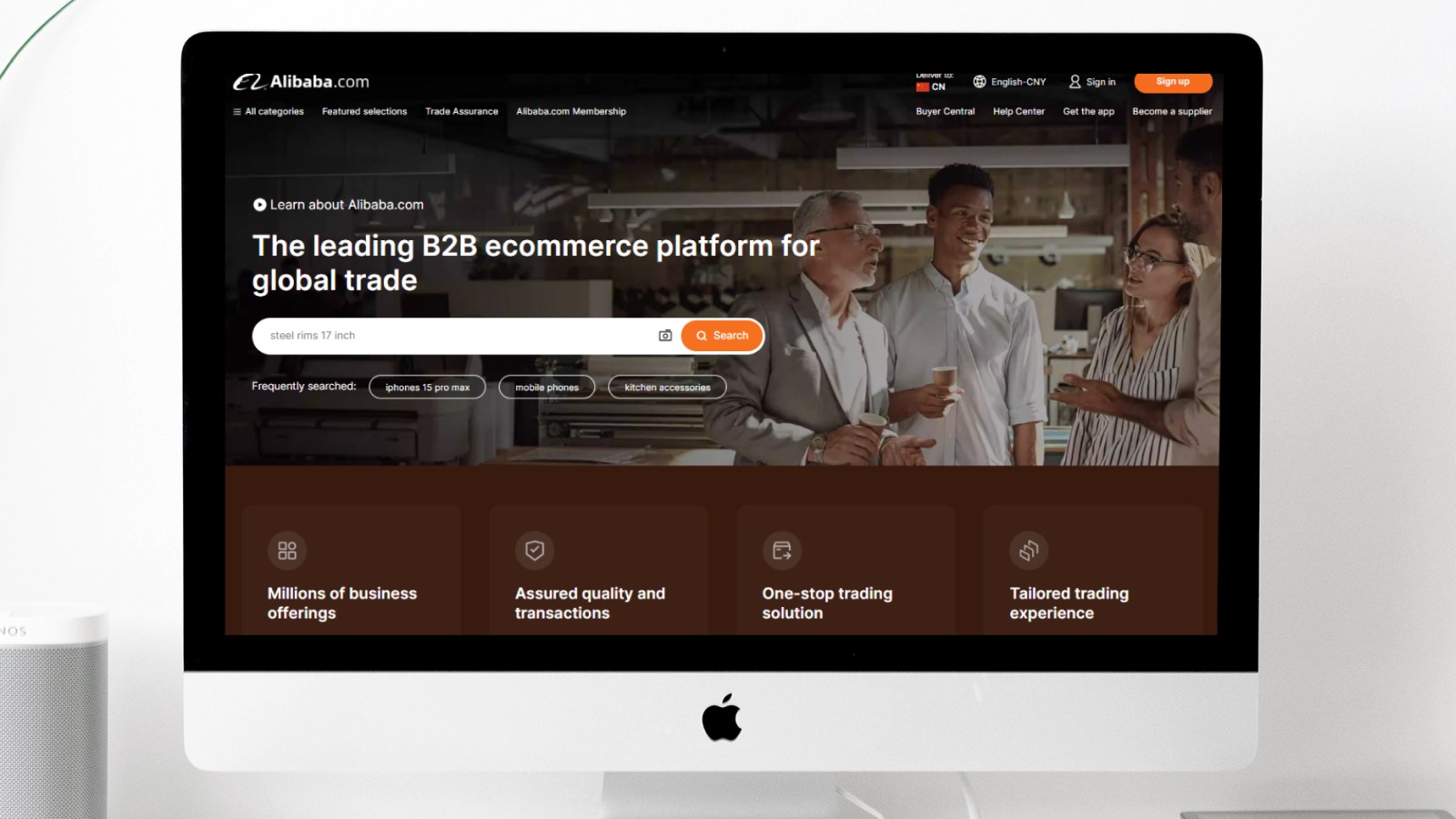
Key Features: Alibaba provides trade assurance services to ensure the safety of buyers' funds in transactions. In addition, the platform provides detailed supplier information and certifications to help buyers choose reliable suppliers. Alibaba's user interface is simple in design, easy to operate, and supports multi-language and multi-currency transactions, which greatly facilitates communication and cooperation between international buyers and sellers.
User Feedback: Users generally give positive comments on its rich selection and competitive prices, but some users also mention challenges in communication and delivery time. Overall, Alibaba is considered an ideal platform for finding large-volume purchases and customized products. Many users said that through Alibaba, they were able to find high-quality suppliers and establish long-term cooperative relationships.
2. Amazon Business
Overview: Launched in 2015, Amazon Business provides a comprehensive marketplace for businesses of all sizes, offering prices and bulk purchasing options designed specifically for businesses. Amazon Business not only inherits the advantages of Amazon, but also adds many features for business users.
Key Features: Business Prime delivery service provides fast and free delivery options. Multi-user accounts and approval workflow features allow businesses to better manage the procurement process. In addition, the platform provides detailed procurement analysis to help companies optimize procurement strategies. Amazon Business also provides exclusive business pricing and discounts, as well as flexible payment options to meet the needs of different businesses.
User Feedback: It has been praised for its convenience, fast delivery and wide product selection, but some users mentioned that the prices may be higher than other B2B websites. Overall, Amazon Business enjoys high satisfaction among business users, especially those who focus on efficient logistics and comprehensive product selection. Users said that Amazon Business's fast delivery and excellent customer service greatly improved their procurement efficiency.
3. Global Sources
Overview: Founded in 1970, Global Sources is a B2B platform headquartered in Hong Kong that connects buyers and suppliers in Asia, especially China. The platform not only provides an online market, but also holds multiple offline exhibitions to promote direct communication between buyers and sellers.
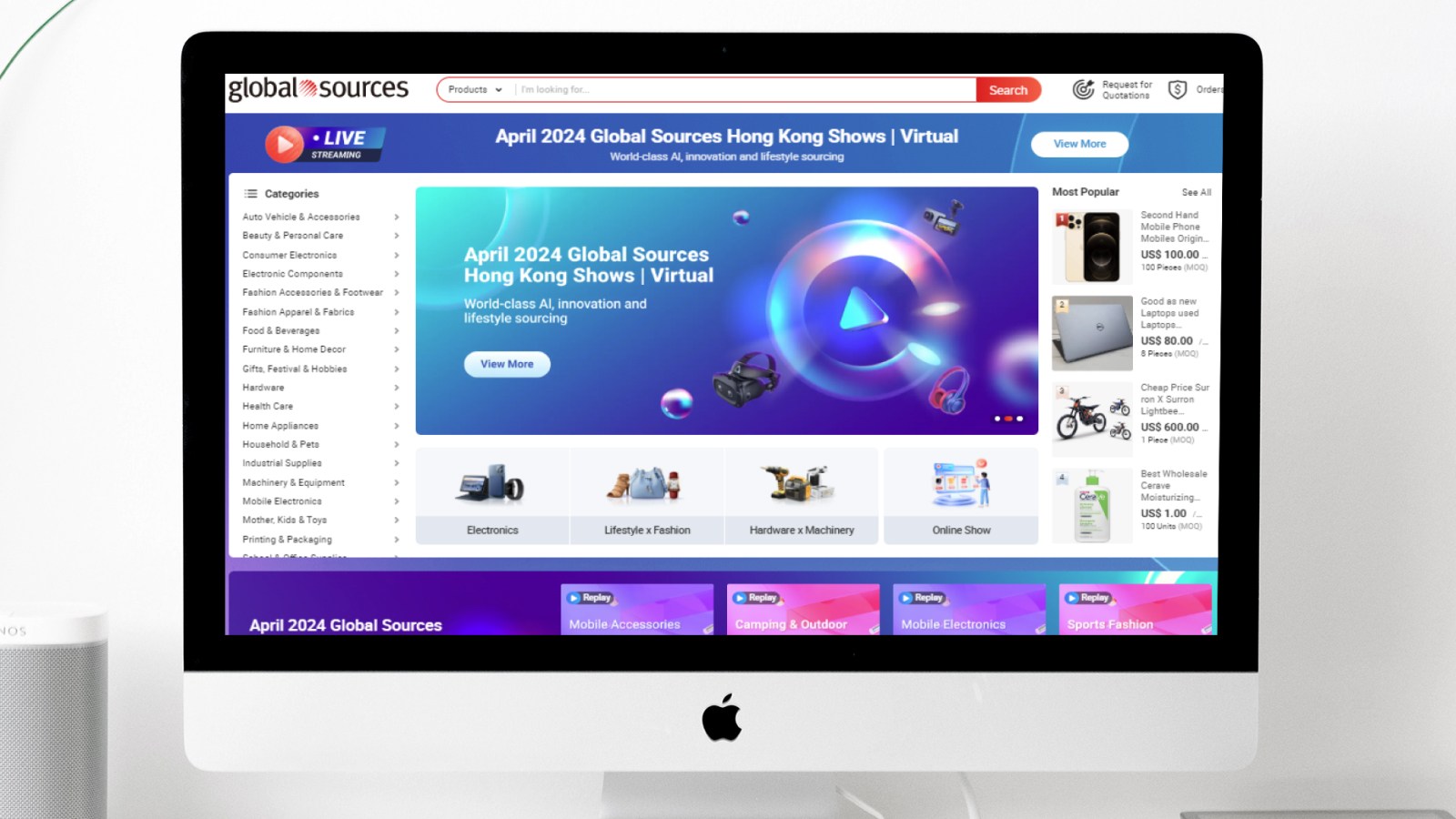
Key Features: The verified supplier database ensures the reliability of suppliers. Global Sources also provides industry-specific procurement reports and market analysis to help buyers make informed purchasing decisions. The platform's exhibition activities provide buyers with the opportunity to communicate face-to-face with suppliers, further strengthening the cooperative relationship.
User Feedback: Users are satisfied with the quality of suppliers and detailed product information, but some think that the website interface is not user-friendly enough. Global Sources is considered an ideal platform for finding high-quality Asian suppliers and participating in industry exhibitions. Many users said that through Global Sources, they were able to find high-quality suppliers that meet their needs and establish long-term cooperative relationships.

4. Made-in-China
Overview: Founded in 1998, Made-in-China is a leading Chinese B2B platform that provides a wide range of products from verified Chinese manufacturers. The platform focuses on facilitating transactions between Chinese suppliers and global buyers.
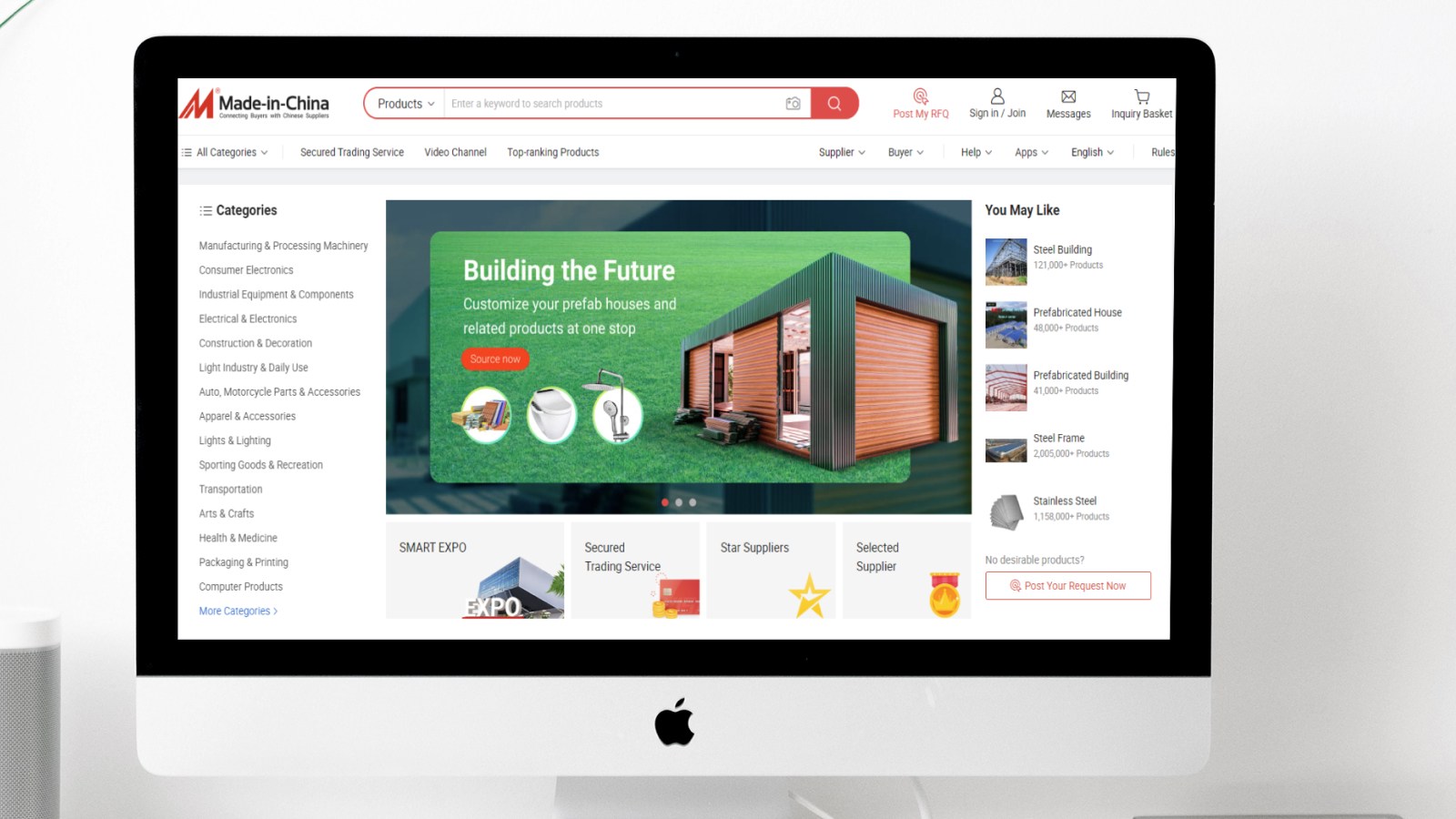
Key Features: Supplier verification and product inspection services ensure the security of transactions. The secure payment options and detailed supplier information provided by the platform help buyers reduce transaction risks. Made-in-China also provides multi-language support for the convenience of global buyers.
User Feedback: Positive reviews for its wide product range and competitive prices, but there are occasional concerns about product quality and delivery time. Overall, Made-in-China is the preferred platform for finding products made in China. Users said that through Made-in-China, they were able to find high-quality suppliers and get competitive prices.
5. ThomasNet
Overview: Founded in 1898, ThomasNet is a comprehensive platform for North American industrial products and services, connecting buyers and suppliers across industries. ThomasNet is known for its rich industrial product catalog and detailed supplier information.
Key Features: Detailed supplier profiles and CAD drawing download capabilities allow engineering and procurement personnel to better evaluate products and suppliers. The platform's request for quotation (RFQ) tool simplifies the procurement process, helping companies quickly obtain quotes and compare them. In addition, ThomasNet provides rich industry information and market analysis to help companies stay abreast of the latest industry trends.
User Feedback: Highly rated for its detailed supplier information and industry focus, but some users find the website navigation complex. ThomasNet is an ideal platform for finding North American industrial products and services. Users said that through ThomasNet, they were able to find high-quality industrial products and reliable suppliers, and receive professional technical support.
6. TradeIndia
Overview: Founded in 1996, TradeIndia is a leading Indian B2B marketplace that connects buyers and suppliers from India and other countries. The platform focuses on facilitating transactions between Indian suppliers and global buyers.
Key Features: Verified supplier lists ensure the security of transactions. TradeIndia also provides trade shows and product catalogs to help buyers find the right suppliers and products. The platform's multi-language support and convenient search function enhance the user experience.
User Feedback: Users expressed satisfaction with the platform's focus on Indian suppliers and diverse product selection, but some mentioned challenges in international shipping. Overall, TradeIndia is the preferred platform for finding Indian-made products. Users said that through TradeIndia, they were able to find high-quality Indian suppliers and establish long-term cooperative relationships.

Also Read: Business Resources and Directories
- Best B2B Websites
- B2B E-Commerce
- Business Directories
- White Label Sites
- OEM Websites
- Crowdfunding Sites
- Event Listing Sites
- Survival Supplies
- Shop Securely
- Chinese Product Sourcing
How to Utilize B2B Websites Effectively
1. Creating a Business Profile
Steps: Register on the platform, provide accurate business information, and upload relevant documents (such as business license). Make sure your profile is complete, including your company profile, contact information, and key product information. Update your company profile regularly to keep it accurate and up-to-date.
Importance: A complete and professional profile builds credibility and attracts potential suppliers. A detailed company profile can increase credibility and make suppliers more willing to work with you. By showcasing your company's qualifications and achievements, you can enhance suppliers' trust in your company.
2. Searching for Products and Services
Tips: Use advanced search filters to check product specifications and compare multiple suppliers. Use the platform's recommendation function and popular product lists to quickly find the goods you need. Pay attention to suppliers' reviews and historical transaction records to choose reputable suppliers.
Features: Keyword search, category filtering, and supplier ratings. These features make it easier to find products and suppliers that meet your needs. The platform's recommendation algorithm can provide personalized product recommendations based on the user's search history and preferences.
3. Communicating with Suppliers
Best Practices: Start contact with clear and concise messages, ask detailed questions, and negotiate terms professionally. Use the platform's messaging system to keep records of your communications. Communicate with suppliers regularly to build long-term relationships.
Importance: Effective communication ensures mutual understanding and smooth transactions. Clear communication avoids misunderstandings and ensures smooth transactions. By establishing good communication channels, you can improve the efficiency and success rate of transactions.

4. Making Secure Transactions
Tips: Use the platform's secure payment methods, verify supplier qualifications, and keep all transaction records. Choose a secure payment method, such as escrow services, to ensure the safety of funds. Regularly review transaction records to ensure that all transactions meet the company's security standards.
Protocols: Trade protection programs, escrow services, and encrypted payment gateways. These measures can protect the interests of both parties to the transaction and reduce risks. By using secure payment methods, you can avoid financial losses and transaction disputes.
5. Leveraging Reviews and Ratings
How to Use: Read detailed reviews and ratings from other buyers, look for patterns in feedback, and consider both positive and negative reviews. Evaluate the reliability of suppliers by reviewing their historical transaction records. Regularly check supplier reviews and choose reputable suppliers to cooperate with.
Importance: Make informed decisions to reduce the risk of unsatisfactory purchases and improve overall satisfaction. By referring to other users' reviews, you can better understand the supplier's service quality and product performance.
Conclusion
When choosing a B2B website, you should consider factors such as product variety, user experience, security, customer support, pricing, and reputation. The top B2B websites introduced in this article, such as Alibabaaba, Amazon Business, Global Sources, Made-in-China, ThomasNet and TradeIndia all enjoy a good reputation worldwide and provide a wide range of products and services. Through the introduction and guidance of this article, I hope that readers can better understand and utilize B2B platforms, choose suitable suppliers and products, optimize procurement processes, and achieve continuous growth and success in their businesses.
You May Also Like:
- What is B2B eCommerce?
- B2B vs. B2C
- B2B Buyer Journey
- B2B Lead Generation
- Generate B2B Leads
- B2B E-commerce Trends
- B2B Business Ideas
- Top B2B E-Commerce Platforms
- Top B2B Websites
- Top B2B E-Commerce Websites
- Chinese B2B Platforms
- B2B Wholesale Transactions
- Wholesale Ecommerce Guide
- Cross Selling vs. Upselling
- B2B Skincare Market

