




In the rapidly evolving global food and beverage landscape of 2026, the industry is entering a new stage of refinement rather than simply chasing novelty. Many of the breakthrough shifts highlighted in recent years—plant-based eating, sustainable sourcing, functional foods, and personalized nutrition—are maturing into mainstream expectations rather than niche trends. Consumers are no longer just curious about what’s new; they are demanding products that can simultaneously deliver on taste, health, transparency, and environmental responsibility.
Building on the momentum of 2025, brands in 2026 are focusing on upgrading and integrating these trends into everyday eating scenarios. Plant-based and dairy alternatives are becoming cleaner-label and more nutrient-dense, sustainable seafood is moving from premium to accessible, and zero-sugar or low-sugar options are now standard across categories. At the same time, technology is accelerating change behind the scenes—from AI-assisted product development to smarter supply chains—enabling more precise personalization, better quality control, and enhanced traceability from farm to table.
Against this backdrop, understanding which directions truly matter has become more important than ever for both industry professionals and curious consumers. The following 2025-focused overview of top food and beverage trends provides a solid foundation for recognizing how health awareness, sustainability, and innovation are reshaping what and how we eat. As you explore these key categories and examples, consider how they are continuing to evolve and deepen in 2026, and how they will likely influence our eating habits and lifestyles in the years ahead.
With the rapid development of the global food and beverage industry, 2025 will usher in a series of innovative and transformative trends. From the continued rise of plant-based foods to the spread of eco-friendly packaging to the promotion of personalized nutrition plans, these trends not only reflect shifting consumer preferences but also indicate the future direction of the industry. The food and beverage industry is in the midst of an unprecedented period of transformation, driven by health awareness, sustainability and technological innovation. This article will take an in-depth look at the top 20 food and beverage trends you must pay attention to in 2025, revealing how they are shaping our eating habits and lifestyles. Whether you are an industry practitioner or a consumer curious about food trends, these trends will provide you with valuable insights and inspiration.
Top 18 Food and Beverage
# 1. Plant-based meat alternatives
As the global awareness of sustainable development and healthy eating increases, brands such as plant-based alternative meat products such as Impossible Foods and Beyond Meat have risen rapidly. These products use plant proteins to simulate the taste and flavor of traditional meat, attracting not only vegetarians and meat-reducers, but also support from environmentalists. Plant-based meat reduces environmental impact, including lowering greenhouse gas emissions and reducing water consumption, while providing rich nutritional value, making it a healthy and sustainable food choice.
# 2. Non-alcoholic beverages
Rising health awareness has led to more and more people turning to non-alcoholic beverages as a social and leisure option. Beverages in this category include non-alcoholic beers, wines and alternatives that mimic classic cocktails, aiming to provide more options for consumers who don’t drink or are cutting back on alcohol. These beverages not only maintain the flavor of traditional alcoholic beverages, but also reduce health risks and satisfy consumers who have high quality of life requirements.
# 3. Sustainable seafood
In the face of overfishing of marine resources and environmental damage, sustainable seafood has become a new trend in the market. Consumers are increasingly choosing seafood products that are sustainably caught or farmed to reduce their impact on ecosystems. Brands and retailers prove to consumers the sustainability of their products by obtaining certifications such as MSC (Marine Stewardship Council) or ASC (Aquaculture Stewardship Council). This trend not only helps protect marine biodiversity, but also allows consumers to contribute to environmental protection while enjoying delicious food.

# 4. Fermented foods
Fermented foods like yogurt, sauerkraut, and sourdough bread are valued for their rich probiotics and gut health benefits. These naturally fermented foods can help improve digestion, boost immunity, and are thought to help prevent certain diseases. With the popularity of healthy eating, fermented foods have become an indispensable part of the dinner table, attracting more and more consumers seeking a healthy lifestyle.
# 5. CBD Foods and Drinks
As legal restrictions on the hemp extract CBD (Cannabidiol) ease, CBD foods and beverages are becoming increasingly popular for their potential health benefits. CBD is thought to help relieve anxiety, pain and promote sleep without having the psychoactive effects of THC (tetrahydrocannabinol). Products ranging from CBD-infused chocolates to candies to beverages are beginning to pop up on the market, attracting consumers looking for natural remedies to improve their quality of life.
# 6. Zero-sugar food and drinks
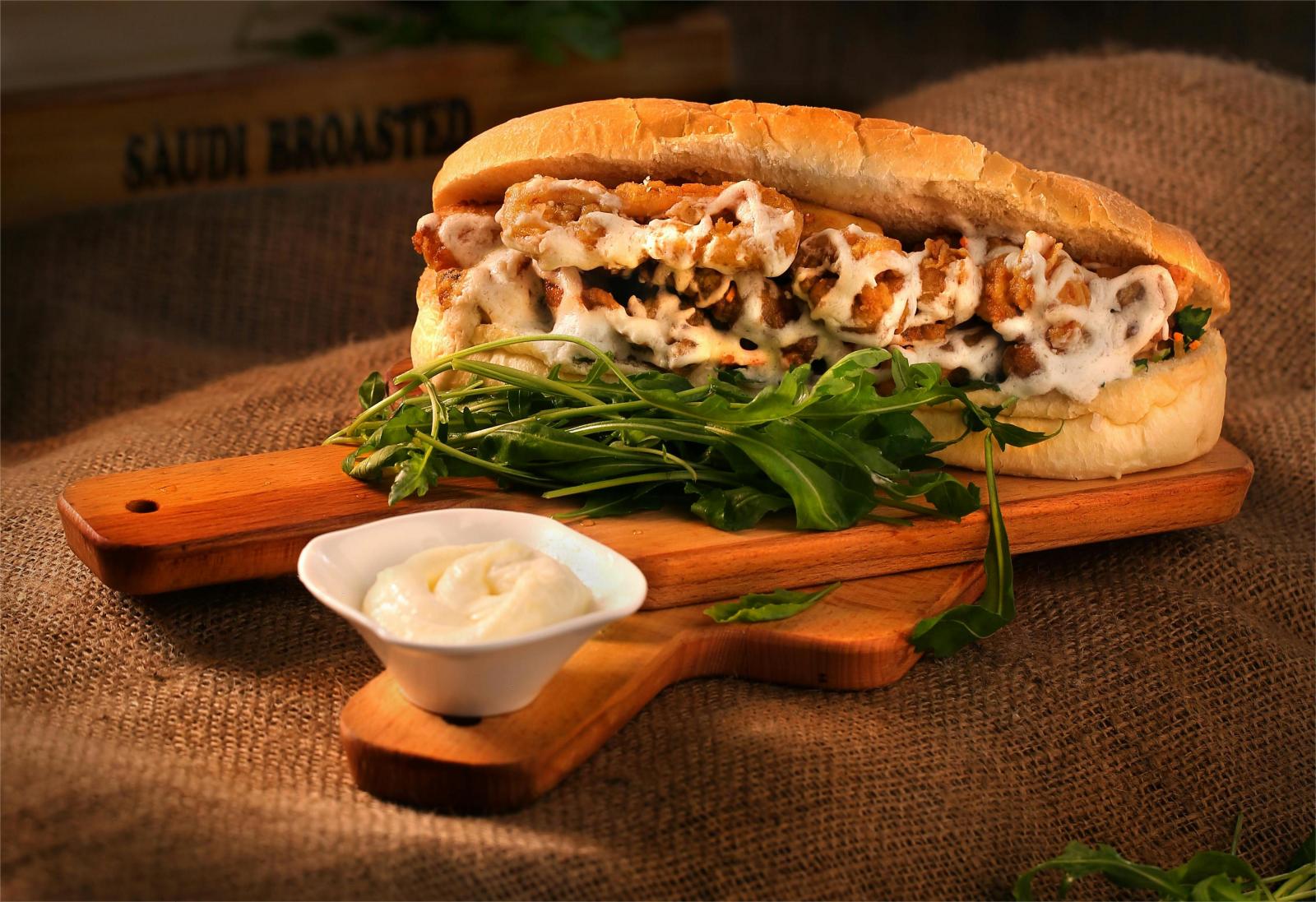
Increased health awareness has led consumers to avoid excessive intake of sugar to prevent health problems such as obesity and diabetes. This has driven the popularity of zero-sugar or low-sugar foods and drinks. A variety of sugar-free versions of soft drinks, energy drinks and snacks have emerged on the market, using natural sweeteners such as stevia or erythritol to replace refined sugar, meeting consumer demand for healthy desserts.
# 7. Organic products
The demand for organic food and beverages continues to grow as awareness of health and environmental protection increases. Organic products are those that are produced without the use of chemical fertilizers, pesticides, genetically modified organisms, and artificial additives and preservatives. Consumers tend to choose organic products because they are considered healthier, nutritious and environmentally friendly. The organic label has become an important factor for brands to win consumer trust and preference.
# 8. Global flavors and fusion cuisine
Globalization and deepening cultural exchanges have made consumers curious about various international cuisines. In 2025, unique flavors and fusion cuisine from Asia, Latin America, Africa and other places will be popular. These foods not only enrich consumers’ table choices, but also promote understanding and appreciation of different cultures. Catering operators are meeting consumers' demand for novelty and multicultural experiences through innovative fusion dishes.
# 9. Superfoods
With the emphasis on healthy eating, superfoods rich in high nutritional value have become a trend. These foods, like spirulina, argan oil, quinoa, and more, are prized for their richness in antioxidants, vitamins, and minerals. Superfoods are believed to provide a variety of health benefits, including boosting immunity, improving cardiovascular health and improving digestion, making them an important part of the diets of health-conscious consumers.
# 10. Personalized Nutrition
As technology advances, personalized nutrition solutions become possible. Customized dietary advice and nutritional supplements can be provided based on an individual's genetic information, health status and lifestyle. This personalized approach enables consumers to more precisely meet their health needs, optimize diet and lifestyle, and improve quality of life.
# 11. Dairy alternatives
Plant-based alternative dairy products, including soy milk, almond milk, oat milk, etc., are favored by more and more consumers because of their low-carbon, environmentally friendly properties and their suitability for people with lactose intolerance. Not only for drinking, these alternatives are also widely used in cooking and baking, meeting the needs of vegetarians and consumers sensitive to traditional dairy products.
# 12. Craft beer
Craft beer is loved by consumers for its unique flavor, handcrafted brewing process and innovative recipes. Unlike mass-produced beer, craft beer emphasizes quality and personalization, provides a wider range of taste options, and attracts consumers seeking a unique beverage experience.
# 13. Diet alternatives
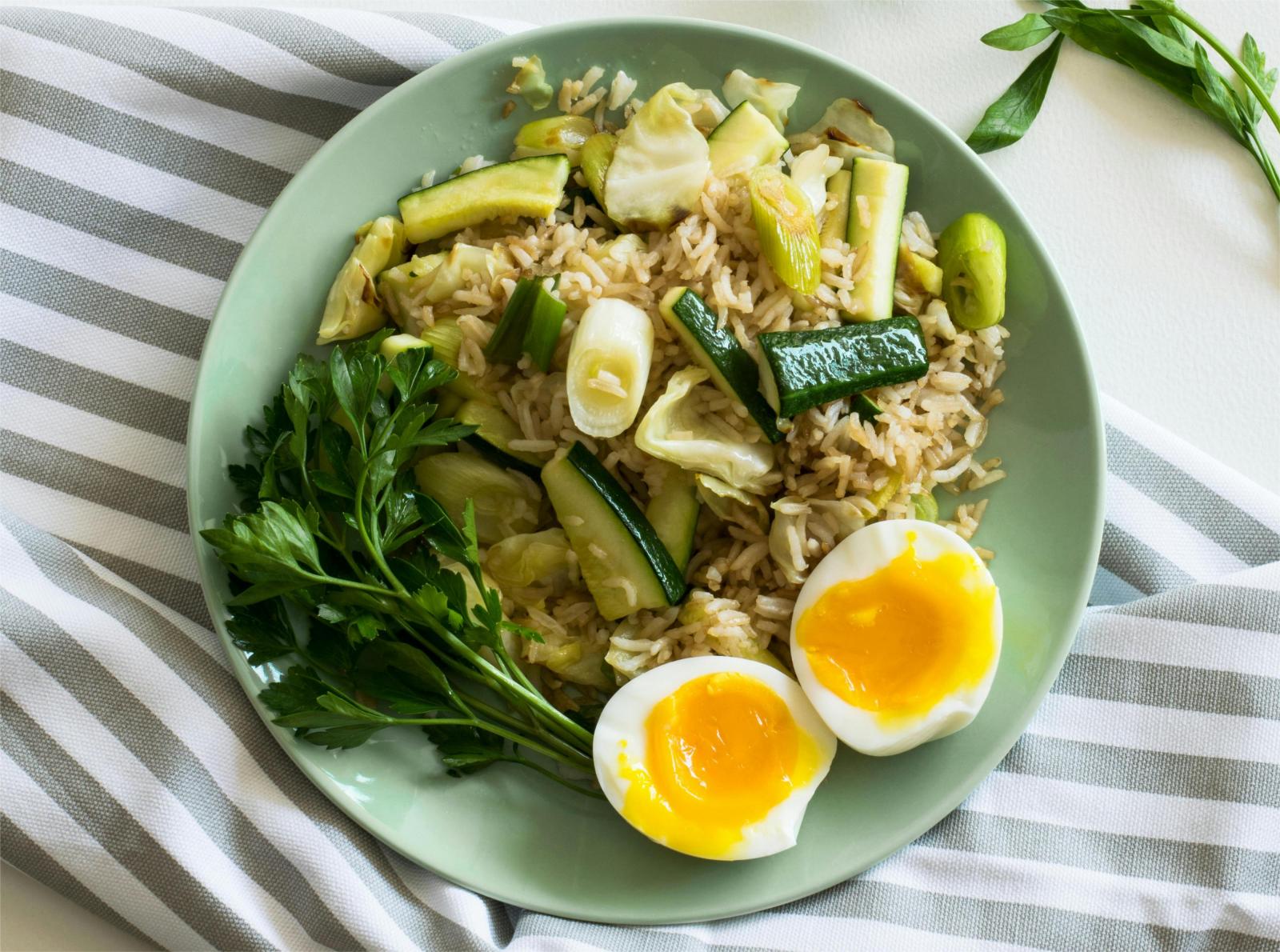
As health awareness increases, more and more diet alternatives have appeared on the market, such as meal replacement shakes, energy bars, etc. These products are designed to provide balanced nutrition while controlling caloric intake to help consumers achieve their weight loss or health maintenance goals.
# 14. Refined sugar substitutes
In response to consumer concerns about health and the need to reduce sugar intake, natural sweeteners such as stevia and erythritol have become popular choices. These alternatives offer the possibility to reduce sugar intake while maintaining sweetness in foods and beverages, making them suitable for diabetics and health-conscious consumers.
# 15. Ethanol drinks
Ethanol drinks, such as hard seltzer, combine a slight alcohol content with a refreshing taste, providing a new option between traditional soft drinks and alcoholic beverages. With their low alcohol content and unique flavor, these drinks have become a popular choice for social occasions.
# 16. Frozen ready-to-eat healthy meals
For consumers who are strapped for time but unwilling to sacrifice the quality of their meals, frozen ready-to-eat healthy meals offer a convenient and nutritious solution. These products use quick freezing technology to lock in the freshness and nutrition of ingredients, meeting the needs of healthy eating in fast-paced lives.
# 17. Paleo Grains
With the re-evaluation of traditional foods and healthy eating, ancient grains such as quinoa, farro and others are receiving renewed attention for their rich nutritional value and health benefits. These grains provide high-quality plant protein, fiber and a variety of vitamins and minerals, making them an important part of modern healthy diets.
# 18. Snack Subscription Box
Snack subscription boxes attract a large number of consumers with their convenience and novelty. Through regular subscriptions, consumers can try a variety of snacks from around the world, satisfying their pursuit of fresh experiences while also providing a platform for healthy snacks.
FAQS
What are the latest trends in the food and beverage industry?
The food and beverage industry is undergoing a transformative shift, driven by a confluence of sustainability, health consciousness, and technological innovation. Consumers are increasingly eco-aware, prompting brands to adopt sustainable practices like reducing packaging waste and ensuring ethical sourcing. This green revolution is complemented by a health-focused movement, where foods that bolster immunity, enhance gut health, and promote mental wellness are highly sought after. Technology is the catalyst propelling the industry forward, with AI and blockchain enhancing personalization and transparency. Moreover, the global palate is expanding as consumers embrace authentic flavors from diverse cultures, reflecting an adventurous spirit in dining experiences.
What are the trends in food and beverage in 2025?
In 2025, the food and beverage landscape is characterized by a dynamic blend of innovation and sustainability. Plant-based and alternative proteins are not just trends but are becoming staples, appealing to a broad spectrum of consumers, including flexitarians. Regenerative agriculture is emerging as a pivotal practice, focusing on restoring soil health and promoting biodiversity. Personalized nutrition is gaining traction, offering bespoke dietary solutions through sophisticated data analytics. Convenience remains king, with ready-to-eat meals and meal kits designed for the modern, busy lifestyle. Transparency in sourcing and production processes is more crucial than ever, as consumers demand clarity and honesty from brands.
What are the latest food trends?
The latest food trends are a testament to the evolving consumer preferences towards health, innovation, and global exploration. Functional foods, enriched with probiotics and adaptogens, are at the forefront, offering targeted health benefits. The demand for low-sugar, low-carb, and clean-label products reflects a broader health-conscious mindset. Culinary exploration continues with a surge in fusion cuisines, blending global flavors into exciting new dishes. Experiential dining experiences are gaining popularity, offering consumers immersive and memorable culinary adventures. Technology plays a pivotal role, enhancing these experiences with personalized recommendations and seamless online platforms.
What are the trends in the food market?
The food market is rapidly adapting to meet the evolving demands of a discerning and informed consumer base. Sustainability and transparency are at the heart of this transformation, with ethical sourcing and environmental stewardship becoming non-negotiable. The rise of plant-based foods and alternative proteins is reshaping dietary patterns, driven by environmental concerns and health motivations. Functional foods that cater to specific health objectives are experiencing significant growth. Convenience is a key driver, with an increasing array of ready-to-eat and on-the-go options catering to busy lifestyles. Personalization is revolutionizing the market, offering tailored products that align with individual dietary preferences and needs.
Conclusion
These food and beverage categories will be popular in 2025 primarily because they meet growing consumer demands for health, sustainability, convenience and novel experiences. As consumers become increasingly focused on quality of life and health, these trends are expected to continue to influence the direction of the food and beverage industry.
Also Read:
- Discover Quality F&B Products from Suppliers Worldwide
- Top Food and Beverage Trends 2024
- Food Service Trends 2024
- Food Processing Trends 2024
- Food Delivery Trends 2024
- Snack Food Trends 2024
- Fast Food Trends 2024
- Pet Food Industry Trends
- Food Industry Trade Shows 2024-2025
- Fancy Food Show 2024
- Frozen Chinese Food Brands
- Food Truck Industry Trends 2024
- Start a Food Truck Business
- Wholesale Dog Food Guide
- Hot Food Vending Machines Guide

