




Image Source: Unsplash
Intimate apparel or lingerie has always had a special place in the fashion industry. It goes beyond being a mere undergarment and has emerged as a symbol of confidence, self-expression and self-assuredness. Lingerie has transcended traditional boundaries to become a symbol of individuality and a celebration of empowerment. In the ever-evolving landscape of the fashion industry, intimate apparel has found a unique place by emphasizing the notion that beauty and confidence are not limited by size, age, or gender.
Lingerie fashion then and now
Lingerie served a significantly different purpose in the past. Undergarments from the early 20th century emphasized full body coverage and incorporated corsetry techniques to shape the body rather than reveal it. Fabrics were often heavy and restrictive. Comfort does not seem to have been a major priority in early 20th-century lingerie construction, as function took precedence over feeling lightweight and flexible on the body.
Today, lingerie fashion is geared towards confidence, self-expression and comfort, empowering wearers and catering to different body types, skin tones and gender. Fabrics have evolved to include delicate lace, breathable microfiber and innovative materials like moisture-wicking fabrics.
Market growth and overview of lingerie
The lingerie market is a dynamic and ever-changing segment within the larger fashion and apparel market. The market witnessed significant growth in the past few years and is expected to continue expanding rapidly. It is expected to reach $82.28 billion by the end of 2023 and $121.01 billion by 2028, growing at an 8.02 percent CAGR during the forecast period, as per Mordor Intelligence.
The report added that the market’s expansion is linked to the shifting perceptions toward underwear and lingerie and the increasing availability of a diverse array of product designs for various needs. Meanwhile, Grand View Research listed the growing awareness on the use of flexible fabrics and the increasing demand for seamless intimate apparel as factors boosting the market growth.
Latest trends in lingerie
Comfort wear
Comfort is taking center stage in the lingerie market. This shift indicates the changing consumer priorities and lifestyle choices, providing B2B buyers and business owners new opportunities. As more people adopt a relaxed and casual lifestyle, driven by remote work and increased time spent at home, comfort wear in lingerie is perfectly suited to this shift. One of the hallmark features of comfort wear in lingerie is the use of soft, lightweight, and breathable materials. Fabrics like cotton, modal, microfiber and bamboo-derived textiles have gained popularity due to their comfort and moisture-wicking properties.
Inclusivity
Many lingerie manufacturers and suppliers are expanding their offerings by providing designs available in a wide range of sizes and shades. This is in response to the growing demand for greater inclusivity and body positivity. This shift towards more comprehensive offerings not only accommodates a broader customer base but also aligns with the broader cultural movement promoting body positivity and self-acceptance.
Sustainability
As environmental consciousness grows, sustainability is a key consideration. Today, consumer preference is geared towards the use of eco-friendly materials and the application of ethical production methods. A lot of manufacturers are now exploring innovative, eco-friendly materials such as organic cotton, Tencel, and recycled fabrics. These materials not only reduce the environmental impact but also provide comfort and quality to consumers.
Technology and Innovation
Lingerie is now infused with technology. Advancements in textile production have led to the development of high-performance fabrics for lingerie. Moisture-wicking, antimicrobial, and breathable materials are used to enhance comfort and functionality. Smart bras and underwear with embedded sensors can monitor vital signs, track fitness metrics, and offer health insights to the wearer.
Popular lingerie styles
Bra and Panty Sets
These are the most common and versatile lingerie styles, available in a wide range of designs, materials, and colors.
Chemise
A short, often sleeveless, loose-fitting lingerie dress. Chemises can be made from silk, satin, lace, or other fabrics and are typically worn as a nightgown or a seductive piece.
Babydoll
Similar to a chemise but typically shorter and often featuring a more flared skirt. Babydolls are playful and airy.
Bustier
A close-fitting, strapless, and sometimes low-cut garment that extends from the bust to the waist. Bustiers often have built-in boning for shaping and support.
Corset
Corsets are similar to bustiers but typically more rigid and lace-up, designed to cinch the waist for an hourglass figure. They can be worn as outerwear or under clothing.
Bodysuit
A one-piece garment that covers the torso and may include a thong or full coverage bottom. Bodysuits can be made from various materials, including lace, mesh, or satin.
Teddy
A one-piece lingerie item that combines a camisole or tank top with panties. Teddies can be made from various fabrics and offer different levels of coverage.
Camisole and Shorts
A set comprising a camisole and matching shorts. Camisoles can be worn as loungewear, sleepwear, or as part of an everyday outfit.
Garter Belt and Stockings
Garter belts are worn around the waist and have attached garters to hold up stockings. This combination adds a touch of classic sensuality to lingerie.
Thong and G-String
Minimalist underwear styles with minimal rear coverage, ideal for avoiding visible panty lines.
Bralettes
Soft-cup bras with no underwire, offering comfort and a more natural shape. They are often made from lace or other delicate fabrics.
Sporty Lingerie
Designed for active lifestyles, sporty lingerie includes sports bras and comfortable panties that offer support and comfort during physical activities.
Bridal Lingerie
Designed for brides, this lingerie often includes white or ivory sets with intricate lace and elegant detailing.
Shapewear
Designed to enhance the body's natural shape, shapewear includes bodysuits, briefs, and other garments that provide smoothing and support.
Maternity Lingerie
Tailored to the needs of pregnant or nursing women, maternity lingerie offers comfort and support while accommodating changing body shapes.
Exotic and Role-Play Lingerie
Designed for fun and fantasy, this type of lingerie includes costumes, role-play outfits, and more adventurous styles.
Sheer and See-Through Lingerie
Made from transparent materials, such as mesh or lace, to provide a sensual and revealing look.
Key features to look for in lingerie
B2B buyers seeking to offer lingerie to their customers should consider several key features to ensure they provide high-quality, desirable products that meet their customers' needs and preferences. Here are essential considerations:
Quality and Durability
Prioritize high-quality lingerie to ensure longevity and customer satisfaction. Look for well-constructed seams, durable fabrics, and strong closures, as these contribute to product quality.
Material and Fabric
Evaluate the materials used in the lingerie, as different fabrics offer various benefits. Consider factors like comfort, breathability, stretch, and softness. Materials may include lace, satin, silk, cotton, modal, and more.
Fit and Sizing Options
Offer a range of sizes and styles to cater to a diverse customer base. Ensure that the lingerie comes in various sizes, including plus sizes, and offer a variety of styles and designs to accommodate different preferences.
Customization and Personalization
Explore options for customizing lingerie, such as adding logos, branding, or unique design features to create a personalized experience for your customers.
Ethical and Sustainable Practices
Many consumers are increasingly conscious of ethical and sustainable practices in the fashion industry. Choose suppliers that adhere to ethical labor practices and offer sustainable, eco-friendly lingerie options.
Lingerie Categories
Offer a variety of lingerie types, including bras, panties, shapewear, sleepwear, and more. Diversifying your product range can attract a broader customer base.
Custom Sizing Services
Consider suppliers that provide custom sizing services or made-to-order options. This can be especially appealing to customers who struggle to find lingerie in their specific size.
FAQs
What are some popular lingerie materials?
Popular lingerie materials include silk, known for its luxurious feel and sheen, making it a top choice for elegant pieces; lace, prized for its delicate and intricate patterns, adding a touch of sensuality; satin, adored for its smooth, glossy texture, providing a sensual and comfortable option; cotton, valued for its breathability and comfort, often chosen for everyday wear; microfiber, known for its softness, durability, and moisture-wicking properties, ensuring comfort during various activities; and mesh, appreciated for its sheer and lightweight characteristics, creating a seductive and alluring appeal.
What do consumers look for in lingerie?
Comfort is paramount, with soft and breathable materials, comfortable cuts, and proper sizing being key factors. Quality is also crucial, as consumers desire well-constructed pieces with durable fabrics and excellent craftsmanship. Fit is of utmost importance; lingerie should provide the right support and flatter the body without causing discomfort. Style and aesthetics matter, with consumers looking for designs that make them feel confident and attractive. Many also prioritize versatility, seeking lingerie suitable for both everyday wear and special occasions. Additionally, consumers may consider factors like ethical and sustainable practices, price, and customization options, depending on their personal preferences and values.
Are there sustainable and eco-friendly lingerie options?
Yes, there is a growing trend towards eco-friendly lingerie made from organic and recycled materials, as well as ethical manufacturing practices. Consumers are increasingly concerned about the environmental and social impact of their clothing choices. As a result, there’s a growing adoption of eco-conscious materials and ethical manufacturing processes, aligning offerings with consumer demand for more responsible and sustainable fashion.
How do I prevent my lingerie from getting damaged or stretched out?
To prevent lingerie from getting damaged or stretched out, hand wash with mild detergent, or use a lingerie bag on a gentle cycle in a machine. Avoid excessive wringing and air dry. Store properly by folding or hanging, and avoid overcrowding to maintain the original shape and elasticity.
How often should I replace my lingerie?
The frequency of lingerie replacement depends on factors like wear, care, and the garment's quality. Generally, customers may replace basic everyday lingerie every 6-12 months. High-quality pieces may last longer. Promoting care and quality can extend the lifespan and reduce the need for frequent replacements.
What size of lingerie should I choose?
Selecting the right lingerie size is crucial for customer satisfaction. Offer a size range that accommodates diverse body types. Encourage customers to refer to sizing charts and provide clear sizing information. Offering options for custom sizing can further enhance the fit and customer experience.
Featured Suppliers and Products
Full-length laced fishnet dress
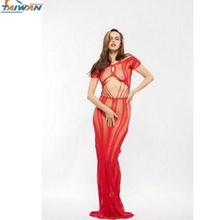
Company: Fu Chu Knitting Co. Ltd
• One size, plus size • Made of 94% nylon, 6% spandex • MOQ: 1,200 pieces per size/color
One-piece fishnet bodystockings
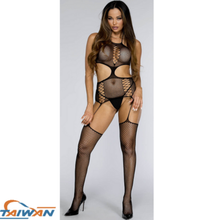
Company: Six Companions Fabric Industry Co. Ltd
• One size • Made of nylon, spandex • MOQ: 1,200 pieces per style/color

