




A subtype in the broad Li-ion category, LiFePO4 batteries have significantly grown in prominence in terms of technology and market, valued for their safety, longevity and cost advantages. They are widely used in electric vehicles, solar and other renewable energy systems as well as industrial, commercial, consumer and mobile applications.
In China, the leader in LFP battery manufacturing and technology, efforts continue to focus on achieving more breakthroughs in materials and processes to further boost cell performance. The country, after all, is the largest production base for anode and cathode materials.
According to information from the Power Battery Application Branch of the China Industrial Association of Power Sources, Chinese companies invested a total of $14.73 billion in 27 projects on cathode materials between January and August 2025, and $6.8 billion in 14 ventures on anode materials.
High compaction density
One initiative focuses on realizing a high compaction density in materials. This permits the use of more active inputs in the same space, increasing energy density and improving fast charging. The result is smaller but high-capacity cells.
Many Chinese companies are already producing such LFP materials, including Dynanonic, Hunan Yuneng, Fulin PM and Lopal. Fourth-generation inputs, with 2.6 to 2.7g per cubic centimeter, are currently in mainstream supply in China.
However, first-tier upstream suppliers are pressing on to top this range. Dynanonic has already introduced its latest generation of materials with a compaction density of up to 2.7 to 2.75g per cubic centimeter, while Hunan Yuneng’s similar undertaking is underway.
The use of composite materials has also been gaining ground in recent years. Dynanonic has developed an LFP-LMFP combination, which benefits from the high stability of lithium iron phosphate and the high voltage of lithium manganese iron phosphate. With this composite material, a single cell can reach an energy density of more than 195Wh/kg and a life span of 2,000 cycles.
Dry electrode technology
In terms of technique, the dry electrode process is expected to attract more attention in China as its industrialization and commercialization continue. This technique can lower energy consumption by 45 percent and equipment costs by 30 percent compared to the widely used wet electrode method. More importantly, it paves the way for next-generation solid-state batteries, according to a June 2025 article in the Advanced Materials journal.
One breakthrough in this sphere is Shenzhen Tsingyan’s powder-into-films (PIF) technology from research done at Tsinghua University. This is a solvent-free process, which eliminates not only the use of the chemical but also the need for drying and solvent recovery equipment. In April 2025, Shenzhen Tsingyan announced China’s first fully automated dry electrode production line for 0.1GWh Li-ion batteries. The company is said to follow through with the planned construction of a 5GWh line in 2026.
Meanwhile, Huizhou-based EVE, a major global player in the field of batteries, plans to install dry electrode process lines in its factories in 2026.
Market drivers
Globally, the LFP battery market reached $52.2 billion in 2025 and is projected to hit $168.02 billion by 2033, posting a CAGR of 15.75 percent from 2026, according to market research company SNS Insider.
EVs and ESS accounted for most shipments of LiFePO4 batteries in recent years, and this trend will persist as the green trend snowballs.
In China, these batteries represented more than 65 percent of installed motive batteries in 2025, according to Chinabaogao, while their share in the energy storage sphere was at least 82 percent. As for exports, GGII Energy Storage Research Institute said that volume reached 33.1GWh as early as the first half of 2025 or a 37 percent increase over the same period in the previous year.
Expansion continues
Despite trade challenges, China is going ahead with expansion plans, with new investment continue to pour in.
Ganfeng Lithium, for instance, has accelerated the construction of its 395,000sqm production base in Dongguan. The company, headquartered in Xinyu, Jiangxi, allocated a total of $690 million for this project, which will start mass production in 2026. The expected annual output is 10GWh LiFePO4 batteries for EVs, energy storage and industrial applications.
Because of the US tariffs, Chinese exporters have shifted their attention to Europe and Asia. Based on customs statistics, Germany has replaced the US as the largest overseas destination of China-made lithium batteries since May 2025. Shipments to the country were valued at $6.515 billion by the end of the first half of 2025. This figure represented 19.1 percent of China’s total outbound deliveries and marked an increase of 11.5 percent over the same period in 2024.
Other battery manufacturers have set up factories abroad to extend their reach worldwide. One example is AESC’s new factory in Tennessee in the US. The company, majority-owned by Chinese clean energy giant Envision Energy, started mass production in April 2025, with an annual turnout of 7GWh LiFePO4 batteries. It also established production bases in Japan, France and Spain.
Manufacturing pool
There are hundreds of LFP battery suppliers in China, and they include homegrown top industry players such as CATL, BYD, CALB, Gotion and EVE.
Most factories are found in coastal areas, including Shenzhen, Dongguan, Zhongshan, Suzhou, Changzhou, Hangzhou and Ningbo, with others inland in Shandong, Shaanxi and Sichuan.
Widely available LiFePO4 batteries have 3.2V rated voltage, 3.6 to 3.65V charge cutoff voltage, over 180Wh/kg energy density and more than a 3,000-cycle life span per cell. Their applications range from EVs and ESS to medical and industrial applications.
There are others such the second-generation Shenxing batteries released by CATL in April 2025. These units are based on 12C supercharging rate technology and can support a travel range of up to 520km within five minutes of charging. In addition, they can be charged from 5 to 80 percent in 15 minutes even in under -10 C conditions.
Because of China’s comprehensive battery supply chain, all materials come from domestic suppliers. They include cathode and anode materials, electrolytes, separators and shells. It remains to be seen if the cost of LFP materials will continue to drop in 2026. In 2025, this resulted in lower prices of entry-level battery models, while that of advanced units stayed at a relatively high level.
The products in this gallery have been handpicked by our China market analyst for representing current trends in LiFePO4 batteries from China makers.
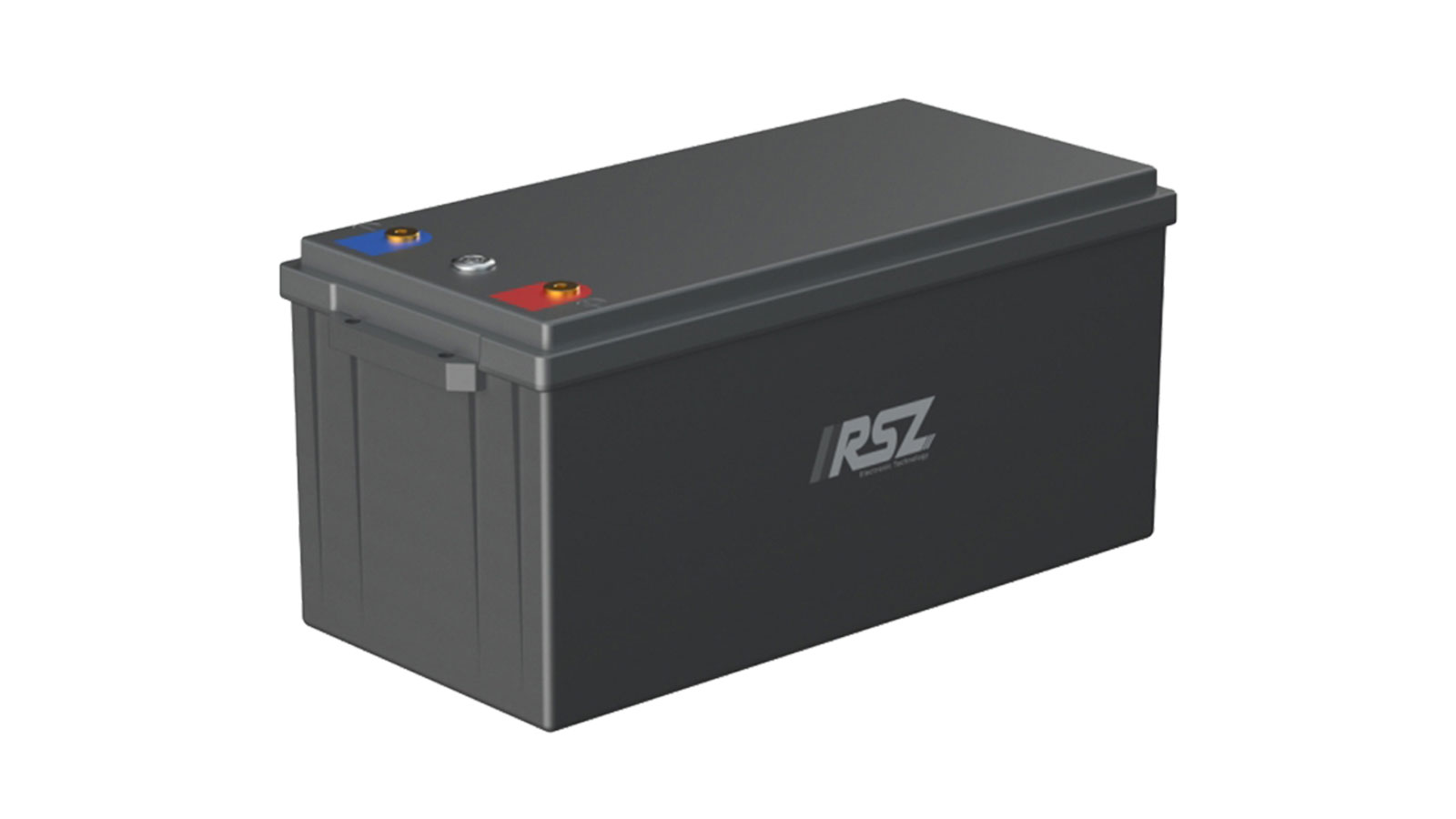
24V, 135Ah LiFePO4 battery
Company: Dongguan Rishengzhi New Energy Technology Co. Ltd
Dongguan Rishengzhi offers the N274 LiFePO4 battery with 24V voltage, 135Ah capacity and IP65 water resistance ratings. Dimensions are 522x238x218mm.
MOQ: Negotiable
Lead time: 7 days
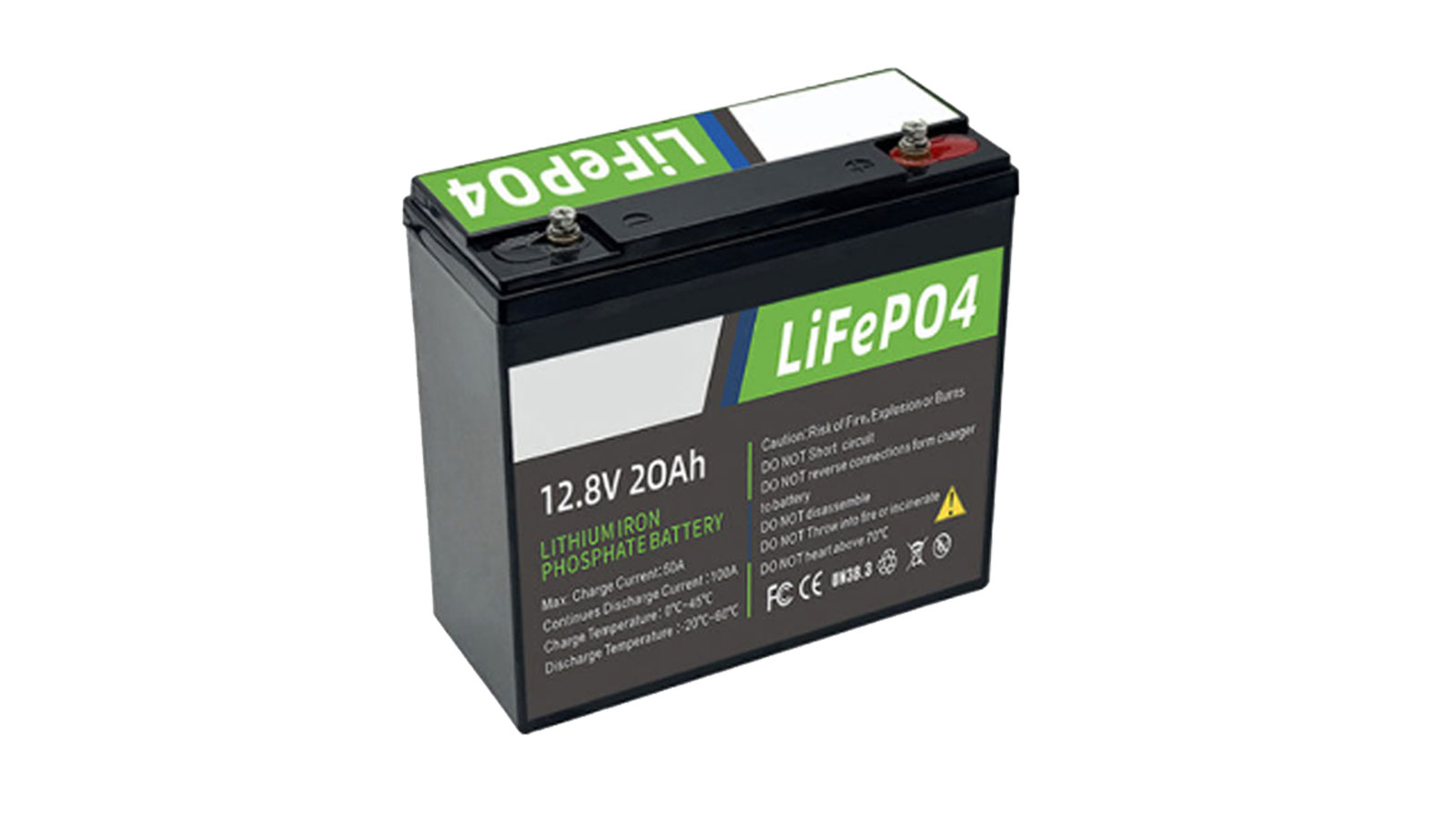
12.8V, 20Ah LiFePO4 battery
Company: Shenzhen Boye Energy Co. Ltd
The LP-196 LiFePO4 battery from Shenzhen Boye has 12.8V voltage, 20Ah capacity, 50A maximum charge and 100A continuous discharge current, and 0 to 45 C charge and -20 to 60 C discharge temperatures. It conforms to UN 38.3, CE and FCC standards.
MOQ: 10 units
Lead time: 5 days
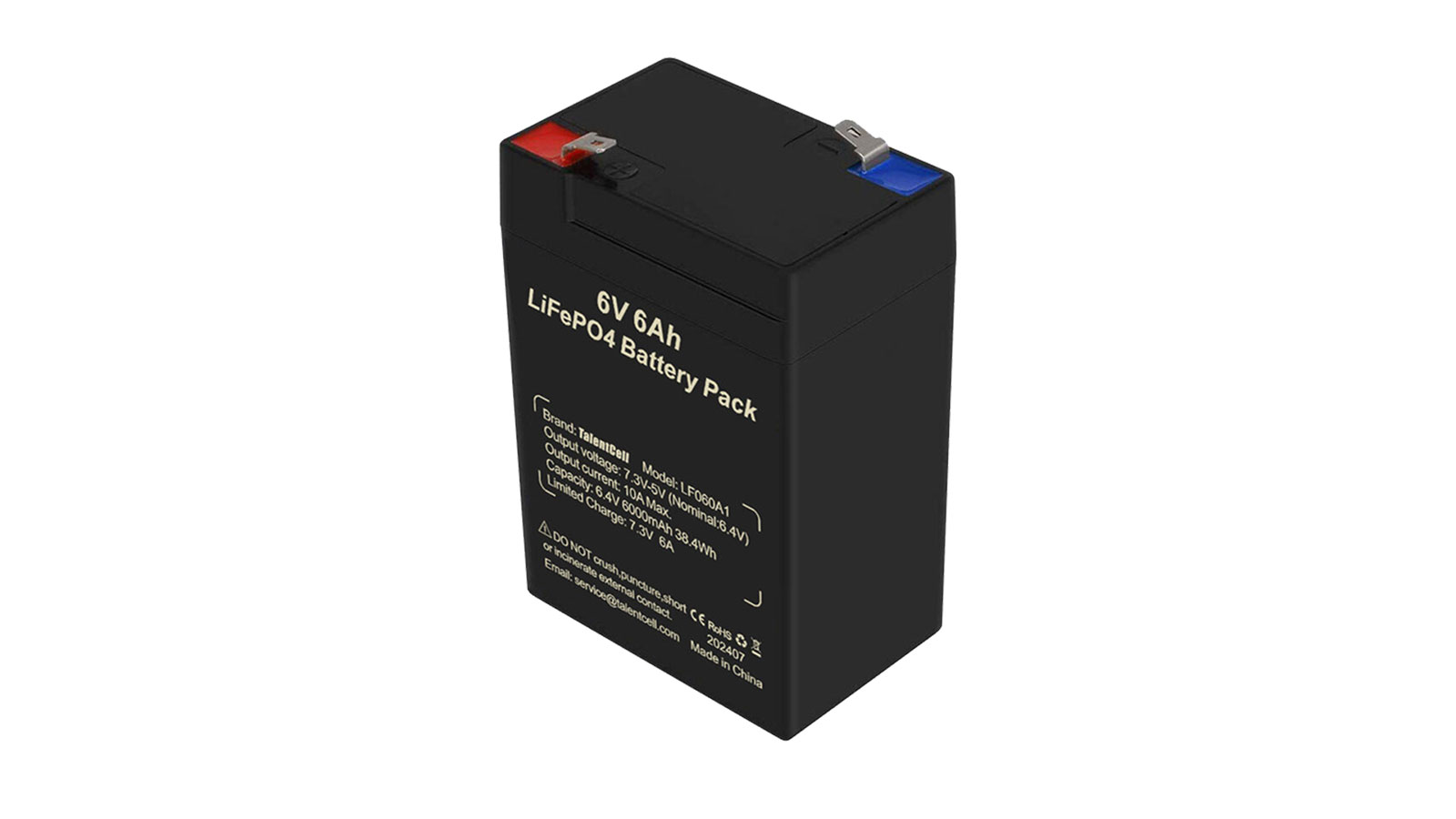
6.4V, 6Ah LiFePO4 battery
Company: Shenzhen Yabo Power Technology Co. Ltd
The LF060A1-13 LiFePO4 battery from Shenzhen Yabo has 6.4V voltage, 6Ah capacity, 38.4Wh energy, less than 80mohm internal resistance, and 0 to 45 C charge and -20 to 60 C discharge temperatures. The life span is more than 2,000 cycles at 0.2C charge and discharge current, 100 percent DoD and 70 percent end-of-life capacity.
MOQ: 2 units
Lead time: 15 days
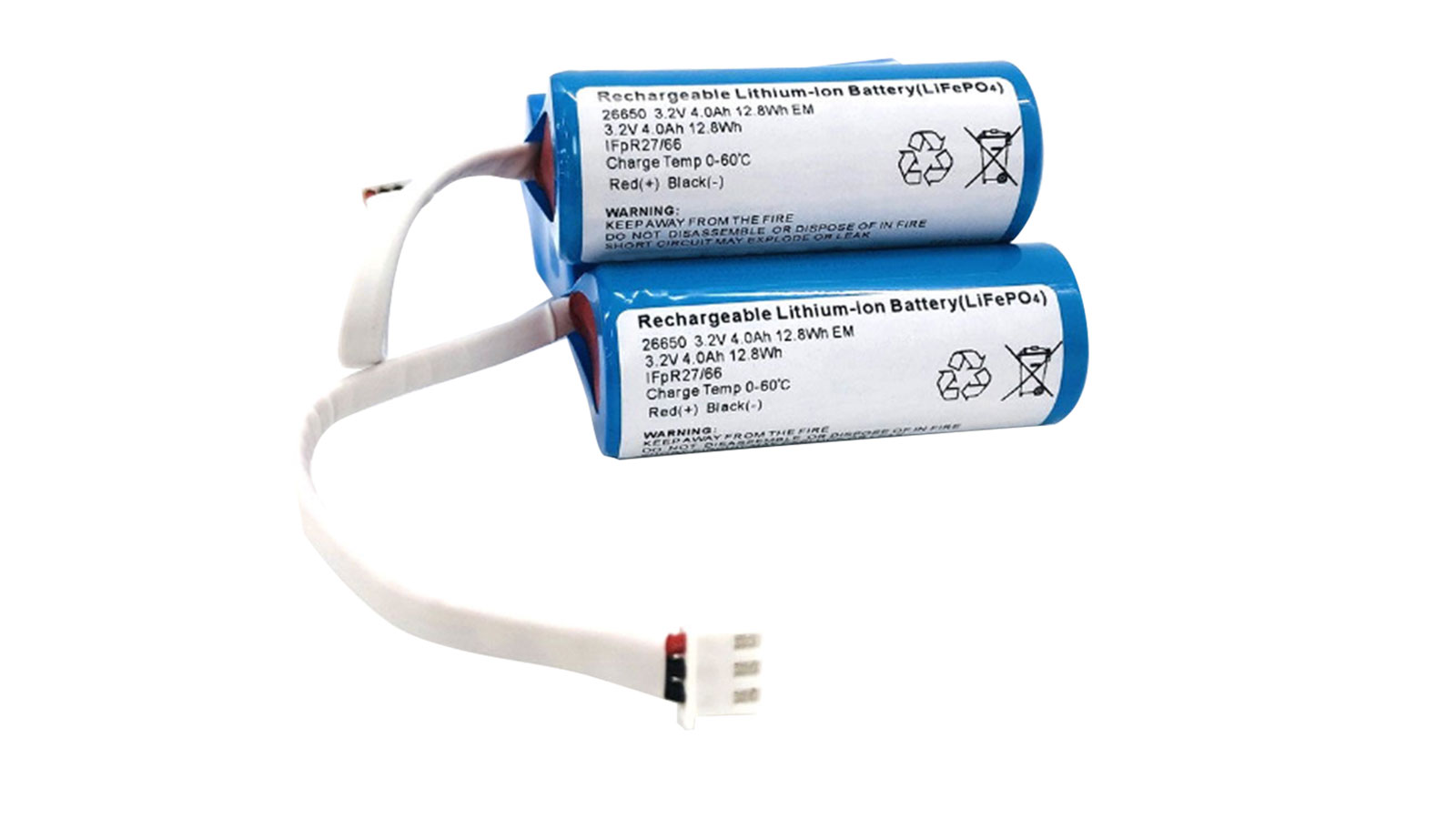
3.2V, 4Ah LiFePO4 battery
Company: Suzhou Foberria New Energy Technology Co. Ltd
From Suzhou Foberria, the LFP26650 3.2V is a LiFePO4 battery with 3.2V, 4Ah rating, 0 to 45 C charge and -20 to 60 C discharge temperatures and more than 3,000-cycle life span. It has built-in overcharge, -discharge, -current and -temperature protection.
MOQ: 10 units
Lead time: 7 days

