




Image from iStock
Industrial machinery encompasses a vast array of specialized equipment designed to transform raw materials, process agricultural products, handle heavy loads and shape infrastructure. While these machines serve distinct industries and applications, they share common characteristics of precision engineering, robust construction and the capacity to perform tasks at scales impossible through manual labor alone.
Tablet presses in pharmaceutical and nutraceutical manufacturing
Tablet presses represent some of the most precise equipment in industrial manufacturing, compressing powdered materials into solid tablets with exacting specifications for weight, hardness, thickness and dissolution characteristics. These serve pharmaceutical, nutraceutical, confectionery and chemical industries where consistent tablet properties are essential for product efficacy, safety and regulatory compliance.
There are single-punch presses, also called eccentric or single-station presses, that produce one tablet per cycle and are typically used for research, development and small-batch production. Rotary tablet presses, on the other hand, contain multiple die stations around a rotating turret, enabling continuous high-speed production that can exceed one million tablets per hour on the largest machines.
The pharmaceutical industry’s stringent regulatory environment shapes tablet press design and qualification processes. Equipment must be designed for cleanability, with smooth surfaces, minimal crevices and materials that resist corrosion from cleaning agents. Installation, operational and performance qualification protocols verify that equipment operates according to specifications and produces consistent results. Documentation systems track calibration, maintenance and operating parameters to satisfy regulatory
auditors.
Rocker milling machines for metal removal
Rocker milling machines occupy a specific niche within the broader category of milling equipment, offering manual operation and mechanical simplicity that make them suitable for toolrooms, maintenance shops, educational settings and small-scale production environments.
Despite the prevalence of CNC technology in production environments, rocker milling machines remain valuable for applications where flexibility, simplicity and operator skill provide advantages over automated systems. They have fewer components than CNC units and require no specialized electronics or software expertise for maintenance.
Maintenance departments use them to fabricate replacement parts quickly without waiting for external suppliers or programming resources. Educational institutions teach fundamental machining principles on equipment that demonstrate the direct relationships between machine movements and workpiece features. Small job shops serve customers who need quick turnaround on prototype and low-volume work.
Fruit and vegetable processing machines for product transformation
Fruit and vegetable processing machinery transforms raw agricultural products into preserved, packaged forms suitable for extended storage, transportation and consumption. These machines address the fundamental challenge of agricultural production, which is the mismatch between seasonal harvest periods and year-round consumption demands. Processing equipment enables food manufacturers to capture nutritional value and economic return from perishable products that would otherwise spoil.
Hygiene considerations dominate fruit and vegetable processing equipment design. Food contact surfaces must resist corrosion, clean easily and avoid harboring microbial contamination. Stainless steel construction is standard throughout processing facilities. Sanitary design principles eliminate crevices, dead spaces and horizontal surfaces where product residues could accumulate. Clean-in-place systems enable thorough equipment sanitization without disassembly.
Block making machines for producing building blocks
Block making machines manufacture concrete masonry units that form walls, foundations and structural elements for buildings worldwide. These compress concrete mixtures into standardized shapes that cure to form strong, durable building components. Block production represents a significant industry serving construction markets from residential housing to commercial and industrial facilities.
Vibration plays a crucial role in block manufacturing, consolidating concrete within molds to eliminate voids and achieve uniform density. Vibrating tables, mold vibrators, and combined systems apply energy at frequencies and amplitudes optimized for specific concrete mixtures and block configurations.
Block making equipment ranges from simple manual machines suitable for small-scale local production to highly automated systems producing thousands of units per hour. Manual machines require significant labor input but offer low capital requirements appropriate for developing markets and remote locations. Semiautomatic types mechanize compression and stripping operations while relying on manual feeding and handling. Fully automatic systems integrate batching, mixing, forming, curing and palletizing with minimal manual intervention, achieving high productivity and consistent quality.
Lift trucks, material handling workhorses
Lift trucks move, transport and position loads ranging from individual pallets to massive industrial components, enabling efficient material flow through warehouses, factories, ports and construction sites.
Lifting capacity ratings specify the maximum load weight at a defined load center distance that lift trucks can safely handle. Mast configurations, which may be two- or three-stage, affect both lifting height and overhead clearance requirements, while tilt capability aids load pickup and improves load stability during transport.
Automation is transforming lift truck applications as autonomous guided vehicles and autonomous mobile robots assume tasks, excelling at repetitive transport tasks in structured environments with consistent load characteristics. Human operators, meanwhile, retain advantages for tasks requiring judgment, adaptability and operation in uncontrolled environments. As such, many facilities employ hybrid approaches with automated systems handling routine transport while human operators focus on higher-value activities.
Asphalt cold milling machines for pavement rehabilitation
Asphalt cold milling equipment removes deteriorated pavement surfaces to prepare for rehabilitation or reconstruction. These powerful machines use rotating drums studded with cutting teeth to grind asphalt and underlying materials, creating textured surfaces ready for overlay or complete pavement section replacement.
Cold milling has become the predominant method for pavement rehabilitation due to its efficiency, precision and ability to recycle removed material.
Common themes in industrial machinery
Despite serving vastly different industries and applications, these six equipment categories share fundamental characteristics that define industrial machinery more broadly.
Precision and consistency represent essential requirements across all categories. This demands careful engineering, quality manufacturing and proper maintenance to sustain performance throughout equipment life.
Productivity and efficiency drive continuous equipment development as manufacturers seek competitive advantages through machines that produce more output with less input.
Safety considerations shape equipment design, operation and regulation, while maintenance requirements affect equipment availability and total ownership costs.
Technology integration continues transforming industrial equipment. Digital controls replace mechanical systems for precise parameter adjustment and automated operation, while sensors collect operational data that informs maintenance decisions and process optimization.
Connectivity allows remote monitoring, diagnostics and software updates. These technological layers add capability but also complexity, requiring new skills from operators and maintenance personnel.
Future industrial machinery
As industries evolve in response to sustainability imperatives, automation capabilities and changing market demands, industrial machinery will continue adapting while maintaining its essential role in transforming materials, processing products and building infrastructure.
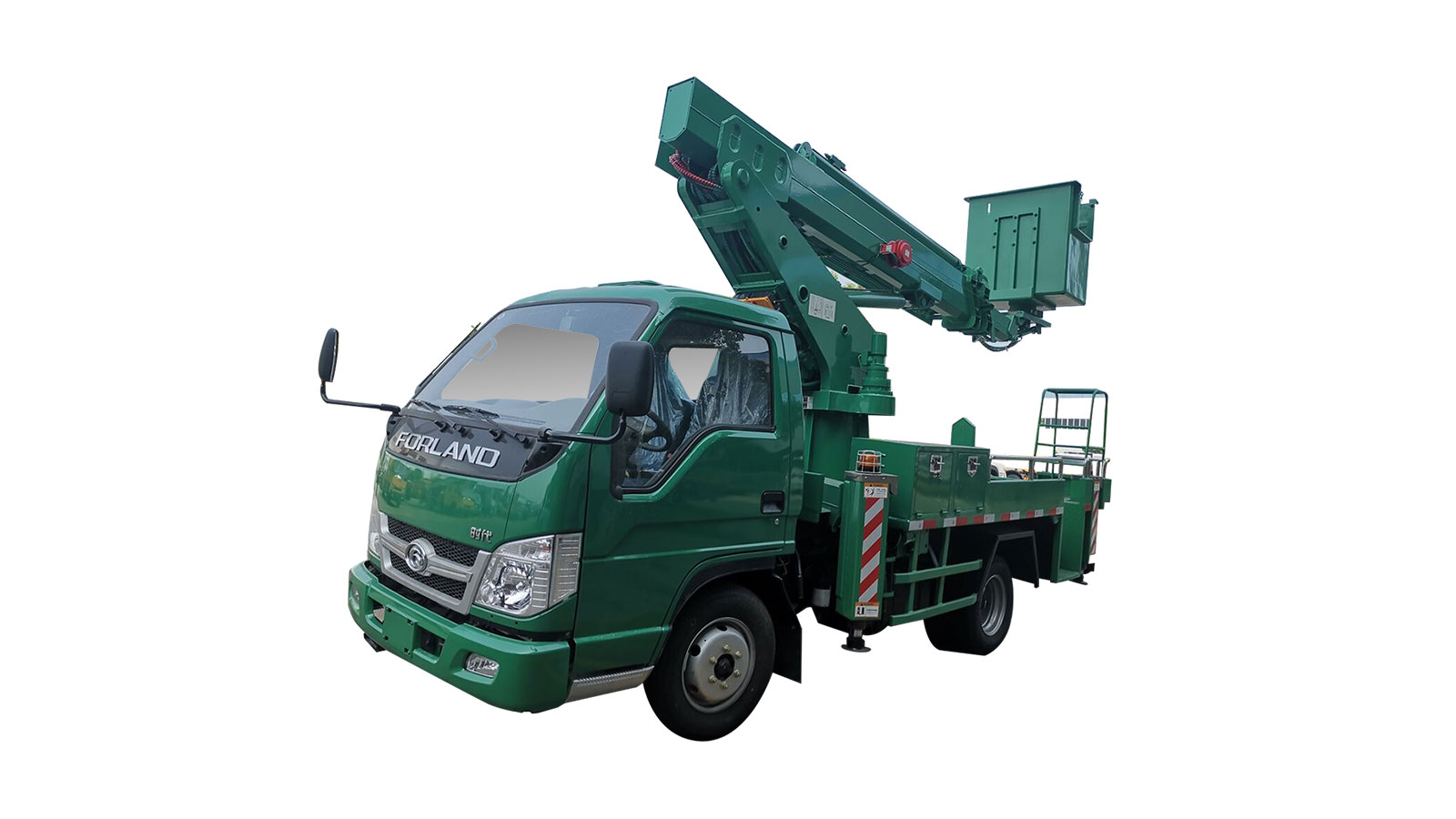
Lift truck
Company: CLW Special Automobile Co. Ltd
CLW markets the CLW5060JGKD5-5479, a Forland-branded lift truck with a telescopic riser and an aerial work platform, with the latter part made of high-strength aluminum alloy. This equipment automatically limits height and amplitude based on the load and has an automatic emergency pump that can lower the crew back to the ground when the engine and main pump fail. The MOQ and the lead time are provided on direct inquiry.
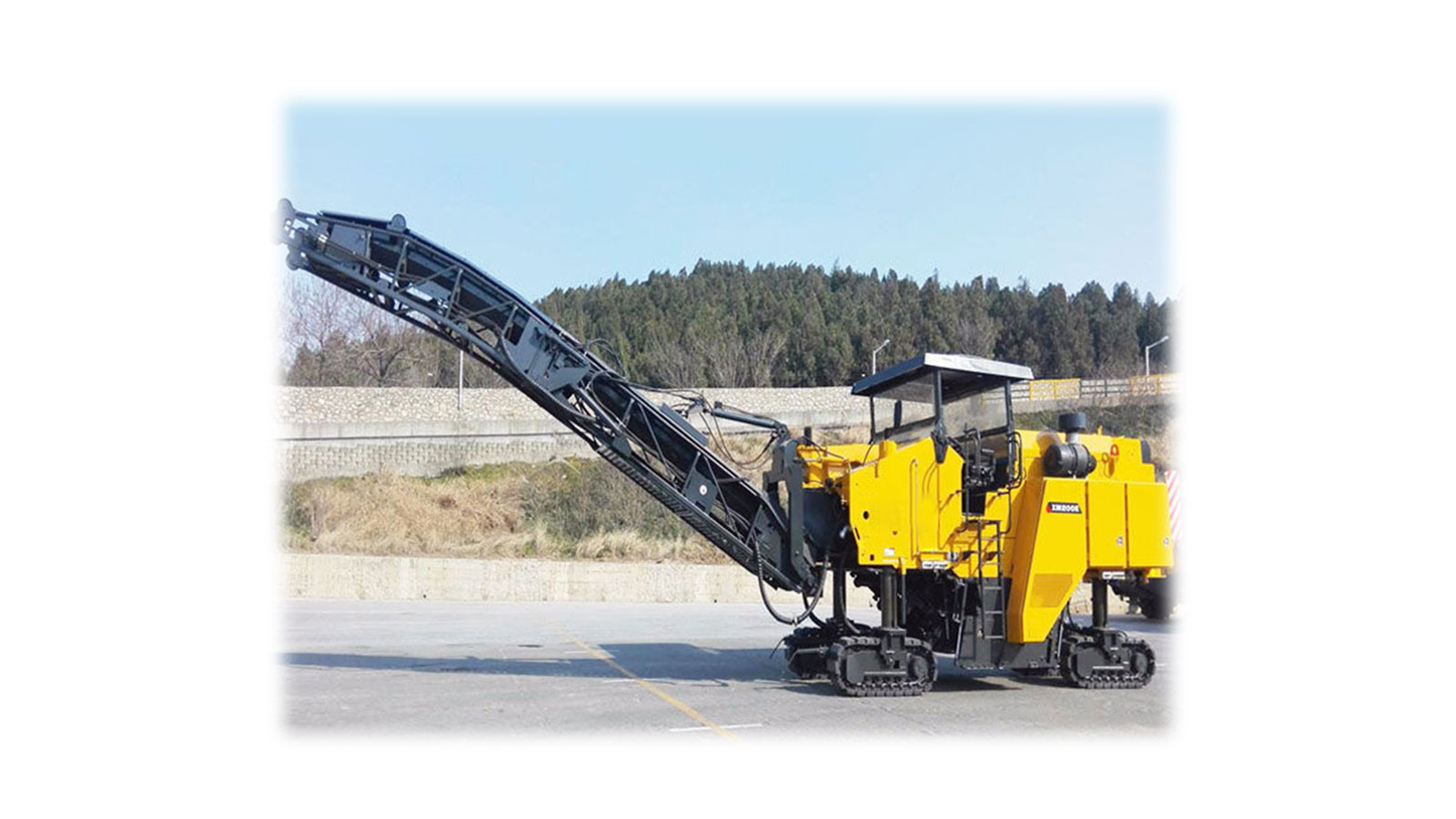
Mini asphalt cold milling machine
Company: Maxizm Construction Machinery (Qingdao) Co. Ltd
Maxizm offers the XM1003-A-9154, a mini asphalt cold milling machine. This equipment, with hydraulic-mechanical drive mode and 162kW rated power, has 1,000mm milling width, 180mm maximum milling depth and 0 to 45-meter/min operating speed. Its ground clearance is 180mm and the theoretical climbing ability is 50 percent. Machine weight is 15,600kg.
Lead time: 20 to 30 days
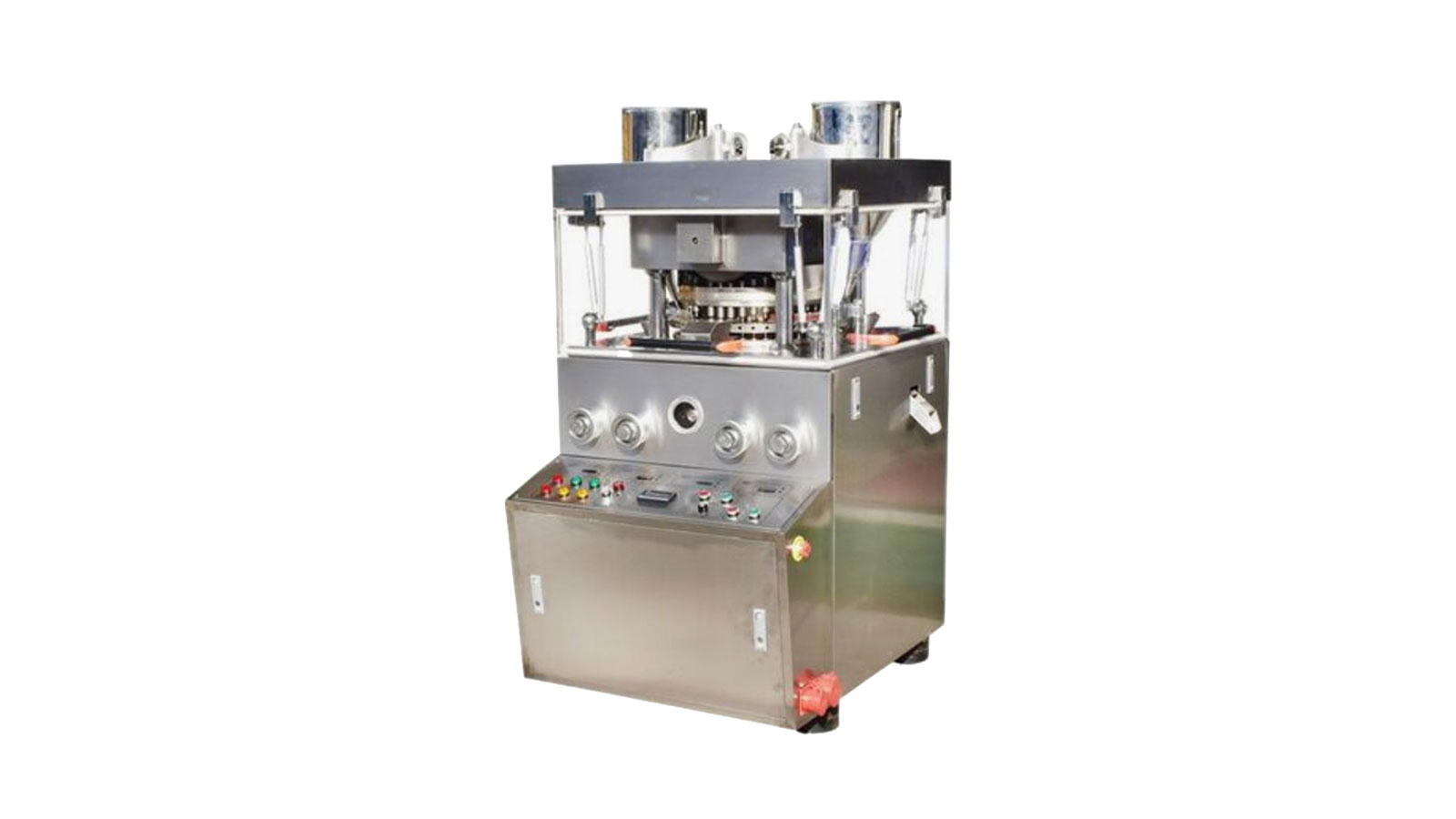
Tablet press
Company: Qingdao Huahan Machinery Co. Ltd
Qingdao Huahan markets a series of tablet presses, with one type having 27 stations and 30rpm turret speed. The equipment delivers a maximum pressure of 100kN and has a capacity of 90,000 tablets per hour. It has 25mm maximum filling depth and 12mm-diameter upper punch. The maximum diameter of tablets that can be produced is 22mm. Overall machine dimensions are 1,240x980x165mm and net weight is 1,850kg.
MOQ: 1 unit
Lead time: 25 to 30 days
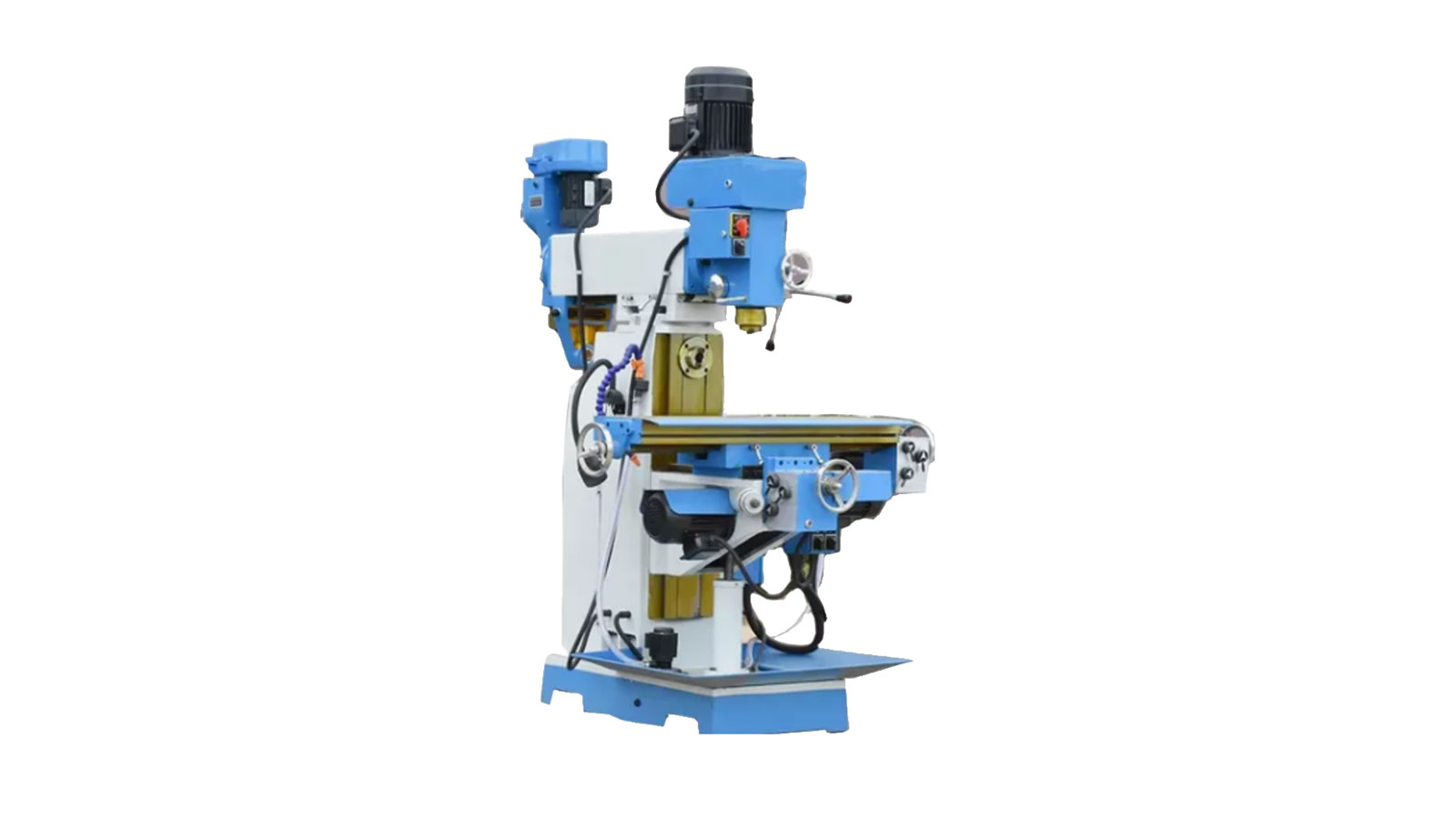
Rocker milling machine
Company: Shandong Innovation Future Machinery and Equipment Co. Ltd
This rocker milling machine from Shandong Innovation has a maximum drilling diameter of 50mm. The distance from spindle end face to worktable is 320 to 1,220mm and from spindle center to column generatrix is 350 to 1,600mm. The spindle travel is 315mm, speed range 25 to 2,000rpm and speed series 16 steps while the rocker arm rotation angle is 180 degrees. This 3,500kg unit has a 4kW main motor and a 1.5kW lifting motor. Overall dimensions are 2,500x1,070x2,840mm.
Lead time: 15 to 25 days
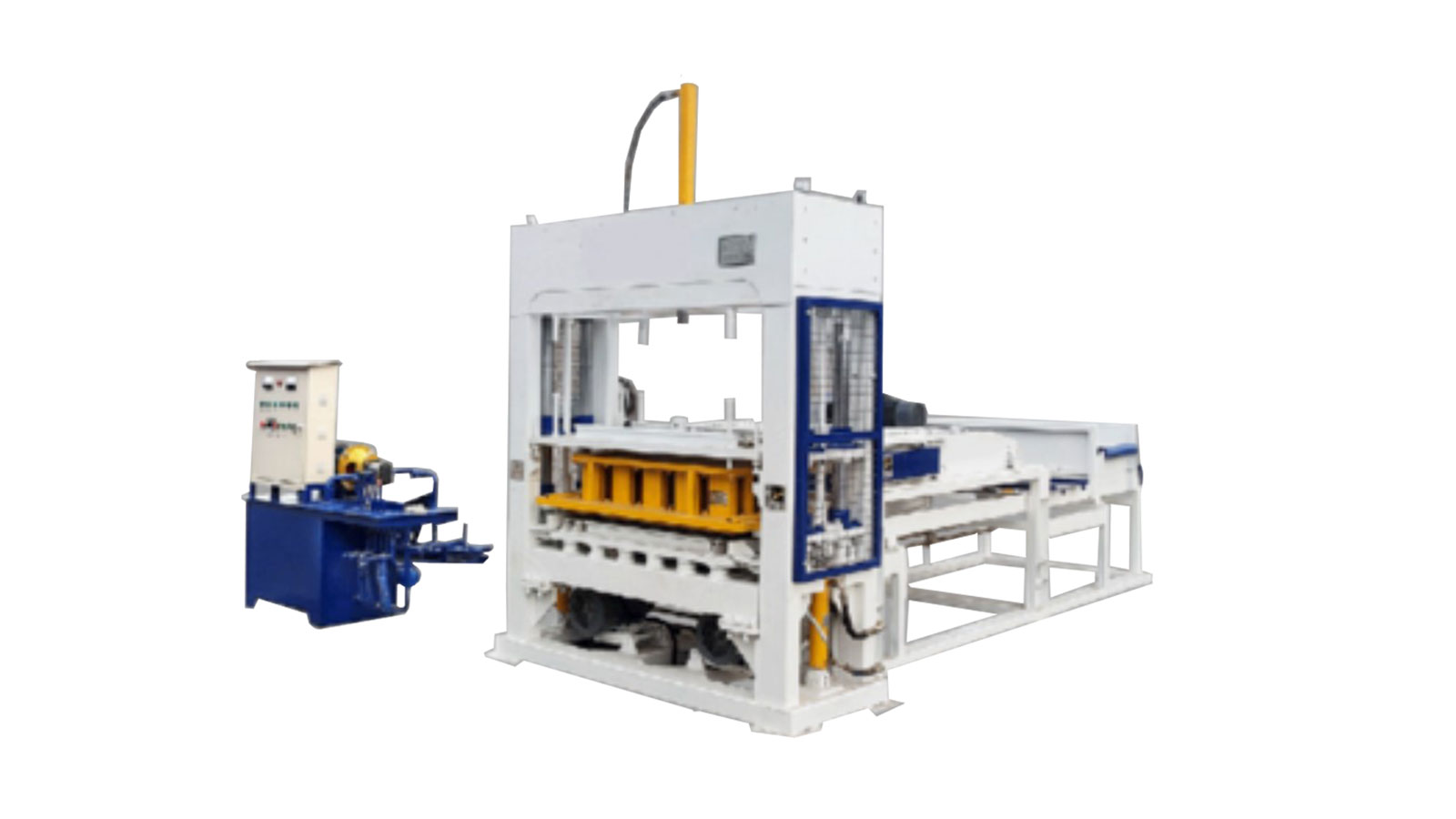
Automatic block making machine
Company: Sinomada Heavy Industry (Changsha) Co. Ltd
The QT5-15 automatic block making machine can be sourced from Sinomada. It can handle dry, semidry and wet shotcrete and has a vibration table with a frequency of 4,200rpm and a force of 70kN. This 10-ton equipment, with 35.2kW power, has a pallet measuring 1,150x580mm. The cycle time is 12 to 16 seconds. Machine dimensions are 3,000x1,900x2,930mm.
Lead time: 1 to 15 days
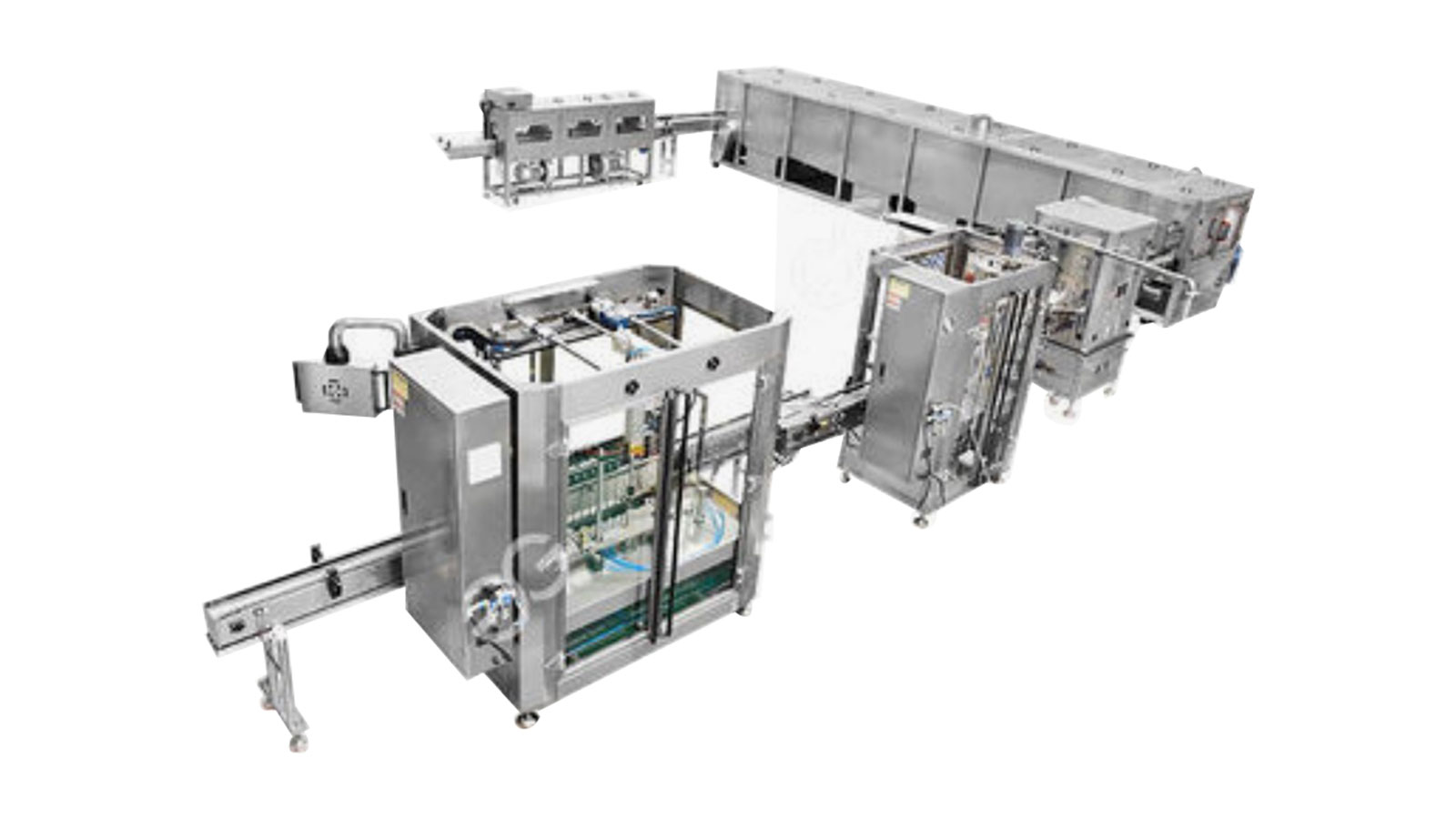
A-to-Z fruit and vegetable processing machine
Company: Gelgoog Intelligent Technology Co. Ltd
Gelgoog’s model GG-Apple Juice-4064 is an A-to-Z automatic apple juice processing machine for pulping and separating fruits and vegetables to turn them into juices or jams. It can complete peeling, pulping and separating of pits and seeds. This CE-marked equipment is made of stainless steel and has a voltage rating of 380 or 220V.
Lead time: 30 to 45 days

