Download App
Better Online and Trade Show Sourcing Experiences.Scan the QR code to download.
Learn More
Hot Topics
The FAA has removed the requirement for commercial drone operators to have a pilot’s license, furthering the US market’s lead over others, notably the EU.
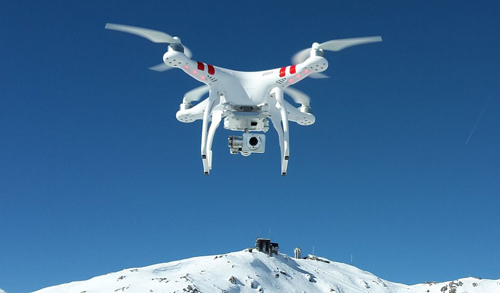
Shenzhen-based DJI is the largest drone company in the world, and it has worked
to educate consumers about drone regulations (Source: Wikimedia)
The US Federal Aviation Administration has finally removed a regulation that required commercial drone operators to have a pilot's license. The new rule necessitates a less stringent certificate awarded after a test on knowledge of flying drones. This is a big move as it makes commercial UAV flying a lot cheaper and opens the pool of potential drone operators. As the US market continues to loosen regulations for commercial UAV activity, however, Europe is struggling to establish region-wide standards for drone use in general.
The drone industry is pushing for universal standards in the European Union. Different standards in different countries can make it difficult to sell across Europe, which largely operates as a single market in other respects. This is especially relevant to companies, which would benefit by being able to market a single product in all EU countries. Currently, 18 EU members have their own national rules concerning drones.
Consumers want limits on what drones can do and where they can fly. There has been increased public concern over near midair collisions. The EU is in the process of giving the European Aviation Safety Agency the authority to regulate drones of all sizes. The US controls drones differently based on size and flying altitude. Those that weigh less than 250g do not need to be registered with the FAA. There is also a different process for drones that weigh more than 25kg.
For those selling drones in the US, this is good news. The market is continuing to advance in liberalizing commercial UAV use. Conspicuously missing so far, though, are regulations concerning autonomous flying. So far, that is still not allowed, but many companies such as Amazon and Wal-Mart are clamoring for it and already testing the technology.
More Sourcing News
Read Also

关注 “环球资源外贸” 官方微信,获取实时外贸资讯
iOS & Android
iOS & Android(Mainland China)
Copyright © 2026 Publishers Representatives Limited. All rights reserved.




