




The wearable technology market continues its remarkable expansion, with global shipments reaching 136.5 million units in Q2 2025, representing a 9.6% year-over-year increase . Market valuations tell an equally compelling story, with the sector estimated at USD 84.2 billion in 2024 and projected to grow at a compound annual growth rate of 13.6% through 2030 . This growth reflects not just consumer enthusiasm but fundamental shifts in how individuals and organizations approach health monitoring, fitness optimization, and data-driven wellness strategies.
The Evolution of Wearable Technology Trends
From Simple Trackers to Sophisticated Health Ecosystems
Trends in wearable technology have moved far beyond basic step counting. Today's devices integrate multiple sensors, artificial intelligence capabilities, and cloud connectivity to deliver comprehensive health insights . The transformation encompasses three dominant categories: fitness trackers, smartwatches, and performance wearables, each serving distinct user needs while sharing increasingly sophisticated technological foundations .
Early adopters focused primarily on activity tracking, but current wearable technology market trends reveal a shift toward medical-grade monitoring and preventive health management. Devices now measure heart rate variability, blood oxygen saturation, sleep architecture, and stress indicators with clinical precision . This evolution positions wearables as bridges between consumer wellness and professional healthcare, creating new opportunities for both individual users and healthcare providers.
Generative AI Integration Reshapes User Experience
Generative AI represents one of the most transformative forces in current wearable technology trends . Rather than simply presenting raw data, AI-powered wearables interpret patterns, predict health events, and offer personalized recommendations. This intelligence layer converts sensor readings into actionable insights, making complex health data accessible to users without medical training.
The integration extends beyond analysis to include conversational interfaces, adaptive coaching, and predictive alerts. Wearables equipped with generative AI can recognize irregular patterns before they become apparent to users, potentially identifying early warning signs of conditions ranging from cardiac arrhythmias to sleep disorders . For enterprise applications, this capability enables proactive health management programs that reduce healthcare costs while improving employee wellbeing.
Health Monitoring Advances Driving Market Growth
Clinical-Grade Measurements Enter Consumer Devices
Healthcare applications now dominate discussions of trends in wearable technology, with devices achieving measurement accuracy previously reserved for clinical settings . Continuous glucose monitors, ECG sensors, and blood pressure trackers have transitioned from hospital equipment to wrist-worn devices, democratizing access to vital health metrics .
This clinical convergence creates value across multiple stakeholder groups. Patients with chronic conditions gain continuous monitoring without frequent clinic visits, while healthcare providers receive longitudinal data that reveals patterns invisible in snapshot measurements . Insurance companies and employers increasingly incorporate wearable data into wellness programs, using objective metrics to guide interventions and measure outcomes.
Remote Patient Monitoring and Telehealth Integration
The Internet of Medical Things has transformed wearables from standalone devices into nodes within connected healthcare ecosystems . Real-time data transmission enables remote patient monitoring programs where physicians track patient metrics continuously, intervening when readings suggest deterioration . This capability proved particularly valuable during healthcare access challenges, accelerating adoption among both providers and patients.
Wearable technology in healthcare settings extends beyond monitoring to include medication adherence tracking, rehabilitation progress measurement, and post-surgical recovery assessment . Hospitals and clinics deploy wearables to reduce readmission rates, optimize resource allocation, and extend care beyond facility walls. The data streams generated inform treatment adjustments, validate intervention effectiveness, and support evidence-based care decisions.
Fitness and Performance Applications
Personalized Training and Recovery Optimization
Wearable technology trends in fitness have evolved from generic activity tracking to highly personalized training optimization. Modern devices analyze workout intensity, recovery status, and performance readiness, adjusting recommendations based on accumulated data and physiological responses . Athletes and fitness enthusiasts gain insights previously available only through expensive laboratory testing or professional coaching.
Performance wearables now measure metrics including lactate threshold estimation, running power output, and biomechanical efficiency . These measurements enable precise training zone targeting, injury risk assessment, and technique refinement. Fitness studios and gyms integrate wearable data into class experiences, creating competitive elements and community engagement while providing instructors with real-time feedback on participant exertion levels .
Sleep Tracking and Recovery Analytics
Sleep monitoring represents a rapidly growing segment within wearable technology market trends, addressing widespread interest in recovery optimization and sleep quality improvement . Advanced sensors track sleep stages, breathing patterns, and environmental factors, generating comprehensive sleep architecture analysis. Users receive insights into sleep efficiency, disturbance patterns, and recovery adequacy.
The applications extend beyond individual wellness to include sleep disorder screening and circadian rhythm optimization. Shift workers, travelers, and individuals with irregular schedules use wearable sleep data to minimize circadian disruption and maximize recovery quality. Healthcare providers increasingly reference wearable sleep data when evaluating fatigue-related complaints, using longitudinal tracking to identify patterns and validate treatment effectiveness.
Emerging Technologies and Future Directions
Beyond the Wrist: Expanding Form Factors
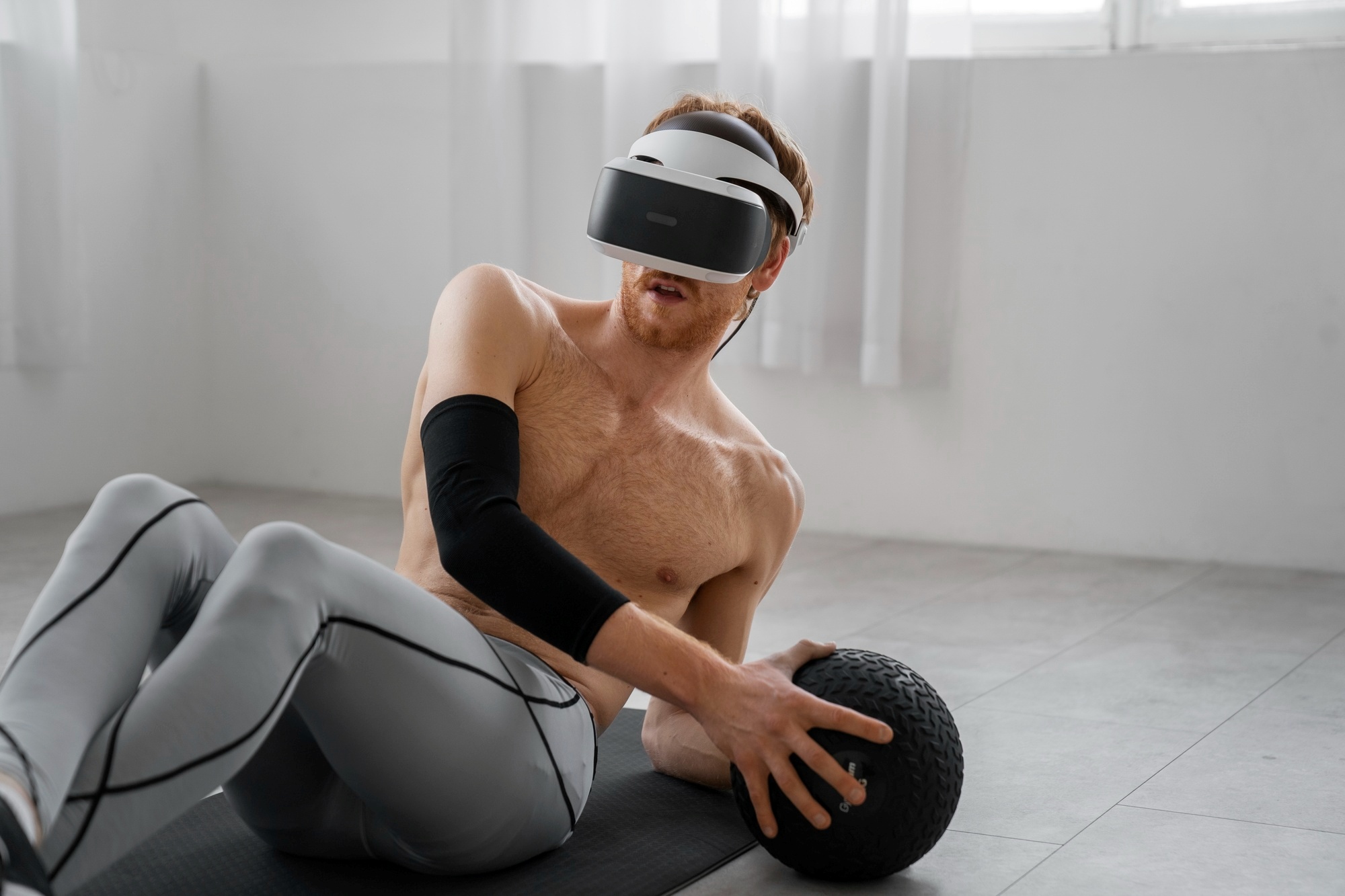
While smartwatches drive current market growth , emerging trends in wearable technology include diverse form factors designed for specific applications. Smart contact lenses under development promise continuous glucose monitoring and vision correction adjustment . Electronic tattoos and skin patches offer discreet, comfortable alternatives to wrist-worn devices, particularly for medical monitoring applications.
Ring-based wearables have gained traction among users seeking less obtrusive options, delivering sleep tracking and activity monitoring in minimal form factors. Clothing-integrated sensors, including smart fabrics with embedded monitoring capabilities, eliminate the need for separate devices while expanding measurement possibilities. These innovations address user preferences for discretion, comfort, and fashion compatibility while maintaining measurement accuracy.
Advanced Materials and Sensor Innovation
Material science advances enable new capabilities in wearable technology trends, with flexible electronics, biocompatible sensors, and energy-harvesting textiles expanding what devices can measure and how long they operate . Researchers develop sensors that detect biomarkers in sweat, including cortisol for stress monitoring and lactate for exercise intensity assessment. These non-invasive measurement approaches could eventually supplement or replace blood-based testing for various health indicators.
Battery technology improvements and energy harvesting techniques address persistent limitations around device runtime and charging requirements. Solar-integrated designs, kinetic energy capture, and ultra-efficient processors extend operational periods, reducing user burden and improving compliance. These developments particularly benefit medical monitoring applications where continuous operation proves essential.
Market Dynamics and Adoption Patterns
Consumer Segment Growth and Demographics
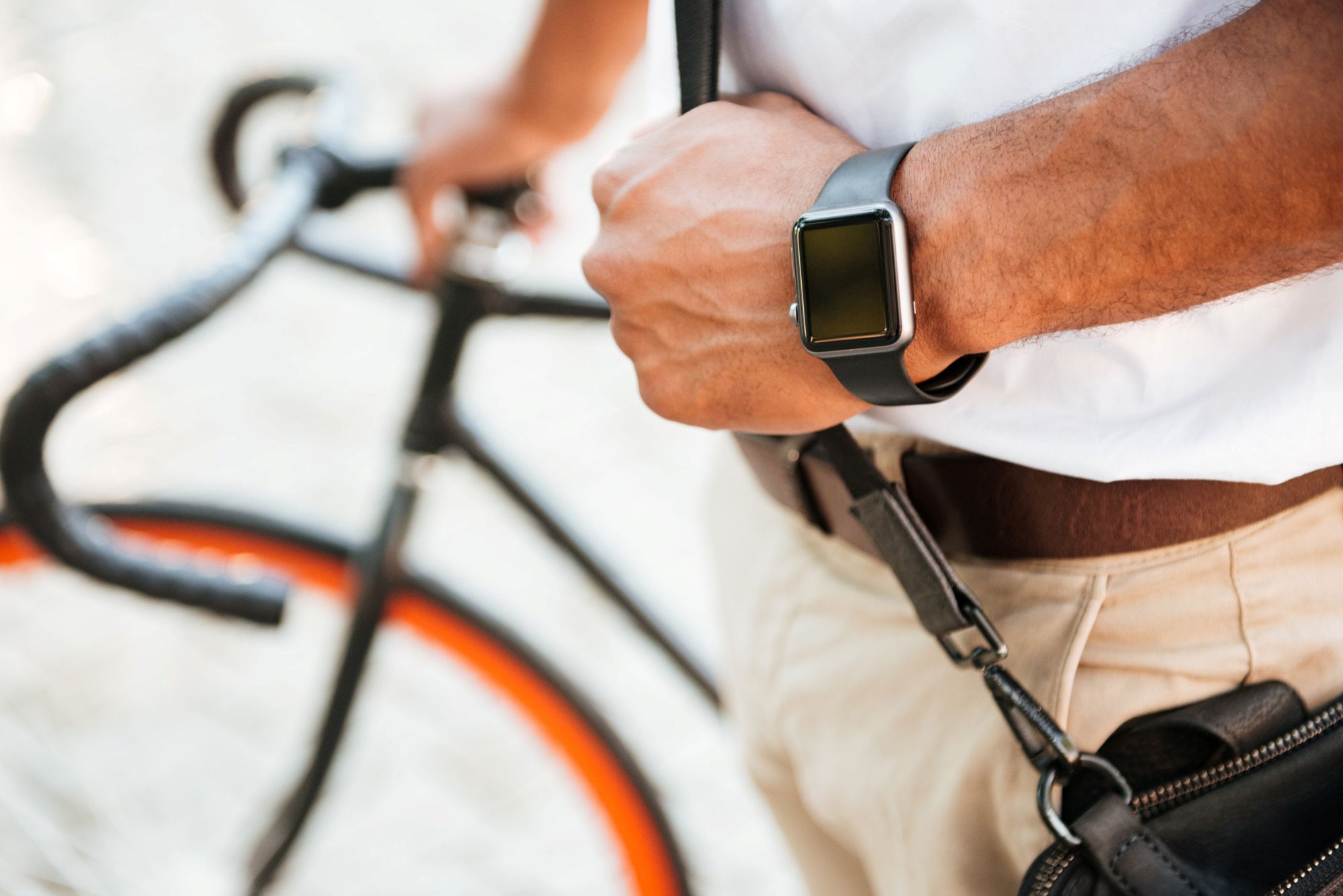
The wearable technology market exhibits strong growth across demographic segments, though adoption patterns vary by age, geography, and use case . Health-conscious consumers drive fitness tracker demand, while older adults increasingly adopt medical monitoring devices for chronic condition management . Younger demographics favor feature-rich smartwatches that integrate communication, entertainment, and fitness capabilities.
Regional variations reflect different healthcare systems, consumer preferences, and economic factors. Markets with high smartphone penetration and digital health infrastructure show stronger wearable adoption, while emerging markets demonstrate rapid growth as device costs decline and awareness increases . Manufacturers adapt product portfolios to address regional preferences, regulatory requirements, and price sensitivity.
Enterprise and Healthcare System Adoption
Corporate wellness programs represent significant growth opportunities within wearable technology market trends, with employers deploying devices to encourage healthy behaviors, reduce insurance costs, and improve productivity . Programs typically combine wearable distribution with incentive structures, challenges, and health coaching to drive engagement and behavior change.
Healthcare systems integrate wearables into care pathways for conditions including diabetes, hypertension, and cardiac disease . Pilot programs demonstrate reduced hospitalization rates, improved medication adherence, and enhanced patient satisfaction. Reimbursement models increasingly recognize remote monitoring value, creating financial incentives for provider adoption. Regulatory approvals for medical-grade wearables continue expanding, validating device accuracy and enabling clinical integration.
Privacy, Security and Data Governance
Protecting Sensitive Health Information
As trends in wearable technology generate increasingly detailed health data, privacy and security considerations gain prominence. Wearables collect intimate information about physical condition, location, and behavior patterns, creating potential vulnerabilities if inadequately protected . Manufacturers implement encryption, secure authentication, and privacy-preserving analytics to safeguard user data while maintaining functionality.
Regulatory frameworks including GDPR and HIPAA establish requirements for health data handling, though enforcement and compliance vary across jurisdictions and use cases. Users increasingly scrutinize data policies, seeking transparency about information collection, storage, and sharing practices. Companies that prioritize privacy and provide granular control over data sharing build trust and competitive advantage in privacy-conscious markets.
Data Ownership and Interoperability Challenges
Questions around data ownership complicate the wearable technology market, with users, device manufacturers, app developers, and healthcare providers all claiming interests in generated information. Clear policies establishing user rights and data portability support informed decision-making and prevent lock-in to proprietary ecosystems.
Interoperability remains a persistent challenge, with limited standardization hindering data exchange between devices, platforms, and healthcare systems . Industry initiatives work toward common data formats and APIs that enable seamless information flow, but fragmentation persists. Users benefit when wearable data integrates with electronic health records, fitness apps, and wellness platforms, creating comprehensive health profiles that inform better decisions.
Business Models and Monetization Strategies
Subscription Services and Continuous Value Delivery
Wearable technology trends increasingly incorporate subscription models that provide ongoing value beyond hardware sales. Manufacturers offer premium features including advanced analytics, personalized coaching, and extended data storage through recurring fees. This approach generates predictable revenue streams while funding continuous software improvements and feature additions.
Subscription tiers allow users to select service levels matching their needs and budgets, from basic tracking to comprehensive health management platforms. The model aligns manufacturer incentives with long-term user satisfaction, encouraging ongoing engagement and feature development. However, subscription fatigue and concerns about paying for previously free features create resistance among some user segments.
B2B Opportunities and Enterprise Solutions
Enterprise applications represent high-growth segments within wearable technology market trends, with specialized solutions for workplace safety, productivity optimization, and employee wellness . Industrial wearables monitor environmental hazards, track worker location, and detect fatigue or heat stress, reducing workplace injuries and improving safety compliance.
Healthcare organizations, insurance companies, and research institutions purchase wearable solutions at scale, seeking population health insights, clinical trial data collection, and risk stratification capabilities. These B2B relationships typically involve customization, integration services, and ongoing support, commanding premium pricing compared to consumer products. The enterprise focus drives development of ruggedized designs, extended battery life, and management platforms for device fleets.
Overcoming Adoption Barriers
Addressing User Engagement and Abandonment
Despite strong initial interest, wearable abandonment rates remain a concern within trends in wearable technology. Users discontinue device use when novelty fades, insights become repetitive, or devices prove inconvenient . Manufacturers combat abandonment through gamification, social features, and progressively deeper insights that maintain engagement over time.
Simplifying setup processes, improving comfort, and extending battery life address practical barriers to sustained use. Devices that integrate seamlessly into existing routines and provide timely, relevant feedback demonstrate higher retention rates. Personalization engines that adapt to individual preferences and goals help maintain user interest beyond initial enthusiasm.
Cost Considerations and Value Perception
Price sensitivity influences adoption across consumer and enterprise segments, with potential users weighing device costs against perceived benefits. Entry-level fitness trackers address price-conscious consumers, while premium smartwatches target users seeking comprehensive features and brand prestige . Demonstrating clear value through health improvements, cost savings, or performance gains justifies higher price points.
Insurance subsidies, employer wellness programs, and healthcare provider prescriptions reduce out-of-pocket costs, accelerating adoption among populations that benefit most from monitoring. As manufacturing scales and competition intensifies, device prices trend downward while capabilities expand, improving value propositions and broadening addressable markets.
The Road Ahead for Wearable Technology
The trajectory of wearable technology trends points toward deeper health integration, expanded measurement capabilities, and more sophisticated intelligence. Devices will likely detect additional biomarkers, predict health events with greater accuracy, and provide increasingly personalized guidance. Form factors will diversify, offering options for every preference and use case while maintaining or improving measurement quality.
Regulatory evolution will shape medical applications, with clearer pathways for clinical validation and reimbursement supporting healthcare integration. Standardization efforts may improve interoperability, enabling richer data ecosystems and more comprehensive health profiles. Privacy frameworks will mature, balancing innovation with protection of sensitive information.
The wearable technology market stands at an inflection point where consumer wellness devices evolve into medical instruments, fitness trackers become health management platforms, and data transforms into actionable intelligence. Organizations that navigate this transition successfully—balancing capability with usability, innovation with privacy, and features with simplicity—will define the next generation of human-technology interaction.

