




The kitchen design landscape in 2026 celebrates a harmonious marriage between nostalgic aesthetics and contemporary functionality. Vintage kitchen trends continue to gain momentum as homeowners and designers rediscover the timeless appeal of retro elements while integrating today's technological advances. This evolution reflects a growing appreciation for character-rich spaces that honor the past without sacrificing modern convenience.
The Resurgence of Retro-Inspired Appliances
Modern manufacturers have responded to consumer demand by producing appliances that capture mid-century charm while delivering cutting-edge performance. Retro-inspired refrigerators, ranges, and dishwashers now feature rounded edges, chrome accents, and vibrant color options reminiscent of 1950s kitchens. These pieces serve as functional focal points that anchor the entire design scheme.
The appeal extends beyond aesthetics. Contemporary versions incorporate energy-efficient technology, induction cooking capabilities, and advanced temperature control systems. This combination allows homeowners to enjoy the visual warmth of vintage design without compromising on performance standards expected in modern kitchens.
Glass-Front Cabinets Make a Calculated Return
Glass-front cabinet doors, a staple of early 20th-century kitchen design, are experiencing renewed popularity in 2026. These transparent panels create visual depth while displaying curated dishware collections, vintage glassware, and heirloom pieces. The trend represents a departure from the closed, minimalist cabinetry that dominated recent years.
Designers recommend balancing glass-front uppers with solid lower cabinets to maintain storage functionality. Frosted, seeded, or textured glass options provide vintage character while concealing less photogenic contents. Interior cabinet lighting enhances the display effect and adds ambient illumination to the overall space.
Colorful Cabinetry Replaces Neutral Dominance
The 2026 palette moves away from all-white kitchens toward richer, more expressive hues. Deep greens, warm terracotta tones, dusty blues, and even bold jewel tones transform cabinetry into statement-making elements. These colors reference vintage color schemes while feeling fresh and contemporary.
Two-tone cabinet combinations offer another approach, pairing darker base cabinets with lighter uppers or featuring a contrasting island. This technique adds visual interest while maintaining balance. Matte and satin finishes replace high-gloss surfaces, lending a more authentic vintage appearance.
Checkerboard Flooring Gets a Modern Interpretation
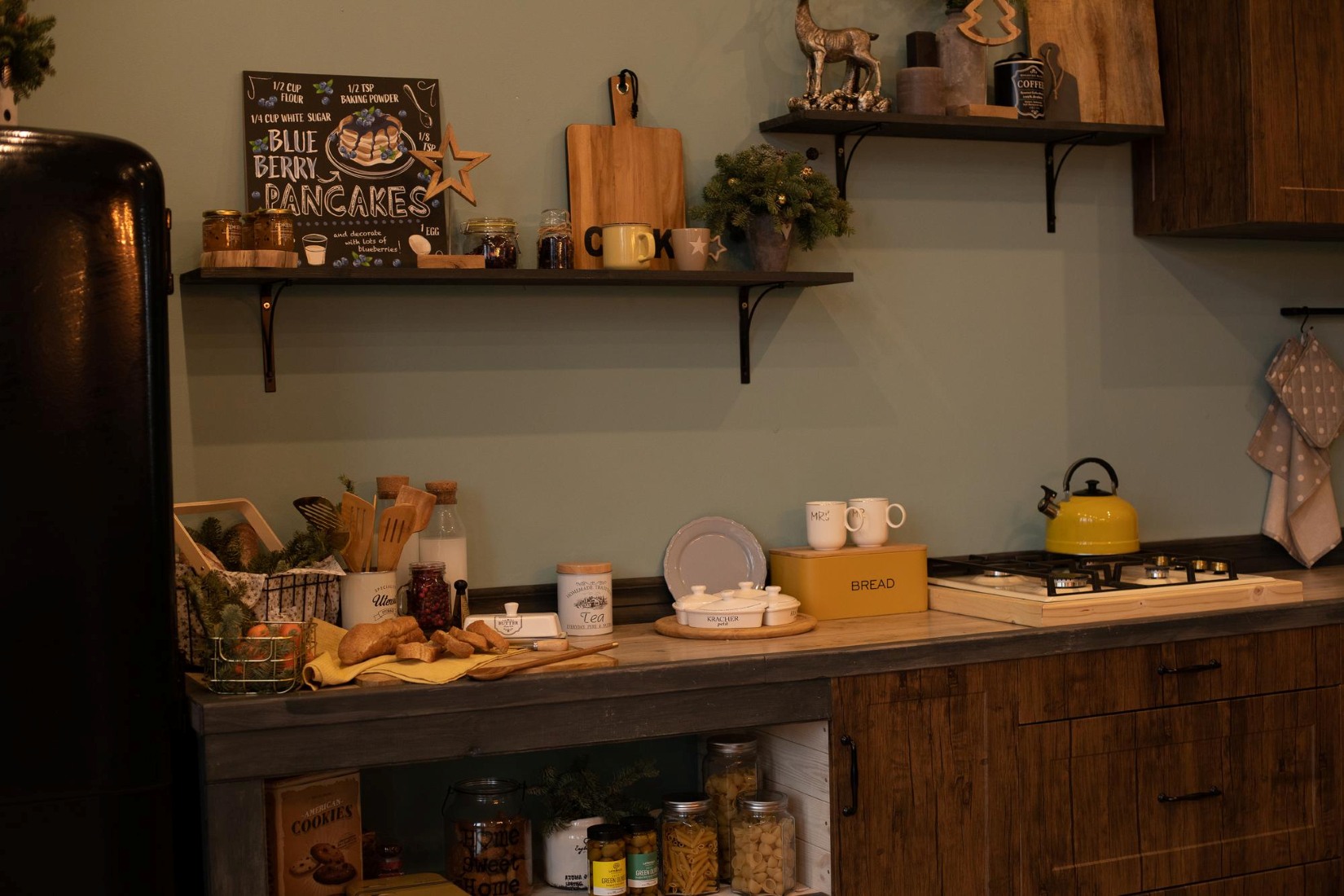
Classic black-and-white checkerboard floors, synonymous with vintage diners and mid-century homes, return with updated variations. Contemporary interpretations include larger tile formats, unexpected color combinations, and diagonal layouts that create dynamic visual movement.
Beyond traditional ceramic tiles, designers incorporate materials like luxury vinyl, porcelain, and even painted concrete to achieve the checkerboard effect. Alternative color pairings—navy and cream, sage and white, or charcoal and beige—provide vintage geometry with a softer, more personalized feel.
Terrazzo Countertops Reclaim the Spotlight
Terrazzo, a composite material featuring chips of marble, quartz, granite, or glass set in concrete or resin, dominated mid-century design and now returns as a countertop favorite. The speckled surface adds texture and visual interest while offering exceptional durability and low maintenance requirements.
Modern terrazzo formulations provide expanded color possibilities and chip sizes, allowing customization that ranges from subtle neutrals to bold, artistic statements. The material works particularly well in vintage-inspired kitchens because it bridges multiple design eras, from Art Deco through mid-century modern.
Vintage Glass Lighting Fixtures Illuminate Spaces
Pendant lights featuring vintage glass designs—including milk glass, colored glass shades, and industrial-style fixtures—add period-appropriate illumination. These pieces often incorporate brass, bronze, or copper metalwork that complements other vintage elements throughout the space .
Layered lighting approaches combine vintage-style fixtures with modern recessed lighting and under-cabinet LEDs. This strategy preserves the nostalgic atmosphere while ensuring adequate task lighting for food preparation and cooking activities.
Copper and Brass Accents Add Warmth
Metallic finishes in warm tones—particularly copper and brass—replace the stainless steel and chrome that dominated previous decades. These materials appear in hardware, faucets, range hoods, pot racks, and decorative accessories. The living finish of copper and brass develops a natural patina over time, enhancing the vintage aesthetic.
Wall-mounted pot racks, copper molds, and brass utensil holders serve both functional and decorative purposes. These elements reference traditional European kitchens while providing convenient storage solutions.
Furniture-Style Islands Replace Built-In Uniformity
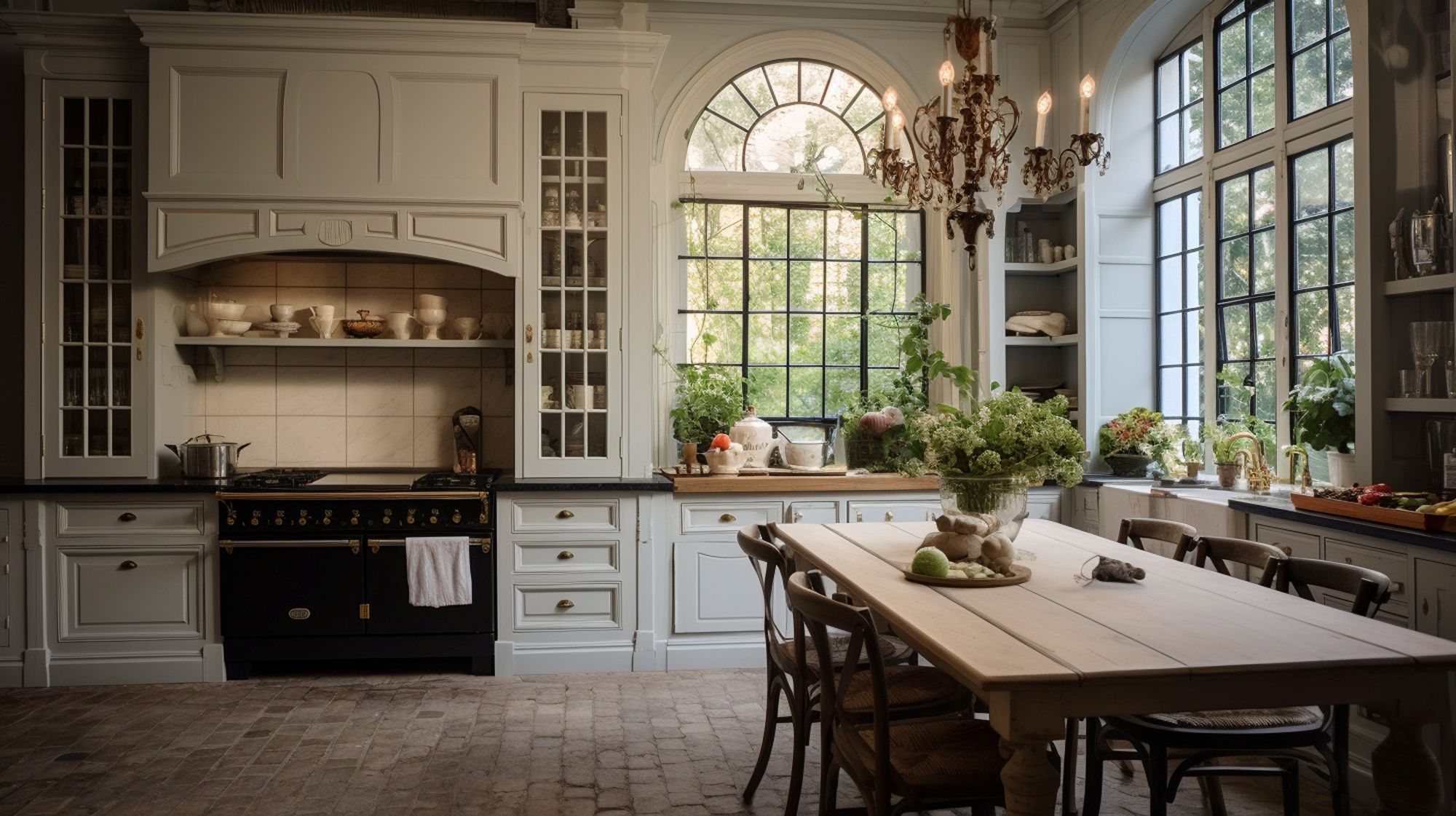
Kitchen islands designed to resemble freestanding furniture pieces bring vintage character to the heart of the kitchen. These islands often feature turned legs, decorative corbels, and distinct finishes that contrast with surrounding cabinetry. The approach recalls unfitted kitchens where individual pieces created a collected-over-time appearance.
Furniture-style islands frequently incorporate open shelving, wine racks, or display areas that showcase vintage kitchenware. Butcher block tops, marble surfaces, or painted wood finishes add to the authentic vintage feel while providing functional work surfaces.
Natural Materials Ground the Design
Stone, wood, and ceramic materials anchor vintage kitchen trends with organic textures and earthy tones. Limestone flooring, terracotta tile, and natural stone countertops reference historical building materials while offering contemporary durability.
Wood elements—from reclaimed beams to butcher block counters—introduce warmth and tactile appeal. Designers increasingly specify wide-plank flooring in warmer wood tones that evoke farmhouse and cottage kitchens from earlier eras.
Decorative Tile Creates Focal Points
Patterned cement tiles, hand-painted ceramics, and geometric designs transform backsplashes and accent areas into artistic statements. These tiles reference various vintage periods, from Victorian encaustic patterns to mid-century geometric designs.
Subway tile, a perennial favorite, receives vintage treatment through handmade variations, colored glazes, and alternative laying patterns like herringbone or vertical stacks. Beveled edges and crackle glazes enhance the period-appropriate appearance.
Open Shelving Displays Vintage Collections
Open shelving provides opportunities to showcase vintage dishware, glassware, and kitchen accessories. Floating shelves, bracket-supported wood planks, or metal rack systems create display areas that feel both practical and decorative.
The trend works best when shelving displays curated collections rather than everyday clutter. Vintage green glass, pottery collections, or antique kitchen tools become part of the design narrative. This approach requires more maintenance than closed cabinets but rewards with personality and charm .
Farmhouse Sinks Anchor the Work Zone
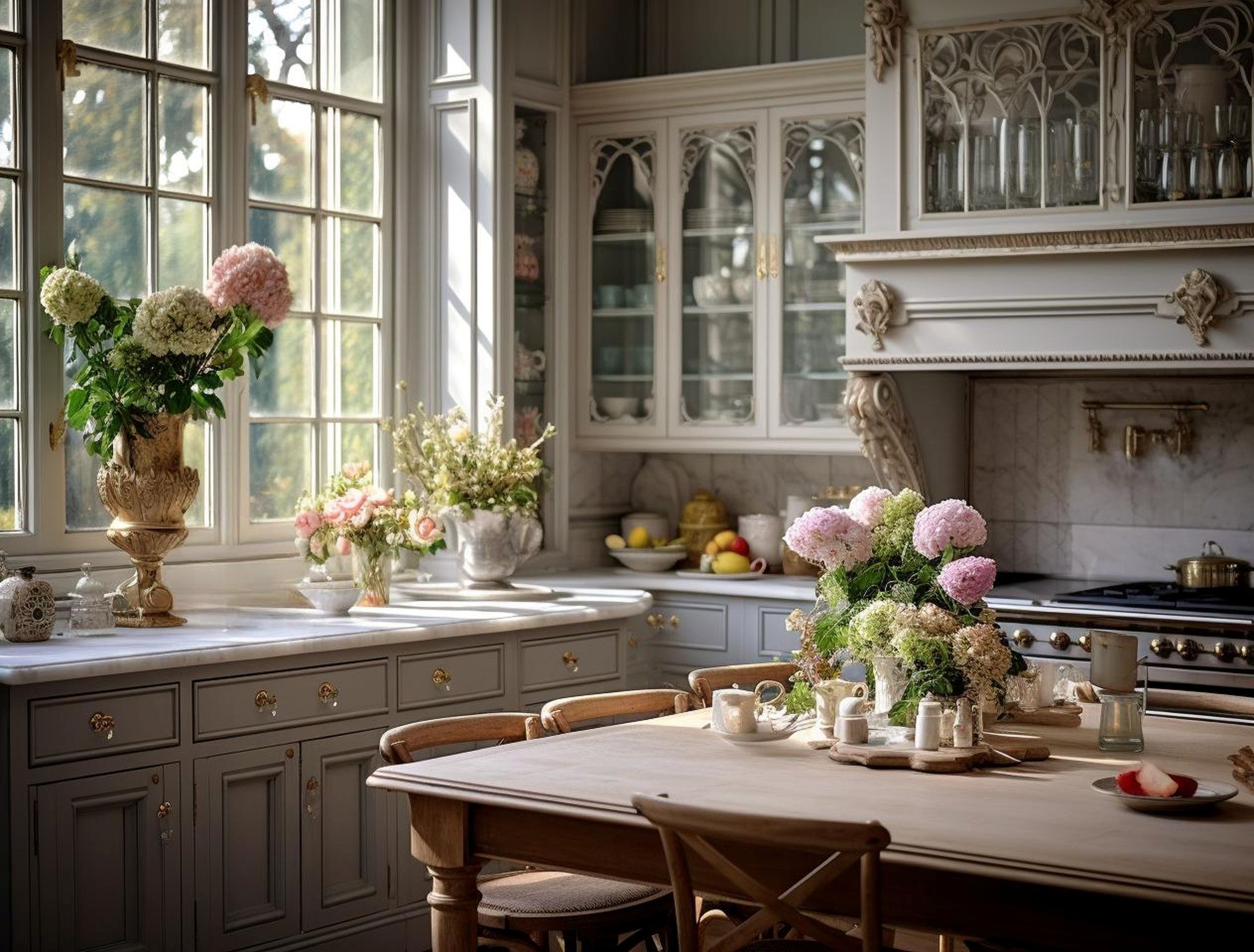
Deep, apron-front farmhouse sinks remain a cornerstone of vintage kitchen design. Originally designed for practical purposes in working kitchens, these sinks now serve as both functional fixtures and design statements. Materials range from traditional fireclay to modern composites that mimic vintage appearances.
Pairing farmhouse sinks with bridge-style faucets or wall-mounted fixtures completes the period look. The generous basin accommodates large pots and baking sheets while contributing to the overall vintage aesthetic.
Curtains Under the Sink Return
Fabric skirts beneath open sinks, a common feature in vintage kitchens, make a surprising comeback. This detail conceals plumbing and storage while adding softness and pattern to the space. Modern interpretations use durable, washable fabrics in vintage-inspired prints or solid colors that coordinate with the overall palette.
The approach offers flexibility for renters or those seeking non-permanent design solutions. Changing curtains provides an easy way to refresh the look seasonally or as tastes evolve.
Traditional Kettles and Coffee Makers Take Center Stage
Stovetop kettles, percolators, and vintage-style coffee makers return as both functional tools and decorative objects. These items often remain on display rather than stored away, contributing to the lived-in, authentic character of vintage kitchens.
Enamelware kettles in classic colors, copper tea kettles, and chrome percolators reference different vintage eras while serving daily beverage needs. The visible presence of these traditional tools reinforces the connection to historical kitchen practices.
Mixing Vintage and Modern for Balance
The most successful vintage kitchen trends in 2026 avoid creating museum-like recreations. Instead, they thoughtfully blend nostalgic elements with contemporary conveniences. Induction cooktops may hide beneath vintage-style grates, while modern refrigerators wear retro-inspired panels.
This balanced approach allows homeowners to enjoy the emotional warmth and character of vintage design while benefiting from energy efficiency, advanced functionality, and contemporary safety standards. The key lies in selecting which elements to interpret literally and which to suggest through color, material, or form.
Sustainable Practices Align with Vintage Values
The vintage kitchen movement aligns naturally with sustainability principles. Repurposing antique furniture as kitchen storage, refinishing vintage cabinets, and incorporating reclaimed materials reduce environmental impact while creating authentic period character.
Choosing durable materials like stone, solid wood, and quality metals reflects the vintage era's emphasis on longevity over disposability. These selections support both aesthetic goals and environmental responsibility, creating kitchens built to last decades rather than follow fleeting trends.
Conclusion
Vintage kitchen trends in 2026 demonstrate that historical design elements remain relevant when thoughtfully integrated with modern functionality. The movement celebrates craftsmanship, color, and character while accommodating contemporary lifestyles. Whether through retro appliances, colorful cabinetry, traditional materials, or decorative details, these trends offer numerous pathways for creating kitchens that honor the past while serving present needs. The enduring appeal of vintage design lies in its ability to create spaces that feel personal, warm, and timeless—qualities that transcend temporary fashion cycles.

