




The landscape of interior design continues to evolve as the industry moves into 2026, bringing fresh perspectives on how living spaces are shaped and conceptualized. Understanding current home decor trends helps homeowners, designers, retailers, and industry professionals stay ahead while creating environments that reflect both personal style and contemporary aesthetics. This guide explores the most influential home decorating trends that are reshaping residential and commercial interiors across the market.
The Rise of Warm Minimalism and Earthy Tones
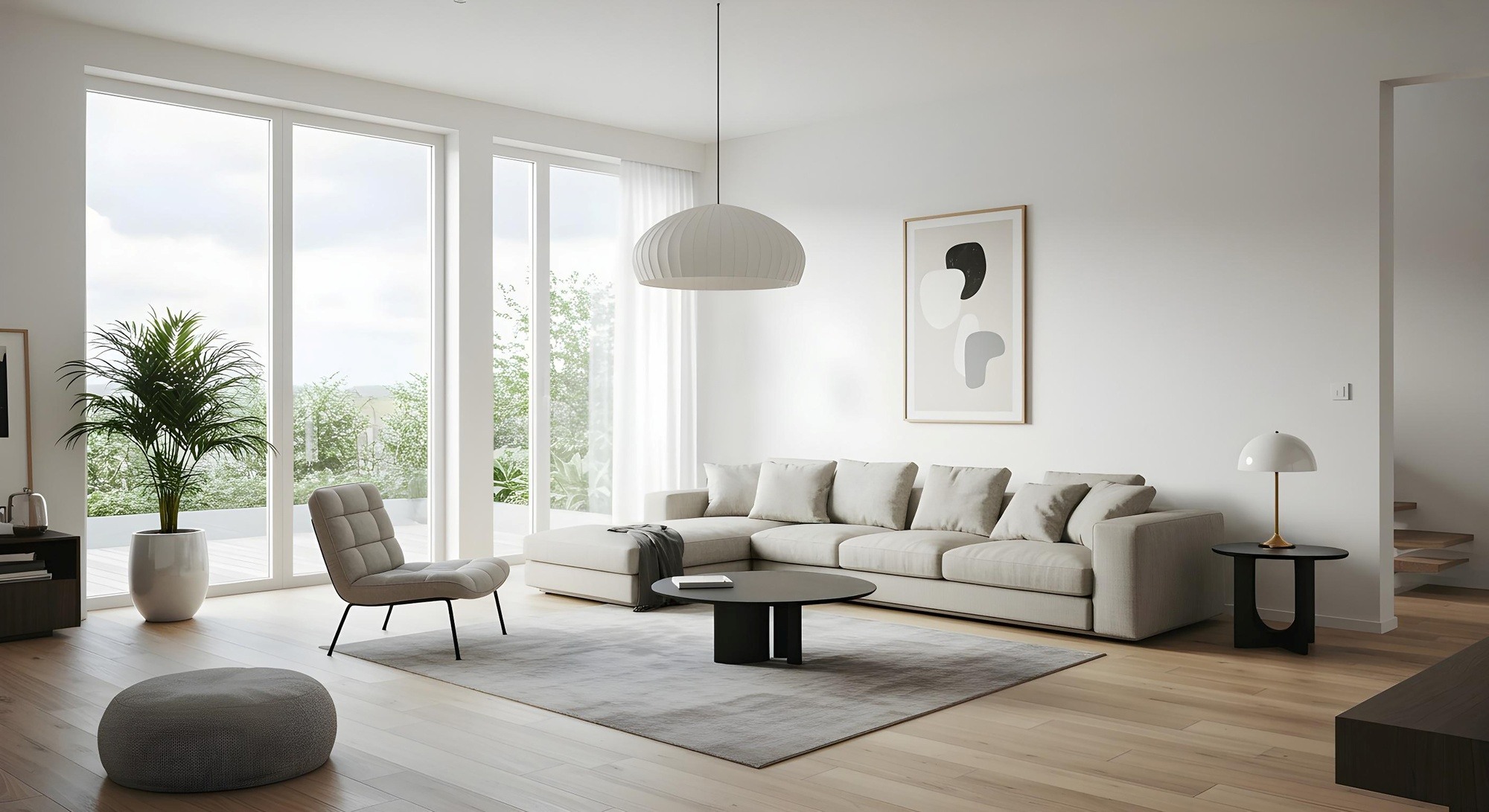
Current trends in home decor show a distinct shift toward warm minimalism, moving away from the stark white aesthetics that dominated previous years. Interior designers now embrace creamy and caramel shades that deliver personality without overwhelming spaces . These warm neutrals create inviting atmospheres while maintaining the clean lines that define modern design .
Earthy color palettes continue gaining momentum throughout the industry, with sun-soaked terracotta, dusty emerald, and periwinkle paired with chocolate brown becoming popular choices among designers and consumers alike . The 2026 color collections feature shades like Reddened Earth, Universal Khaki, and Cordovan, reflecting a desire to bring natural warmth indoors . This palette shift responds to growing preferences for spaces that feel grounded and comforting rather than clinical.
Organic Shapes and Curved Furniture
The home decor trends 2026 emphasize soft, flowing forms over rigid geometric designs. Curved sofas, rounded coffee tables, and furniture with organic silhouettes dominate showrooms and design portfolios across the furniture industry . These pieces soften interiors and create more inviting conversation areas that appeal to diverse consumer preferences.
Fat furniture—characterized by chunky, voluminous proportions—adds visual weight and comfort to rooms . Designers pair these substantial pieces with flowing wooden silhouettes that echo natural forms found in nature . The combination creates balance between structure and fluidity, offering both visual interest and functional comfort that resonates with modern living requirements.
Maximalism and Personal Expression
While minimalism evolves, maximalism makes a strong comeback in both residential and hospitality sectors. Industry experts predict more saturated shades and homes that put personality on full display . Eclecticism becomes the defining characteristic, with spaces mixing patterns, textures, and eras to create environments that tell unique stories.
Playful patterns return to prominence, appearing on wallpapers, textiles, and accent pieces throughout product lines . Freehand artistry and embroidery on wood add handcrafted elements that distinguish spaces from mass-produced aesthetics . This trend reflects a broader movement toward authenticity and individual expression in home environments across market segments.
Sustainable Materials and Ethical Design
Sustainability moves beyond buzzword status to become a foundational principle in current home decorating trends. Eco-friendly materials, including reclaimed wood, recycled metals, and natural fibers, appear throughout furniture collections and decor accessories . Manufacturers respond to consumer demand for products that minimize environmental impact without sacrificing style or quality.
Natural materials and textures gain preference over synthetic alternatives across the industry . Wood paneling makes a comeback, but with updated finishes and applications that feel contemporary rather than dated . Stone, rattan, jute, and linen bring tactile variety while connecting interiors to the natural world .
Sustainable luxury emerges as a category where ethical sourcing meets high-end design . Consumers and procurement professionals increasingly seek transparency about material origins and production methods, pushing the industry toward more responsible practices. This shift affects supply chains, manufacturing processes, and retail positioning strategies.
Color Drenching and Bold Ceiling Treatments
Color drenching—painting walls, trim, and ceilings in the same hue—creates immersive, cocoon-like spaces . This technique adds depth and drama while making rooms feel more cohesive. Designers and homeowners experiment with rich jewel tones and muted earth colors to achieve this enveloping effect.
Color capping offers an alternative approach, painting ceilings in contrasting shades to draw the eye upward and add architectural interest . This accessible trend allows for creative expression without major renovations, making it appealing for renters and budget-conscious decorators as well as property managers seeking cost-effective updates.
Functional Spaces with Purpose
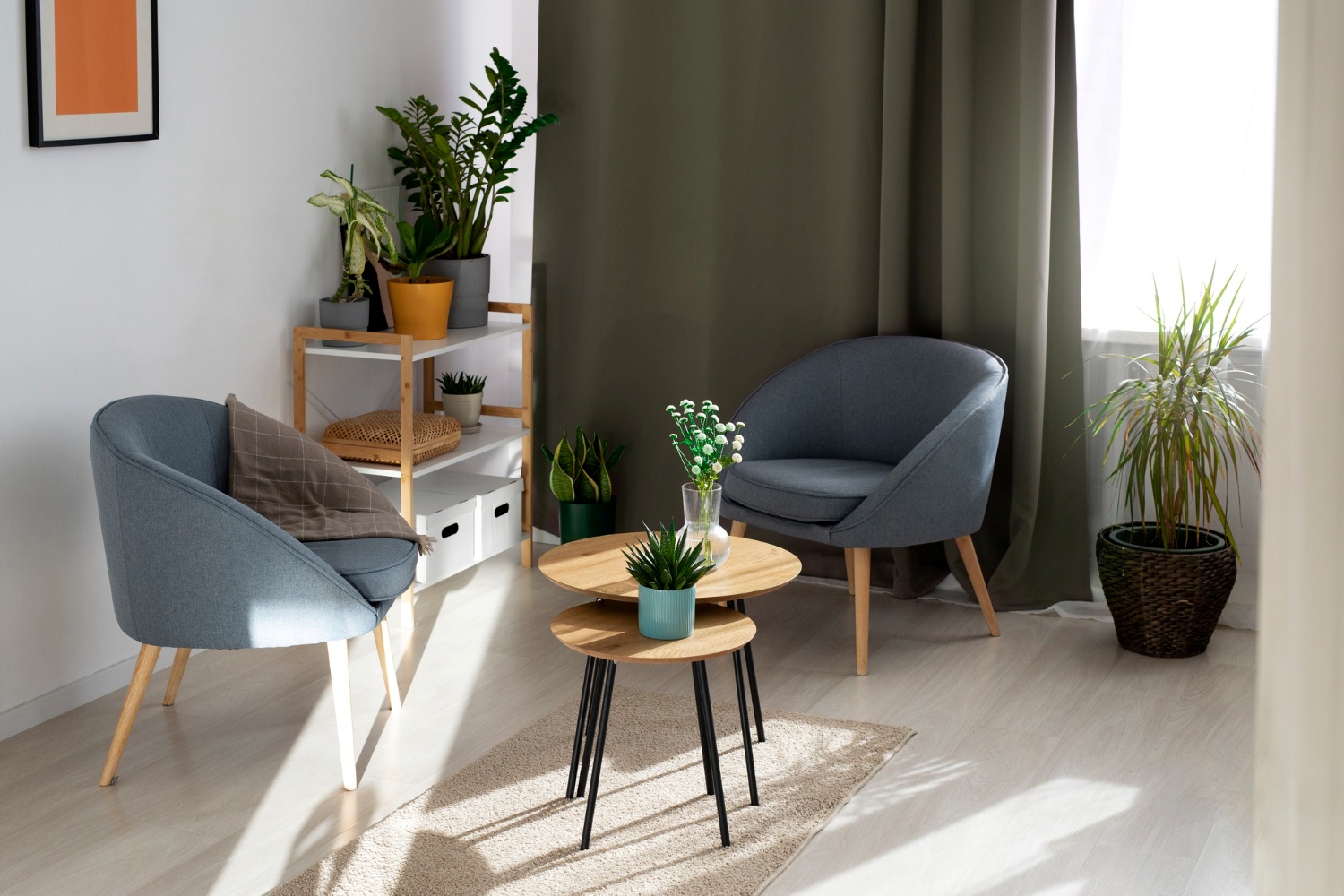
Current trends in home decor prioritize functionality alongside aesthetics. Cozy reading nooks become dedicated retreat spaces, complete with comfortable seating, adequate lighting, and storage for books . These intimate corners address the need for quiet zones within busy households and multi-use commercial environments.
Adaptive and modular interiors allow spaces to transform based on changing needs . Furniture that serves multiple purposes or can be reconfigured appeals to those living in smaller homes or seeking flexibility in workspace design. This approach reflects evolving work-from-home arrangements and multi-generational living situations that impact both residential and commercial sectors.
Resilient home design considers durability and longevity, choosing materials and finishes that withstand daily wear while maintaining appearance . This practical consideration influences everything from flooring selections to upholstery fabrics, affecting purchasing decisions across consumer and contract markets.
Statement Lighting as Sculptural Art
Lighting transitions from purely functional to sculptural focal points throughout interior design applications. Oversized pendants, artistic chandeliers, and uniquely shaped fixtures become conversation pieces that define room character . Designers layer different light sources—ambient, task, and accent—to create depth and flexibility in both residential and hospitality environments.
Natural light optimization remains important across projects, with window treatments that filter rather than block sunlight. Sheer fabrics, adjustable blinds, and strategic mirror placement maximize daylight penetration while maintaining privacy. These considerations affect product development and specification processes.
Textural Layering and Tactile Experiences
The home decor trends 2026 emphasize tactile experiences through varied textures. Mixing smooth surfaces with rough, soft with hard, and matte with glossy creates sensory richness . Bouclé fabrics, velvet upholstery, and chunky knit throws add touchable elements that invite interaction and enhance the sensory experience of spaces.
Wall treatments expand beyond paint to include textured wallpapers, fabric panels, and three-dimensional installations. These surfaces add visual interest while improving acoustics in open-plan spaces, addressing both aesthetic and functional requirements in modern interiors.
Technology Integration with Human-Centered Design
AI-enhanced personalization allows homeowners and designers to visualize design changes before implementation . Virtual tools help select colors, arrange furniture, and plan renovations with greater confidence. However, technology serves human needs rather than dominating the aesthetic approach.
Homes and commercial spaces incorporate discreet charging stations, integrated sound systems, and automated climate control without visible wires or bulky equipment. The goal remains creating beautiful spaces where technology enhances comfort without visual intrusion, a principle that applies across residential and commercial applications.
What's Fading from Popularity
Understanding what's declining helps avoid dated looks in both product development and design specifications. Curved sofas, while popular recently, show signs of oversaturation . Cheap prefab vanities, excessive shiplap, decorative arches without architectural purpose, and oversized showpiece bathtubs lose appeal as consumers seek more timeless investments .
The "Instagram pantry" aesthetic—with matching containers and perfect organization—gives way to more realistic, lived-in storage solutions. Authenticity trumps performance in how spaces are presented and experienced across market segments.
Implementing Trends in Various Spaces
Adopting current home decorating trends doesn't require complete overhauls. Color updates through paint or textiles introduce warm neutrals or earthy tones in manageable doses. Curved elements can be incorporated through smaller furniture pieces like side tables or mirrors before committing to major seating investments.
Natural materials can be incorporated gradually, replacing synthetic items as they wear out. Sustainable options that align with values and budget constraints offer flexibility for different market segments. Textural layering through pillows, throws, and area rugs provides immediate impact without permanent commitment.
Lighting upgrades offer both style and function. Statement fixtures can transform a room's entire character while improving usability. Different light temperatures affect mood and atmosphere, considerations that apply equally to residential and commercial environments.
Balancing Trends with Timelessness
The most successful interiors blend current influences with enduring design principles. Trend-driven elements work best for easily changeable items like accessories, artwork, and textiles. Quality, classic pieces for major furniture and built-ins remain relevant beyond seasonal shifts, a consideration important for both consumers and industry professionals.
Personal preference and functional requirements should guide trend adoption. Spaces that reflect authentic needs and lifestyles feel more genuine than those following every passing fad. Using current trends in home decor as inspiration rather than rigid rules allows adaptation to specific contexts and requirements.
Looking Ahead
As the industry progresses through 2026, continued evolution in how interior spaces are approached seems certain. The emphasis on sustainability, personal expression, and functional beauty shows no signs of diminishing. Warm, inviting aesthetics that prioritize comfort and authenticity will likely dominate over cold, impersonal designs across market segments.
The integration of natural elements, whether through materials, colors, or organic forms, responds to fundamental human needs for connection with the environment. This direction suggests lasting power beyond temporary trend cycles, influencing product development, design specifications, and consumer preferences.
Understanding these home decor trends empowers better decision-making whether furnishing a single room, undertaking complete renovations, developing new product lines, or advising clients on design directions. The key lies in selecting elements that resonate authentically while creating spaces that function beautifully for daily living and commercial applications.

