




The early 2000s brought a fashion revolution that transformed how men dressed and expressed themselves. From hip-hop influenced streetwear to preppy polo shirts, the decade created a unique style landscape that continues to influence modern fashion. Understanding these 2000s fashion trends mens enthusiasts still reference today offers insight into a transformative period in menswear history.
The Rise of Baggy Everything: Hip-Hop's Influence on Mainstream Style
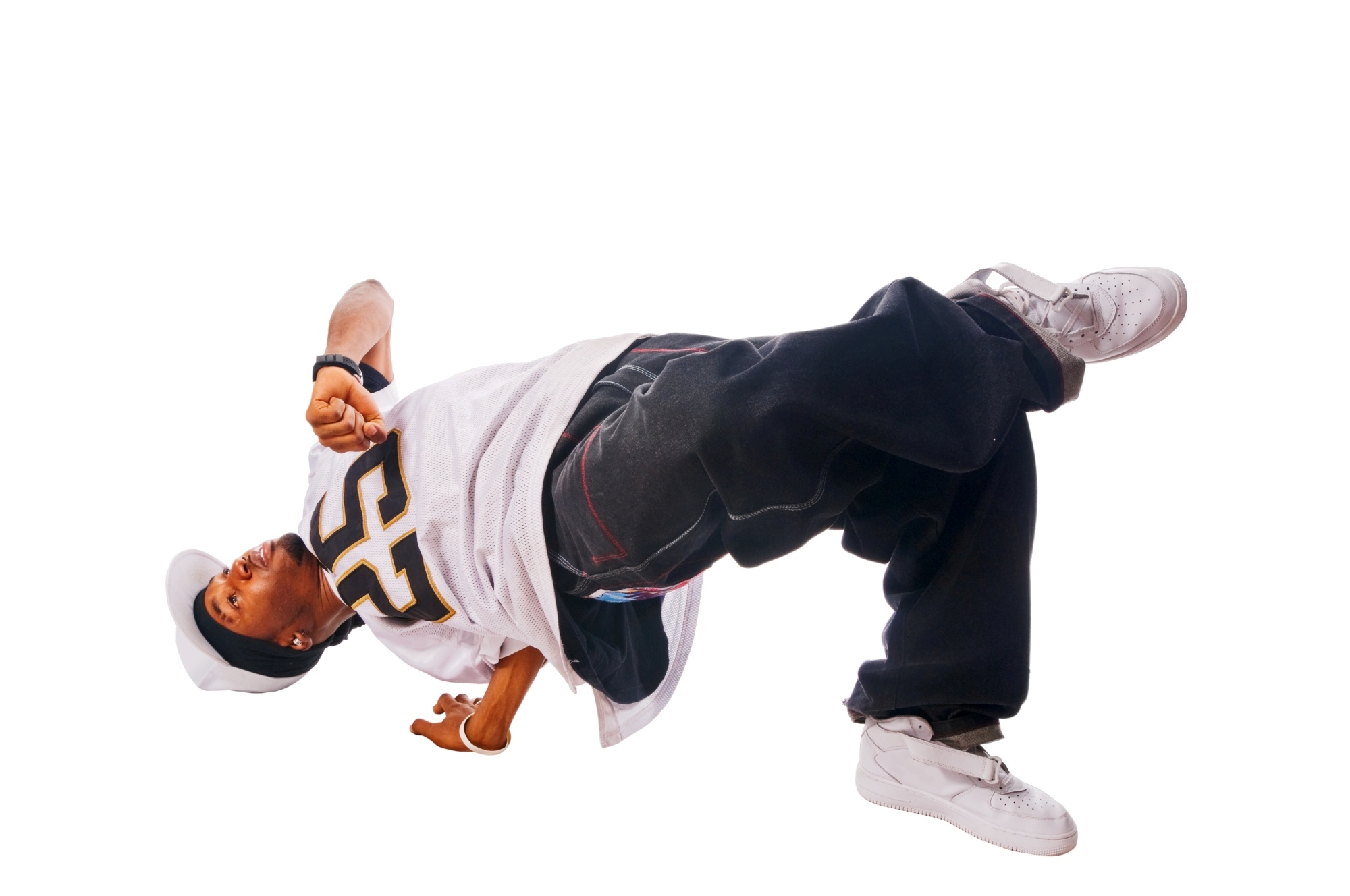
Hip-hop culture dominated the fashion scene during the 2000s, bringing oversized silhouettes into everyday wardrobes. Baggy jeans became the standard, often worn several sizes too large and sitting low on the hips. These 2000s mens fashion trends weren't just about comfort—they represented a cultural statement that crossed racial and economic boundaries.
Cargo pants emerged as another staple, featuring multiple pockets and loose fits that appealed to both practical and aesthetic sensibilities. Men paired these bottoms with oversized graphic tees, jerseys, and hoodies, creating a relaxed silhouette that defined casual wear throughout the decade. The look extended beyond pants to include baggy shorts, wide-leg track pants, and even oversized button-down shirts.
Brand logos played a prominent role in this aesthetic. Visible branding from companies like Sean John, Rocawear, and Ecko Unlimited turned clothing into status symbols. The bigger and more visible the logo, the better—a philosophy that extended to accessories like baseball caps, chains, and sneakers.
Preppy Revival: Popped Collars and Polo Dominance
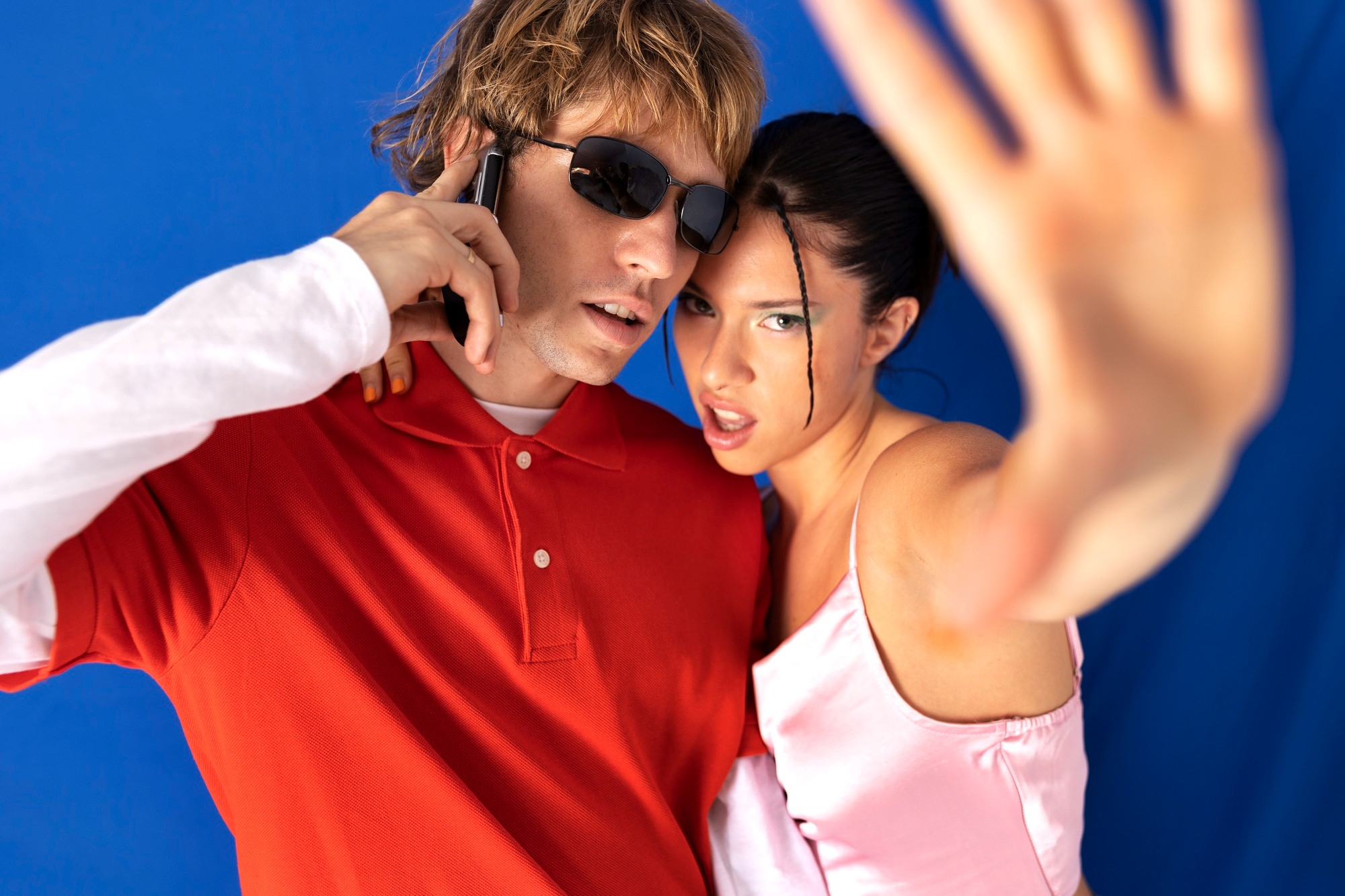
While hip-hop influenced one segment of male fashion, preppy style experienced a significant resurgence during the mid-2000s. The popped collar became an iconic—and often mocked—trend that defined preppy fashion during this era. Men wore polo shirts with collars flipped upward, sometimes layering multiple polos in different colors to create a rainbow effect.
This preppy aesthetic drew inspiration from yacht culture and Ivy League traditions, where popped collars originally served the functional purpose of protecting necks from sun exposure. However, in the 2000s context, the look became purely stylistic, associated with fraternity culture and affluent suburban youth.
Brands like Abercrombie & Fitch, Hollister, and Ralph Lauren dominated this market segment. Their stores pumped out cologne-scented air and featured shirtless models, creating an aspirational lifestyle brand that appealed to teenagers and young adults. The preppy look included khaki shorts, boat shoes, and layered polo shirts—all worn with an air of casual confidence.
Emo and Scene: Dark Aesthetics and Tight Fits
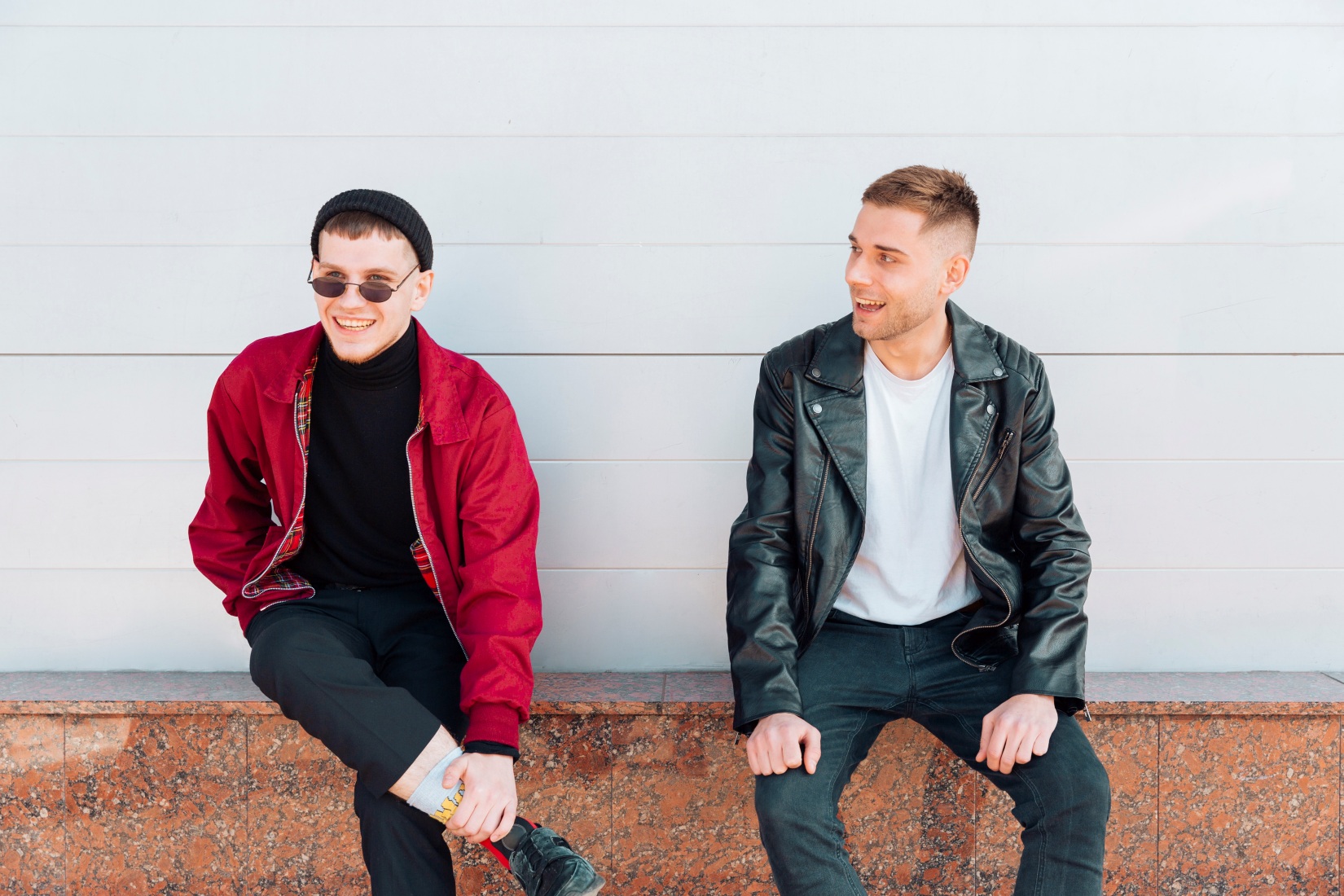
The 2000s men's fashion trends also included a counter-cultural movement that rejected both hip-hop bagginess and preppy brightness. Emo and scene fashion brought skinny jeans, band tees, and dark color palettes into mainstream consciousness. This style centered around expressing emotional depth and musical preferences through clothing choices.
Skinny jeans became the foundation of emo fashion, often in black or dark denim. These tight-fitting pants represented a complete departure from the baggy silhouettes dominating other style tribes. Men paired them with graphic t-shirts featuring alternative rock bands like My Chemical Romance, Fall Out Boy, and Panic! at the Disco.
Accessories completed the emo look: studded belts with multiple rows of metal hardware, checkered Vans sneakers, and wristbands stacked up forearms. Hoodies layered over band tees added dimension while maintaining the dark, moody aesthetic. Hair also played a role, with side-swept bangs covering one eye becoming a signature element of the style.
The scene subculture took emo fashion and amplified it with brighter colors, more extreme hairstyles, and heavier makeup. Scene kids incorporated neon colors into their otherwise dark wardrobes and styled their hair into gravity-defying arrangements using copious amounts of hairspray.
Denim Dominance: From Distressed to Embellished
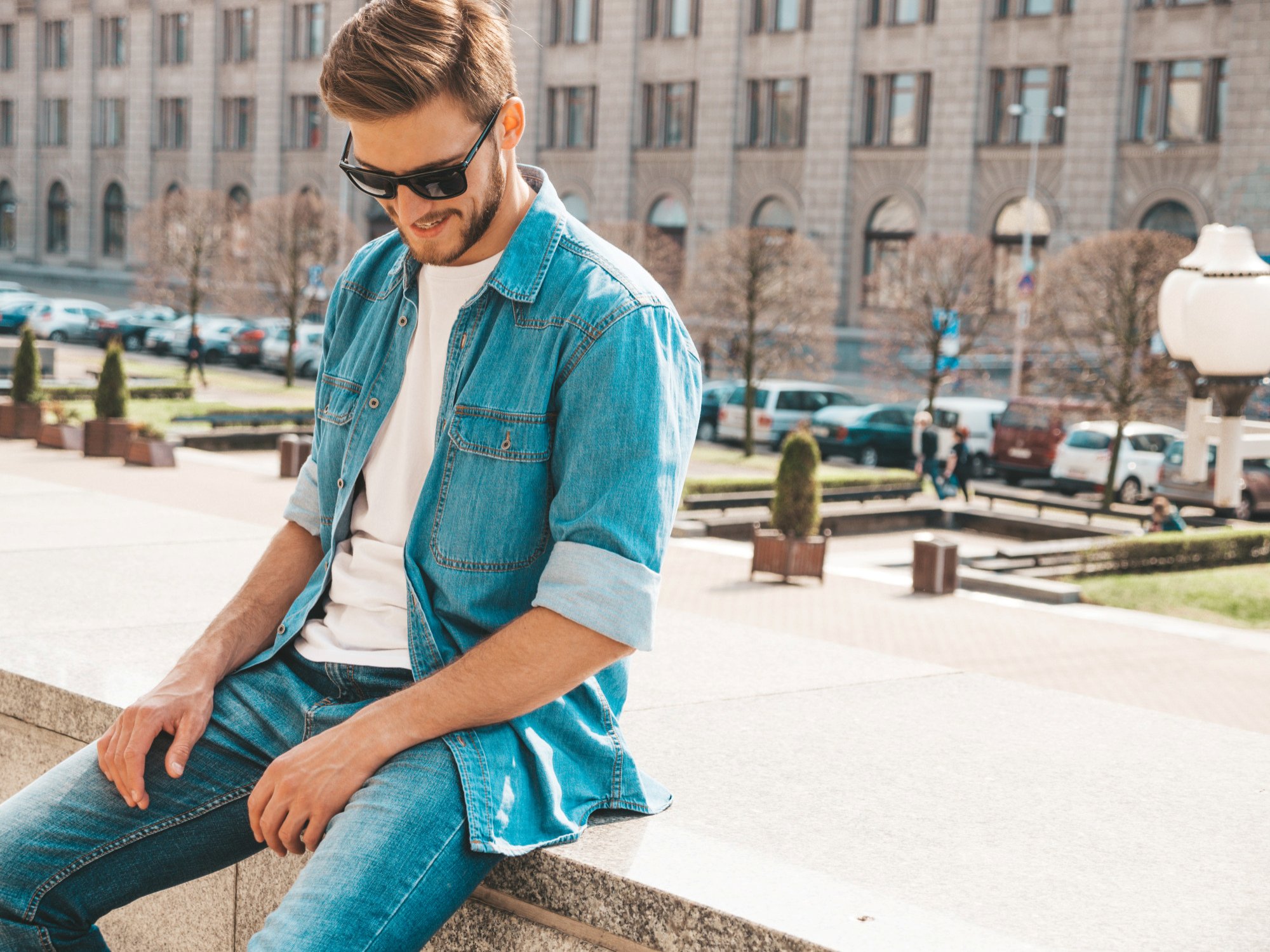
Denim ruled the 2000s in ways that went far beyond basic blue jeans. Distressed denim with strategic rips, tears, and fraying became standard, offering a worn-in look straight off the rack. Men wore these jeans with everything from tank tops to blazers, creating unexpected combinations that defined Y2K fashion sensibilities.
Embellished denim took the material into flashier territory. Jeans featured elaborate stitching patterns, rhinestone details, and branded back pockets that turned rear ends into advertising space. Brands like True Religion, Rock & Republic, and Seven For All Mankind charged premium prices for jeans with distinctive stitching and hardware.
The Canadian tuxedo—wearing denim on both top and bottom—became acceptable and even fashionable during this period. Men paired denim jackets with jeans in matching or contrasting washes, creating head-to-toe denim looks that previous generations would have avoided. This trend reflected the decade's experimental approach to traditional fashion rules.
Tracksuits and Athletic Wear as Everyday Fashion
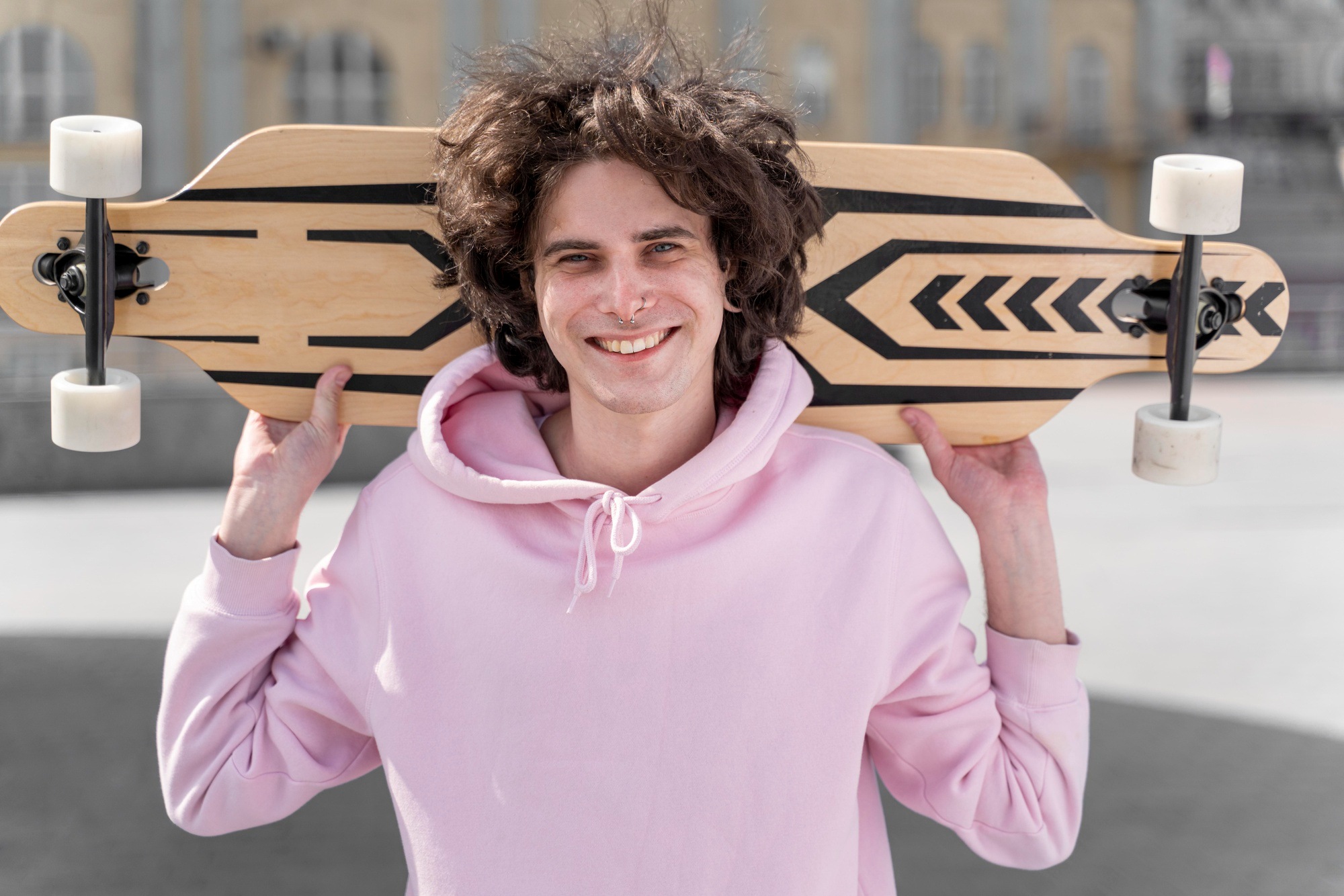
Athletic wear transitioned from gym-only clothing to acceptable everyday attire during the 2000s. Velour tracksuits, popularized by celebrities and hip-hop artists, became status symbols that men wore to casual outings, airports, and even nightclubs. Brands like Juicy Couture and Sean John created matching jacket-and-pant sets in various colors and fabrics.
This trend reflected broader cultural shifts toward comfort and casualization in menswear. The line between athletic wear and street fashion blurred as sneaker culture exploded and performance fabrics became fashion statements. Men invested in limited-edition sneakers, treating them as collectibles rather than disposable athletic equipment.
Basketball jerseys worn as casual tops represented another intersection of sports and fashion. Men wore jerseys over white tees or long-sleeved shirts, creating layered looks that paid homage to favorite athletes while maintaining street style credibility. This trend connected sports fandom with personal style in visible, wearable ways.
Accessories That Made the Look: Trucker Hats, Chains, and Sunglasses
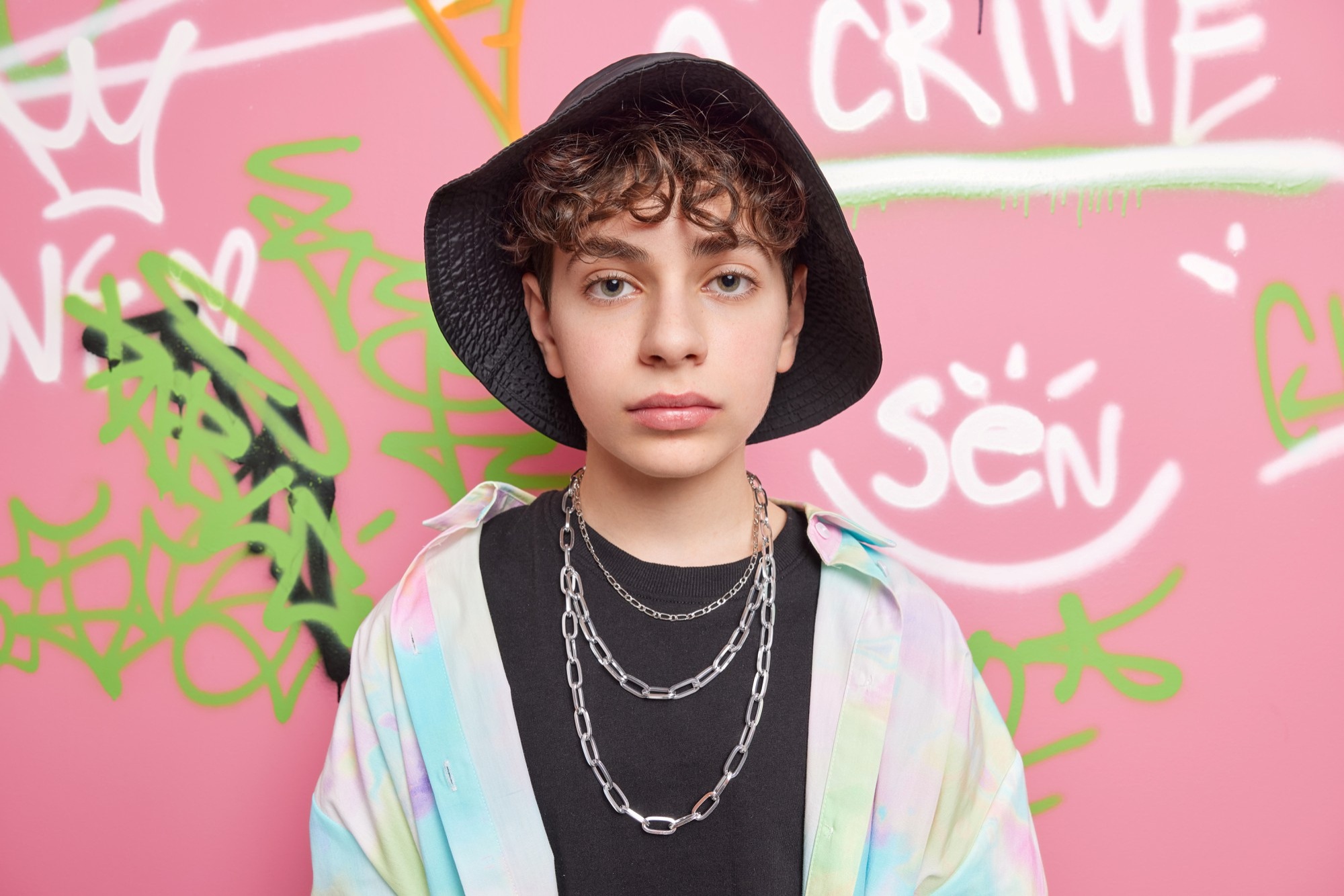
Accessories during the 2000s weren't subtle additions—they were statement pieces that completed outfits. Trucker hats with mesh backs and foam fronts became ubiquitous, worn by everyone from celebrities to suburban teenagers. These hats often featured brand logos, witty phrases, or pop culture references.
Chunky chains and dog tags added metallic elements to outfits, drawing from both hip-hop and military aesthetics. Men layered multiple chains of varying lengths and thicknesses, creating visual interest around the neckline. Some chains featured oversized pendants with religious symbols, initials, or brand logos.
Sunglasses evolved into fashion accessories rather than purely functional eyewear. Wraparound styles, colored lenses, and oversized frames dominated the market. Brands like Oakley and Von Dutch created distinctive designs that became recognizable status symbols. Men wore sunglasses indoors, at night, and in situations where sun protection wasn't necessary—purely for aesthetic purposes.
Layering and Mixing: Breaking Traditional Fashion Rules
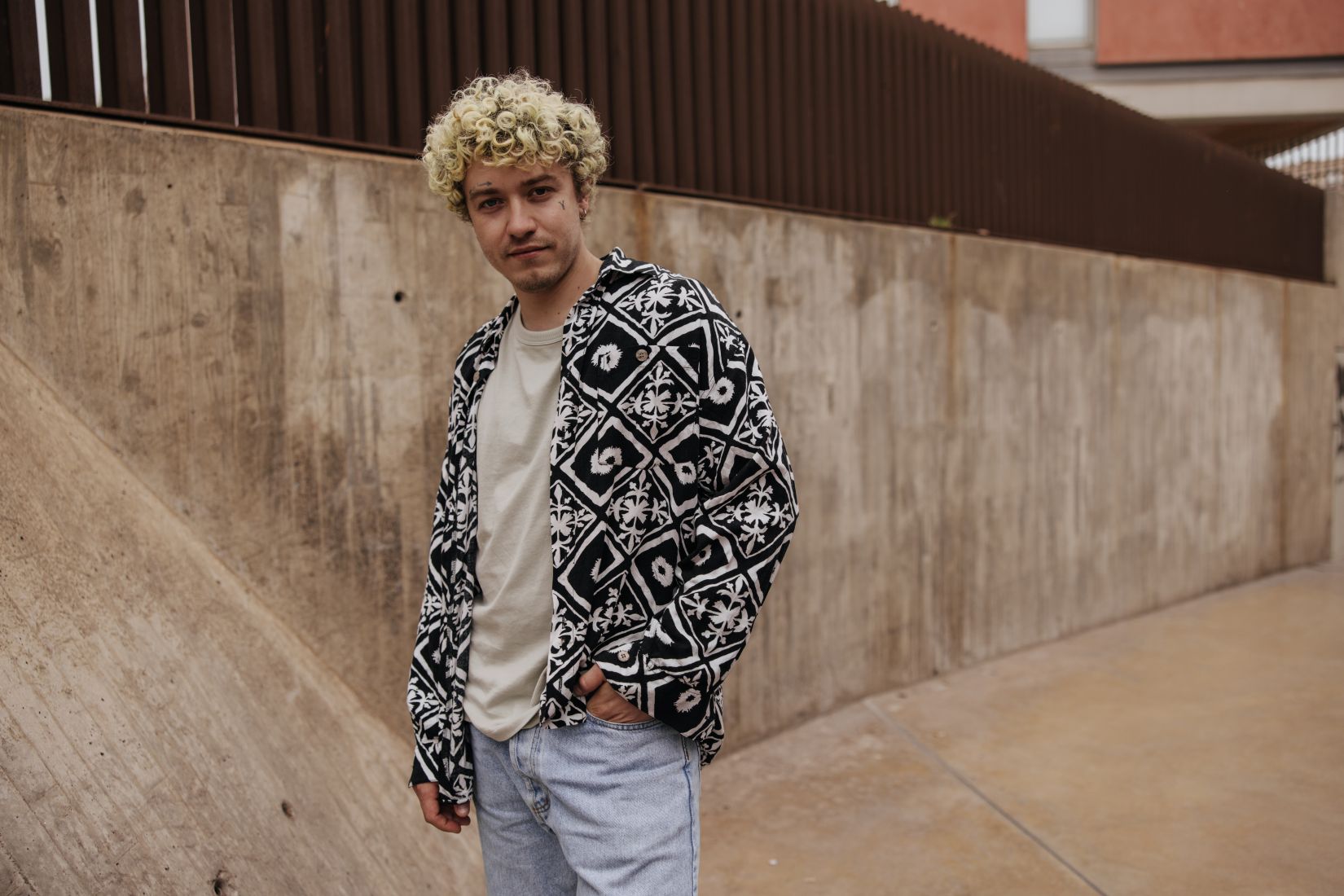
The 2000s fashion trends men embraced involved unprecedented mixing of styles and genres. Men layered ties over t-shirts, wore blazers with ripped jeans, and combined formal pieces with casual elements in ways that defied traditional menswear conventions. This experimental approach reflected the decade's optimistic, rule-breaking attitude.
Tank tops became acceptable outerwear rather than undershirts, often worn with blazers or leather jackets for contrast. This combination of dressy and casual elements created looks that worked for various occasions, from concerts to casual dates. The decade rejected the idea that clothing had to fit into rigid categories.
Graphic tees served as canvases for self-expression, featuring everything from band logos to abstract designs to ironic statements. Men wore these tees under button-down shirts left open, creating layered looks that added visual complexity to simple outfits. This layering approach allowed for personal expression while maintaining some conventional structure.
Color Palettes and Patterns: From Neon to Neutral
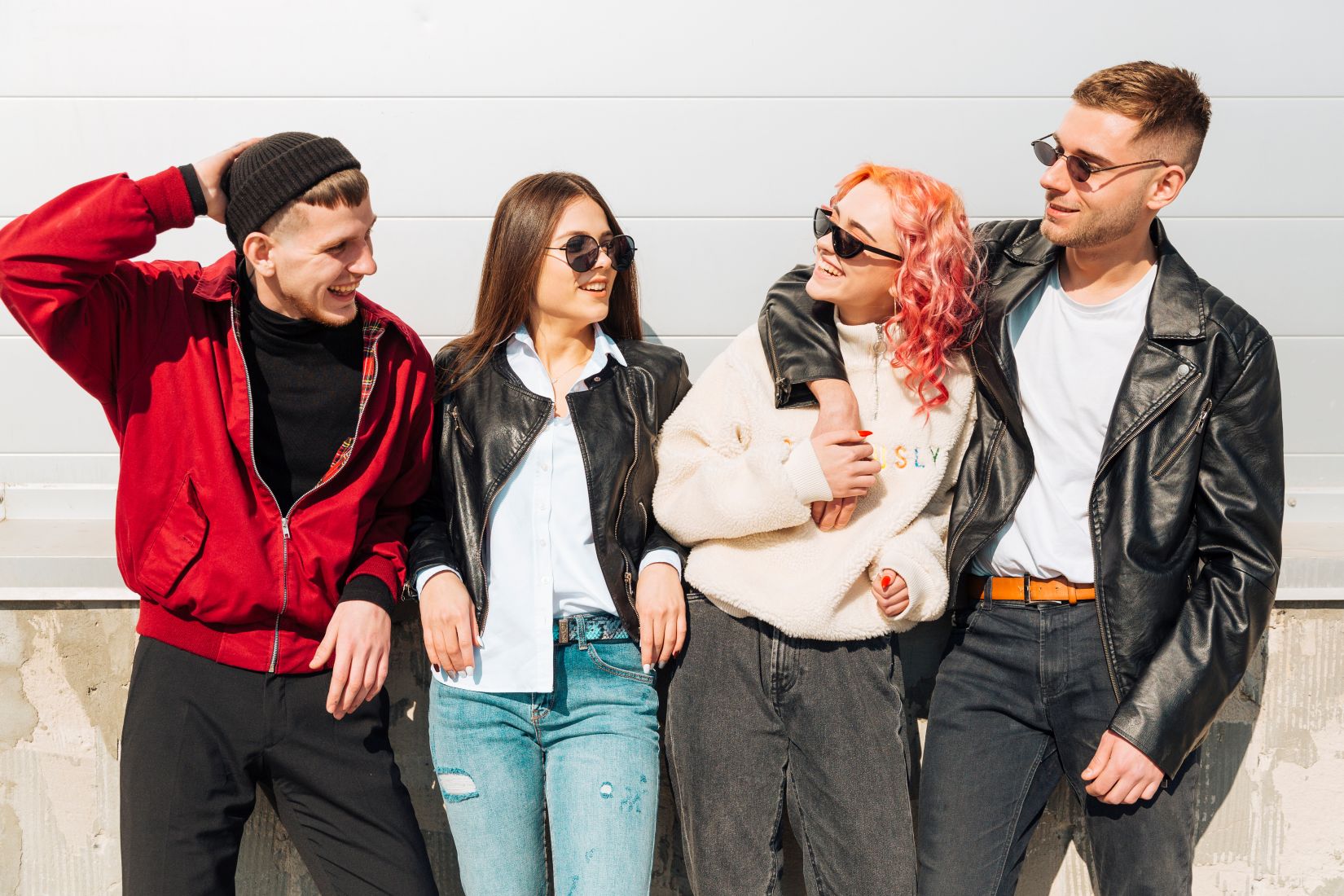
Color choices during the 2000s varied dramatically depending on style tribe affiliation. Hip-hop influenced fashion embraced bold colors—bright reds, blues, and whites—often in color-blocked combinations. Athletic wear incorporated neon accents that recalled 1980s aesthetics while feeling contemporary.
Preppy fashion stuck to traditional palettes: pastels, navy, white, and khaki dominated this aesthetic. However, even preppy style experimented with brighter shades during summer months, incorporating lime green, hot pink, and bright orange into polo shirts and shorts.
Emo and alternative fashion rejected bright colors almost entirely, favoring black, dark gray, deep purple, and blood red. When brighter colors appeared in scene fashion, they were typically neon shades that contrasted sharply with dark bases—creating jarring visual combinations that attracted attention.
Camouflage patterns transcended military origins to become mainstream fashion prints. Men wore camo pants, jackets, and accessories in traditional green patterns and reimagined versions featuring pink, blue, or urban gray colorways. This pattern appeared across style categories, from streetwear to preppy fashion.
Celebrity Influence: Icons Who Shaped the Decade's Style
Celebrities wielded enormous influence over 2000s men's fashion trends, with musicians, actors, and athletes setting trends that millions followed. Justin Timberlake's evolution from boy band member to solo artist included fashion transformations that influenced young men worldwide. His denim-on-denim looks, fedoras, and tailored suits showed versatility in menswear.
Kanye West emerged as a fashion influencer during the late 2000s, bridging hip-hop and high fashion in unprecedented ways. His polo shirts paired with backpacks challenged hip-hop's tough-guy aesthetic, while his later ventures into luxury fashion opened doors for streetwear's acceptance in elite circles.
Skateboarding culture influenced mainstream fashion through figures like Tony Hawk and brands like DC Shoes and Etnies. This aesthetic brought baggy jeans, graphic tees, and chunky skate shoes into suburban malls and high school hallways. The style emphasized function and durability while maintaining distinct visual appeal.
The Legacy: How 2000s Fashion Influences Today's Trends
The 2000s fashion trends mens style enthusiasts study today continue influencing contemporary menswear. Baggy jeans have returned to runways and streets, with designers reimagining oversized silhouettes for modern audiences. Y2K nostalgia drives this revival, as younger generations discover and reinterpret styles from two decades ago.
Cargo pants have experienced renewed popularity, appearing in both streetwear and luxury fashion contexts. Contemporary versions often feature updated cuts and premium materials while maintaining the utilitarian aesthetic that defined the original trend. This revival demonstrates how functional design elements transcend temporary trends.
The experimental mixing of formal and casual elements pioneered during the 2000s has become standard practice in modern menswear. Today's fashion accepts sneakers with suits, hoodies under blazers, and other combinations that would have seemed inappropriate in earlier decades. The 2000s broke down these barriers permanently.
Conclusion: A Decade of Fearless Fashion Experimentation
The 2000s represented a unique moment in menswear history when rules were broken, styles were mixed, and self-expression took precedence over traditional conventions. Whether embracing hip-hop's oversized aesthetic, preppy's polished look, or emo's dark rebellion, men during this decade used clothing to communicate identity and cultural affiliation in visible, unapologetic ways.
These 2000s mens fashion trends weren't just about clothing—they reflected broader cultural shifts toward individualism, celebrity worship, and the democratization of style through mass media and early internet culture. The decade's fashion legacy lives on in contemporary trends, reminding us that bold experimentation often creates the most memorable and influential style moments.

