




In global trade, freight is an important bridge connecting buyers and sellers. Understanding freight-related terms and concepts is essential for people engaged in international trade, among which "Freight Collect" is a common and important term. With the increasing frequency of international trade, companies need to be familiar with various freight methods to optimize logistics costs and manage risks. This article will explore the meaning, working principle, advantages and disadvantages of Freight Collect and its application in different modes of transportation.
Table Of Contents
Working principle of Freight Collect
Disadvantages of Freight Collect
Application of Freight Collect in different modes of transportation
What is Freight Collect?
Freight Collect refers to a mode of transportation in which the freight of goods is paid by the consignee (buyer). In this mode, the freight charges are paid by the consignee after the goods arrive at the destination, rather than by the consignor (seller) in advance when the goods are shipped. This is in contrast to "Freight Prepaid", in which the consignor pays the freight when the goods are shipped.
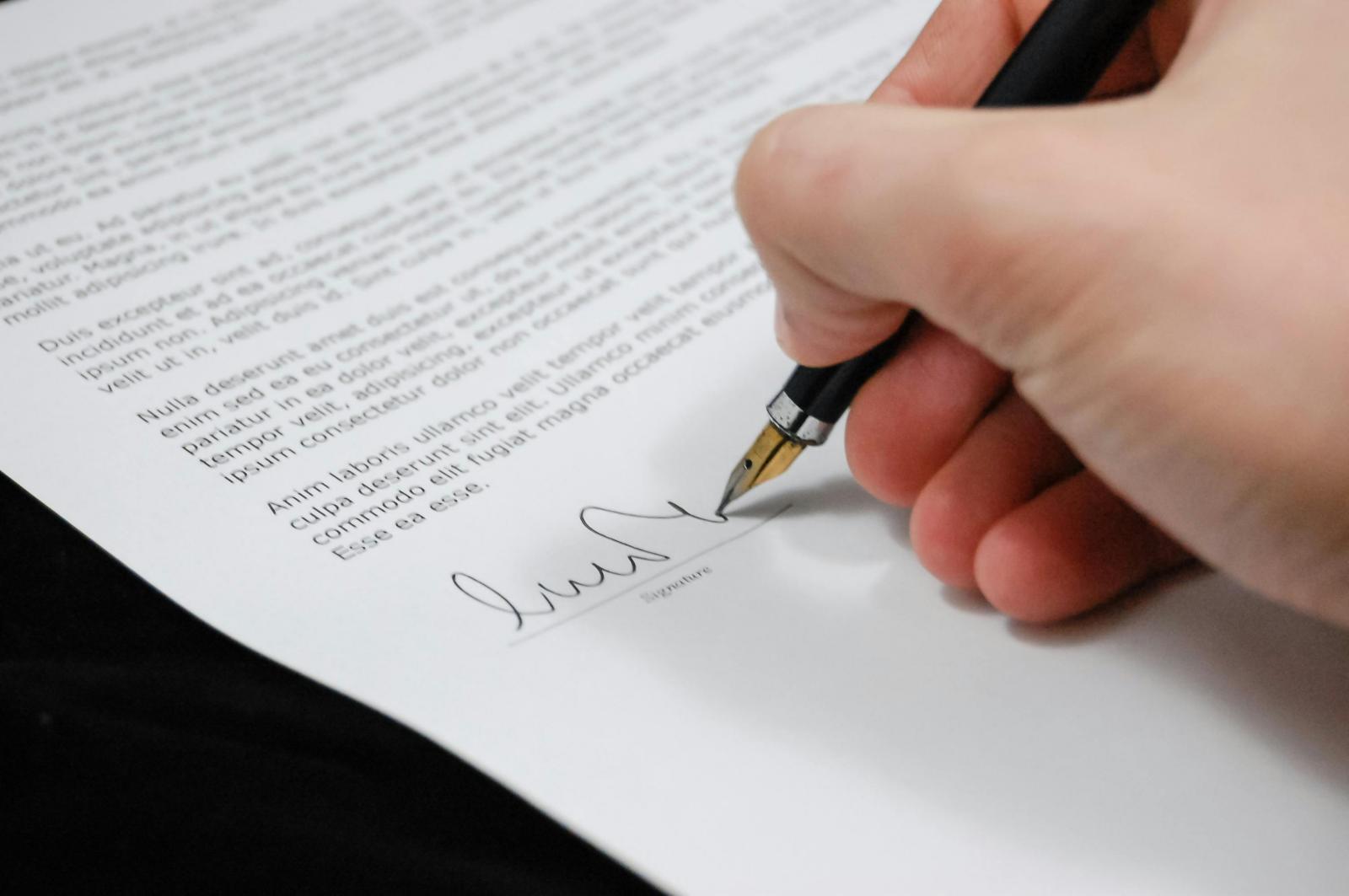
In international trade, Freight Collect is usually indicated on the bill of lading. The bill of lading is a contract and receipt for the transportation of goods issued by the carrier, which clarifies the relevant terms and responsibilities of the transportation of goods.
Working principle of Freight Collect
Under the Freight Collect model, the freight process is usually as follows:
1. The shipper arranges transportation: The shipper is responsible for selecting the carrier and arranging the transportation of the goods. Indicate "Freight Collect" on the bill of lading.
2. Cargo transportation: The goods are transported to the destination by sea, air or land.
3. Notify the consignee: After the goods arrive at the destination, the carrier notifies the consignee that the goods have arrived and informs the freight amount.
4. Pay the freight: The consignee pays the freight to the carrier.
5. Delivery of goods: The carrier delivers the goods to the consignee after confirming receipt of the freight.
In this model, the shipper is responsible for arranging transportation, but the freight is borne by the consignee. This means that the consignee cannot obtain the goods before paying the freight.
Advantages of Freight Collect
1. Cash flow management: Freight Collect helps buyers better manage cash flow because freight is not paid until the goods arrive. This is especially important for companies with tight capital turnover.
2. Risk transfer: Freight Collect transfers the transportation risk from the seller to the buyer. The buyer does not need to pay the freight before the goods arrive, reducing the risk of damage or loss of goods. The buyer can check the status of the goods before paying the freight to ensure that the goods are intact.
Disadvantages of Freight Collect
1. Potential risks: The buyer needs to bear more transportation risks in the Freight Collect mode, such as damage, delay or loss of goods. If there is a problem with the goods during transportation, the buyer may face the risk of not being able to recover the freight.
2. Additional costs: Since the freight is paid after the goods arrive, additional costs may be incurred, such as demurrage or storage fees. If the buyer fails to pay the freight in time, the goods may be detained at the port or warehouse, resulting in additional costs.
Application of Freight Collect in different modes of transportation
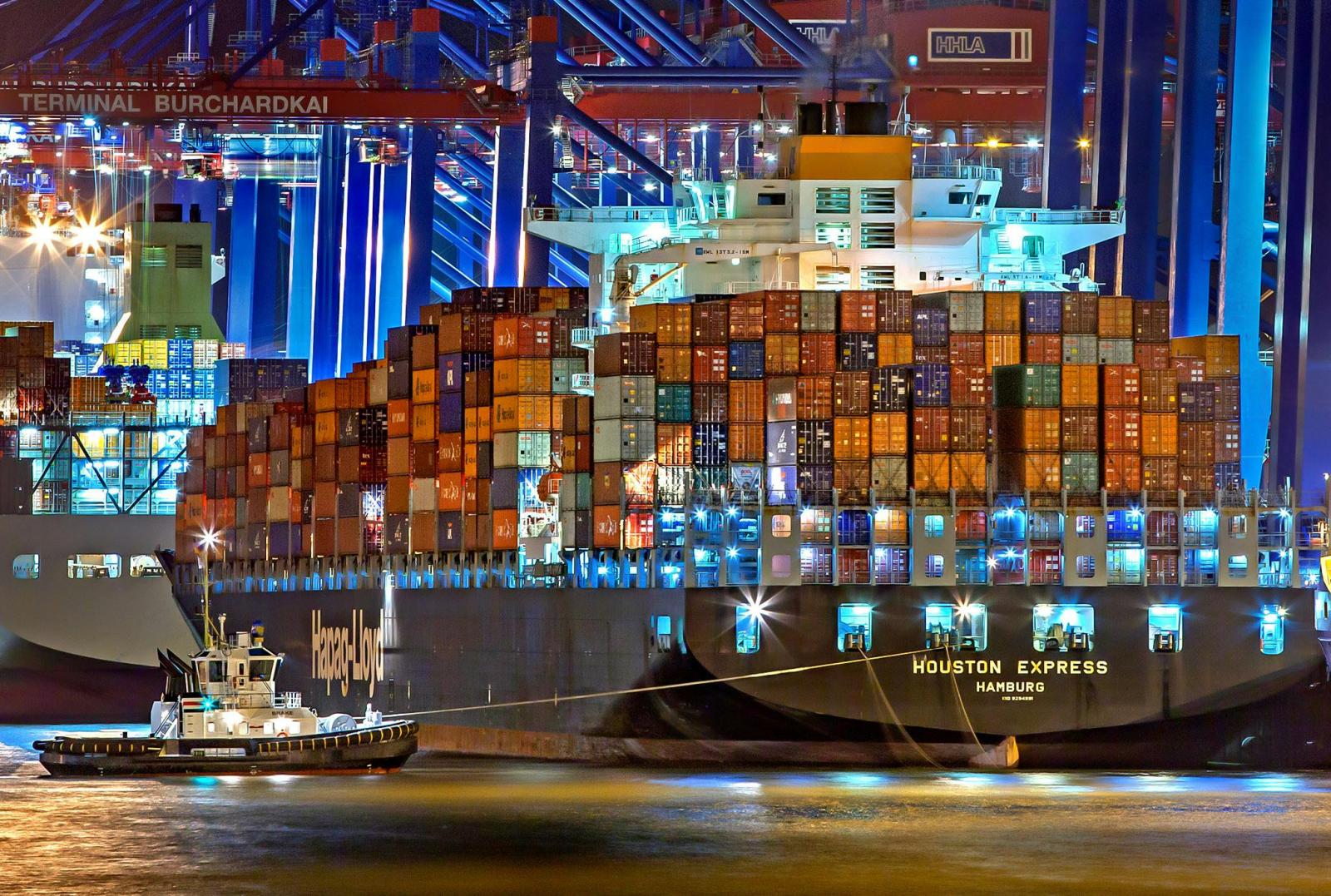
1. Ocean transportation: In ocean transportation, Freight Collect is often used for bulk and containerized cargo transportation. The buyer needs to pay the freight after the goods arrive at the port before picking up the goods. Ocean transportation usually involves a longer transportation time, and the buyer needs to consider various risks that may arise during transportation.
2. Air transport: Freight Collect is less common in air transport, but it is still used. The buyer needs to pay the freight after the goods arrive at the airport before picking up the goods. Air transport is faster, but the freight is higher, and the buyer needs to weigh the time and cost.
3. Land transport: Freight Collect is more common in land transport, especially in domestic transport. The buyer needs to pay the freight after the goods arrive at the destination before picking up the goods. Land transport is usually used for short-distance transportation and has relatively low risks.
Conclusion
Freight Collect is a common freight payment method. Its main advantage is that it helps buyers manage cash flow and transfer transportation risks. However, buyers also need to bear more potential risks and additional costs. When choosing Freight Collect, both buyers and sellers should fully consider their respective needs and risks to ensure that they choose the most suitable transportation method.

