Download App
Better Online and Trade Show Sourcing Experiences.Scan the QR code to download.
Learn More
Hot Topics
by Cecile de Veyra (Managing Editor)
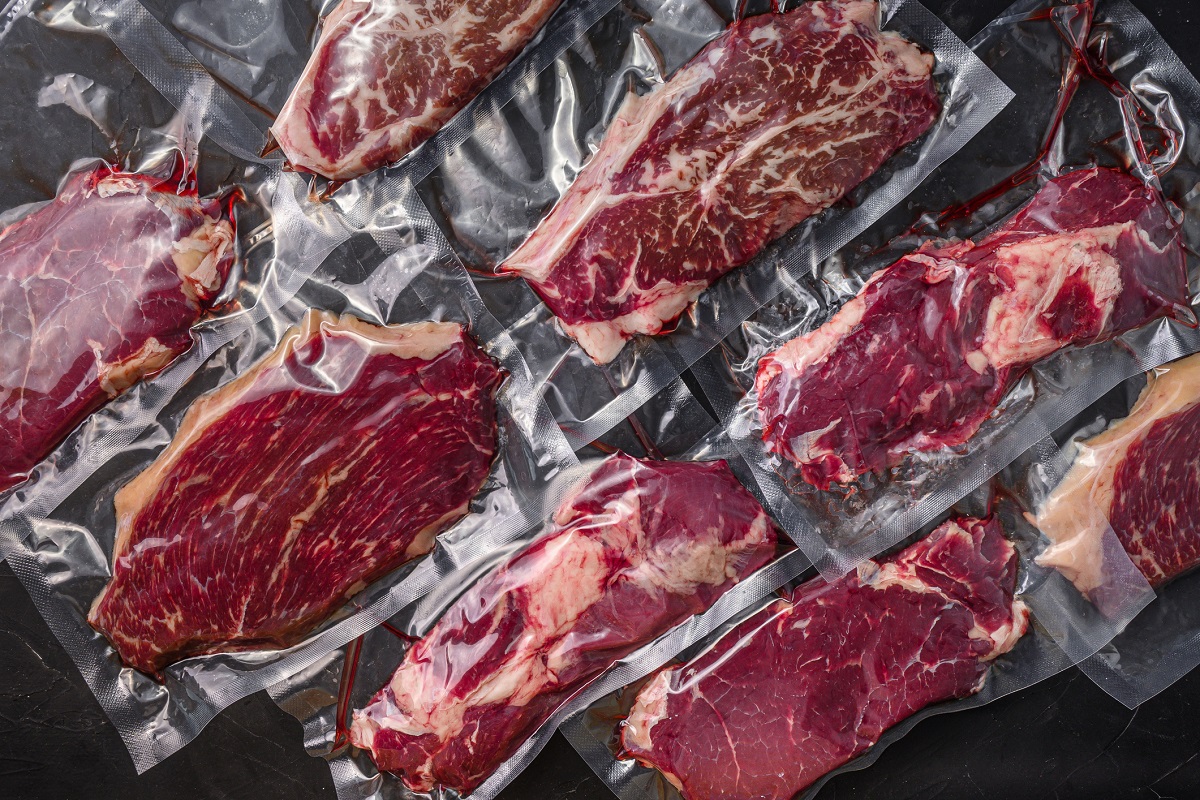
Image from Getty
Food packaging has been around for thousands of years, with leaves, gourds, nuts and shells mostly used before there were glass, paper, metal and plastic materials.
Today’s selections of food packaging bags, wrappers and containers are not just for storage but also for keeping contents fresh and safe from contamination longer. They have also become a medium of information, from product identity and special or unique qualities, to ingredients, nutrition facts, use and storage instructions, as well as manufacturing and expiry dates.
Technology is now also being tapped to make food packaging smart. In addition to barcodes, there are QR codes, and RFID and NFC tags. All three enable traceability for supply chain management, access to product and brand information as well as deals, coupons and discounts for consumers, and tracking of consumer and brand interaction.
There are also other packaging technologies that can help extend shelf life and promote the sustainability trend. An example is Sealed Air’s Cryovac that can adjust carbon dioxide, oxygen and nitrogen levels to prolong product life cycle. Another innovation is Parakh Agro’s affordable film pouch that keeps perishables from spoilage without refrigeration, and Amcor’s paper-based cheese and processed meat packaging with a resealable closure.
Over the years, food packaging has contributed tremendously to people’s quality of life, ensuring safe storage and transport through seasonal changes and over distances.
Canning done at home is one of the oldest methods still around today. Most fruits, including jellies and jams, high-acid foods such as tomatoes and those with lemon juice or citric acid like salsa, pickles and relishes, pie fillings and sauces can be canned.
Home canning is safe as long as proper methods, which may be boiling water bath, atmospheric steam or pressure canning, are used. The packaging options are glass Mason jars with lids usually made of tin-coated steel, and all-plastic versions. Metal lids may be one- or two-piece kinds, with the latter consisting of a flat lid and a screw band with a sealing compound. Other jar covers, whether metal or plastic, have a thin silicone or rubber ring or gasket or a sealing cap for airtightness.
Another common food packaging method is freezing, which may be done on select fresh or pre-cooked fruits and vegetables. As this process expands food, packaging materials must be strong and flexible enough to avoid tearing that can result in freezer burn.
Typically used are PE films and derivatives, PET, cardboard and laminated paper and tin cans, according to packaging supply chain platform Bizongo.
HDPE, LDPE and PP are some of the common PE derivative materials for freezing food, and are used for shrink wrap bags.
Vacuum sealing certain frozen stuff can also extend their shelf life. PE and PE film are some of the common materials used for vacuum-packed food.
Canning on a commercial scale is regulated by government agencies, from method and equipment to packaging materials used. This is to ensure food safety and stability over long periods.
There are conventional canning and aseptic processing techniques, according to the Institute of Food Technologists (IFT). In the former, “food is hermetically sealed in a container, often a tin canister or glass jar, which is then commercially sterilized to effectively kill spoilage and pathogenic microorganisms and to preserve nutrition and quality of foods.” Sterilization is done by heating. “Aseptic processing differs in that sterilization of food and packaging are separate prior to filling and sealing under sterile conditions.”
Tin-coated steel and aluminum cans are widely used, offering the additional advantage of protecting light-sensitive food because they are opaque.
This packaging method covers foil wraps, commonly in pouch form, for dried fruits, baked stuff and grains. These pouches, heat-sealed at the top and bottom, allow food to retain residual moisture, according to Free Patents Online.
As they are generally made of aluminum, the key advantage is durability, having oxygen, light and odor barrier qualities, and temperature and bacteria resistance, according to Maco PKG, a US-based flexible packaging specialist.
Aluminum foil packaging can also be made to any size and shape, and can be printed on. This is also one of the main materials used for coffee bean packaging, along with LDPE, PET, PP and paper.
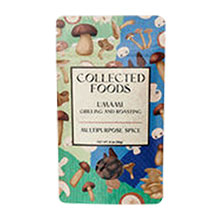
Company: Guangzhou Ben Hen Import and Export Trading Co. Ltd
The Customized Stand Up Pouch-005-8954 from Guangzhou Ben Hen is made of aluminum foil or combination of materials such as PET, BOPP or kraft paper, and aluminum and PE or as required. It is resealable, water-resistant, and has a tear notch. Depending on the intended use, this pouch can have a spout or a hang hole. It is available in 50g to 5kg, 10 and 15kg variants. Price ranges from$0.02 to $0.80. Size, color and capacity can be customized. An order of at least 1,000 pieces is required and has a lead time of seven to 25 days.
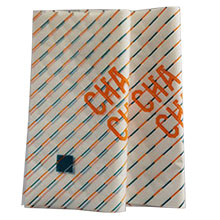
Company: Ningbo Boyi Paper Co. Ltd
Ningbo Boyi uses virgin wood pulp to manufacture the Non-stick-3 parchment wrapping paper that can also be used for baking, steaming, roasting and freezing food. This greaseproof, water- and heat-resistant 40gsm paper can be reused three to five times. A carton is priced $8 to $12. MOQ is one carton and lead time five to 15 days.
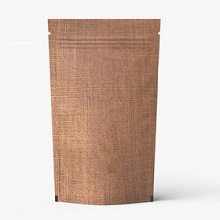
Company: Water Wave Ltd
Water Wave offers the PJ-009, a resealable stand-up pouch made of aluminum foil and plastic with a printed jute pattern. This food-grade packaging is water-resistant, and suits powdered, granular and liquid products, as well as pet foods, chemical products and cosmetics. Price is $0.16. A degassing valve can be added on request. Custom logos are accepted. MOQ is 10,000 pieces and lead time 10 to 15 days.
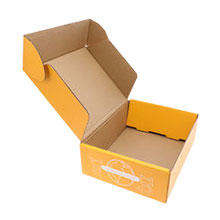
Company: Shanghai Forests Packaging Group Co. Ltd
Shanghai Forests’ FPG1Claire0019 is a food box made of corrugated cardboard in three, five and seven layers, kraft, art or fancy paper, or ivory or duplex board. A cotton handle can be added on request. Size and color are customizable, and designs for printing are accepted. Price is $0.258 to $0.854. MOQ is 1,000 pieces and lead time 10 to 20 days.
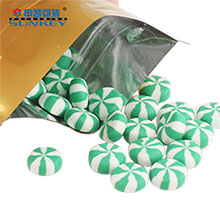
Company: Sunkey Plastic Packaging Co. Ltd
From Sunkey, the SK-Food Packaging-C001-001 is a food-grade laminated zipper bag made of a combination of PET, aluminum and PE or PET, VMPET and PE. It can have a printed design with up to 12 colors. Price is $0.06 to $0.12. Custom sizes and logos are accepted. An order of at least 1,000 pieces is required. Lead time is 18 to 20 days.
Company: Taizhou Source of Colour New Material Technology Co. Ltd
Taizhou Source of Colour offers food-grade packaging film used in making plastic bags such as the Plastic Bag-7651. This greaseproof plastic material uses gravure composite ink. Price is $0.08 to $0.10 per square meter. An order of at least 1,000sqm is required and has a lead time of one to three days.
More Sourcing News
Read Also

关注 “环球资源外贸” 官方微信,获取实时外贸资讯
iOS & Android
iOS & Android(Mainland China)
Copyright © 2026 Publishers Representatives Limited. All rights reserved.




