




In the dynamic world of retail, wholesale flea markets hold a unique and significant place. These markets, often bustling with activity, offer a diverse array of products ranging from antiques and collectibles to everyday household items. For B2B buyers, wholesale flea markets present a treasure trove of opportunities to source unique and high-demand merchandise at competitive prices. The benefits of sourcing from flea markets include access to rare and exclusive items, potential for high profit margins, and the thrill of discovering hidden gems that can set a business apart from its competitors.
Wholesale flea markets are not just about finding products; they are about the experience. The vibrant atmosphere, the eclectic mix of vendors, and the possibility of finding something truly unique make these markets an exciting venue for B2B buyers. Whether you are looking for vintage furniture, handcrafted goods, or bulk items for resale, wholesale flea markets can be a goldmine for businesses willing to invest the time and effort.
This guide aims to assist B2B buyers in navigating the vibrant landscape of wholesale flea markets. By providing strategic insights and practical tips, we hope to empower buyers to maximize their profits and uncover valuable merchandise that can enhance their product offerings. We will delve into the nuances of flea market dynamics, offer strategies for effective negotiation, and provide tips for building long-term relationships with vendors.
Table of Contents
1. Understanding the Wholesale Flea Market Landscape
2. Preparing for a Successful Visit
3. Strategies for Discovering Hidden Treasures
4. Building Relationships with Vendors
5. Legal and Ethical Considerations
6. Case Studies and Success Stories
1. Understanding the Wholesale Flea Market Landscape
Types of Flea Markets
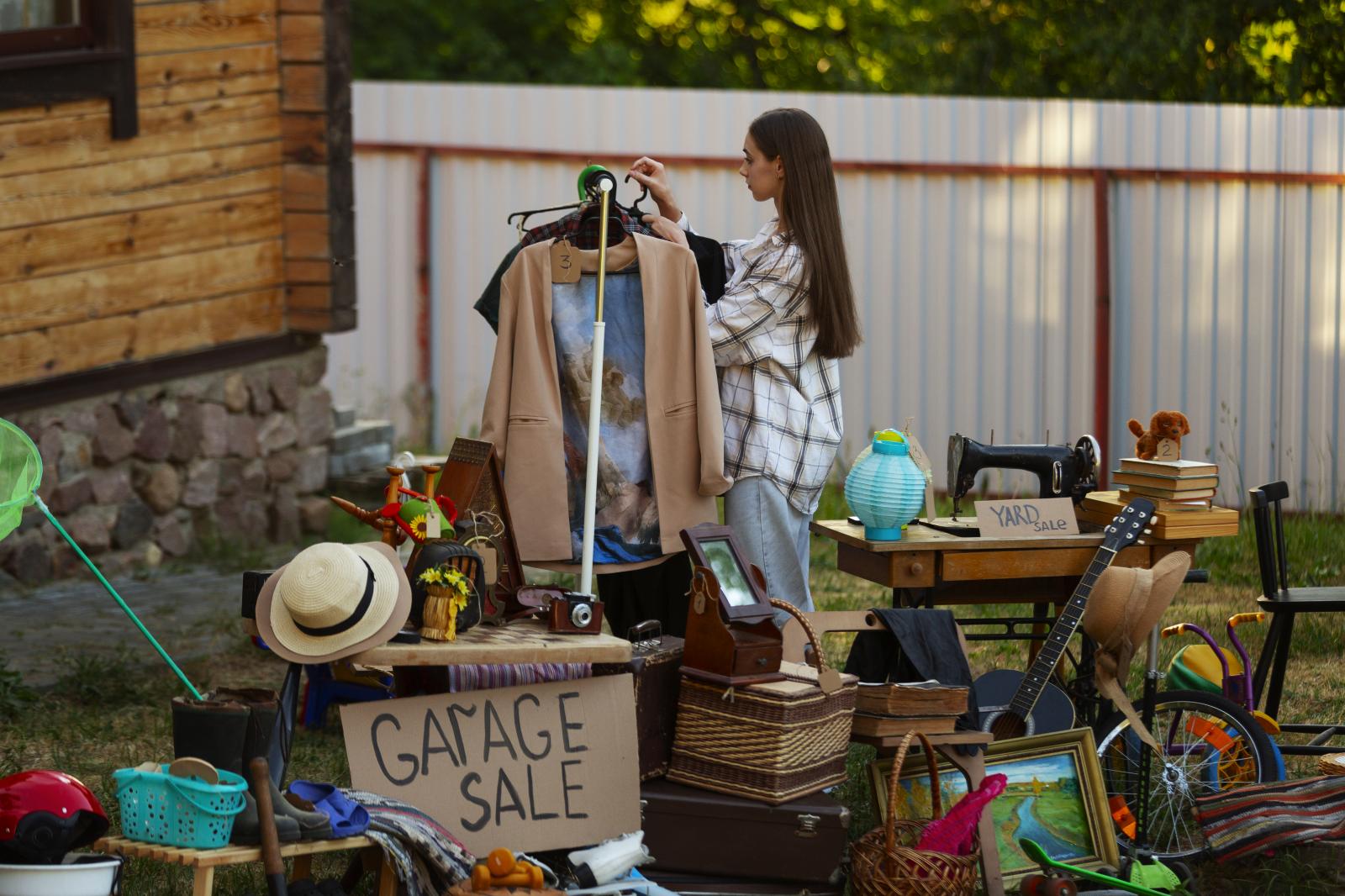
Wholesale flea markets come in various forms, each with its own unique characteristics. Permanent markets operate year-round and often have established vendors and loyal customer bases. These markets are typically more structured, with fixed stalls and regular vendors who offer a consistent range of products. Temporary markets, on the other hand, may pop up seasonally or on specific dates, attracting a diverse range of vendors and products. These markets can be more unpredictable but also offer the potential for unique finds.
Additionally, regional differences play a role in the types of merchandise available. For example, flea markets in rural areas may focus on agricultural products, handmade crafts, and antiques, while urban markets might offer a wider range of electronics, fashion items, and modern household goods. Understanding these nuances can help buyers target the right markets for their specific needs.
Key Players and Stakeholders
The wholesale flea market ecosystem consists of several key players. Vendors and suppliers are the primary sources of merchandise, offering a wide range of products to buyers. These vendors range from small-scale artisans to large wholesalers, each with their own unique offerings. Brokers and middlemen facilitate transactions and help buyers navigate the market. They can provide valuable insights into market trends and help buyers find the best deals.
Buyers and retailers, the end customers, seek out valuable merchandise to resell in their own stores or online platforms. Successful buyers are those who can identify high-demand products, negotiate favorable prices, and build strong relationships with vendors. Understanding the roles and motivations of these key players is crucial for navigating the wholesale flea market landscape effectively.
2. Preparing for a Successful Visit
Research and Planning
A successful visit to a wholesale flea market begins with thorough research and planning. Identify the best markets to visit by considering factors such as location, reputation, and the types of products available. Online forums, trade publications, and industry contacts can provide valuable information about the best markets to visit. Understanding market schedules and peak times can help you plan your visit to coincide with the arrival of new merchandise and the presence of key vendors.
Creating a detailed plan for your visit can help you make the most of your time at the market. This includes mapping out the layout of the market, identifying key vendors, and setting specific goals for what you hope to achieve. A well-thought-out plan can help you stay focused and organized, ensuring that you make the most of your visit.
Budgeting and Financial Planning
Setting a budget for your purchases is crucial to managing your finances effectively. Determine how much you are willing to spend and allocate funds accordingly. This includes setting aside money for transportation, accommodation (if traveling), and any unexpected expenses that may arise. Managing cash flow and having a variety of payment methods on hand, such as cash, credit cards, or mobile payments, can facilitate smooth transactions.
It’s also important to consider the potential return on investment for the products you purchase. This involves researching market prices, understanding consumer demand, and estimating the potential profit margins for each item. By carefully budgeting and planning your purchases, you can maximize your profits and minimize financial risks.
Logistics and Transportation
Arranging transport for your goods is an essential aspect of the planning process. Consider the size and quantity of the merchandise you intend to purchase and ensure you have adequate means to transport them back to your location. This may involve hiring a truck, renting a storage unit, or coordinating with a shipping company. Handling large quantities of merchandise may require hiring additional help or renting transportation vehicles.
Properly planning for logistics can help you avoid delays and ensure that your merchandise arrives safely and on time. This includes packing and labeling your goods properly, coordinating with transport providers, and tracking your shipments to ensure they arrive as expected.
3. Strategies for Discovering Hidden Treasures
Negotiation Techniques
Effective negotiation is key to securing the best deals at wholesale flea markets. Building rapport with vendors can create a positive atmosphere for bargaining. Approach negotiations with a friendly demeanor, express genuine interest in the products, and be prepared to make reasonable offers. Effective bargaining strategies include starting with a lower offer and gradually working towards a mutually agreeable price.
Understanding the vendor’s perspective can also enhance your negotiation skills. Vendors are often willing to negotiate, especially if you are buying in bulk or are a repeat customer. Being respectful and showing appreciation for their products can go a long way in building a positive relationship. Additionally, being flexible and open to compromise can help you secure better deals.
Spotting Valuable Merchandise
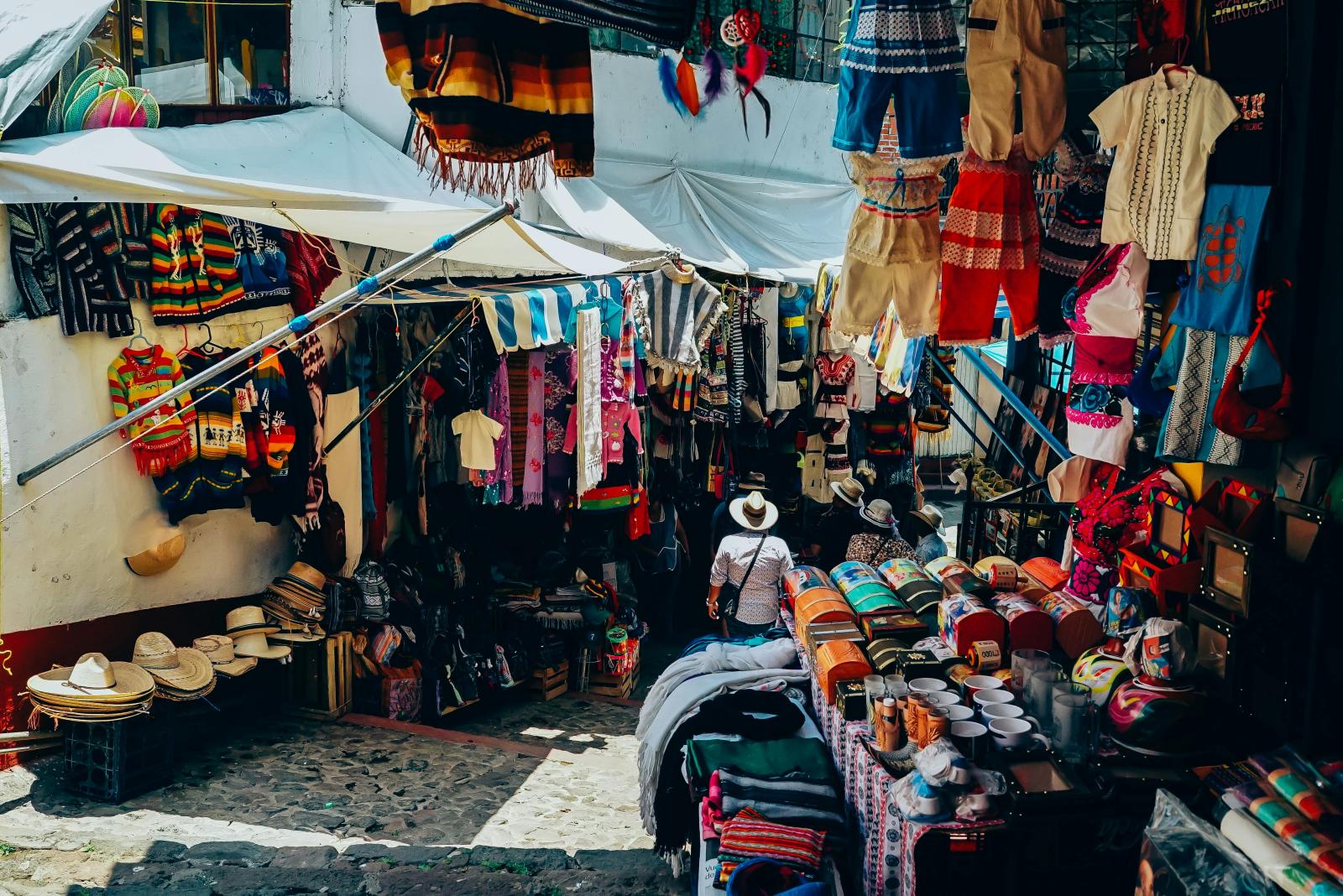
Recognizing quality and authenticity is essential for discovering valuable merchandise. Pay attention to the condition of the items, check for any signs of damage or wear, and verify the authenticity of branded products. Identifying trends and high-demand items can also guide your purchasing decisions, ensuring that you acquire merchandise that will appeal to your target market.
Developing a keen eye for valuable merchandise takes practice and experience. This involves understanding the characteristics of different types of products, such as antiques, collectibles, and modern goods. Researching market trends and staying informed about consumer preferences can also help you spot valuable items.
Evaluating and Authenticating Goods
Assessing the condition and value of goods requires a keen eye and attention to detail. Look for indicators of quality, such as craftsmanship, materials used, and overall appearance. Avoid counterfeit and low-quality products by conducting thorough inspections and asking vendors for any relevant documentation or proof of authenticity. Utilizing tools such as magnifying glasses, UV lights, and reference guides can aid in the authentication process.
Developing a network of experts and resources can also be valuable in evaluating and authenticating goods. This includes consulting with appraisers, attending workshops, and participating in online forums. By leveraging these resources, you can enhance your ability to identify and acquire valuable merchandise.
4. Building Relationships with Vendors
Establishing Trust and Credibility
Building strong relationships with vendors can lead to long-term benefits. Consistent purchasing and maintaining open communication demonstrate your reliability and commitment. Offering feedback and expressing appreciation for their products can further strengthen these relationships. Trust and credibility are built over time through positive interactions and mutual respect.
Networking within the flea market community can also enhance your relationships with vendors. This includes attending industry events, participating in online forums, and joining trade associations. By becoming an active member of the community, you can build a network of trusted contacts and gain valuable insights into market trends and opportunities.
Long-term Partnerships
Loyal vendor relationships can provide exclusive deals and first access to new merchandise. Establishing trust and credibility with vendors can lead to preferential treatment, such as early notifications about upcoming sales or special discounts. Long-term partnerships can also lead to collaborative opportunities, such as co-branding, joint promotions, and customized product offerings.
Investing in long-term partnerships requires ongoing effort and commitment. This includes regular communication, timely payments, and a willingness to collaborate on new initiatives. By fostering strong relationships with vendors, you can create a stable and reliable supply chain that supports your business growth.
5. Legal and Ethical Considerations
Compliance with Regulations
Compliance with local and international trade laws is essential when sourcing merchandise from wholesale flea markets. Ensure that the products you purchase meet safety standards and regulatory requirements. Familiarize yourself with import and export regulations if you plan to source goods from international markets. This includes understanding customs procedures, tariffs, and documentation requirements.
Staying informed about regulatory changes and industry standards can help you navigate the complexities of compliance. This includes subscribing to industry newsletters, attending trade seminars, and consulting with legal experts. By prioritizing compliance, you can avoid legal issues and build a reputation for integrity and reliability.
Ethical Sourcing
Promoting fair trade practices and supporting sustainable and responsible vendors is not only ethically sound but also enhances your business reputation. Ethical sourcing involves ensuring that the products you purchase are produced under fair labor conditions and do not harm the environment. This includes verifying the supply chain, conducting audits, and working with certified suppliers.
Consumers are increasingly conscious of the ethical implications of their purchases, and businesses that prioritize ethical sourcing can gain a competitive advantage. This includes promoting your commitment to ethical practices through marketing and branding efforts. By aligning your business with ethical values, you can attract loyal customers and build long-term success.
6. Case Studies and Success Stories
Examples of Successful B2B Buyers
Highlighting successful ventures can provide valuable insights and inspiration for other B2B buyers. For example, a retailer who discovered a unique line of handmade jewelry at a flea market and successfully marketed it to a niche audience can serve as a case study. Lessons learned from these success stories can include effective negotiation techniques, marketing strategies, and tips for building strong vendor relationships.
Case studies can also illustrate the potential for high returns on investment when sourcing from wholesale flea markets. By showcasing real-world examples of successful buyers, you can demonstrate the tangible benefits of investing time and effort in these markets. This can motivate other buyers to explore wholesale flea markets and adopt similar strategies for success.
Innovative Uses of Flea Market Finds
Creative merchandising and marketing strategies can enhance the appeal of flea market finds. For instance, a retailer might create themed displays, bundle complementary products, or offer customization options to attract customers. Expanding product lines and diversifying inventory based on flea market finds can also help businesses tap into new markets and increase sales.
Innovative uses of flea market finds can include repurposing vintage items, creating unique product bundles, and leveraging storytelling to enhance the perceived value of products. By thinking outside the box and experimenting with different merchandising strategies, you can maximize the potential of your flea market finds and create a distinctive shopping experience for your customers.
Conclusion
Summarizing the key strategies for success can reinforce the main takeaways from the guide. This includes the importance of thorough research and planning, effective negotiation techniques, and building strong relationships with vendors. Emphasizing the potential for discovering hidden treasures and achieving high profit margins can inspire B2B buyers to explore wholesale flea markets.

