Download App
Better Online and Trade Show Sourcing Experiences.Scan the QR code to download.
Learn More
Hot Topics
Sourced from animals suited to living in the high plateaus of Tibet, the material is said to be 40 percent warmer and 65 more breathable than merino from Australia- and New Zealand-raised sheep.
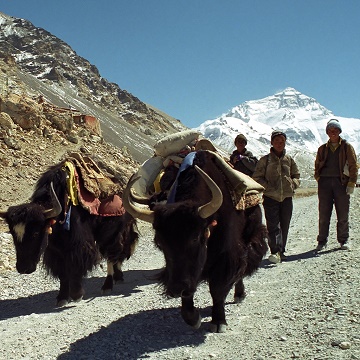
Yak herders from the plateaus of Tibet||Image source: Peak to Plateau
Wool has been the material of choice for most outdoor performance apparel brands because of the material's ability to keep wearer's warm in the winter and cool in the summer while wicking away sweat from the body, preventing odor buildup. Merino is the most popular type of wool, and comes primarily from sheep raised in Australia and New Zealand.
But New Zealand-based startup Peak to Plateau believes it has a found a warmer, softer and more breathable alternative: yak wool from the plateaus of Tibet. And this type of wool is what the company will use for its new line of outdoor apparel.
Peak to Plateau founder Stefan Warnaar came up with the idea of using yak wool as the main material for outdoor apparel while spending three months living and traveling through different parts of Asia, including Mongolia and Tibet, where he met nomads and yak herders.
The yaks in those areas live in environments where temperatures can drop up to -40 C. Suited to living in high altitudes, the animals are believed to have developed wool that are 40 percent warmer and 65 more breathable than merino. Yak wool also has the attributes of merino variants, including the ability to regulate body temperature and protect against harmful UV rays. It boasts anti-microbial property as well, fighting odor buildup, even after days of use.
Peak to Plateau's Kickstarter campaign has already exceeded its goal of $50,000 with a few days left in its crowdfunding endeavor. The yak wool-based collection consists of a long-sleeved ¼ zipped pullover called Kailash, a long-sleeved sweater named Nomad Crew and a T-shirt dubbed the Namtso.
The garments are blended with Tencel, and come with raglan sleeves, thumb holes, offset seams to avoid irritation when carrying backpacks and an extended torso to prevent the clothes from rising up to far.
The first batch is set to ship in February 2017. Retail prices range from about $65 to $105.
More Sourcing News
Read Also

关注 “环球资源外贸” 官方微信,获取实时外贸资讯
iOS & Android
iOS & Android(Mainland China)
Copyright © 2026 Publishers Representatives Limited. All rights reserved.




