
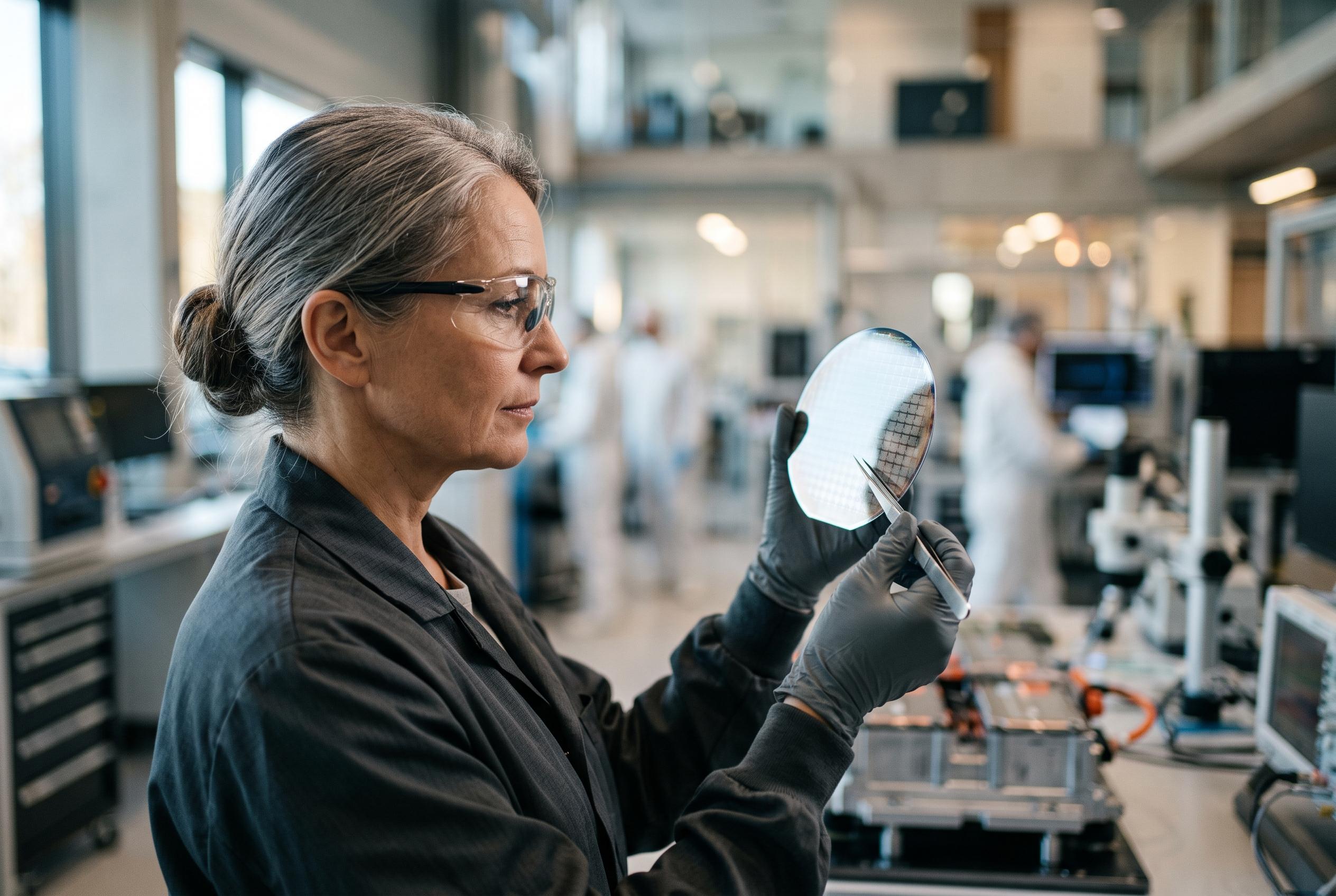
Europe’s carmakers are facing a quieter threat behind the shift to electric vehicles: concentrated global supply chains for chips, rare-earth magnets, copper and other essential components. A new ACEA analysis shows why processing capacity, not just raw materials, could determine how smoothly Europe builds its next generation of cars.
Essential Takeaways
- - The weak point is often processing: Materials may be available, but turning them into automotive-grade components is harder.
- - China remains pivotal: It plays a major role in rare-earth processing, permanent magnets, gallium and germanium.
- - Electric cars increase exposure: EVs, driver-assistance systems and connected features need more chips, copper and advanced electronics.
- - The competition is widening: Artificial intelligence, data centers, defense and clean-energy projects are chasing many of the same resources.
- - Full self-sufficiency isn't realistic: Europe needs diversified suppliers, local processing and better visibility across the entire chain.
The biggest risk sits between the mine and the factory
The European automotive supply chain has a deceptively simple-looking problem. A carmaker may know where a mineral is extracted, but that doesn't mean the material can quickly become a reliable, certified component for a vehicle.
According to ACEA's supply-chain analysis, ten materials and components are especially important, including semiconductors, rare-earth NdFeB magnets, wiring, displays, silicon, copper, gallium, germanium, palladium and tungsten. They support everything from electric drivetrains and power electronics to connected services and advanced driver-assistance systems.
That middle stage is where the pressure builds. Processing facilities require specialist technology, trained workers, certifications and years of investment. In other words, a new source on a map isn't automatically a new source for a carmaker.
Why electric cars don't remove supply-chain dependence
Electric vehicles are often presented as a route away from traditional automotive vulnerabilities. They do reduce reliance on some engine and exhaust components, but they also bring a different shopping list, one filled with chips, copper, power electronics and magnet materials.
The shift toward software-defined vehicles adds another layer. More computing power, sensors, screens, connectivity and driver-assistance functions mean that even vehicles without a large battery can depend on an intricate electronics network.
ACEA has also warned that the industry is competing with fast-growing sectors for the same inputs. Finance Connect reported that demand from artificial intelligence, data centers and other technology industries is intensifying the contest for semiconductors and metals. That makes a future supply squeeze feel less like a distant possibility and more like a recurring business headache.
China and East Asia remain crucial links
China occupies an especially important position in several parts of the chain, particularly rare-earth processing and the manufacture of NdFeB permanent magnets. It also has a strong role in processing gallium and germanium, two materials used in advanced electronics.
Semiconductor production is similarly concentrated in East Asia, with Taiwan and South Korea serving as key manufacturing hubs. ACEA's earlier warnings over chip shortages show how quickly a disruption in one part of the world can ripple through European assembly plants.
The complication is that replacement suppliers must meet automotive standards, not merely ship an alternative material. Quality consistency, production volume, testing and certification all matter. A supplier that works for consumer electronics may not be ready to support a vehicle program, where reliability requirements are far less forgiving.
Four disruptions could hit the same bottlenecks
The analysis considers several geopolitical pressure points, including tensions around Taiwan, resource nationalism in Asia, disruptions along American trade routes and instability affecting African mineral corridors.
These scenarios begin in different places, but they converge on a familiar group of vulnerabilities: semiconductors, copper, rare-earth magnets, silicon, gallium and selected electronic components. Shipping is another shared concern. A blocked port or troubled sea route can affect several unrelated materials at once, turning a local incident into a production problem.
For shoppers, the impact may not appear immediately as a missing feature or a dramatic price jump. It can show up as delayed deliveries, altered specifications, fewer trim choices or manufacturers prioritising higher-margin models. The disruption may be invisible in the showroom, but it still reaches the final vehicle.
What Europe can do without chasing total independence
The answer isn't to manufacture every raw material within Europe. ACEA's work makes clear that complete self-sufficiency would be expensive, slow and unrealistic.
A more practical strategy would spread risk across additional countries and suppliers while expanding Europe's own processing capacity. Faster permitting, quicker certification and targeted investment could help address the links that are hardest to replace.
Battery production offers a useful warning. ACEA's battery supply-chain research has highlighted Europe's reliance on imported materials and the challenge of building enough local capacity to meet localisation ambitions. The lesson is straightforward: announcing factories is easier than creating a complete, resilient industrial ecosystem around them.
Carmakers and policymakers also need deeper visibility beyond direct suppliers. The real bottleneck may sit several layers down, where a specialist processor or component maker quietly supports multiple brands. Better demand forecasts would help those businesses secure financing and expand before a shortage becomes urgent.
The next automotive race is about resilience
A new car's competitiveness is no longer determined only by styling, range, software or factory wages. It also depends on whether the company can secure the tiny, specialised parts that make those headline features possible.
Europe's manufacturers still have major strengths, including engineering expertise, established production networks and a large consumer market. But those advantages work best when the underlying supply chain is flexible enough to absorb shocks.
The smartest goal isn't a perfectly sealed European system. It's a supply chain with fewer single points of failure, more credible alternatives and a clearer view of what's happening behind the first-tier supplier.
That may sound less exciting than a faster electric car or a sharper digital cockpit, but it could matter just as much.
A resilient car starts taking shape long before it reaches the assembly line.
Disclaimer: This article may have been created with AI assistance and reviewed by our editorial team. It is provided for general informational purposes only. Readers should verify information independently before relying on this content.
