
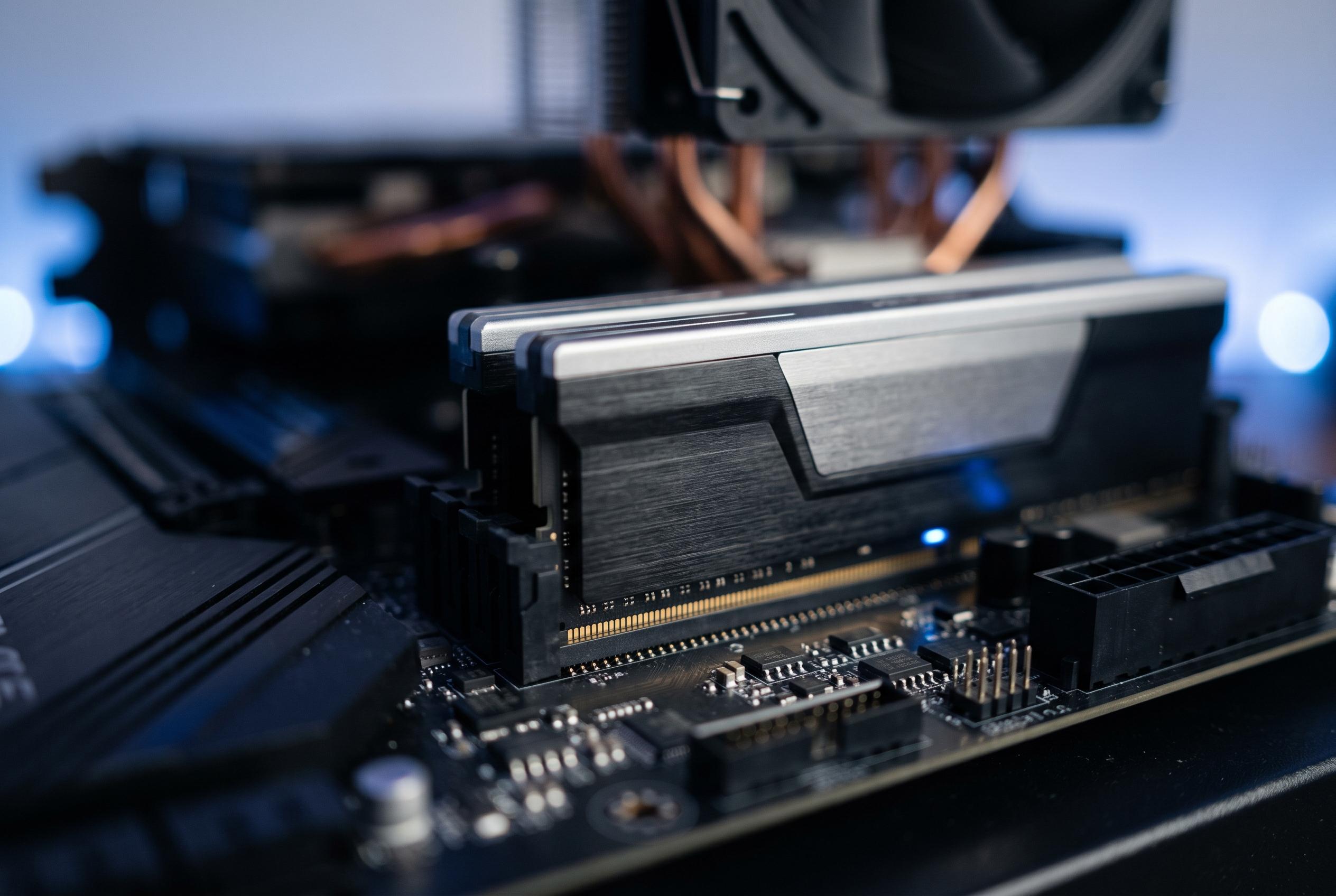
Shoppers facing the RAM crisis may finally have a reason for cautious optimism. Acer CEO Jason Chen says memory supply remains substantial, even as PC prices could rise by up to 20% in late 2026. His forecast is strikingly more hopeful than warnings of a shortage lasting until 2030, with relief potentially arriving in mid-2027.
Essential Takeaways
- - Prices may rise first: Acer expects average PC prices to increase by 5% to 20% in the fourth quarter of 2026.
- - Supply remains disputed: Jason Chen says DDR4 and DDR5 availability is still relatively strong, although other industry voices disagree.
- - Relief could arrive in 2027: Acer predicts PC prices may begin falling around the middle of 2027.
- - China could shift the market: New memory production capacity may help ease pressure and improve pricing.
- - Consumers still face a tough stretch: RAM, graphics cards, and complete PCs could remain expensive before conditions improve.
Acer's CEO offers a rare dose of RAM optimism
The memory market has been throwing consumers plenty of bad news, so Acer CEO Jason Chen's outlook lands like a cool breeze in a very warm server room. Speaking about current conditions, Chen argued that supplies of both DDR4 and DDR5 memory remain fairly substantial.
According to TechRadar, Chen also said processor availability wasn't facing a major shortage. His comments were reported from Taiwan's Economic Daily News and highlighted by VideoCardz, although translation may have softened or changed some of the original wording.
That doesn't mean bargain-priced laptops are about to flood store shelves. Chen still expects component costs to remain volatile, with PC prices climbing through the end of 2026 and into the following year. Still, his central message is clear: the shortage doesn't have to become a decade-long disaster.
Why PC prices could rise before they fall
Acer's forecast suggests shoppers may need patience. The company expects PC prices to rise by roughly 5% to 20% in the fourth quarter of 2026, depending on the product and its component mix.
Memory is only one piece of the puzzle. Graphics processors have also become more expensive, particularly at the high end, while manufacturers are juggling demand from artificial intelligence systems, data centers, and conventional consumer devices.
That combination creates an awkward buying window. A computer you need for work or school may be worth purchasing sooner, but upgrading purely for extra performance could be harder to justify while prices remain inflated. As TechSpot reported, Chen believes prices could eventually move lower, but not until around mid-2027.
The 2030 shortage warning is far from settled
Chen's confident prediction that a memory shortage can't last until 2030 directly challenges more worrying forecasts from major chipmakers. Micron's chief executive has repeatedly warned that memory availability could become tighter over the next few years, according to PC Gamer.
TechRadar has also reported concerns that artificial intelligence infrastructure will consume more memory through 2027 and 2028. Looking further ahead, advanced robots could require enormous amounts of memory per unit, adding another layer of demand by the end of the decade.
So, is the RAM crisis overblown? Not necessarily. Chen may be describing conditions in China more than the global market, and fresh Chinese production could change regional pricing without immediately solving shortages everywhere. Notebookcheck noted that his comments also suggest memory manufacturers may be overstating long-term scarcity concerns to preserve strong margins.
What shoppers should do before buying a PC
If you need a new computer soon, focus on the parts that matter most rather than chasing every specification. For everyday work, 16GB of RAM is still a sensible baseline, while 32GB makes more sense for gaming, creative software, and heavier multitasking.
Pay attention to upgrade options, too. A slightly less glamorous laptop with replaceable memory may age better than a thinner model whose RAM is permanently attached. Desktop buyers have more flexibility, so purchasing a sensible amount now and upgrading later could be less painful than paying a premium for maximum capacity.
The best approach is to compare complete systems rather than judging value from RAM alone. A bargain with a weak processor or poor storage can feel like false economy, and your browser tabs won't care how shiny the product box looks.
More memory capacity could bring prices back down
Chen's optimism rests partly on additional chip production coming online, especially in China. If that capacity reaches the market in meaningful quantities, it could improve availability and put pressure on manufacturers to compete more aggressively.
That would be welcome news after months of rising component costs. Tom's Hardware reported that Chen believes some companies may be amplifying fears of a shortage lasting until 2030, while lower-cost Chinese capacity could eventually help reduce memory prices.
For now, though, consumers are still navigating an expensive market. The hopeful scenario is stabilisation followed by lower prices in 2027, not an instant return to cheap upgrades. It's a modest promise, but after so many grim forecasts, even modest optimism feels useful.
Acer's forecast offers hope, but shoppers should still expect elevated PC prices before relief arrives.
Disclaimer: This article may have been created with AI assistance and reviewed by our editorial team. It is provided for general informational purposes only. Readers should verify information independently before relying on this content.
