
Ford's CATL battery partnership is facing fresh scrutiny in Washington, but CEO Jim Farley says licensing Chinese technology for American-made EV batteries is a practical way to build jobs, improve costs, and compete more effectively.
Ford's CATL battery deal puts practicality against politics
The heart of the argument is simple: Ford wants to use CATL's lithium iron phosphate battery expertise without importing finished batteries into the United States. Farley has defended that approach, saying the technology will support production at Ford's own Michigan facility.
That distinction matters. The cells may rely on licensed Chinese technology, but the manufacturing plan is designed around American workers, equipment, and operations. As Ford Authority reported, Farley sees the arrangement as a way to learn from a battery leader while keeping production closer to the vehicles' eventual market.
For shoppers, the promise is fairly tangible. LFP batteries are generally valued for durability, lower material costs, and reduced reliance on nickel and cobalt. They're not a magic wand for every EV challenge, but they could help bring down prices, which remains one of the industry's biggest hurdles.
Why Washington is uneasy about CATL
The controversy isn't really about one battery factory. It's about who controls the know-how behind a growing slice of America's transportation infrastructure.
U.S. Transportation Secretary Sean Duffy has raised concerns about Ford's reliance on overseas suppliers and technology linked to countries the administration views as strategic rivals. Investing.com reported that lawmakers are examining whether the CATL arrangement creates national security, supply chain, or industrial policy risks.
Those concerns come as automakers are trying to localise battery production at speed. The race has a slightly awkward reality: manufacturers need proven technology now, while policymakers want domestic alternatives developed independently. Building both at once is expensive, slow, and not especially gentle on corporate budgets.
Farley says partnership and competition can coexist
Farley's response has been unusually direct. He argues that Ford can partner with Chinese companies in selected areas and still compete against Chinese automakers in global markets.
That view reflects the industry's broader tension. Chinese suppliers have built major advantages in batteries, software, and manufacturing efficiency, while Western automakers are under pressure to catch up. Reuters reported that Ford's leadership has framed cooperation as a way to close that gap rather than surrender the race.
The approach isn't limited to CATL. Ford has also expanded its international relationships, including a planned European joint venture involving Geely. According to coverage from Paultan.org, Farley has warned that Chinese automakers are already deeply established in Europe, making the competitive challenge difficult to ignore.
What the Michigan battery plant means for EV buyers
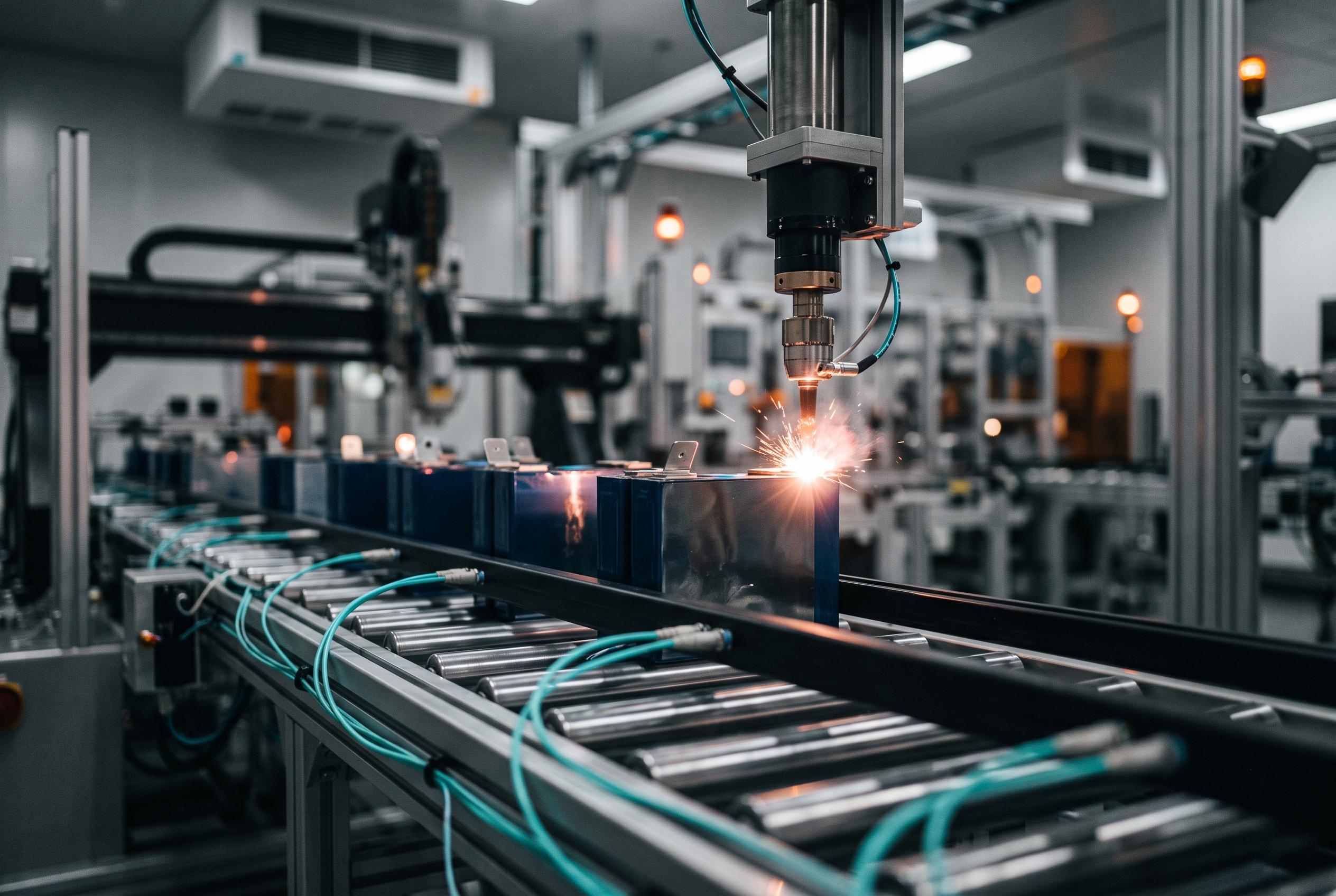
Ford's BlueOval Battery Park in Marshall, Michigan, is meant to turn the technology deal into local production. That could help the company avoid the expense and logistical headaches of shipping complete batteries across the Pacific.
It could also make Ford's electric models more competitive on price. LFP packs typically offer strong cycle life and use a chemistry that can be less costly, although they can be heavier and may deliver less driving range in some applications. That trade-off could suit mainstream cars, trucks, and fleet vehicles better than buyers chasing maximum range.
Consumers should watch more than the battery badge, though. Warranty coverage, charging speed, winter performance, software quality, and the vehicle's final price will matter just as much. A sleek battery strategy is only useful if the finished EV feels easy to live with on a rainy Tuesday.
Ford's global strategy is getting harder to separate
Ford's CATL arrangement shows how tangled the modern auto industry has become. Companies may compete fiercely in showrooms while sharing technology, sourcing components from one another, and relying on international manufacturing networks behind the scenes.
That creates a difficult balancing act for Ford. Farley wants access to expertise that can make EVs cheaper and more capable, while U.S. officials want supply chains that are less exposed to geopolitical pressure. The company is effectively being asked to move quickly and independently, even when the most developed technology sits overseas.
For now, Ford's message is clear: cooperation is a tool, not a surrender. Whether policymakers accept that distinction may shape not only Ford's battery plans, but also how quickly affordable electric vehicles reach American drivers.
It's a small phrase with a large industrial question behind it: can Ford borrow the technology without borrowing the risk?
Disclaimer: This article may have been created with AI assistance and reviewed by our editorial team. It is provided for general informational purposes only. Readers should verify information independently before relying on this content.
