
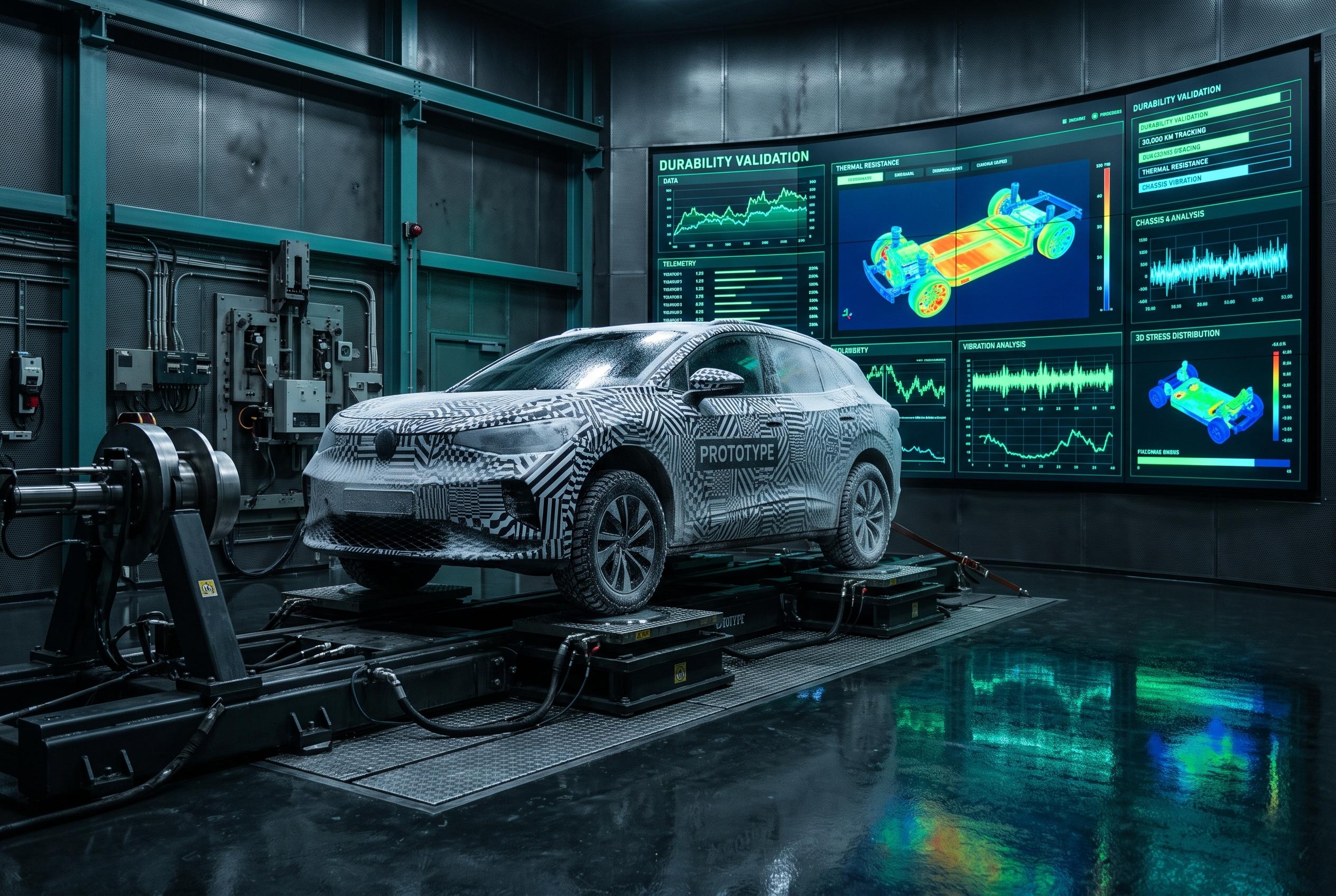
China is preparing tougher car design and testing rules after safety concerns surrounding flashy new features, including fully hidden door handles and flexible screens. The proposed measures would require longer reliability testing, physical controls for critical functions and more technical evidence before innovative vehicles reach buyers.
China is questioning the rush toward radical car design
Sleek, screen-heavy vehicles can look impressive in a showroom, but the appeal becomes less convincing when drivers struggle to open a door or find an emergency control. China’s proposed regulations reflect growing concern that some automakers are adopting fashionable technology before proving that it works reliably in real-world conditions.
The draft was prepared by several government bodies, including the ministries responsible for industry, public security and the environment, alongside the national market regulator. According to the Economic Times, the proposal was opened for public consultation and focuses on designs that may introduce safety or environmental risks.
That approach could reshape the way new Chinese vehicles are developed. Instead of treating distinctive styling as a selling point on its own, manufacturers would need to show that unusual features have been thoroughly tested and can still be used when conditions are difficult.
Fully hidden door handles are heading for the exit
The most visible target is the fully concealed door handle, a feature popular with electric vehicle makers chasing a smooth, aerodynamic profile. These handles typically sit flush with the bodywork and extend electronically or mechanically when the driver approaches.
The problem is less about appearance than access. In a crash, power failure, icy weather or electronic fault, occupants and rescuers may need a simple, obvious way to open the vehicle. Inside China Auto reported that proposed restrictions are tied to concerns over emergency usability, particularly when electronic systems are unavailable.
Flexible and folding displays could also come under pressure. They may create a futuristic cabin, but more moving parts and unconventional interfaces can mean more opportunities for failure. A design that feels clever on a sunny test drive may be less reassuring after a collision or a drained battery.
Physical controls could make a quiet comeback
The draft would require physical controls for functions considered critical to safe driving and for emergency operations. That could affect how automakers handle systems such as hazard lights, door releases and other features drivers may need to find instantly.
CNEV Post reported that the proposed framework would also demand additional technical information for innovative designs submitted for approval from January 1, 2027. For vehicles already approved, manufacturers would have to provide supporting parameters and verification materials by July 1 of that year.
It’s a notable shift in cabin philosophy. Touchscreens keep dashboards clean and easy to update, but a small button can be easier to operate by feel, especially at night, in heavy traffic or when a driver is already under stress. Sometimes the old-fashioned solution is the one your hands find fastest.
Longer tests could change the electric vehicle race
The proposed rules would call for reliability testing over at least 30,000 kilometres, alongside environmental adaptation trials lasting no less than one year. Those requirements are designed to expose problems that short development cycles or controlled demonstrations might miss.
AsiaOne reported that the plan comes amid wider efforts by Chinese authorities to improve the quality and safety of domestically produced vehicles. That matters in a market where new electric models and software-led features are arriving at remarkable speed.
For shoppers, the change could be welcome. A vehicle with fewer headline-grabbing gadgets may prove more dependable over time, while buyers could gain clearer information about how new systems have been tested. The trade-off is that longer validation may slow launches and increase development costs, but safety is a poor place to chase shortcuts.
Manufacturers could face recalls for unproven features
The proposed framework would give regulators a sharper response when a manufacturer fails to provide the required evidence and the vehicle is judged to pose a safety risk. In that situation, the company could be required to stop production, file a recall plan and carry it out voluntarily.
The tougher tone follows a major recall campaign covering more than seven million vehicles, with Tesla reportedly accounting for more than 5.7 million affected units. The reported concerns included emergency door-opening mechanisms and driver-assistance systems, according to the Economic Times.
The wider message is clear: design innovation won't be treated as a free pass. As vehicles become more connected and software-dependent, regulators are likely to examine not just how a feature looks, but how it behaves during a failure, an impact or a desperate moment on the roadside.
For buyers, the practical lesson is simple. When comparing a new car, try the emergency controls, ask how the doors work without power and check whether important functions remain usable without relying entirely on a screen.
A sleeker car isn't always a safer car, and China's proposed rules may push the industry to prove the difference.
Disclaimer: This article may have been created with AI assistance and reviewed by our editorial team. It is provided for general informational purposes only. Readers should verify information independently before relying on this content.
