
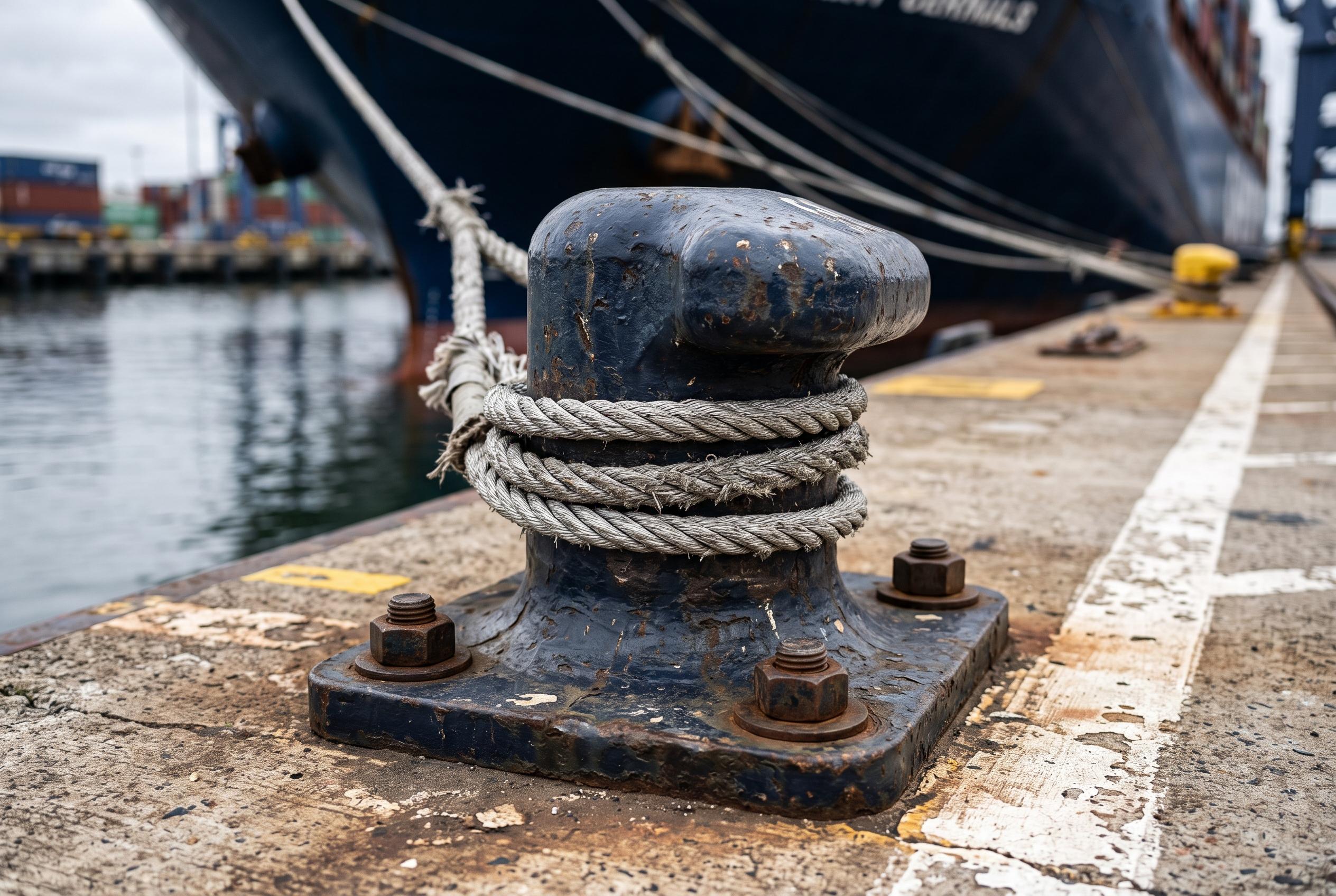
Ho Chi Minh City is reshaping its port network into a regional logistics hub, combining deep-water terminals, greener operations, and digital freight systems. The ambitious expansion matters well beyond Vietnam, as rising cargo volumes, stronger regional trade, and lower logistics costs could change how goods move through Southeast Asia.
Ho Chi Minh City is building a much bigger port map
Ho Chi Minh City's port expansion is no longer just a story about adding cranes or widening a terminal. Following the city's administrative integration with Ba Ria-Vung Tau, its maritime footprint now reaches across a far broader economic area, including major facilities near Cai Mep-Thi Vai. VietnamNet reported that the approved master plan carries an investment ambition of around $3 billion.
That wider geography gives the city something valuable: a connected port corridor rather than a single crowded gateway. The system is expected to handle between 463.4 million and 512.5 million tonnes of cargo by 2030, while passenger traffic could reach three million to 3.3 million journeys. Those are sizeable targets, but the real test will be whether the road and waterway network can keep pace.
The 30-million-TEU target reflects Vietnam's trade momentum
Container volumes are projected to land between 29.63 million and 33.16 million TEUs by 2030, excluding international transshipment cargo. That range puts Ho Chi Minh City among the most closely watched port markets in Southeast Asia, particularly as manufacturers continue to diversify supply chains across the region.
The expansion also has a transshipment angle. Seatrade Maritime reported that Mediterranean Shipping Company joined a joint venture connected with development of a Ho Chi Minh City transshipment port, a move that signals interest from major global shipping players. If the project gains traction, the city could compete more directly for cargo that currently moves through established regional hubs.
That ambition won't be easy. Larger volumes can create longer truck queues, tighter warehouse capacity, and more pressure on surrounding communities unless freight is spread across road, rail, barge, and coastal shipping. Port growth looks impressive on a chart, but drivers and cargo owners feel its success in minutes saved and bills avoided.
Better connections may matter more than extra berths
Vietnam's logistics costs remain a central concern, which is why officials are prioritising links between ports, production areas, logistics centres, and industrial zones. The US International Trade Administration has highlighted seaport development as an important part of Vietnam's broader infrastructure and trade strategy.
Industry voices in Ho Chi Minh City have made a similarly practical point: the main weakness isn't necessarily a shortage of ports or warehouses. It's the lack of coordination between them. PortNews reported that the city's wider maritime strategy is tied to improving inland connections and strengthening its role as a regional logistics centre.
For shippers, that means a genuinely useful expansion will be measured by the entire journey. A container should be able to leave a factory, reach a barge or terminal, clear the port, and continue overseas without repeated handoffs, unpredictable delays, or a surprise collection of local charges.
Digital and green upgrades are moving to the front
Ho Chi Minh City's port strategy places green automation and smarter water transport alongside traditional construction. That shift is significant because ports are under pressure to grow while reducing congestion, emissions, and energy use. Vietnam's wider maritime development plans increasingly frame digital systems and cleaner equipment as core infrastructure, not decorative extras.
Saigon Newport Corporation, one of Vietnam's major port operators, has described plans for a five-year digital transformation programme. The programme includes digitising barge handling and road transport, building digital platforms, and exploring artificial intelligence for port operations.
Those tools could make everyday freight movement less visible but much smoother. Better tracking, predictive scheduling, and coordinated truck or barge arrivals can help reduce idle time, although the benefits depend on common data standards and cooperation across companies. Technology can tidy the timetable, but it can't fix a missing road.
Can a regional logistics hub keep its promises?
The opportunity is clear: a larger port network could support Vietnam's exports, strengthen industrial investment, and give shipping lines another powerful gateway into mainland Southeast Asia. VietnamNet described the master plan as a major step towards establishing Ho Chi Minh City as a regional logistics centre.
Still, the next phase will require patience and coordination. The city must align terminal investment with roads, inland waterways, environmental safeguards, and the needs of nearby economic zones. International shipping interest, including the MSC-linked transshipment development reported by Seatrade Maritime, gives the plan momentum, but dependable execution will decide whether that interest becomes lasting cargo.
For businesses, the practical takeaway is straightforward: watch the connections, not just the headline capacity. A port that is larger, cleaner, and digitally organised could be a genuine competitive advantage. One that simply handles more boxes without easing the surrounding bottlenecks may leave the region with an impressive number and the same old traffic.
The port expansion's real promise lies in making every part of the freight journey work better together.
Disclaimer: This article may have been created with AI assistance and reviewed by our editorial team. It is provided for general informational purposes only. Readers should verify information independently before relying on this content.
