
Shoppers are entering a strange new tech cycle, where rocket-powered cars share the spotlight with reused memory chips, hotter phones, smarter chargers and more watchful cameras. From Tesla’s headline-grabbing Roadster showcase to Wi-Fi 8 and AI-assisted accessories, these developments matter because they’ll shape what ordinary buyers pay for, live with and worry about next.
Tesla’s flying Roadster is spectacular, but who needs one?
Tesla’s latest Roadster demonstration looked less like a car launch and more like a stunt show. The vehicle climbed a steep ramp, flipped using onboard propulsion and appeared to leap over a row of Tesla models, giving the event the kind of cinematic energy that spreads quickly online.
Tom's Guide reported that the Roadster is being pitched with extreme acceleration, long range and several configurations. The road-focused version is the one most buyers could realistically consider, while the more ambitious rocket-assisted model is aimed at a tiny group of invited collectors. TechRadar likewise highlighted the car's claimed thrusters and extraordinary performance ambitions.
That gap between engineering achievement and everyday usefulness is the point. Most drivers don't need a vehicle that behaves like a spacecraft, but Tesla does benefit when the entire industry is talking about it. The show sells an idea of the brand as much as it sells a product, and that can influence interest in more ordinary models.
Why recycled DRAM could become normal in budget phones
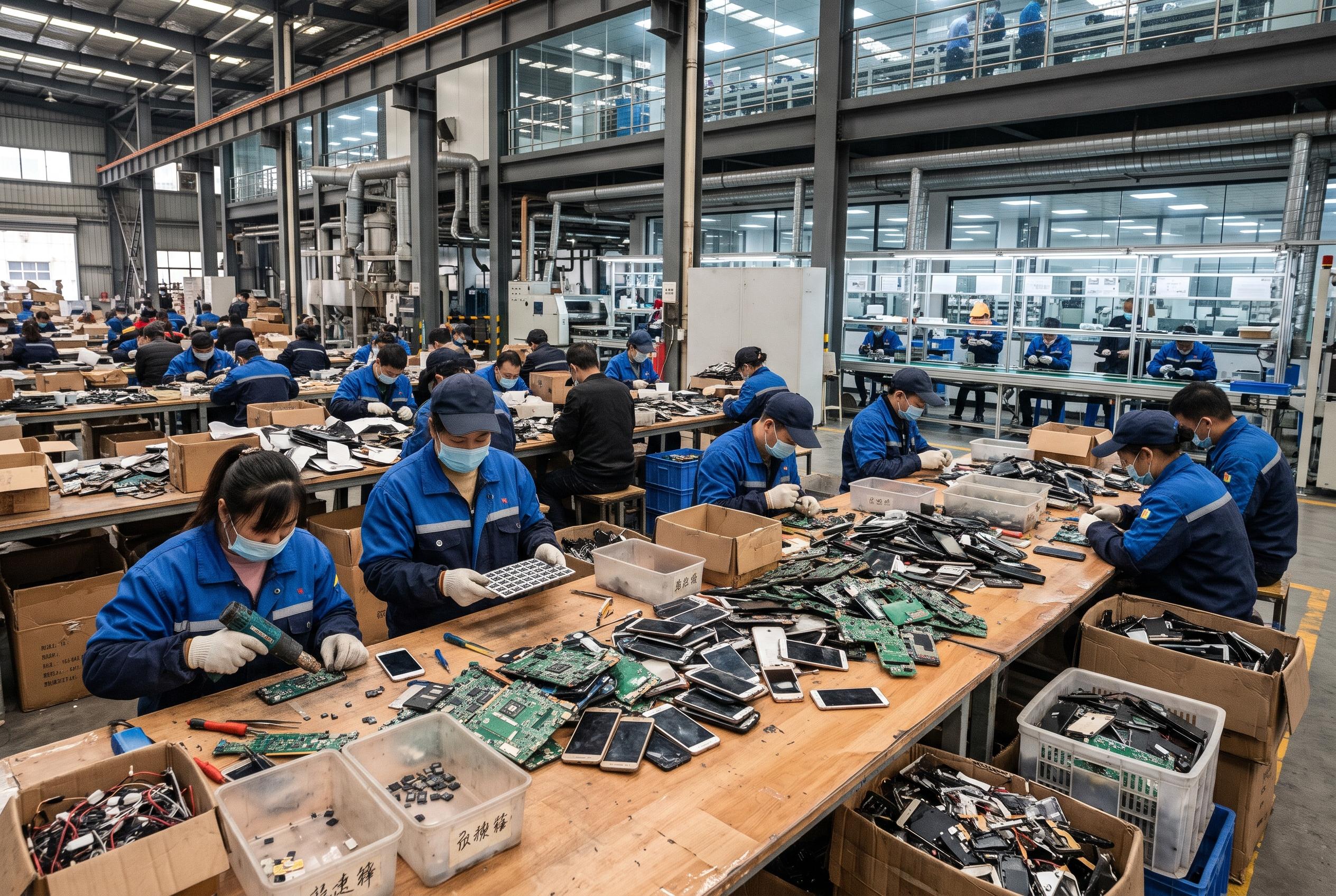
The less glamorous shift may have a bigger effect on shoppers. Several reports suggest Chinese smartphone manufacturers are exploring reclaimed DRAM chips taken from older phones, computers and servers, then cleaned, tested and installed in new devices.
Gizchina described the move as a response to rising memory costs, while TrendForce reported that some manufacturers have considered salvaged components as supply pressures intensified. MobileTelco also connected the change to production plans that had been reduced and later revived as more reused memory became available.
That doesn't automatically mean a phone will fail. Proper testing can separate usable parts from defective ones, but older chips may offer less predictable long-term service than fresh components. If you're comparing inexpensive phones, pay close attention to warranty length, software support and return policies rather than focusing only on RAM capacity.
For buyers, the bigger question is transparency. A refurbished phone is easy to understand when it's labelled and priced accordingly. Memory hidden inside a new handset is different, especially if consumers aren't told how the component was sourced.
Hotter processors could reshape the next smartphone
Powerful smartphone chips are running into a familiar physical limit: performance creates heat. As manufacturers add more local AI features, they need processors that can handle demanding workloads without turning a slim handset into a warm pocket tile.
The reported testing issues around a future Snapdragon platform have raised the possibility that Samsung could consider its own Exynos silicon for a premium Galaxy model. The details remain subject to change, but the underlying challenge is broad. Every major phone maker wants faster AI, gaming and imaging, yet batteries and human hands haven't changed much.
That could bring back chunky cooling hardware, thicker designs and cases that interfere with heat dissipation. If you're a heavy gamer or regularly use video and AI tools, look for independent thermal tests, sustained-performance results and charging behaviour, not just peak benchmark scores.
A phone that wins a 10-minute speed test but slows dramatically afterward isn't necessarily the better everyday device. In this category, quiet consistency is starting to look more valuable than a flashy specification sheet.
AI is spreading into charging, graphics and home networks
Some of the more useful developments are happening in accessories rather than flagship gadgets. Anker's Laptop Charger Pro is designed to recognise connected computers, adjust its power behaviour and offer a battery-care mode. The device also displays output and temperature, which is a small but welcome touch for anyone who has wondered what a charger is actually doing.
Meanwhile, Sony has outlined a frame-generation approach that could use controller input alongside visual data to predict what appears next. The goal is smoother motion with fewer awkward transitions, although the value will depend heavily on the screen, game and processing overhead.
Wi-Fi 8 is taking a similarly practical direction. ASUS's ZenWiFi BN12 focuses on stable connections, interference management and traffic prioritisation as well as headline speed. For households filled with TVs, cameras, phones and smart-home devices, reliable coverage often matters more than a maximum figure nobody reaches in normal use.
The sensible buying rule is simple: don't pay for a new standard just because the number is larger. Upgrade when your current network struggles with dead zones, congestion or frequent dropouts.
Small security cameras make privacy harder to see
Eufy's Window Camera E10 shows how surveillance is becoming easier to install and easier to miss. The compact unit attaches inside a window, records a broad view and uses onboard recognition to distinguish people, vehicles and animals.
That convenience is attractive for renters and homeowners who don't want outdoor wiring or drilling. But the same small footprint makes the device easy for passersby to overlook, particularly when it can capture clear images in low light.
Before installing any camera, check where its frame points, whether recording can be limited to a defined zone and how long footage is retained. Disable features you don't need, use strong account security and prefer local storage where practical. A camera aimed at a driveway can still record neighbours, delivery workers or pedestrians if its angle is too wide.
The technology itself isn't the only issue. As more cameras quietly identify and process people, privacy rules and consumer expectations will have to catch up. For now, thoughtful setup is one of the few protections users can control.
The next tech cycle will mix spectacle with compromise
The latest announcements reveal two different futures arriving at once. One is loud, expensive and designed for viral attention. The other is hidden inside memory modules, cooling systems, chargers, routers and cameras that most people will encounter without much fanfare.
That makes the practical details more important than the launch-day drama. Check how a device behaves over time, what happens when components age and where your data goes. The cleverest product isn't always the one with the biggest number or the most theatrical demonstration.
It's worth asking not only what new technology can do, but what it quietly asks from you in return.
Disclaimer: This article may have been created with AI assistance and reviewed by our editorial team. It is provided for general informational purposes only. Readers should verify information independently before relying on this content.
