
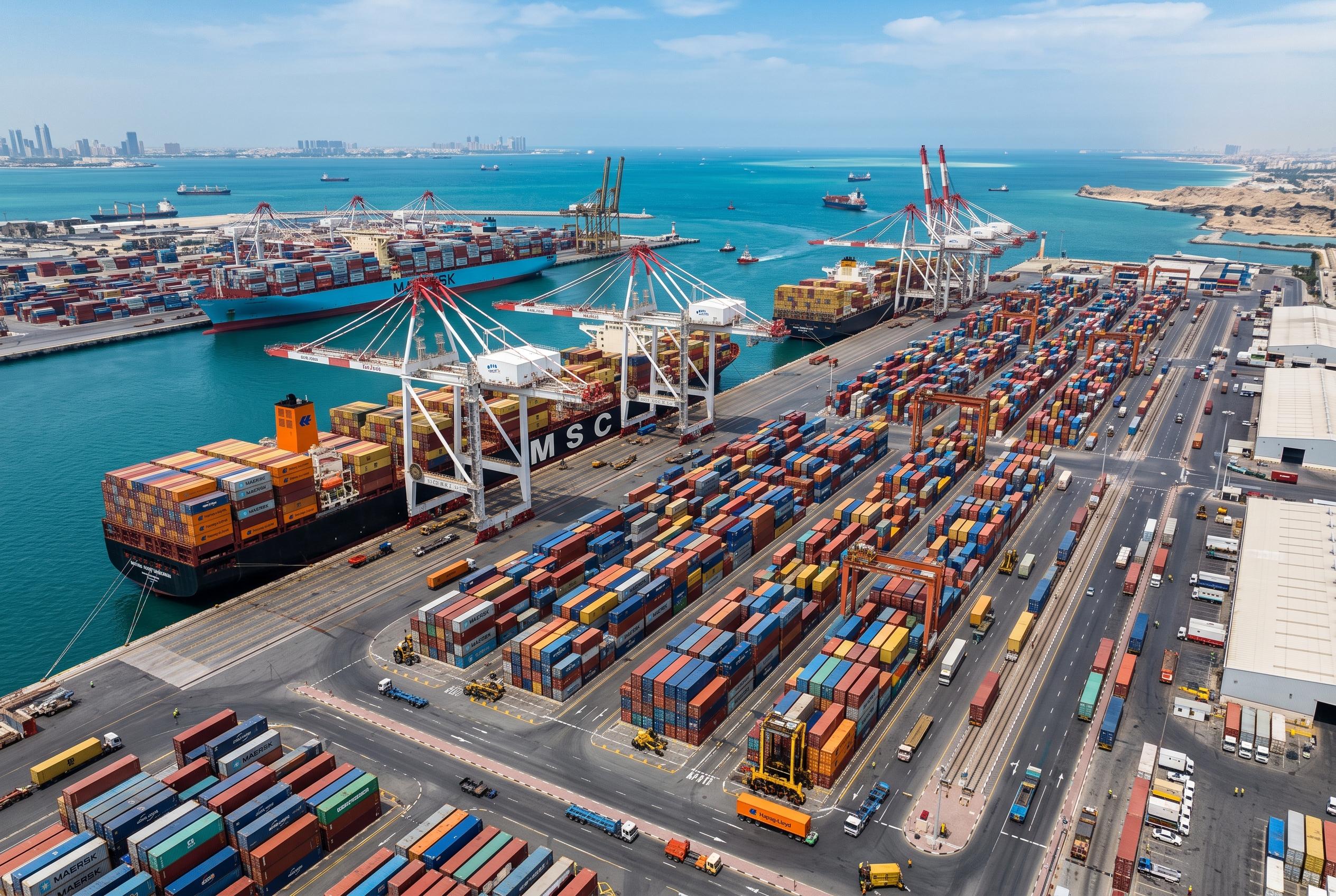
The European Parliament advances a major revision of customs regulations aimed at regulating low-value online orders, introducing new fees, increasing seller responsibilities, and modernizing data systems to better manage the surge in cross-border parcels entering the bloc.
European Parliament Backs Customs Overhaul Targeting Low-Value Online Orders
The European Parliament has given final backing to a major overhaul of the European Union’s customs rules, clearing the way for new charges, stronger enforcement, and tighter oversight of low-value online orders entering the bloc.
The reform is aimed at the rapidly growing flow of small parcels arriving from outside the European Union, particularly through e-commerce platforms such as Shein and Temu. It also seeks to move much of the responsibility for customs compliance away from individual consumers and onto the companies and online marketplaces that sell products to EU buyers.
For consumers, the changes could affect the cost and delivery process for imported goods ranging from electronics and mobile accessories to clothing, household products, and other lifestyle items. For online marketplaces and international sellers, the reforms could require significant changes to sourcing, logistics, product checks, customs data, and compliance systems.
New handling fee for small parcels
One of the central elements of the reform is a new handling fee for small parcels purchased from outside the European Union. EU officials say the charge is intended to help cover the administrative burden created by the enormous number of packages now entering the bloc through cross-border e-commerce.
Customs authorities are processing far more individual shipments than existing systems were originally designed to handle. Many of these consignments are low-value orders placed directly by consumers through online platforms. The high volume creates challenges for inspection, risk assessment, and the verification of whether products comply with EU rules.
The exact amount of the new handling fee has not yet been set. The European Commission is expected to determine the figure before the levy begins to apply by November 1, 2026.
The planned fee is separate from the temporary three-euro charge that the EU agreed for low-value packages earlier this year. That distinction means online shoppers and sellers may need to track more than one customs-related measure as the EU introduces the wider reform.
Although the amount of the new fee remains undecided, its purpose is clear: to address the cost and complexity of managing millions of low-value shipments. The measure places customs administration at the center of the EU’s response to the rapid expansion of international online retail.
For businesses involved in sourcing and logistics, the change could make the landed cost of imported goods more important in pricing decisions. Sellers may need to consider how customs fees affect product margins, consumer prices, shipping arrangements, and warehouse operations.
Platforms and sellers to carry greater responsibility
The reform also changes the way responsibility is assigned in cross-border online sales.
Under the new approach, platforms and sellers that ship directly to EU consumers will be responsible for customs formalities, payment obligations, and proof that their products meet EU rules. Those responsibilities will no longer be left primarily to the buyer when a parcel arrives at the door.
This represents a significant shift in the relationship between consumers, sellers, and customs authorities. Instead of asking individual buyers to deal with import requirements after making a purchase, the system is designed to place compliance duties on the companies arranging the sale and shipment.
The change is intended to make enforcement easier. It is also designed to help reduce the flow of unsafe, illegal, or non-compliant goods into the European single market. Online marketplaces and sellers will therefore face greater pressure to understand the products being offered through their channels and the rules that apply to them.
That issue is especially relevant for categories such as electronics and mobile products, where safety, technical, and product-compliance requirements can be important. It also applies to a wide range of lifestyle goods and other low-cost products sold through international e-commerce platforms.
The reform’s direction is clear: businesses that benefit from access to EU consumers will be expected to take a more active role in ensuring that goods entering the bloc meet customs and regulatory requirements. The buyer is being moved further away from the center of the import process, while the seller and platform are being asked to assume more responsibility.
The scale of low-value imports
Brussels has pointed to the scale of the problem as a major justification for the customs overhaul.
The European Commission said that 5.9 billion low-value items entered the EU market. The Commission said 90% of those items came from China.
Those figures illustrate the scale of the logistics challenge facing EU customs authorities. A large number of small parcels can be more difficult to manage than a smaller number of large commercial shipments because each package may involve separate product information, customs data, seller details, and delivery arrangements.
The growth of low-cost online shopping has also changed consumer behavior. Shoppers can order individual products directly from overseas sellers, often through mobile applications or online marketplaces, rather than buying from a business already established within the EU.
That model has helped expand consumer choice and access to inexpensive goods. At the same time, it has made it more difficult for authorities to monitor the quality, legality, and compliance of every item entering the market.
The European Commission has been pressing for a more data-driven customs system since proposing its broad reform. A central EU customs data platform is intended to speed up checks, improve risk analysis, and help member states coordinate more effectively.
A shared data platform could give customs authorities a more consistent view of shipments and business activity across the bloc. It is also intended to support a more coordinated approach to identifying potential risks. The reform therefore goes beyond the handling fee and the assignment of responsibility to sellers. It includes a broader effort to modernize the information systems used to manage international trade.
For companies, this means that the quality and completeness of customs data may become increasingly important. Businesses involved in international sourcing may need to pay closer attention to product descriptions, shipment information, seller records, and evidence of compliance.
Tougher penalties for repeat violations
The new rules also establish a tougher penalty framework for companies that repeatedly breach customs obligations.
Companies that repeatedly fail to meet customs requirements could face fines of at least 1 percent of the value of goods imported during the previous 12 months. The penalties could rise as high as 6 percent.
Authorities would also be able to suspend or withdraw trusted-trader status. In addition, repeat offenders could be classified as high-risk operators.
These measures increase the potential consequences of non-compliance beyond a single shipment or isolated administrative error. A company’s broader customs record could affect how it is treated by authorities and whether it continues to receive benefits associated with trusted-trader status.
The penalty framework is particularly significant for large online marketplaces and operators managing extensive seller networks. These businesses may need to monitor sellers more closely and develop stronger systems for identifying products or merchants that create customs and regulatory risks.
In practice, the rules put fresh pressure on major marketplace operators to police their seller networks more aggressively. The EU is attempting to rein in the fast-growing low-cost import business by making platforms and sellers more accountable for the goods they place in the market.
That accountability may affect the way platforms manage onboarding, product listings, seller verification, documentation, and shipment processing. The supplied reform does not specify every operational step companies will need to take, but its central principle is that businesses cannot rely on consumers to carry the main burden of customs compliance.
Implications for consumers and businesses
For consumers, the most visible change could be the effect of customs-related charges on the final price of imported goods. The amount of the new handling fee has not yet been decided, so its eventual effect on pricing remains uncertain.
Shoppers may also see changes in the way customs information is presented during the online purchasing process. Because sellers and platforms will be responsible for more obligations, buyers may receive clearer information about import-related costs, although the precise implementation is not set out in the supplied material.
Businesses, meanwhile, may need to review their sourcing and logistics arrangements. Sellers that previously relied on consumers to manage import formalities may have to take a more direct role. Marketplaces may also need to evaluate how products are listed, documented, shipped, and monitored.
The reform could be especially relevant to international e-commerce categories that depend on large volumes of small shipments. Electronics, mobile accessories, clothing, and other lifestyle products are often sold through online marketplaces in individual parcels. The new customs model is designed to bring those transactions into a more structured and closely monitored framework.
The European Parliament’s final backing marks a significant step in the EU’s effort to modernize customs oversight. The reform combines new charges, greater business responsibility, a central data platform, and stronger penalties for repeated violations.
Its broader objective is to ensure that the growth of cross-border online shopping does not outpace the ability of customs authorities to manage imports, identify risks, and protect the integrity of the single market.
Frequently Asked Questions
What is the new EU customs reform designed to address? It is designed to address the large volume of low-value parcels entering the EU through cross-border e-commerce, particularly from platforms such as Shein and Temu.
Will consumers pay a new fee? The reform includes a new handling fee for small parcels bought from outside the EU. The exact amount has not yet been set, but it is expected to be fixed before the charge begins to apply by November 1, 2026.
Who will be responsible for customs compliance? Platforms and sellers shipping directly to EU consumers will take greater responsibility for customs formalities, payment obligations, and proof that products meet EU rules.
How many low-value items entered the EU? The European Commission said 5.9 billion low-value items entered the EU market, with 90 percent coming from China.
What penalties could repeat offenders face? Companies could face fines of at least 1 percent of the value of goods imported over the previous 12 months, rising as high as 6 percent. Authorities could also suspend or withdraw trusted-trader status and classify operators as high-risk.
Disclaimer: This article may have been created with AI assistance and reviewed by our editorial team. It is provided for general informational purposes only. Readers should verify information independently before relying on this content.
Sources:
