
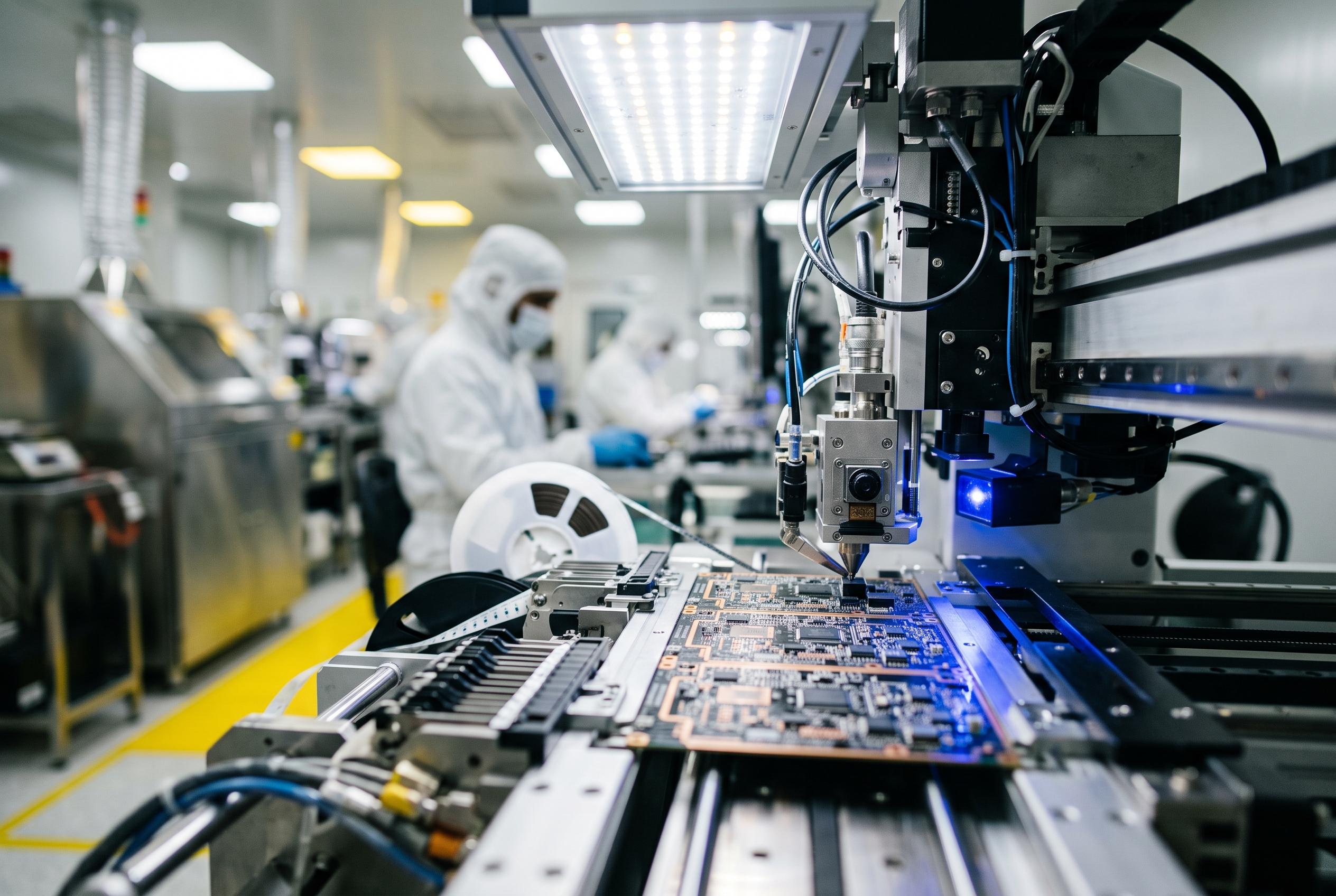
India is pushing beyond phone assembly and aiming for 35-40% domestic value addition in mobile manufacturing. The shift matters for manufacturers, suppliers, and shoppers alike, because it could bring more components, jobs, and technical expertise into the country while reducing reliance on imported parts.
Essential Takeaways
- - The target: India wants domestic value addition in mobile phones to rise from roughly 22-23% to 35-40%.
- - What it means: The goal concerns the value of locally made components and processes, not 40% of all phones sold being manufactured domestically.
- - The next phase: Government programs are focusing on printed circuit boards, camera modules, passive components, subassemblies, and other higher-value parts.
- - Why it matters: A deeper supplier base could reduce import dependence and strengthen India’s position in global electronics production.
- - The consumer angle: More local manufacturing may eventually support steadier supply, faster service, and greater competition, although those benefits won't appear overnight.
India wants more than final assembly
India's electronics story has largely been about scale: enormous factories, growing exports, and a fast-expanding mobile-phone sector. The next challenge is less visible but arguably more important, building the components that go inside those phones.
According to Business Today, MeitY Secretary S. Krishnan said India is targeting 35-40% domestic value addition in mobile manufacturing, compared with about 22-23% today. That would mark a meaningful step away from a model centered mainly on assembling imported parts.
The distinction is important. A phone assembled in India isn't necessarily mostly Indian-made. Domestic value addition measures how much of the product's value comes from work and inputs created within the country, so the target is about economic depth rather than simply factory location.
Components are becoming the real battleground
The Electronics Component Manufacturing Scheme is designed to support the less glamorous, highly technical layers of the supply chain. Those include printed circuit boards, passive and electrochemical components, camera modules, optical transceivers, subassemblies, and specialist manufacturing equipment.
The government announced a Rs 22,919 crore incentive scheme for electronics components and semiconductors, with the broader aim of building a more complete industrial base. NDTV reported that the program is intended to encourage component production instead of concentrating only on the final assembly of finished devices.
That may sound like industrial housekeeping, but it's where resilience is built. When suppliers are closer to phone factories, manufacturers can shorten logistics routes, respond more quickly to changes, and reduce exposure to shipping disruptions or sudden import costs.
How PLI and semiconductor plans fit together
India's Production Linked Incentive program helped attract large-scale electronics manufacturing by rewarding companies for meeting production and investment goals. MeitY's scheme details describe PLI for large-scale electronics manufacturing as a tool for expanding production, investment, and exports.
The newer component push is meant to fill in the gaps around that foundation. Meanwhile, the India Semiconductor Mission covers areas such as chip design, fabrication, advanced packaging, equipment, and materials, according to the Prime Minister's Office.
Together, these initiatives point to a broader strategy: build the factory floor, develop the suppliers, and gradually add the engineering capabilities that make an electronics ecosystem competitive. It's a more demanding route than assembly, but it offers far more long-term value.
What the shift could mean for shoppers
Consumers shouldn't expect a sudden drop in phone prices simply because more parts are made locally. Component plants take time to build, quality systems need to mature, and global brands still make purchasing decisions based on cost, reliability, capacity, and export requirements.
Still, a stronger domestic supplier network could bring practical benefits over time. More local sourcing may support better availability, quicker component replacement, and more stable manufacturing schedules. It could also create room for Indian companies to compete in specialized parts rather than remaining dependent on imported technology.
For anyone comparing phones, the immediate buying advice remains familiar: focus on software support, repairability, battery life, camera performance, and total cost. The manufacturing location matters, but it isn't a substitute for a good product.
India is aiming for a deeper place in global supply chains
The larger ambition is to make India a complete manufacturing location, not merely a final stop before a device leaves the factory. The government says its component and semiconductor programs are intended to connect Indian manufacturers with global value chains and expand capabilities across the electronics sector.
Industry analysis from One Big Future similarly frames India's mobile-phone manufacturing push as a move from assembly-led growth toward higher-value production, employment, and export competitiveness. That transition won't be measured only in phone shipments; it will show up in local suppliers, engineering jobs, tooling, testing, and the quiet network of businesses behind every finished device.
For India, the 40% ambition is less about a headline number than about changing what happens inside the supply chain. The interesting part is no longer just how many phones are assembled, but how much knowledge and value stays after the box leaves the line.
A deeper component ecosystem could make India's electronics industry sturdier, smarter, and more competitive.
Disclaimer: This article may have been created with AI assistance and reviewed by our editorial team. It is provided for general informational purposes only. Readers should verify information independently before relying on this content.
