
- The global IoT market projected to reach $959.3 billion by 2025 and over $1.1 trillion by 2030
- Software solutions like data management and security surpass hardware in growth
- 5G and edge computing enable faster, more reliable industrial and consumer deployments
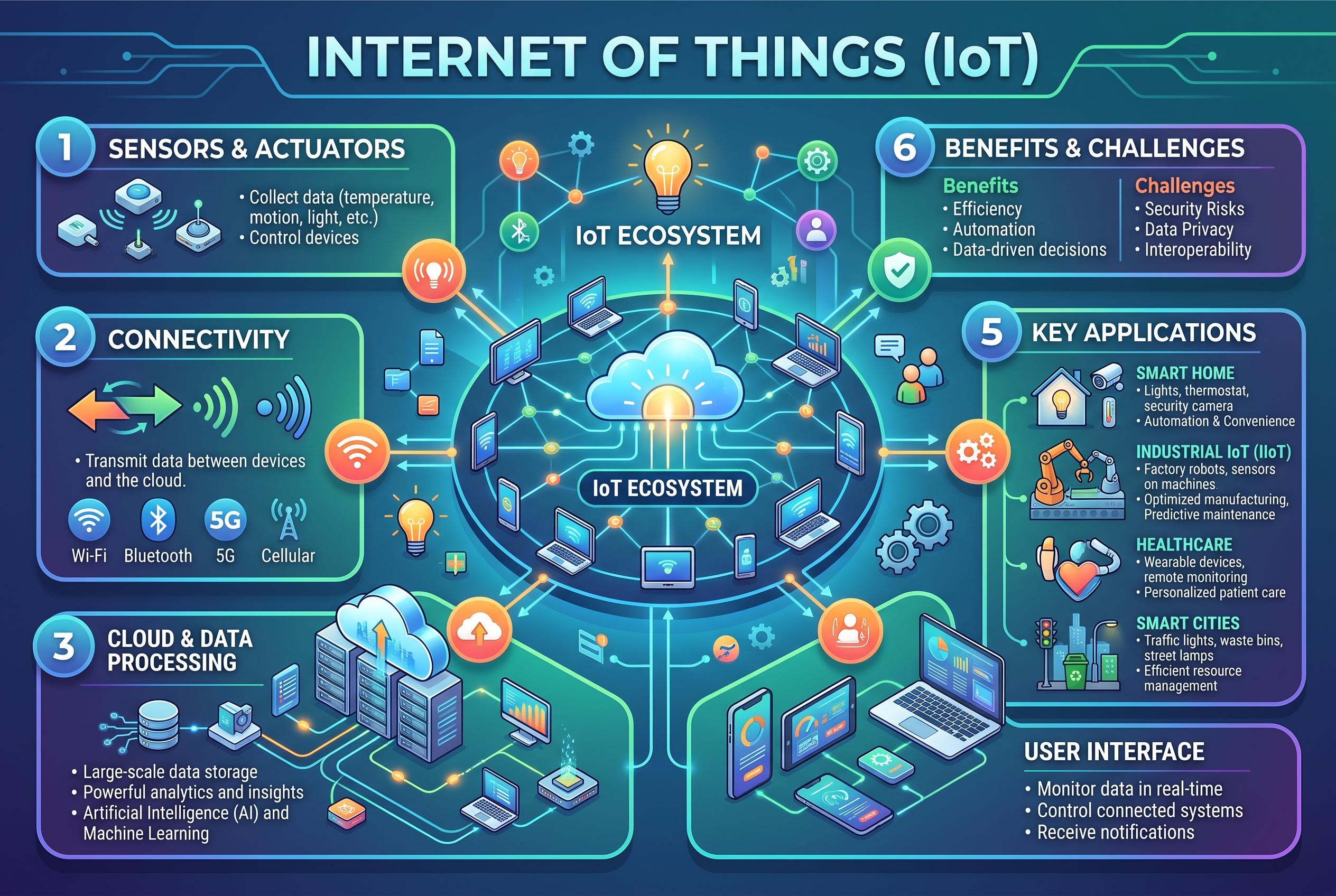
MarketsandMarkets’ latest figures actually suggest that the Internet of Things is still growing, even as the market matures, becoming more operationally oriented and more closely linked to business results. The research firm estimates that the global IoT technology market will hit $959.30 billion in 2025 and then increase to approximately $1,148.62 billion by 2030. That steady upward trend indicates a significant shift in how companies think about connected systems. These days, IoT isn’t just about adding more devices. It’s increasingly about integrating those devices into a broader digital operational model that supports factories, hospitals, transportation systems, retailers, utilities and even cities.
That kind of evolution is clear when you look at the wider market. According to Grand View Research, the IoT devices segment alone is on a sharp growth trajectory through 2030, driven by 5G, edge computing and the demand for real-time analytics, plus, their analysis on consumer IoT shows strong adoption in areas like smart homes, wearables and connected appliances. In essence, the connected economy is expanding on both ends: industrial users want more automation and better visibility, while households keep plugging more endpoints into the network.
Now, interestingly enough, most of the big commercial benefits are starting to come from software rather than hardware. MarketsandMarkets expects the fastest growth in the IoT stack to be in software solutions, particularly in areas like data management, remote monitoring, analytics, bandwidth control and security. That lines up with what the IoT M2M Council has been saying, that the next phase of the market will move beyond just connecting assets, to managing data flows across complex, multivendor environments. For everyone involved, buyers and providers alike, the message is clear: selling devices might get you in the door, but it is the software that really determines whether those deployments will grow and scale effectively.
Then there’s 5G, which is another huge booster. According to Grand View Research’s outlook on 5G IoT, we are seeing rapid expansion as companies seek lower latency, higher reliability and bigger device capacities. This is especially critical in sectors where timing and uptime are vital, things like manufacturing, healthcare, logistics and smart infrastructure. When combined with edge computing, 5G can process data closer to where it is generated, cutting down delays and making automation much more practical in environments that need quick decision-making.
AI is also shifting what companies expect from their IoT systems. TechRadar points out that AI is now being used more and more to actually get value out of the gigantic amounts of data generated by connected devices, through things like anomaly detection, predictive maintenance and security monitoring. MarketsandMarkets makes a similar observation, suggesting that the combo of IoT, AI and edge computing is creating smarter, more autonomous systems, things that can operate independently and make smarter decisions. For industrial setups, this could mean fewer unexpected shutdowns, tighter process controls and better utilization of assets.
Looking at regional growth, Asia Pacific is probably going to lead the charge. MarketsandMarkets predicts it will grow from $260.76 billion in 2025 to about $351.03 billion by 2030. They see strong backing from government initiatives, investments in 5G, smart-city projects and the ongoing digitization of industry sectors. However, the same reports also point out some major challenges, cybersecurity, privacy, interoperability and a lack of skilled workers. As connected systems spread wider, the companies that will most likely thrive are those that can securely manage data, integrate various types of equipment and turn connectivity into real, measurable business success.
What this means for sourcing, electronics and logistics
For procurement teams and sourcing leaders, the takeaway is that IoT purchasing is no longer a simple hardware decision. In electronics sourcing, buyers increasingly need to evaluate the full stack: sensors, gateways, connectivity modules, software, security layers and integration support. That makes supplier selection more strategic, because the lowest-cost component may not deliver the best operational outcome once the system is deployed.
This matters even more in logistics-heavy environments. Fleet visibility, warehouse automation, asset tracking, and cold-chain monitoring all depend on connected systems that can handle real-time data reliably. In many cases, the strongest business case for IoT comes from reducing waste, improving uptime and making supply chains more responsive. A platform that can surface delays, predict failures or optimize routes can have a direct impact on logistics performance.
The same logic applies to consumer-facing sectors, including lifestyle and mobile applications. Smart home devices, wearables, and connected appliances are no longer niche products; they are part of a broader shift toward always-on digital experiences. Mobile interfaces often serve as the main control layer, which means IoT success now depends not only on the device itself, but also on the user experience, app design and data visibility across phones, tablets and other endpoints.
Strategic takeaways
- - IoT growth is continuing, but the market is becoming more operational and outcome-driven.
- - Software, analytics and security are becoming more important than standalone devices.
- - 5G and edge computing are enabling faster, more practical deployments.
- - AI is turning connected data into actionable insights.
- - Asia Pacific remains a major growth region, but cybersecurity and interoperability remain key barriers.
- - Companies in sourcing, electronics, logistics, lifestyle and mobile ecosystems should plan for integrated solutions, not isolated devices.
Frequently asked questions
Q: Is IoT still a growth market? Yes. The figures cited in the article indicate continued expansion through 2030, even as the market matures.
Q: What part of the IoT market is growing fastest? Software and data-related solutions appear to be growing especially fast, including analytics, monitoring and security.
Q: Why are 5G and edge computing important for IoT? They help reduce latency, improve reliability and support real-time decision-making closer to where data is created.
Q: Where is IoT adoption strongest? Industrial use cases are growing quickly, while consumer IoT remains strong in smart homes, wearables and connected appliances.
Q: What should companies focus on when sourcing IoT solutions? They should look beyond hardware and evaluate integration, security, software capabilities and long-term scalability.
Disclaimer: This article may have been created with AI assistance and reviewed by our editorial team. It is provided for general informational purposes only. Readers should verify information independently before relying on this content.
