
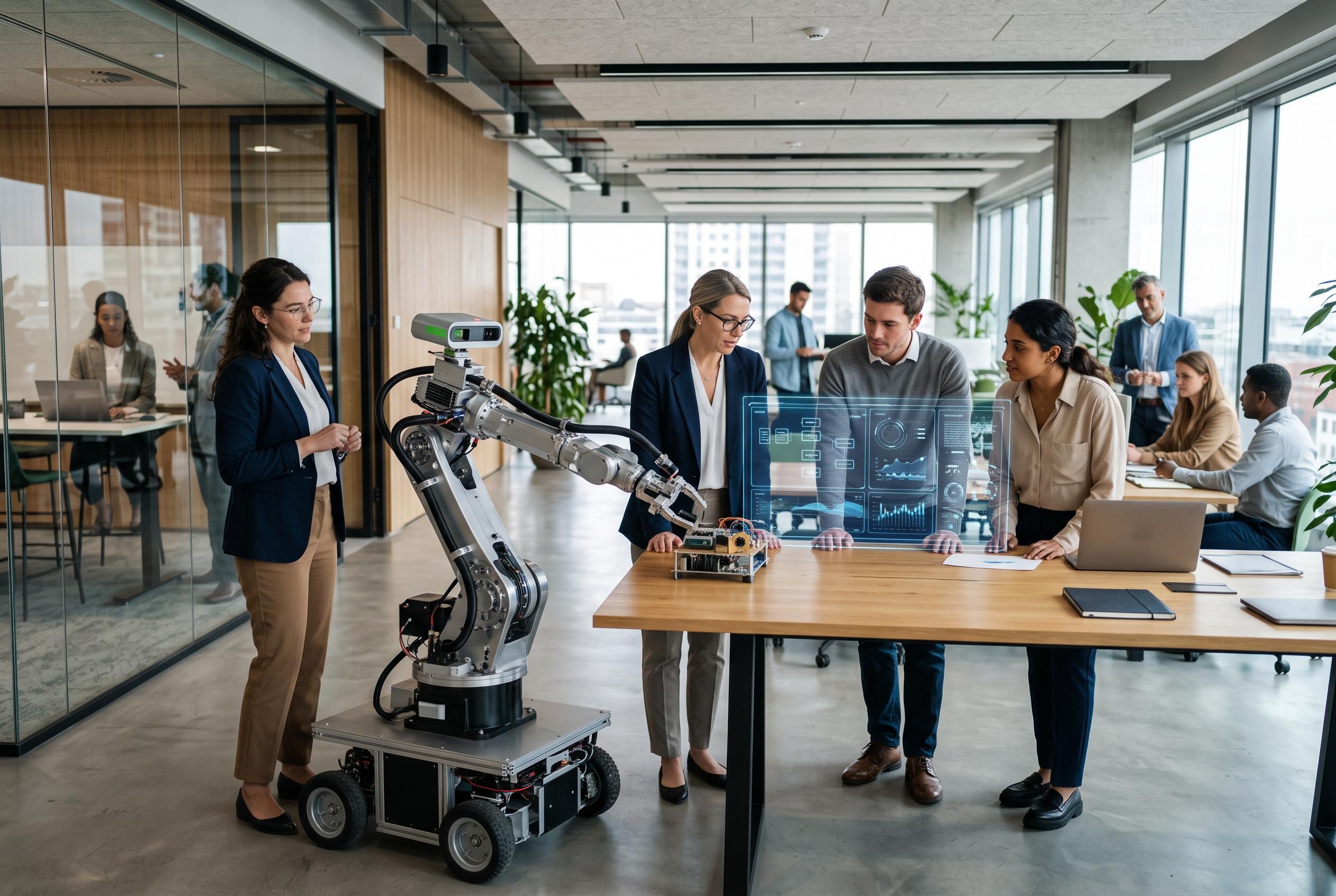
Supply chain leaders are facing a faster, less forgiving operating environment, where demand shifts and supplier delays can outpace traditional planning cycles. Free-Range AI, including ketteQ’s Quintus platform, aims to help teams sense changes, test options, and act quickly while keeping existing systems and human oversight in place.
Supply chains no longer have time to wait
The old planning rhythm was built around breathing room. Teams could review forecasts, run a planning cycle, discuss exceptions, and make changes before the next disruption arrived. Now, a late shipment, sudden demand spike, or newly constrained component can turn that tidy process into a race against the clock.
That pressure is reshaping the conversation around supply chain planning software. According to ketteQ, Quintus is designed to help organisations respond continuously, using an AI layer that can reason across changing supply and demand conditions. The promise is less about producing one perfect plan and more about finding a workable answer while the situation is still moving.
What makes Free-Range AI different?
Traditional systems are often excellent at structured planning, but they can struggle when conditions move beyond the assumptions built into a planning cycle. Free-Range AI is positioned as a more flexible decision-making approach, allowing the technology to explore multiple options rather than simply follow a fixed sequence.
KetteQ describes Quintus as an intelligence layer powered by PolymatiQ. The system is intended to evaluate the solution space and return optimised recommendations in seconds, according to the company. That could give planners a useful head start when every hour affects inventory, service levels, or production schedules.
It isn't a magic wand, of course. AI still depends on reliable data, sensible objectives, and clear business rules. But the idea of a system that can keep working between formal planning cycles is compelling, particularly for organisations managing complex networks.
Existing platforms don't have to be thrown away
One of the more practical aspects of the approach is that Quintus is designed to augment established platforms, including SAP IBP, Kinaxis, o9, and Blue Yonder. KetteQ says businesses can preserve their current investments while adding a new decisioning layer above them.
That matters because replacing a core planning system is rarely a quick or comfortable project. It can involve years of data history, custom processes, training, integrations, and organisational habits. A layer that works with existing infrastructure may offer a less disruptive route to experimentation.
The company also says deployment can begin in as little as four to eight weeks. Actual timing will depend on data readiness, integration work, and the scope of the first use case, but a focused rollout could make it easier for leaders to prove value before expanding.
Where faster decision-making could help most
Supply planning is an obvious starting point. When materials are late or capacity is limited, planners need to weigh competing priorities quickly. Should stock be redirected, should production be rescheduled, or should a customer commitment change? A system that can compare those paths rapidly may help teams respond with more confidence.
KetteQ’s supply planning materials frame AI as a way to support decisions across constraints, inventory, and demand changes. For companies with broad product ranges or several production sites, that kind of scenario analysis could reduce the manual effort involved in testing alternatives.
The best use cases are likely to be the messy ones, where a spreadsheet can show what happened but can't easily explain what to do next. That is where a responsive planning layer may earn its keep, especially for teams tired of chasing exceptions across disconnected tools.
Speed needs a human safety net
Faster recommendations are useful only if people can understand, challenge, and govern them. KetteQ presents Quintus as a fully governed approach, with human oversight remaining part of the operating model rather than an afterthought.
That balance is important. Supply chain decisions can affect customer service, working capital, production continuity, and supplier relationships, so handing everything to an opaque system would create its own risks. Leaders will want visibility into assumptions, constraints, and trade-offs before approving significant actions.
The broader outlook is therefore less about humans versus AI and more about humans with better decision support. As one supply chain leader might put it, the real win isn't removing judgement from the process; it's giving that judgement better options before the window closes.
Free-Range AI could give supply chain teams a quicker, more adaptable way to navigate disruption without abandoning the systems they already use.
Disclaimer: This article may have been created with AI assistance and reviewed by our editorial team. It is provided for general informational purposes only. Readers should verify information independently before relying on this content.
