
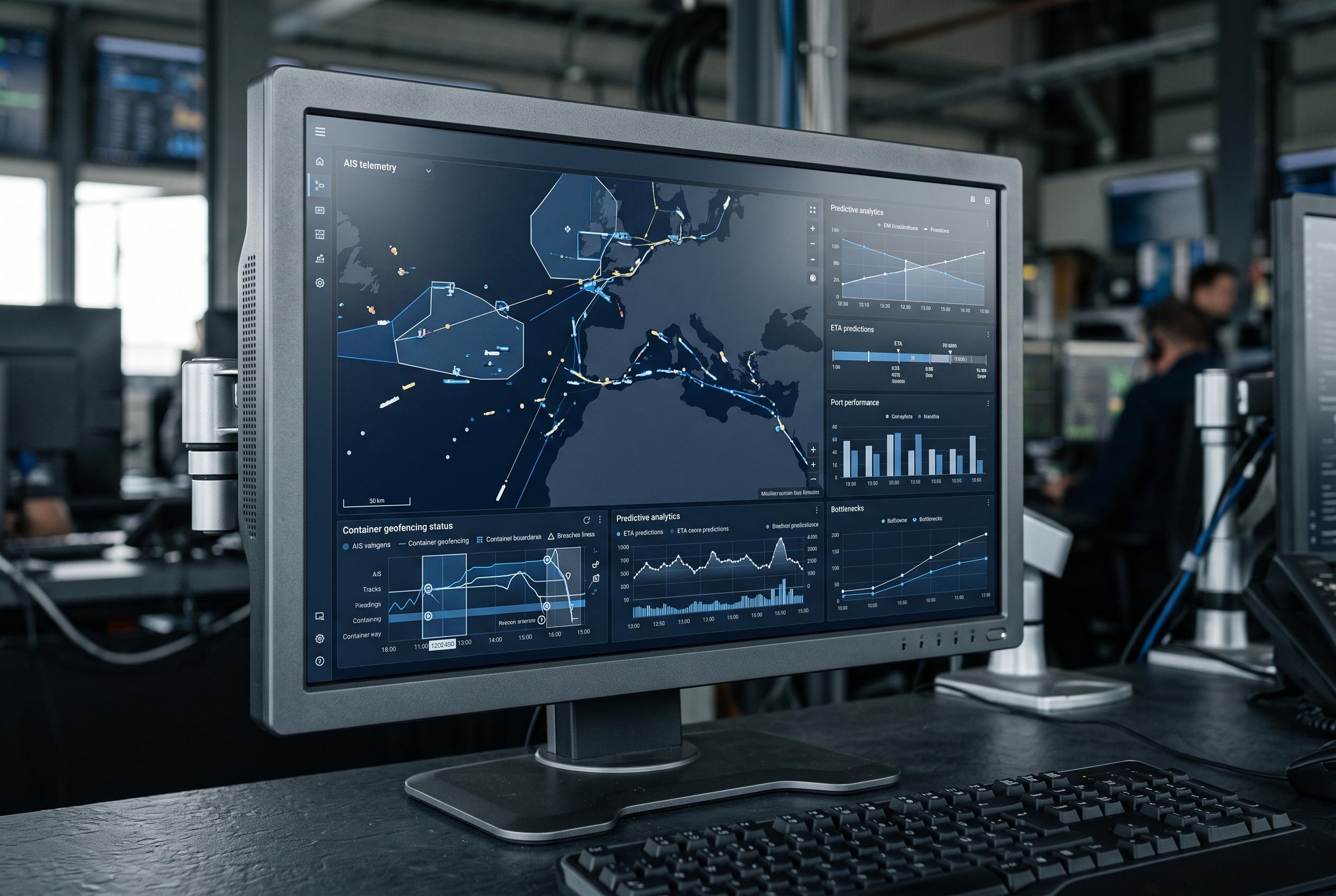
Shippers are turning to real-time sea freight tracking to make long, complex journeys easier to manage. By combining vessel locations, container data, sensor updates and changing arrival estimates, these systems give logistics teams a clearer view of goods moving between ports, warehouses and customers, helping them react faster when plans wobble.
Why sea freight visibility matters more than ever
A container can spend weeks travelling across the ocean, passing through several ports and changing hands along the way. Without dependable updates, a shipment may feel like it's disappeared into a very large blue waiting room.
Real-time sea freight tracking gives businesses a more current view of progress, according to the Supply Chain Management Globe guide. That visibility can support better decisions around inventory, delivery promises and onward transport, although it doesn't turn an uncertain voyage into a guaranteed timetable.
The value is especially clear when a delay threatens to spread. A late vessel can affect customs appointments, truck bookings, warehouse staffing and customer delivery windows, so even a little extra warning can make the difference between a tidy adjustment and an expensive scramble.
How real-time tracking works across ocean shipments
Modern tracking systems typically combine several streams of information rather than relying on one magical dot moving across a map. Vessel AIS signals can show a ship's position, while GPS devices may provide container-level information when they're fitted and supported by the carrier or logistics provider.
Other connected sensors can monitor cargo conditions such as temperature, humidity or movement. That's particularly useful for goods that are sensitive, valuable or easily damaged, where knowing that a shipment is travelling isn't enough; teams also need confidence that it's travelling well.
Platforms then bring these updates together with route data, port milestones and estimated arrival times. Trinetix describes real-time transportation visibility as a way to connect fragmented movement data, giving teams a more unified operational picture.
Better ETAs can improve the whole delivery chain
An updated arrival estimate isn't merely a nice dashboard feature. It can help a warehouse schedule labour, prepare storage space and arrange the next truck, while import teams can plan customs work around a more realistic arrival window.
SeaVantage's ocean freight tracking guidance highlights the importance of monitoring voyage progress and schedule changes when managing international cargo. The practical benefit is simple: teams can make plans using current information rather than clinging to an old sailing schedule that no longer reflects reality.
This also helps customer communication. A proactive message explaining that a vessel is delayed usually lands better than silence followed by a missed delivery. It won't make the ship move faster, but it can make the experience feel far more controlled.
Tracking can help contain costs and disruption
Visibility can reduce the number of manual status requests and repeated calls between carriers, brokers, warehouses and customers. It may also give logistics teams more time to adjust transport arrangements before charges begin to accumulate.
SeaRates notes that tracking can influence freight budgeting by helping businesses respond to changing schedules and potential extra costs. Demurrage and detention, storage, missed connections and last-minute transport changes can all become more painful when a delay comes as a surprise.
There is a useful distinction here. Tracking doesn't automatically cut the freight rate, and it can't prevent every port bottleneck. Instead, it gives businesses a better chance to avoid avoidable costs, which is often where the savings become real.
Choose the right level of tracking for the cargo
Not every shipment needs a sensor-filled monitoring programme. Standard location updates may be enough for durable goods moving on a predictable route, while pharmaceuticals, fresh food, electronics or high-value cargo may justify temperature, humidity or movement monitoring.
Before choosing a platform, check what it actually tracks. Vessel-level AIS can show the ship's position, but it may not confirm the precise location of an individual container. Data can also become less complete during transshipment, when cargo moves between vessels or systems.
FreightPulse's visibility overview points to the importance of connecting data across carriers and transport modes. For multimodal shipments, ask whether the service follows the handoff from ocean vessel to terminal, rail, truck and final delivery, rather than stopping at the port.
Use live data as guidance, not gospel
The best tracking system is still dependent on the information it receives. Carrier updates may arrive late, terminals may share data differently and some routes offer better coverage than others. A clean map can look reassuring, but it isn't a substitute for operational judgment.
Teams should combine live tracking with carrier communications, port information and sensible contingency planning. Build in buffer time for important deliveries, confirm who owns each alert and decide in advance what action to take when an ETA changes.
That balanced approach is likely to matter even more as supply chains become increasingly connected. Real-time visibility won't remove the drama from ocean freight, but it can replace some anxious guessing with useful evidence.
It's a small digital upgrade that can make long-distance shipping feel far more manageable.
Disclaimer: This article may have been created with AI assistance and reviewed by our editorial team. It is provided for general informational purposes only. Readers should verify information independently before relying on this content.
