
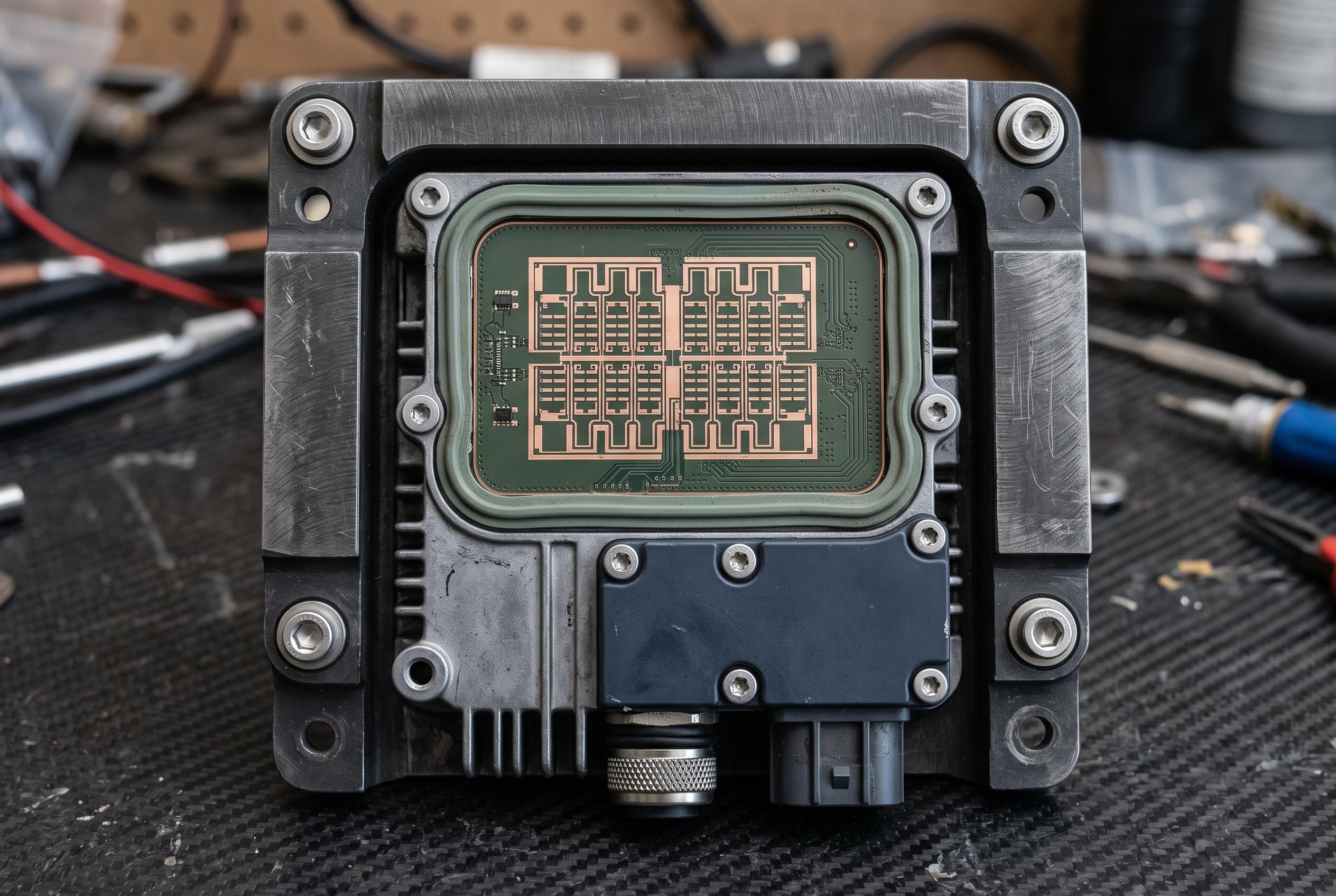
XPeng is looking beyond selling electric cars, aiming to license its autonomous driving technology, smart-cabin systems, and in-house chips to other automakers. The move could create a new revenue stream, although regulatory concerns, data security questions, and political tensions may keep its earliest deals closer to home and emerging markets.
XPeng wants to sell more than electric cars
XPeng's most interesting product may no longer be a vehicle. The Chinese EV maker is preparing to package its autonomous-driving software, electronic architecture, smart-cabin features, and Turing processors for use by other car companies, according to Yahoo Finance.
That would give XPeng a second identity: not just an electric-car brand, but a technology supplier. It's a familiar route in the auto industry, where the most valuable systems increasingly sit beneath the sheet metal and inside the software rather than in the engine bay.
The proposal reportedly extends beyond driver assistance. XPeng is also positioning technology for robotaxis and humanoid robots, suggesting it sees its software and computing expertise as a platform that can travel across several industries.
Volkswagen is the proof point
XPeng already has a useful case study in Volkswagen. The German group invested roughly 700 million euros in the company in 2023, and the two businesses began integrating XPeng technology into electric models for the Chinese market, according to reporting cited by Gumtree.
That relationship matters because licensing pitches are easier to believe when another automaker is already using the technology in production vehicles. A working partnership carries more weight than a polished demonstration or a promise of what software might do someday.
It also helps XPeng avoid looking like a newcomer to the supplier business. The company can point to a major global automaker and say, in effect, that its systems have already cleared a serious commercial test.
XPeng and Tesla take different roads to autonomy
The comparison with Tesla is unavoidable. Both companies see autonomous driving as a potential business in its own right, rather than merely a feature that helps sell cars. But their hardware strategies differ in a meaningful way.
XPeng uses cameras together with radar and ultrasonic sensors, retaining those extra systems as a backup layer for emergency braking and steering. Tesla has pursued a camera-focused approach, making the debate less about flashy demonstrations and more about which sensor mix offers the best balance of cost, capability, and redundancy.
For drivers, that distinction is practical. A system that can detect road users in difficult weather or quickly identify an obstacle may feel less glamorous than a dramatic hands-free demo, but it could matter more during an ordinary commute. Autonomous driving still has to cope with rain, glare, roadworks, and the occasional badly parked delivery van.
Why Western licensing deals could take time
XPeng's technology may be commercially attractive, but its Chinese origins create an additional layer of scrutiny. Regulators and automakers in Europe and the United States are increasingly focused on where vehicle data travels, who can access it, and whether foreign-built AI processors create security risks.
Potential tariffs and restrictions on Chinese software and chips could make a direct Western rollout harder, too. Industry coverage from Star News Korea points to the broader concern around Chinese automotive technology entering overseas markets, even as carmakers look for faster and cheaper ways to develop advanced features.
That could push XPeng toward Chinese manufacturers first, followed by automakers operating in emerging markets. It's not the most headline-grabbing route, but it may be the most realistic: build a licensing network where regulatory barriers are lower, then use those deployments to strengthen the case elsewhere.
European automakers have a lot of catching up to do
The licensing plan also throws a spotlight on a wider industry problem. Traditional European manufacturers have deep engineering expertise, strong brands, and decades of experience building cars, yet some have struggled to match the pace of Chinese and American companies in software-led driving technology.
At a recent Paris auto show, practical autonomous-driving demonstrations reportedly came mainly from Tesla and XPeng, according to related industry coverage. A live system navigating real conditions makes a sharper impression than another concept car parked beneath bright lights.
That doesn't mean established automakers are out of the race. But they may need to decide whether to build every part of the technology themselves, partner more aggressively, or license systems from companies that have moved faster. For consumers, that competition could eventually bring smarter cars without requiring every brand to reinvent the entire software stack.
XPeng's plan is ambitious, but its success will depend on trust as much as technical performance. If automakers can accept the data, regulatory, and branding challenges, licensing could turn the company into one of the industry's most important behind-the-scenes players.
Explore how software partnerships may shape the next generation of electric cars.
Disclaimer: This article may have been created with AI assistance and reviewed by our editorial team. It is provided for general informational purposes only. Readers should verify information independently before relying on this content.
