




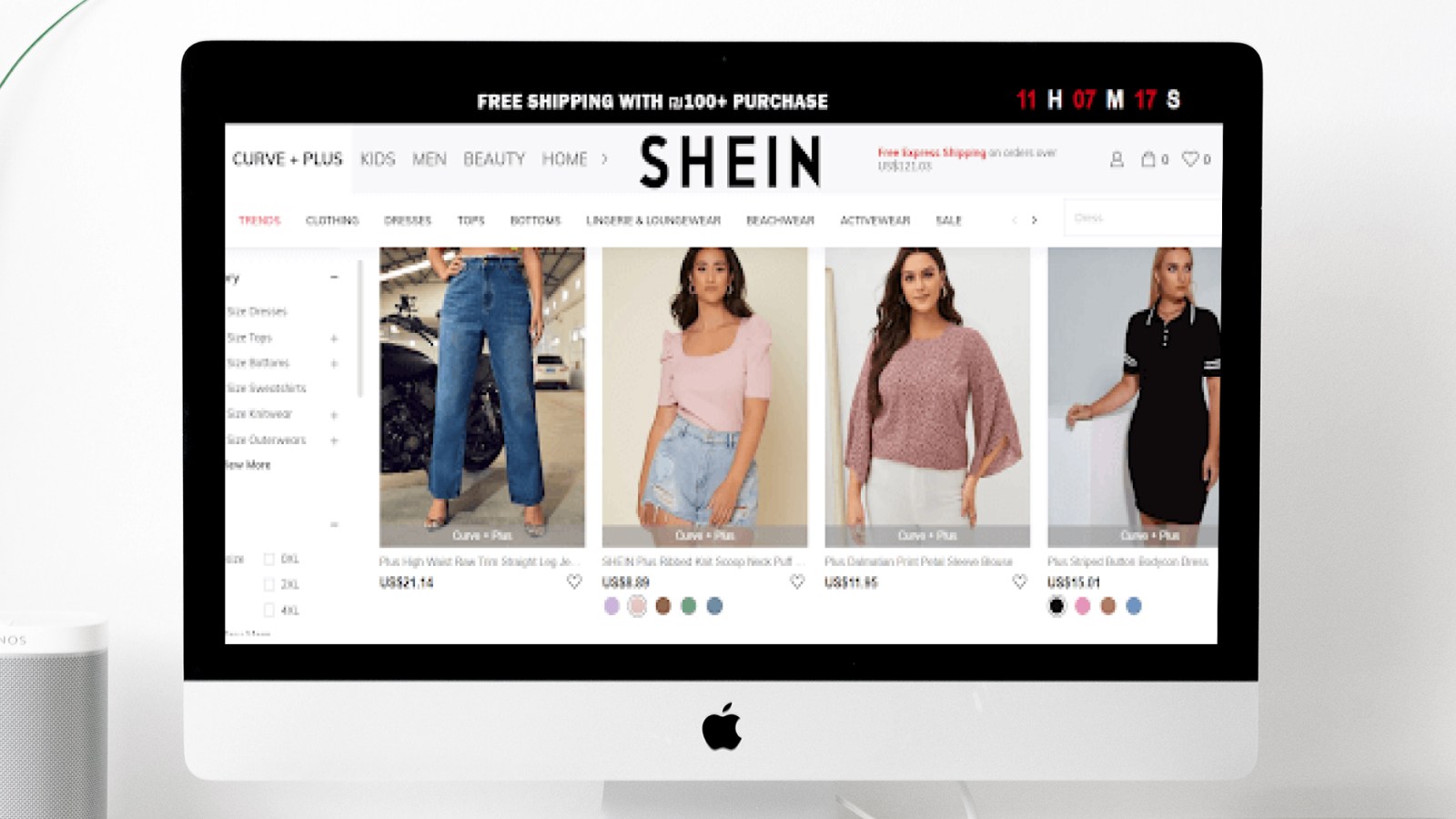
In the fast-paced world of fashion, online shopping has become a staple for style enthusiasts seeking convenience, variety, and affordability. Shein, a major player in this arena, has gained immense popularity for its trendy and budget-friendly offerings. However, as the demand for diverse shopping experiences grows, many fashion-forward individuals are exploring other platforms that offer similar benefits. This article explores 15 of the best websites like Shein, providing top alternatives for those looking to expand their fashion horizons.
Why Look for Alternatives to Shein?
While Shein is a go-to for many, there are several reasons to explore alternatives:
- Unique Styles: Discover niche trends and unique pieces that reflect personal style.
- Sustainability: Find brands that prioritize eco-friendly practices and ethical production.
- Quality and Fit: Access higher-quality materials and better craftsmanship.
- Support Local Businesses: Explore options that support independent designers and local brands.
- Variety and Innovation: Enjoy a competitive marketplace that drives innovation and variety.
Top 15 Websites Like Shein
1. ASOS
ASOS is a British online fashion and cosmetic retailer known for its extensive range of styles and brands. Catering to both men and women, ASOS offers everything from casual wear to formal attire. The platform is celebrated for its inclusive sizing and trendy pieces, making it a favorite among fashion enthusiasts worldwide. The company has faced criticism for its rapid production cycles and the environmental impact of its operations. Their sustainability claims should be viewed in context of their overall business model, which still largely follows fast fashion principles.
- Target Customers: Young adults and millennials seeking trendy, diverse styles and inclusive sizing.
- Demographics: Primarily targets young adults and millennials, typically aged 18-35.
- Psychographics: These customers are fashion-forward, tech-savvy, and value diversity in style and inclusive sizing. They are often trendsetters in their peer groups and are likely to shop for both everyday wear and special occasions.
- Price Range: Moderate
- Style Variety: High, with a focus on current trends
- Sustainability: ASOS has a dedicated sustainable fashion line, although it represents only a small fraction of their overall offerings.
- Shipping: Offers international shipping with a reliable return policy
2. Temu
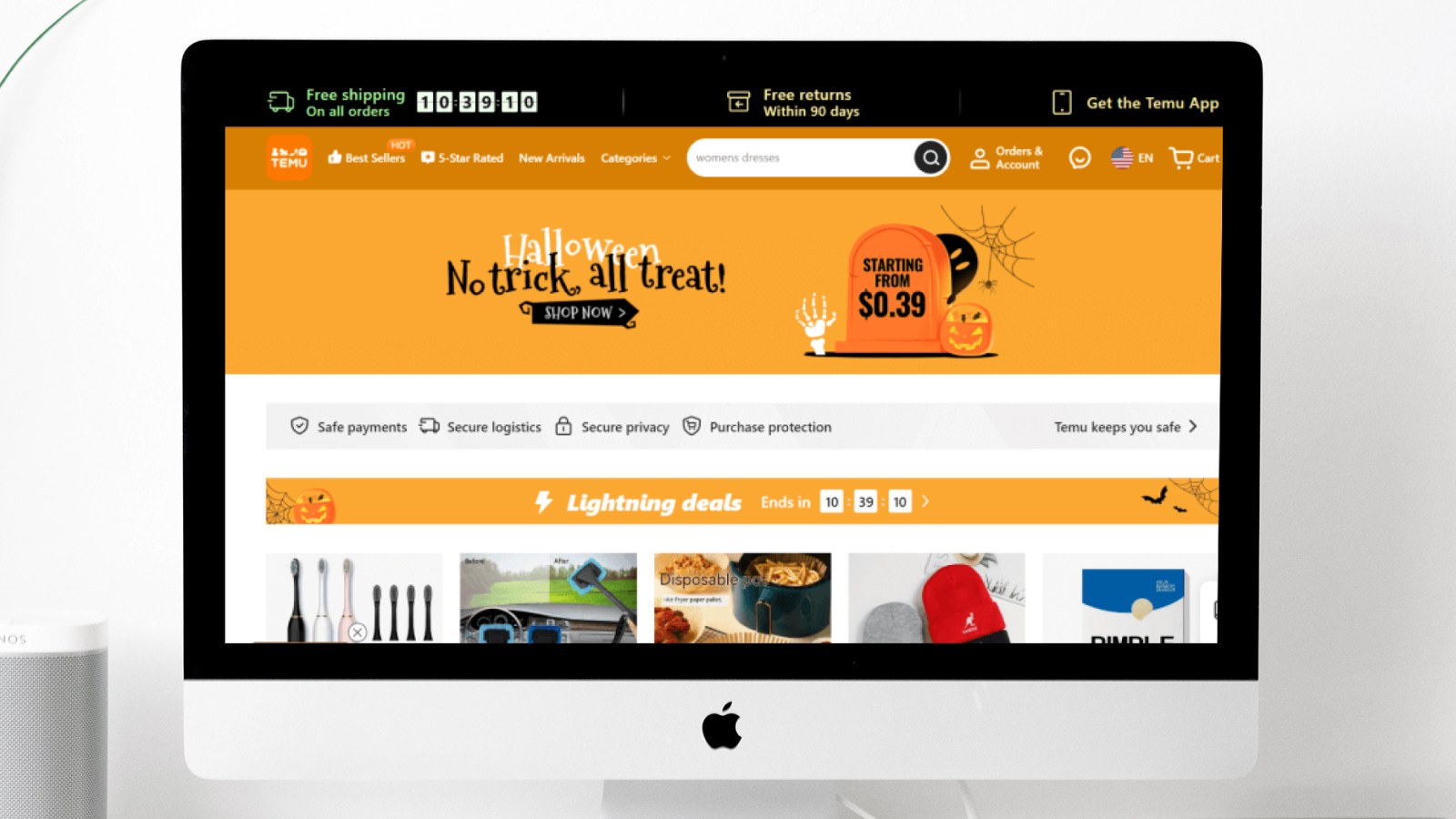
Temu is an emerging online marketplace that offers a wide range of products including fashion, electronics, and home goods. Known for its competitive pricing and frequent promotions, Temu has faced serious scrutiny regarding its supply chain ethics and product quality. As a relatively new platform owned by PDD Holdings (which also owns Pinduoduo), Temu has been the subject of investigations regarding labor practices. Consumers have reported significant inconsistencies in quality, with products often differing substantially from their online representations. Shipping times can be extremely lengthy (often 2-4 weeks), and the return process can be cumbersome. The ultra-low prices often reflect corresponding compromises in materials, durability, and ethical manufacturing.
- Target Customers: Bargain hunters and budget-conscious shoppers looking for a variety of affordable products.
- Demographics: Appeals to a wide age range, including young adults and middle-aged shoppers.
- Psychographics: Customers are often budget-conscious, seeking value for money across various product categories, not just fashion. They enjoy discovering new deals and appreciate frequent promotions.
- Price Range: Budget-friendly
- Style Variety: Wide variety, with frequent updates
- Sustainability: Limited information on sustainability
- Shipping: Offers international shipping with frequent discounts
3. AliExpress
AliExpress is a global retail marketplace that offers a vast array of products directly from manufacturers. Known for its low prices and extensive product range, AliExpress is a popular choice for those seeking affordable fashion and more. AliExpress operates as a marketplace connecting consumers directly with manufacturers, primarily from China. This model has raised significant concerns regarding product authenticity, quality control, and ethical manufacturing. The platform has been criticized for hosting counterfeit goods that infringe on intellectual property rights. Labor conditions in factories supplying AliExpress sellers are largely unregulated and often problematic. Additionally, consumers should be prepared for extremely variable quality, potential sizing inconsistencies, and lengthy shipping times (typically 2-6 weeks). Return processes can be complicated by international shipping requirements and language barriers.
- Target Customers: Cost-conscious consumers looking for a broad range of affordable fashion and accessories.
- Demographics: Attracts a global audience, including young adults and middle-aged consumers.
- Psychographics: These shoppers are cost-conscious, value variety, and are comfortable shopping on large marketplaces. They are often looking for the best deals and are willing to wait for international shipping.
- Price Range: Budget-friendly
- Style Variety: Extensive, with a focus on affordability
- Sustainability: Limited information on sustainability
- Shipping: Worldwide shipping with various delivery options
4. Zara
Zara is a global fashion retailer that offers chic and sophisticated clothing. Known for its high-quality materials and stylish designs, Zara is a great alternative for those seeking more upscale fashion options. As a pioneer of the fast fashion model, Zara produces approximately 450 million garments annually and introduces new styles weekly, encouraging constant consumption. The company has faced criticism for labor conditions in its supply chain, despite improved transparency efforts. A 2023 report by the Clean Clothes Campaign identified significant wage gaps for workers in Zara's manufacturing facilities. Consumers should approach Zara's sustainability claims with awareness of these contradictions between stated goals and fundamental business practices.
- Target Customers: Fashion-conscious professionals and style-savvy individuals seeking elegant, contemporary pieces.
- Demographics: Targets young professionals and style-savvy individuals aged 20-45.
- Psychographics: Customers are fashion-conscious, often looking for sophisticated, elegant styles. They value quality and are willing to invest in contemporary pieces that reflect current trends.
- Price Range: Moderate to high
- Style Variety: Elegant and contemporary
- Sustainability: Committed to sustainable practices and eco-friendly collections
- Shipping: Available in multiple countries with easy returns
5. Wish
Wish is an e-commerce platform that connects shoppers with sellers offering a wide range of products at low prices. Known for its deals and discounts, Wish is popular among those seeking budget-friendly fashion and accessories. Wish has developed a reputation for extremely inconsistent quality and significant discrepancies between advertised products and what customers actually receive. The platform has faced multiple legal challenges regarding counterfeit products, misleading advertising, and items that fail to meet safety standards. In 2022, France temporarily banned Wish for selling products that violated European safety regulations. The European Consumer Centre Network has issued warnings about Wish's business practices. Consumers should be aware that the extraordinarily low prices often reflect substandard materials, poor craftsmanship, and potentially exploitative labor practices. Return processes can be difficult, and customer service response is frequently criticized.
- Target Customers: Shoppers looking for deals and discounts on a variety of fashion items and accessories.
- Demographics: Appeals to a broad audience, including young adults and budget-savvy consumers.
- Psychographics: Shoppers are deal-oriented, enjoy bargain hunting, and are comfortable with a wide range of product categories. They appreciate low prices and frequent discounts.
- Price Range: Budget-friendly
- Style Variety: Extensive, with a focus on affordability
- Sustainability: Limited information on sustainability
- Shipping: International shipping available with various delivery options
6. Romwe
Romwe is an online fashion retailer that offers trendy clothing at low prices. Similar to Shein, Romwe provides a wide range of styles, making it a popular choice for fashion-savvy individuals. As Shein's sister company under the same parent corporation (Nanjing Lingtian Information Technology Co., Ltd.), Romwe operates with a similar business model and faces many of the same ethical concerns. The company has been implicated in reports about poor labor conditions, including excessive working hours and unsafe environments. Environmental concerns are significant—both brands contribute to the fast fashion industry's massive carbon footprint and textile waste. In 2021, research by CBC Marketplace found concerning levels of chemicals in some Shein/Romwe products, raising questions about product safety standards. Consumers should be aware that Romwe's rapid production of trends comes with significant social and environmental costs.
- Target Customers: Bargain hunters and fashion enthusiasts seeking trendy, affordable clothing.
- Demographics: Primarily targets teens and young adults aged 16-30.
- Psychographics: Customers are fashion enthusiasts who prioritize trendy and affordable clothing. They are often active on social media and influenced by current fashion trends.
- Price Range: Budget-friendly
- Style Variety: Extensive, with a focus on current trends
- Sustainability: Limited information on sustainability
- Shipping: Worldwide shipping with frequent discounts
7. Missguided
Missguided is a UK-based fashion retailer that targets young women with its bold and trendy styles. Known for its edgy designs, Missguided offers everything from casual wear to party dresses. Missguided has faced significant financial and ethical challenges in recent years. In 2022, the company went into administration (bankruptcy) before being acquired by Frasers Group. Prior to this, Missguided was fined £80,000 by the UK tax authority for underpaying workers. A 2017 Channel 4 documentary revealed concerning labor practices in some of their supplier factories, with workers reportedly earning as little as £3.50 per hour. Their claims of sustainability commitment contrast with their ultra-fast fashion business model, which has been criticized for encouraging disposable clothing culture.
- Target Customers: Bold, fashion-forward young women looking for edgy, trendsetting styles.
- Demographics: Focuses on young women, typically aged 16-35.
- Psychographics: These customers are bold, fashion-forward, and enjoy making a statement with their clothing. They are trendsetters who look for edgy, daring styles.
- Price Range: Moderate
- Style Variety: Bold and trendy
- Sustainability: Commitment to reducing environmental impact
- Shipping: International shipping available with flexible returns
8. Nasty Gal
Nasty Gal is an American retailer that offers daring and unique fashion pieces. Originally a vintage shop, Nasty Gal has evolved into a brand known for its bold and edgy styles. Nasty Gal, once an independent company known for vintage-inspired pieces, is now owned by Boohoo Group, a fast fashion conglomerate that has faced serious ethical controversies. In 2020, Boohoo was implicated in a scandal involving UK factories paying workers as little as £3.50 an hour in poor conditions during the COVID-19 pandemic. While Nasty Gal has introduced a "Vintage Loves" collection that repurposes existing garments (a more sustainable approach), this represents only a small portion of their offerings. The primary business remains fast fashion with its inherent environmental and social concerns. Product quality is frequently criticized in customer reviews as inconsistent, with significant discrepancies in sizing and durability.
- Target Customers: Independent, adventurous women seeking unique, bold fashion statements.
- Demographics: Targets independent, adventurous women aged 18-35.
- Psychographics: Customers value individuality and bold fashion choices. They often seek unique pieces that reflect their personal style and are comfortable standing out from the crowd.
- Price Range: Moderate
- Style Variety: Edgy and unique
- Sustainability: Some sustainable practices in place
- Shipping: Ships internationally with various delivery options
9. PrettyLittleThing
PrettyLittleThing is a UK-based fashion retailer that offers trendy clothing for women. With a focus on affordability and style, PrettyLittleThing is a favorite among young fashionistas. PrettyLittleThing, also owned by Boohoo Group, shares many of the same ethical concerns as Nasty Gal. The brand has been criticized for promoting extreme disposability, with frequent sales offering items for as little as £0.08 (during their 2020 Black Friday sale). Such pricing raises serious questions about fair labor compensation and environmental impact. Their sustainability initiatives, such as their "PLT Marketplace" for secondhand reselling, have been criticized as greenwashing while their core business continues to produce high volumes of low-quality garments. In 2022, the UK's Competition and Markets Authority investigated PrettyLittleThing among other fast fashion retailers for potentially misleading environmental claims.
- Target Customers: Young, style-conscious women looking for affordable, trendy fashion.
- Demographics: Appeals to young, style-conscious women aged 16-30.
- Psychographics: These customers are trend-driven, seeking affordable and youthful fashion. They are often influenced by social media and celebrity styles.
- Price Range: Affordable
- Style Variety: Trendy and youthful
- Sustainability: Initiatives to improve sustainability
- Shipping: Offers worldwide shipping with frequent discounts
10. Zaful
Zaful is an online fashion retailer that offers trendy and affordable clothing. Known for its vibrant styles and budget-friendly prices, Zaful is a great alternative for those seeking fashion-forward pieces. Zaful has faced criticism for lack of transparency regarding manufacturing practices and supply chain ethics. The company provides minimal information about factory conditions, worker wages, or environmental practices. Customer reviews frequently mention inconsistent sizing, quality issues, and garments that differ significantly from their online representation. Several investigations have found Zaful products containing potentially harmful substances that would not meet regulatory standards in markets like the EU. Shipping times can be lengthy (2-3 weeks on average), and the return process is often described as complicated and time-consuming.
- Target Customers: Young adults and college students seeking vibrant, budget-friendly fashion.
- Demographics: Targets young adults and college students aged 18-25.
- Psychographics: Customers are vibrant, fashion-forward, and budget-conscious. They are looking for trendy and colorful pieces that fit their youthful and dynamic lifestyle.
- Price Range: Budget-friendly
- Style Variety: Extensive, with a focus on vibrant styles
- Sustainability: Limited information on sustainability
- Shipping: Worldwide shipping with frequent promotions
11. Lulus
Lulus is an American online retailer that offers chic and affordable clothing for women. Known for its elegant styles and quality materials, Lulus is a great choice for those seeking sophisticated fashion. While Lulus operates at a higher price point than Shein and offers generally better quality, the company still primarily follows a fast fashion model. Their sustainability efforts are limited, with only a small portion of products using eco-friendly materials. The company provides minimal transparency regarding manufacturing locations, labor practices, or environmental impact metrics. Some customers have reported inconsistent sizing and quality control issues, though to a lesser extent than ultra-budget alternatives. Lulus also faces criticism for limited size inclusivity, with most items only available up to US size 14/XL.
- Target Customers: Women seeking elegant, sophisticated styles for special occasions.
- Demographics: Appeals to women aged 18-35, often looking for special occasion outfits.
- Psychographics: Customers value elegance and sophistication. They often shop for events like weddings, parties, or formal gatherings, seeking quality and chic designs.
- Price Range: Moderate
- Style Variety: Chic and sophisticated
- Sustainability: Some sustainable practices in place
- Shipping: Ships internationally with easy returns
12. ModCloth
ModCloth is an American online retailer known for its vintage-inspired clothing and unique designs. Catering to women of all sizes, ModCloth offers a wide range of styles that are both quirky and stylish. ModCloth represents a slightly different approach from most companies on this list. Originally an independent retailer focused on vintage-inspired designs, ModCloth was acquired by Walmart in 2017 and then sold to Go Global Retail in 2019. The company offers more size inclusivity than many competitors (up to 4X) and has historically emphasized ethical production. However, after the acquisitions, some customers have noted changes in quality and a shift toward more mainstream styles. While ModCloth makes more substantial sustainability claims than many fast fashion brands, they still lack comprehensive transparency regarding their supply chain. The higher price point generally reflects better quality garments with longer wearability, representing a step toward more sustainable consumption patterns.
- Target Customers: Vintage lovers and those seeking unique, retro-inspired fashion.
- Demographics: Targets women of all sizes, aged 18-45, with a love for vintage styles.
- Psychographics: Customers appreciate unique, retro-inspired fashion and often have a quirky, individualistic style. They value ethical production and sustainability.
- Price Range: Moderate to high
- Style Variety: Vintage-inspired and unique
- Sustainability: Focus on ethical production and sustainability
- Shipping: Available in multiple countries with easy returns
13. Anthropologie
Anthropologie is a lifestyle brand that offers a curated collection of clothing, accessories, and home decor. Known for its bohemian and eclectic styles, Anthropologie is a great alternative for those seeking unique and artistic fashion. ModCloth represents a slightly different approach from most companies on this list. Originally an independent retailer focused on vintage-inspired designs, ModCloth was acquired by Walmart in 2017 and then sold to Go Global Retail in 2019. The company offers more size inclusivity than many competitors (up to 4X) and has historically emphasized ethical production. However, after the acquisitions, some customers have noted changes in quality and a shift toward more mainstream styles. While ModCloth makes more substantial sustainability claims than many fast fashion brands, they still lack comprehensive transparency regarding their supply chain. The higher price point generally reflects better quality garments with longer wearability, representing a step toward more sustainable consumption patterns.
- Target Customers: Artistic, free-spirited individuals seeking bohemian and eclectic fashion.
- Demographics: Appeals to artistic, free-spirited individuals aged 25-45.
- Psychographics: Customers seek bohemian and eclectic fashion, valuing unique, artistic designs. They are often creative individuals with a strong sense of personal style.
- Price Range: High
- Style Variety: Bohemian and eclectic
- Sustainability: Commitment to sustainable practices
- Shipping: Ships internationally with flexible return policies
14. Urban Outfitters
Urban Outfitters is a lifestyle retailer that offers a mix of trendy clothing, accessories, and home decor. Known for its hip and urban styles, Urban Outfitters is a popular choice for young adults. Urban Outfitters has faced significant criticism regarding labor practices, sustainability, and ethical issues. Labor rights organizations have identified concerns about working conditions in portions of their supply chain, and the company provides limited transparency regarding factory audits or labor standards enforcement. The brand has been involved in multiple controversies including copyright infringement claims from independent designers and accusations of cultural insensitivity in product designs. While Urban Outfitters has introduced recycled and sustainable materials in some product lines, environmental groups have criticized the company's overall environmental impact and limited progress toward comprehensive sustainability goals. Their "Urban Renewal" vintage line represents a more sustainable approach but makes up a small percentage of overall sales.
- Target Customers: Trendy, urban young adults looking for hip and unique fashion and lifestyle products.
- Demographics: Targets trendy, urban young adults aged 18-35.
- Psychographics: Customers are style-conscious, looking for hip and unique fashion and lifestyle products. They appreciate a mix of fashion, music, and home decor.
- Price Range: Moderate to high
- Style Variety: Trendy and urban
- Sustainability: Some sustainable initiatives in place
- Shipping: Available in multiple countries with easy returns
15. Free People
Free People is a lifestyle brand that offers bohemian-inspired clothing for women. Known for its free-spirited and artistic designs, Free People is a great choice for those seeking unique and bohemian fashion. Free People, like Anthropologie, is owned by Urban Outfitters Inc. and shares many of the same supply chain characteristics and concerns. Despite higher price points than fast fashion retailers, the brand provides limited transparency regarding factory conditions and environmental impact. Their "Care FP" initiative includes some sustainability efforts, but environmental groups note these represent a small portion of their overall production. The brand has faced criticism for cultural appropriation in certain designs and styling choices. Product quality is generally higher than fast fashion alternatives, potentially resulting in longer garment lifespans, though the brand continues to follow seasonal trends driving regular purchases.
- Target Customers: Free-spirited, bohemian women seeking artistic and unique fashion pieces.
- Demographics: Focuses on free-spirited, bohemian women aged 20-40.
- Psychographics: Customers value creativity and individuality in their fashion choices. They often embrace a bohemian lifestyle and seek artistic, unique pieces.
- Price Range: High
- Style Variety: Bohemian and artistic
- Sustainability: Commitment to sustainable practices
- Shipping: Ships internationally with flexible return options
How to Choose the Right Alternative
When considering an alternative to Shein, it's important to evaluate what matters most to you in a shopping experience. Here are some factors to consider:
- Budget: Determine your price range and find platforms that fit within it.
- Style Preferences: Consider what types of styles or trends you are most interested in.
- Sustainability: If eco-friendliness is important, look for brands with strong sustainability commitments.
- Shipping and Returns: Check the shipping policies and return options to ensure they meet your needs.
- Labor Ethics: Research brands' labor practices, including whether they conduct independent factory audits and pay living wages.
- True Cost Calculation: Consider cost-per-wear rather than just the initial price tag. A $40 item worn 30 times is cheaper per wear than a $15 item that falls apart after 3 uses.
- Greenwashing Awareness: Look beyond marketing claims by seeking specific, measurable sustainability commitments and third-party certifications.
- Supply Chain Transparency: Prioritize brands that disclose factory locations and conditions, indicating a commitment to accountability.
- Material Composition: Synthetic materials like polyester (derived from petroleum) have different environmental impacts than natural fibers, and both have trade-offs worth understanding.
Tips for Shopping Online Fashion
- Read Reviews: Customer reviews can provide valuable insights into product quality and fit.
- Check Sizing Charts: Sizes can vary between brands, so always refer to the sizing charts provided.
- Look for Discounts: Many online retailers offer promotions and discounts, so keep an eye out for deals.
- Be Mindful of Shipping Times: Some international retailers may have longer shipping times, so plan accordingly.
- Check Material Composition: Look beyond marketing descriptions to review actual fabric content, as many fast fashion items contain primarily synthetic materials that contribute to microplastic pollution.
- Verify Return Policies: Low-cost retailers often have restrictive return policies or require customers to pay return shipping, which can eliminate apparent savings if items don't fit.
- Research Brand Ownership: Many seemingly different fashion retailers are owned by the same parent companies and share similar supply chains and practices.
- Consider Second-hand Alternatives: Platforms like Poshmark, ThredUp, and Depop offer pre-owned fashion that reduces environmental impact while often providing better quality at similar price points to fast fashion.
- Look for Third-Party Certifications: Certifications like Fair Trade, GOTS (Global Organic Textile Standard), or B Corp provide independent verification of ethical or environmental claims.
Conclusion
Exploring alternatives to Shein opens up a world of fashion possibilities. Whether you're looking for unique styles, sustainable options, or simply more choices, these 15 websites offer a diverse range of fashion experiences. From budget-friendly finds to high-end luxury, there's something for everyone. As the fashion landscape continues to evolve, staying informed and exploring different platforms can enhance your shopping experience and help you discover new favorites.
The fast fashion industry presents consumers with complex trade-offs between price, ethics, environmental impact, and personal style. While this article presents alternatives across various price points, it's important to acknowledge that the fundamental business model of producing large quantities of inexpensive, trend-focused clothing carries significant social and environmental costs regardless of the specific retailer. These include an estimated 92 million tons of textile waste annually, microplastic pollution from synthetic fabrics, and challenging labor conditions throughout global supply chains.
True alternatives to this model include buying fewer, higher-quality items; purchasing second-hand clothing; supporting transparent, ethical brands; and participating in clothing rental or swap services. While perfect solutions may not exist within current systems, informed consumers can make choices that better align with their values while still expressing their personal style. As shopper awareness grows, more brands are responding with genuine improvements to their practices, suggesting that consumer choices can drive meaningful industry change.
FAQs
Is there another site like SHEIN?
Yes, there are several sites similar to SHEIN that offer trendy, affordable fashion. Here are some notable alternatives:
- Zaful: Offers a wide range of clothing, accessories, and home goods at competitive prices.
- Romwe: Owned by the same parent company as SHEIN, with a similar layout and product range.
- Fashion Nova: Known for body-conscious styles and celebrity collaborations.
- YesStyle: Focuses on Asian fashion trends and brands.
- Boohoo: UK-based fast-fashion retailer with a global presence.
- AliExpress: While not exclusively fashion-focused, offers a wide range of affordable clothing and accessories.
- Missguided: Trendy clothing aimed at a young demographic.
- PrettyLittleThing: Offers fashionable clothing and collaborations with celebrities.
These sites share several characteristics with SHEIN:
- Affordable pricing
- Trendy and fast-fashion offerings
- Frequent updates to product lines
- Wide range of sizes and styles
- Global shipping options
- User-friendly websites and mobile apps
However, each site has its unique features, target demographics, and product ranges. Some may offer better quality, while others might have faster shipping or better customer service. It's worth exploring multiple options to find the one that best suits your style, budget, and shopping preferences.
Remember that, like SHEIN, many of these sites have faced scrutiny over issues such as product quality, ethical concerns about manufacturing processes, and environmental impact. It's important to research and make informed decisions when shopping from fast-fashion retailers.
Is there another store like SHEIN?
While SHEIN is primarily an online retailer, there are several physical stores and brands that offer similar products and shopping experiences. Here are some notable examples:
- Primark: European fast-fashion retailer known for extremely low prices and trendy offerings. Has physical stores in several countries.
- H&M: Global fast-fashion retailer with both physical stores and a strong online presence. Offers trendy clothing at slightly higher prices than SHEIN.
- Forever 21: Popular for affordable, trendy fashion. Has both physical stores and an online presence.
- Uniqlo: Focuses more on basics and classic styles but offers affordable clothing options in physical stores across many countries.
- Zara: Fast-fashion retailer with a significant physical presence. Generally more expensive than SHEIN but known for quickly translating runway trends into affordable versions.
- Topshop: UK-based fashion retailer with stores in several countries, offering trendy clothing at moderate prices.
- Cotton On: Australian retailer with a global presence, offering affordable casual wear and basics.
These stores share some similarities with SHEIN:
- Focus on trendy, fast-fashion items
- Regularly updated inventory
- Affordable pricing (though generally not as low as SHEIN)
- Wide range of styles and sizes
However, there are some key differences:
- Physical presence allows customers to try on clothes before purchasing
- Generally higher prices due to overhead costs of maintaining stores
- Often perceived as having better quality than online-only fast-fashion retailers
- May offer a more curated selection compared to SHEIN's vast inventory
It's worth noting that many of these physical stores also have robust online presences, allowing customers to shop in a manner similar to SHEIN. However, the in-store experience offers the advantage of being able to see and feel the products before buying, which is not possible with online-only retailers like SHEIN.
What is the sister store of SHEIN?
The primary sister store of SHEIN is Romwe. Both SHEIN and Romwe are owned by the same parent company, Nanjing Lingtian Information Technology Co., Ltd., which is based in China. This relationship explains the many similarities between the two brands. Here are key points about Romwe and its relationship to SHEIN:
Business Model:
- Both are online fast-fashion retailers
- Offer trendy clothing, accessories, and home goods at affordable prices
- Use a direct-to-consumer sales model
Website and User Experience:
- Similar website layouts and product photography
- User-friendly interfaces on both web and mobile platforms
Product Offerings:
- Comparable style of clothing and accessories
- Both frequently update their inventory to keep up with trends
Pricing:
- Both offer very competitive prices
- Some shoppers report Romwe as slightly more expensive on average
Target Demographic:
- Both aim at young, fashion-conscious consumers on a budget
Manufacturing and Sourcing:
- Both produce items in large quantities in Chinese factories
Shipping and Customer Service:
- Similar global shipping options
- Some customers report different experiences with shipping times and customer service between the two sites
Brand Identity:
- While very similar, each maintains a slightly distinct brand identity
Scrutiny:
- Both face similar criticisms regarding product quality, ethical concerns, and sustainability issues
For consumers, the sister store relationship can be beneficial. If an item is out of stock on one site, it might be available on the other. Additionally, some customers prefer one site over the other for various reasons, such as perceived differences in quality, shipping times, or customer service.
It's worth noting that while Romwe is the primary sister store of SHEIN, the parent company has also launched other brands targeting different markets or demographics. However, SHEIN and Romwe remain their most well-known and closely related brands in the fast-fashion space.
What is similar to SHEIN and Temu?
SHEIN and Temu are both online retailers known for offering a wide range of products at very low prices. Several other platforms offer similar shopping experiences:
AliExpress:
- Global retail marketplace owned by Alibaba Group
- Vast array of products from various sellers
- Very low prices
- Connects consumers directly with manufacturers
Wish:
- Online marketplace with extremely low-priced items
- Eclectic mix of products across various categories
Romwe:
- SHEIN's sister company
- Similar range of trendy, affordable clothing and accessories
Zaful:
- Fast-fashion retailer offering clothing, accessories, and home goods
- Competitive prices similar to SHEIN
Joom:
- Mobile-first marketplace
- Wide range of products at low prices
Rosegal:
- Online retailer offering affordable clothing, accessories, and home goods
YesStyle:
- Focuses on Asian fashion and beauty products
- Slightly pricier than SHEIN but still competitive
Banggood:
- Diverse product range from electronics to clothing
- Very low prices similar to Temu
Common characteristics of these platforms:
- Low prices
- Wide product range
- Direct-from-manufacturer model
- Global shipping (often with long delivery times)
- Mobile-friendly shopping experience
- Frequent sales and promotions
However, like SHEIN and Temu, these platforms have faced scrutiny over issues such as product quality, ethical concerns about manufacturing processes, and long shipping times. Consumers should exercise caution and research thoroughly before making purchases.
The appeal of these platforms lies in their affordability and vast product selection. However, customers should manage their expectations regarding quality and shipping times, given the extremely low prices.
What is SHEIN's biggest competitor?
Determining SHEIN's single biggest competitor is challenging as it depends on various factors such as market share, target demographic, and product offerings. However, several companies stand out as significant competitors:
Fashion Nova:
- American fast-fashion retailer
- Known for body-conscious styles and celebrity collaborations
- Strong social media presence
Boohoo:
- UK-based online fashion retailer
- Global presence with similar trendy, affordable clothing
Zaful:
- Online fast-fashion retailer
- Similar shopping experience and product range
H&M:
- Significant brick-and-mortar presence and online store
- Slightly higher prices but perceived better quality
ASOS:
- British online fashion and cosmetic retailer
- Targets similar young demographic
Romwe:
- Owned by the same parent company as SHEIN
- Competes for the same market with similar products
Zara:
- Major player in fast fashion
- Generally more expensive but competes for trend-conscious consumers
AliExpress:
- Competes with extremely low-priced products directly from manufacturers
Amazon Fashion:
- Leveraging vast resources to grow in the fashion space
Key factors in competition:
- Pricing strategies
- Product range and quality
- Speed of bringing new trends to market
- Marketing and social media presence
- Customer service and shipping times
- Ethical and sustainability practices
SHEIN's competitive advantages often include:
- Extremely low prices
- Vast and frequently updated selection
- Effective use of social media marketing
- Global reach
It's worth noting that the fast-fashion landscape is constantly evolving, with new players entering the market and existing ones adapting their strategies. The COVID-19 pandemic has also significantly impacted the retail industry, potentially reshuffling the competitive landscape.
SHEIN's biggest competitor may vary depending on the specific market or product category. The company faces different primary competitors in different regions and for different types of products. In recent years, Temu has emerged as perhaps the most direct threat to Shein's market position. Launched by PDD Holdings (which operates Pinduoduo, one of China's largest ecommerce platforms), Temu has aggressively expanded in global markets through extensive marketing and pricing that sometimes undercuts even Shein's low price points. Both companies share similar business models and supply chain approaches, but differ in their product focus - Shein concentrates more exclusively on fashion while Temu offers a broader product range. Financial analysts estimate Shein's annual revenue at approximately $24 billion, with the company holding the largest market share in the ultra-fast fashion segment in many markets. However, competition in this space is intensifying as established retailers develop their own low-cost offerings to compete with Shein's pricing model.
Is SHEIN better than Temu?
Comparing SHEIN and Temu is challenging as they operate on slightly different business models and offer somewhat different product ranges. Here's a comparison of key aspects:
Product Range:
- SHEIN: Primarily focuses on fashion, clothing, accessories, and some home goods
- Temu: Wider range including electronics, home goods, beauty products, and clothing
Pricing:
- Both offer low prices
- Temu often advertises even lower prices, especially during promotions
Quality:
- Both receive mixed reviews
- Quality can be hit-or-miss for both platforms
Shipping:
- SHEIN: Generally more consistent shipping times
- Temu: Can have varying shipping times due to multiple sellers
User Experience:
- SHEIN: User-friendly website and app, designed for browsing fashion items
- Temu: Functional but can feel cluttered due to diverse product range
Brand Recognition:
- SHEIN: Stronger brand in the fast-fashion space
- Temu: Relatively new and still building its reputation
Ethical Considerations:
- Both face scrutiny over supply chain and environmental impact
- SHEIN has been making efforts to improve transparency
Return Policy:
- Both offer returns, but process can be cumbersome
- Some users report easier experiences with SHEIN
Customer Service:
- Experiences vary for both platforms
Whether SHEIN is "better" depends on what you're looking for:
- For fashion focus: SHEIN might be preferable
- For wider product range: Temu might be better
- For potentially lower prices: Temu often wins
- For more established brand: SHEIN has the advantage
Both platforms can offer good value for money if you shop carefully, but neither is likely to offer the same quality as higher-priced retailers. It's important to approach both with realistic expectations given their low price points.
Is SHEIN or Zara cheaper?
Generally, SHEIN is cheaper than Zara. However, this comparison isn't straightforward due to several factors:
Overall Pricing Strategy:
- SHEIN: Built on offering extremely low prices
- Zara: Positions itself as a more premium brand within fast fashion
Product Range:
- SHEIN: Wide range of very affordable items
- Zara: More sophisticated designs, sometimes higher quality materials
Sales and Discounts:
- SHEIN: Frequent significant discounts and promotions
- Zara: Less frequent sales, typically end-of-season
Quality Considerations:
- SHEIN: Lower prices, but often lower quality
- Zara: Higher prices, but generally better quality and longevity
Production and Labor Costs:
- SHEIN: Very low production costs, raising ethical concerns
- Zara: More transparent supply chains, higher production costs
Shipping Costs:
- SHEIN: Often offers free shipping over a certain amount
- Zara: Typically charges for shipping unless opting for in-store pickup
Return Policies:
- SHEIN: Returns possible but can be cumbersome
- Zara: Often easier returns, especially with physical stores
Trendiness vs. Timelessness:
- SHEIN: Very current trends at low prices
- Zara: Mix of trendy and more classic pieces
Physical Stores:
- SHEIN: Online-only, lower overhead
- Zara: Maintains physical stores, contributing to higher prices
While SHEIN is almost always cheaper in terms of the price tag, it's important to consider factors beyond just the initial cost. The quality, longevity, ethical considerations, and overall shopping experience should all factor into the decision.
For consumers on a tight budget looking for the latest trends, SHEIN might be the preferable choice. However, for those who prioritize quality and a more established brand, Zara could be worth the extra cost.

