




What is 3PL (Third-Party Logistics)?
Third-Party Logistics (3PL) refers to the outsourcing of logistics and distribution by companies to third-party businesses. A 3PL provider can offer a range of services that include transportation, warehousing, picking and packing, inventory forecasting, order fulfillment, packaging, and freight forwarding.
Companies typically use 3PL providers to enhance their logistics operations, allowing them to focus on other parts of their business such as sales, marketing, and product development. By outsourcing to a 3PL, companies can also gain access to expertise, technology, and a network that they may not possess in-house.
The services provided by a 3PL can be customized to fit the specific needs of the company. For example, a business might only need transportation and warehousing services, while another might require a full suite of services that includes supply chain management and detailed reporting.
The use of 3PLs has become increasingly popular as businesses seek to navigate the complexities of global supply chains and strive for greater efficiency and cost savings in their logistics operations.
Freight Forwarder From China Shipping Agent to USA 3PL Logistics Services In USA Direct Shipping
DHL Express Ships to US Canada Cheap shipping dhl delivery courier service express

Cheapest Hong Kong air freight for all kinds of goods by air
What is 4PL (Fourth-Party Logistics)?
Fourth-Party Logistics, commonly referred to as 4PL, is an evolution of supply chain outsourcing. In a 4PL model, a company outsources the management of logistics activities as well as the strategic oversight of its supply chain to a single partner. This fourth-party logistics provider acts as a single point of contact between the company and multiple logistics service providers.
The 4PL provider typically offers a higher level of strategic insight and management over a company's supply chain, leveraging technology, resources, and expertise to optimize the entire supply chain. They may not own the assets involved in transportation or warehousing but are responsible for the orchestration of these activities across the supply chain.
The 4PL provider's role includes:
- Supply Chain Strategy: They help design and execute the overall supply chain strategy.
- Resource Management: They manage all the resources required, including technology, infrastructure, and various third-party logistics providers (3PLs).
- Business Insight: They provide analytics and business intelligence that help in making informed decisions.
- Continuous Improvement: They drive continuous improvement in the supply chain process, often through technology and innovative practices.
The goal of a 4PL provider is to create efficiencies, provide visibility across the supply chain, and ultimately deliver cost savings and value to their client. This model is particularly beneficial for large organizations with complex supply chain needs that require a high level of coordination and strategic planning.
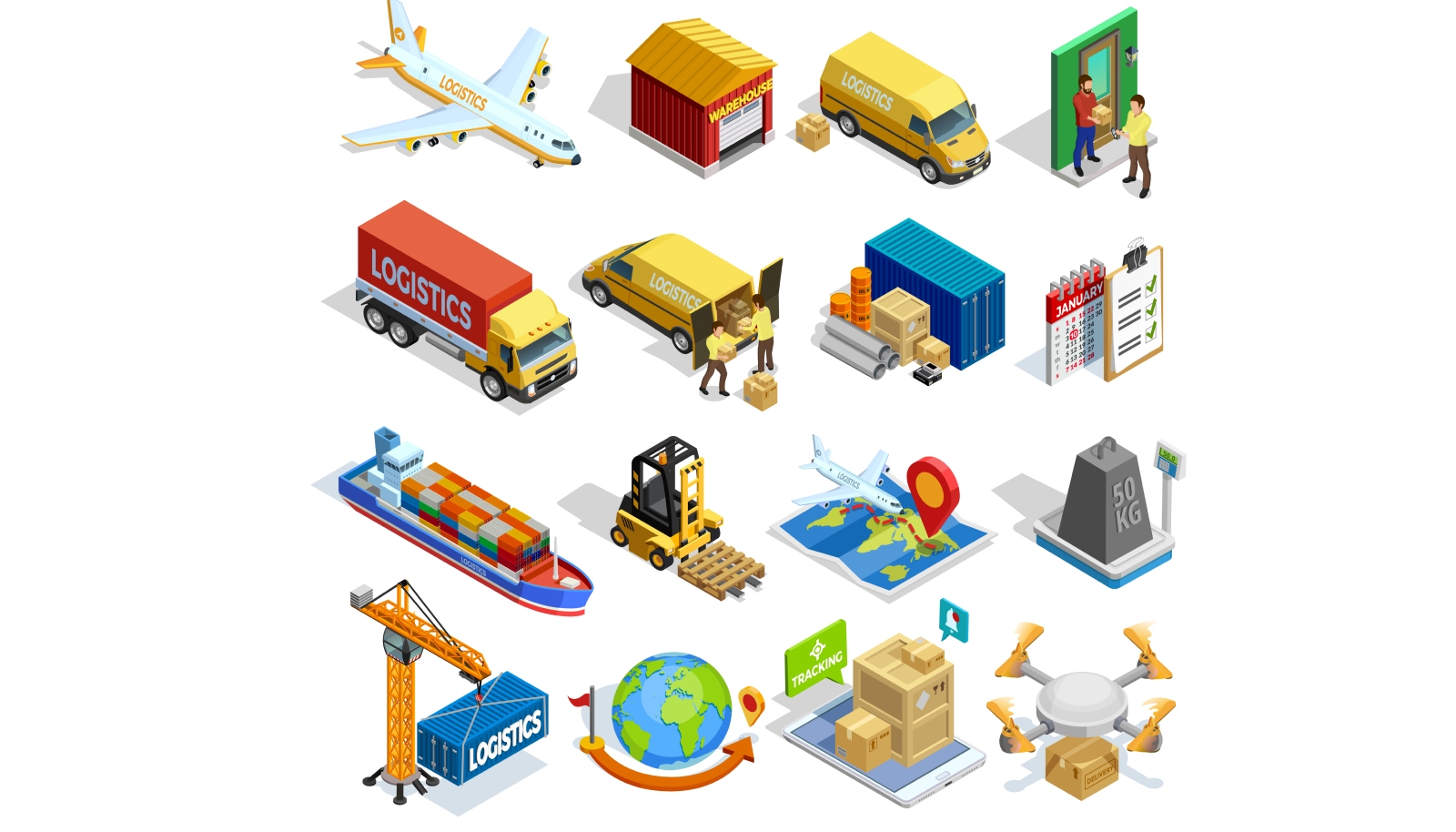
3PL vs 4PL: What are the differences?
| Aspect | 3PL (Third-Party Logistics) | 4PL (Fourth-Party Logistics) |
|---|---|---|
| Services | - Transportation - Warehousing - Picking and packing - Inventory forecasting - Order fulfillment - Packaging - Freight forwarding | - All 3PL services - Supply chain strategy - Analytics and monitoring - Management of technology solutions - Overseeing multiple 3PL services |
| Involvement | - Operational control over logistics functions | - Strategic management of entire supply chain |
| Integration | - Limited to operational levels | - Deep integration, potentially embedding staff within the client's organization |
| Technology | - Technology platforms for operational tracking and inventory management | - Advanced technology solutions for comprehensive supply chain visibility |
| Relationship | - Transactional, based on specific functions | - Collaborative, focusing on long-term improvements and strategic value |
| Objective | - Efficient execution of logistics operations | - Optimization and transformation of the supply chain for better performance |
| Cost Structure | - Transactional or activity-based costs | - Typically involves management fees, with a focus on cost savings through efficiency improvements |
Advantages and Disadvantages of 3PL
Third-Party Logistics (3PL) can offer numerous advantages and disadvantages for businesses. Here's a synthesized overview:
Advantages of 3PL:
- Cost Savings: 3PLs can reduce overhead costs associated with warehousing, staffing, and transportation logistics. They often have a broader network and can leverage economies of scale for better shipping rates.
- Expertise: 3PL providers specialize in logistics and have extensive knowledge of best practices, as well as the latest technology and trends in the industry.
- Scalability: They offer the ability to scale operations up or down based on current business needs without the need for significant capital investment or long-term commitments.
- Focus on Core Business: Outsourcing logistics allows a business to focus on its core competencies, such as product development, marketing, and sales.
- Risk Management: 3PLs can manage and mitigate risks associated with supply chain management, including inventory loss, transportation issues, and customs compliance.
- Improved Service: With their expertise and resources, 3PLs can often provide faster delivery and better customer service.
Disadvantages of 3PL:
- Less Control: Outsourcing logistics means relinquishing direct control over certain aspects of the supply chain, which can be uncomfortable for some businesses.
- Dependency: Relying on a 3PL provider can create a dependency that may be problematic if the provider fails to meet service levels or goes out of business.
- Communication Issues: Working with a third party can lead to communication challenges that might not exist if the operations were in-house.
- Integration Challenges: Integrating a company's systems with those of a 3PL provider can be complex and sometimes lead to information silos.
- Variable Costs: While there can be cost savings, there might also be variable costs that are difficult to predict, such as volume-based pricing that fluctuates with business activity.
- Cultural Misalignment: Differences in corporate culture and business practices can lead to misunderstandings and inefficiencies.
When considering a 3PL provider, it's crucial for businesses to weigh these advantages and disadvantages carefully and choose a partner that aligns with their specific needs and business goals.
Advantages and Disadvantages of 4PL
Fourth-Party Logistics (4PL) providers are the next evolution in supply chain management. They offer a higher level of supply chain management by acting as a single interface between the client and multiple logistics service providers. Here are the advantages and disadvantages of using a 4PL provider:
Advantages of 4PL:
- Complete Supply Chain Solution: 4PL providers offer a total supply chain solution, managing all aspects of logistics from start to finish.
- Strategic Network Optimization: They can optimize the entire supply chain strategically, which can lead to cost savings and increased efficiency.
- Focus on Core Business: Companies can focus on their core competencies, leaving the complex logistics operations to the experts.
- Access to Advanced Technology: Clients benefit from advanced logistics technology without the need to invest in it directly.
- Scalability: 4PL services can be scaled according to the needs of the business, making it easier to handle peak seasons or business growth without additional capital investment.
- Enhanced Efficiency and Optimization: Continuous improvement and optimization of logistics processes can lead to better efficiency and performance.
- Global Expertise: 4PL providers usually have global expertise and capabilities, which is beneficial for companies looking to expand internationally.
Disadvantages of 4PL:
- Loss of Control: Companies may feel a loss of control over their logistics as they hand over the management to a 4PL provider.
- Higher Costs: The comprehensive nature of 4PL services can be more costly compared to directly managing logistics operations or using less integrated providers.
- Complexity in Communication: The additional layer between the company and its logistics services can sometimes lead to communication challenges.
- Dependency: There is a risk of becoming too dependent on the 4PL provider, which could be problematic if the provider fails to deliver as expected.
- Integration Challenges: Integrating a 4PL's systems with existing company processes and systems can be complex and time-consuming.
- Limited Industry-Specific Knowledge: Some 4PL providers may not have specialized knowledge in certain industries, which could affect service quality.
- Potential for Conflict of Interest: Since 4PL providers often work with multiple clients, there could be a potential conflict of interest if they serve competitors within the same market.
The decision to use a 4PL provider should be based on a thorough analysis of these advantages and disadvantages in the context of the company's specific needs and strategic goals.
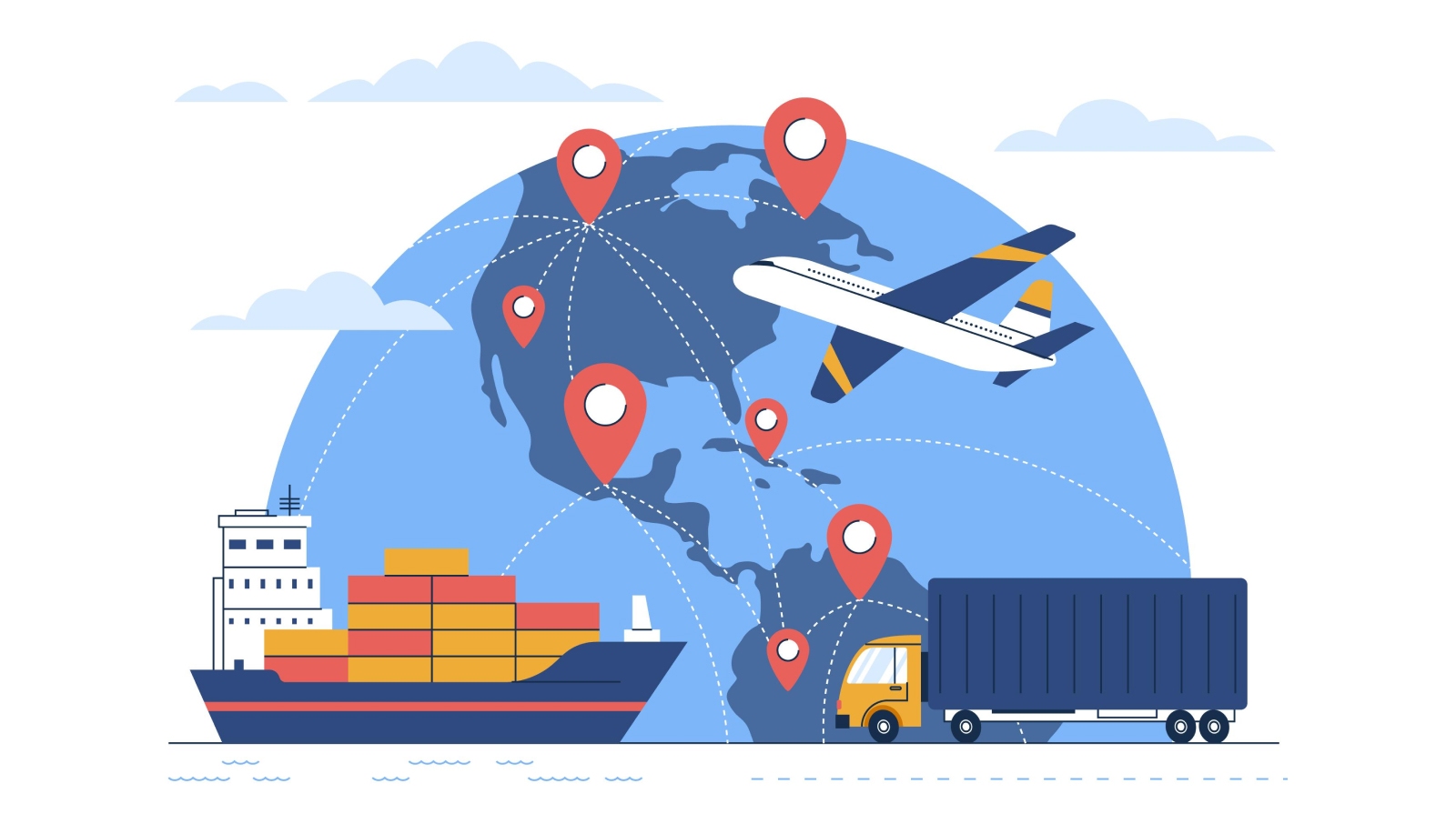
How to Choose Between a 3PL and a 4PL Provider
Choosing between a Third-Party Logistics (3PL) provider and a Fourth-Party Logistics (4PL) provider depends on your company's specific needs, resources, and goals. Here's a synthesized comparison to help guide your decision:
3PL Providers:
- Operational Focus: 3PLs typically specialize in the day-to-day operations of logistics, including transportation, warehousing, and distribution.
- Control: You maintain more control over your logistics, as 3PLs generally execute the logistics plan that you provide.
- Cost: Potentially lower cost than 4PL because you're paying for services rather than management and strategy.
- Flexibility: Easier to switch providers or take logistics back in-house if your needs change.
- Expertise: 3PLs have specific expertise in logistics operations, which can be beneficial if your internal team lacks this.
- Integration: May require more effort to integrate with your existing processes and systems.
4PL Providers:
- Strategic Focus: 4PLs manage and optimize the entire supply chain, often providing more strategic oversight and coordination than 3PLs.
- Outsourcing Level: Higher level of outsourcing, which can be beneficial if you want to focus on core business functions rather than logistics.
- Innovation: 4PLs might offer more innovative solutions and technologies as they oversee the design and execution of the entire logistics process.
- Single Point of Contact: Acts as a single point of contact between all parties in the supply chain, which can simplify communications.
- Cost Savings Long Term: Potentially greater long-term cost savings through supply chain optimization, though initial costs may be higher.
- Complexity: Better suited for complex global supply chains that require high levels of orchestration.
Considerations for Your Choice:
- Complexity of Supply Chain: If your supply chain is highly complex or global, a 4PL might be better suited to manage it.
- In-House Expertise: If you lack in-house logistics expertise, a 4PL can provide comprehensive management.
- Control Preference: If you prefer to maintain hands-on control over logistics, a 3PL might be more appropriate.
- Cost Sensitivity: If immediate cost is a concern, a 3PL typically offers a more direct service-for-fee structure.
- Business Size and Scale: Smaller businesses or those with less complex logistics needs may find 3PL services sufficient.
- Growth and Scalability: If you anticipate rapid growth or scaling challenges, a 4PL may help manage this transition smoothly.
Ultimately, the decision should align with your business strategy, the complexity of your logistics needs, and your willingness to outsource these functions. Conducting a thorough analysis of your current and future logistics requirements and interviewing potential providers can help in making an informed decision.
Navigating Global Sources for the Best 3PL and 4PL Logistics Services
Navigating the complex world of logistics can be a daunting task for businesses looking to streamline their supply chain management. Third-party logistics (3PL) and fourth-party logistics (4PL) providers offer comprehensive solutions, but with a plethora of options available, particularly on platforms like Global Sources, selecting the right partner is critical. In this introduction, we will explore the key considerations and strategies for choosing the best 3PL and 4PL logistics services on Global Sources, ensuring your business can operate with efficiency and agility.
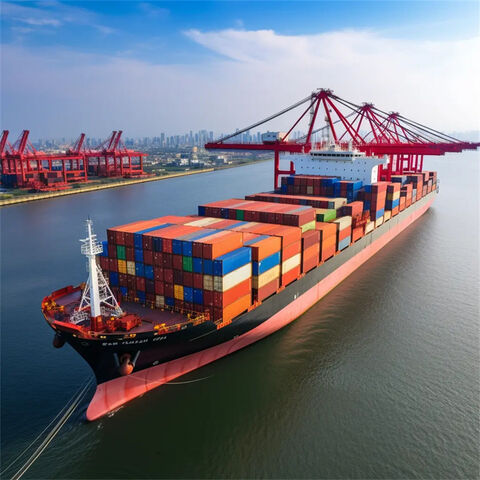
Air Cargo Sample Consolidation Shenzhen 3Pl Logistic Service
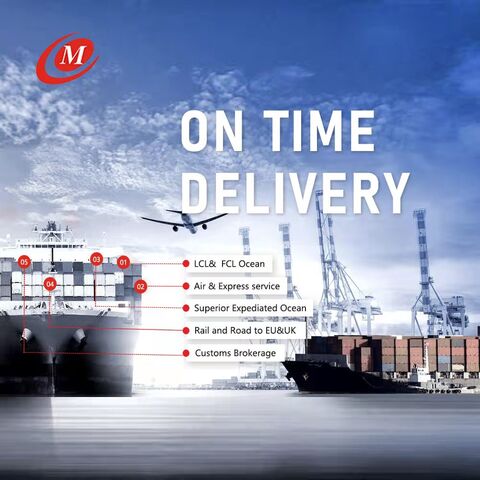
Ocean freight forwarder 3PL logistics door to door service shipping from China to USA includes brokerage and drayage
Understanding 3PL and 4PL Services
Before diving into the selection process, it's important to understand what 3PL and 4PL services entail. A 3PL provider offers logistics services that cover various aspects of the supply chain, such as transportation, warehousing, picking and packing, inventory forecasting, order fulfillment, and packaging. These providers take over the logistical operations that you would otherwise have to handle in-house.
On the other hand, a 4PL provider typically offers a more comprehensive set of services than a 3PL. They act as a single point of contact between you and multiple logistics service providers. Essentially, a 4PL organization manages resources, technology, infrastructure, and even 3PL services to design, build, and provide supply chain solutions for businesses.
Global Sources: A Hub for Logistics Solutions
Global Sources is a leading business-to-business media company and a primary facilitator of trade with Greater China. It provides an online marketplace where businesses can connect with suppliers and service providers, including those offering 3PL and 4PL services.
Identifying Your Logistics Needs
The first step in navigating Global Sources for logistics services is to clearly define your own requirements. Consider the following:
- Volume: Assess your business's shipping volume to determine the capacity you need from a provider.
- Geographical Reach: Identify where your products need to be shipped to and from.
- Service Scope: Decide if you need just transportation and warehousing or if you need additional services like customs brokerage or cross-docking.
- Technology: Consider the level of technological integration you require, such as tracking systems or inventory management software.
- Experience: Look for providers with experience in your specific industry or with handling your types of products.
Searching for Providers on Global Sources
With your needs in mind, you can use Global Sources to search for potential 3PL and 4PL providers. The platform allows you to filter searches by various criteria such as location, services offered, and more.
Evaluating Potential Partners
Once you have a list of potential providers from Global Sources, it’s time to evaluate them based on:
- Expertise: Check their experience and track record in the industry.
- References: Look for customer testimonials or case studies.
- Compliance: Ensure they comply with international shipping regulations and safety standards.
- Financial Stability: Verify their financial health to ensure long-term reliability.
- Scalability: Consider whether they can scale services as your business grows.
- Cost: While not the only factor, compare pricing between providers for the best value.
Engaging with Providers
After narrowing down your options, engage with the providers to discuss your needs in detail. This can include requesting quotes, asking about specific logistics processes, or even visiting their facilities if possible.
Making the Selection
With all the information gathered, you can make an informed decision on which 3PL or 4PL provider on Global Sources is the best fit for your business. Look for a partner that aligns with your business values, understands your industry's specific challenges, and can provide tailored solutions that meet your logistical needs.
Building a Partnership
Choosing a logistics provider is just the beginning. Building a strong partnership with open communication and regular performance reviews is essential for long-term success. This relationship will ensure that your logistics operations support your business objectives and adapt to changing market conditions.
Conclusion
Selecting the right 3PL or 4PL provider on Global Sources requires thorough research and careful consideration of your business's unique needs. By understanding what these services offer, identifying your requirements, evaluating potential partners thoroughly, and engaging in detailed discussions, you can establish a robust logistics framework that supports your business's growth and ensures customer satisfaction. With this strategic approach, navigating Global Sources for logistics services becomes a streamlined process leading to successful outcomes.
You May Also Like:
China Warehouses: Types, Benefits for E-Commerce, and Shipping Insights
Warehouse Management 101: A Beginners' Guide in 2024
Incoterms: A Complete Guide 2024 Updated
9 Shipping Terms in Plain English: A Freight Shipping Guide
Delivered Duty Paid (DDP) Explained: Pros & Cons, Sellers & Buyers Obligations

