




Table of Contents
Benefits of China Warehouse for Online Sellers
Shipping from China Warehouse: Benefits and Challenges
Explore Seamless Warehousing and Shipping in China Services with Globalsources.com
What is a China Warehouse?
"China Warehouse" can refer to several concepts depending on the context, but generally, it is a term used to describe a storage facility located in China that companies around the world use to store their goods before distribution. These warehouses are integral parts of the global supply chain, especially for e-commerce businesses that source products from Chinese manufacturers.
Many international e-commerce platforms, such as Amazon, eBay, and AliExpress, utilize warehouses in China to facilitate faster shipping times and reduce costs. By storing products closer to the manufacturing hubs and the large consumer markets in Asia, these platforms can offer customers more competitive prices and delivery options.
China’s advanced manufacturing ecosystem and extensive infrastructure network make it an ideal location for such warehouses. The country has invested heavily in logistics, including ports, roads, railways, and airports, which supports efficient warehousing operations. Moreover, China's special economic zones and free trade zones often offer tax advantages and streamlined customs procedures, further enhancing the appeal of Chinese warehouses for international business.
In addition to serving as storage points, some China warehouses also provide additional services such as product assembly, packaging, quality inspection, and order fulfillment. This means that sellers can send their products directly from the warehouse to customers worldwide without needing a separate distribution center.
For dropshipping businesses, China warehouses are particularly important. Dropshippers sell products directly from suppliers to customers without holding any inventory themselves. Having a reliable warehouse in China allows them to list products on their websites and have the warehouse manage the rest of the supply chain process upon receiving an order.
In summary, a China warehouse is not just a physical space for storing goods but a hub that plays a crucial role in global commerce, offering storage and logistical services that enable companies to operate efficiently and compete in the international market.
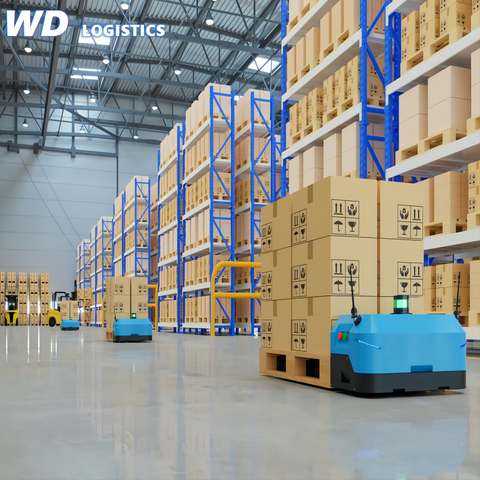
Cheap Rent Warehouse China Guangzhou Shanghai Logistic Warehouse service For Lease In Shenzhen Yiwu Storage
Tmall 1688 sourcing Agent China with warehouse services
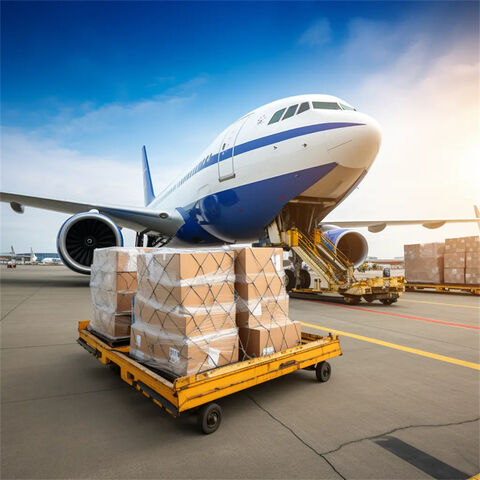
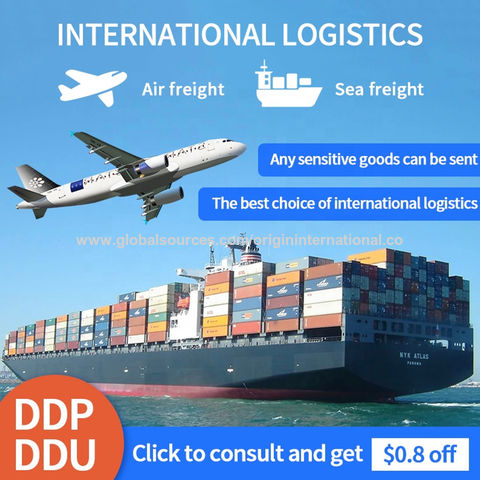
Sea Freight China To USA FBA Warehouse Sea Shipping Agent In China
International drop ship service air freight cost china to usa warehouse air cargo rates shopping usa
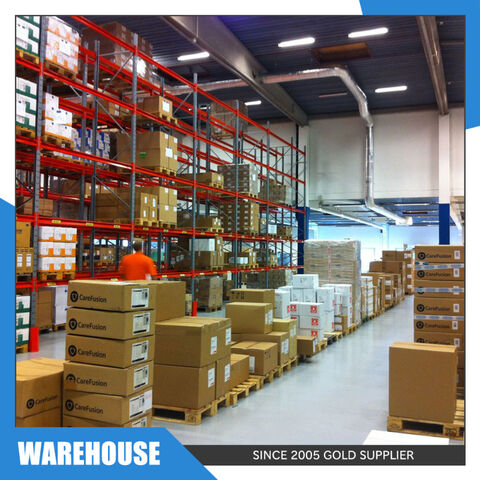
Types of Warehouses in China
| Type of Warehouse | Features | Pros | Cons | Intended Audience |
|---|---|---|---|---|
| Standard Warehouse | Basic storage, no frills | Cost-effective, widely available | Limited services, no specialization | Businesses needing basic storage |
| Bonded Warehouse | Duty deferral, secure storage | Tax benefits, good for imports/exports | Complex regulations, longer setup time | International traders, import/export businesses |
| Smart Warehouse | Automation, robotics, AI integration | High efficiency, reduced labor costs | High initial investment, technical complexity | Large-scale retailers, tech-savvy enterprises |
| Cold Storage Warehouse | Temperature-controlled, specialized storage | Preserves perishable goods, regulatory compliant | High operating costs, energy-intensive | Food and pharmaceutical industries |
| Distribution Center | Quick turnover of goods, strategic location | Streamlines distribution, reduces lead times | Higher operational complexity, requires advanced systems | Retailers with high turnover products |
| Cross-dock Warehouse | Minimal storage, quick transfer of goods | Reduces storage costs, faster delivery times | Requires precise coordination, not for all products | Companies with efficient supply chains |
| E-commerce Fulfillment Center | Order processing, packaging, shipping services | Tailored for online retail, enhances customer satisfaction | Can be costly for small businesses, high competition | E-commerce businesses of all sizes |
| Export Processing Zone (EPZ) | Favorable customs regulations, export-oriented | Incentives for exporting, access to global markets | Geographically restricted, regulatory compliance needed | Export-focused manufacturers |
| Automated Storage & Retrieval System (ASRS) | Computer-controlled operations, efficient space usage | Maximizes space, minimizes errors | Requires substantial tech investment, maintenance costs | High-volume distributors, tech industries |
| Hazardous Material Warehouse | Specialized handling and storage for hazardous materials | Ensures safety and compliance with regulations | Requires special infrastructure and training | Chemical and hazardous material manufacturers |
This chart is based on the general characteristics of warehouses in China and may vary depending on specific service providers or locations. Businesses should consider their unique needs and the nature of their goods when selecting a warehouse type.
Benefits of China Warehouse for Online Sellers
Online sellers can reap several benefits from utilizing a warehouse in China, which can significantly impact their business operations and customer satisfaction. Here are some key advantages:
1. Cost Savings: Warehousing in China can be more cost-effective than in other countries due to lower labor and storage costs. This can translate into lower overall operational expenses for online sellers.
2. Supply Chain Efficiency: Proximity to manufacturers in China can streamline the supply chain, reducing the time between production and warehousing. This can lead to faster restocking and the ability to respond more quickly to market demands.
3. Faster Shipping to Customers: For sellers targeting the Asian market or international customers, having inventory stored in China can mean reduced shipping times. This is particularly beneficial for platforms with an expectation of rapid delivery, such as Amazon with its Prime service.
4. Bulk Purchases: The ability to store larger quantities of goods can allow for bulk purchases, which can reduce the unit cost of products and increase profit margins.
5. Quality Control: Having a warehouse close to the point of manufacture allows for better quality control checks before products are shipped internationally. This can result in fewer returns and higher customer satisfaction.
6. Customs and Duties Management: Warehousing in China can simplify the process of managing customs and duties for goods before they are shipped to customers abroad, potentially reducing paperwork and speeding up delivery times.
7. Dropshipping Capabilities: Some warehouses offer dropshipping services, where they handle the packing and shipping directly to the end customer, saving online sellers from having to manage inventory directly.
8. Scalability: As an online business grows, having a warehouse in China can provide the scalability needed to handle increased inventory without significant delays or disruptions.
9. Reduced Risk of Stockouts: By having more control over inventory levels and restocking procedures, online sellers can minimize the risk of running out of popular items, especially during high-demand periods.
10. Local Market Insights: Operating close to the Chinese market can provide valuable insights into consumer trends and product preferences, which can inform product selection and marketing strategies.
11. Currency Advantages: Depending on currency fluctuations, there may be financial advantages to paying for warehousing and goods in Chinese yuan rather than other currencies.
12. Access to Chinese E-commerce Platforms: Having a local presence can facilitate selling on Chinese e-commerce platforms, which could open up a vast new market segment.
It's important for online sellers to weigh these benefits against any potential challenges, such as language barriers, cultural differences, or regulatory compliance issues that may arise when dealing with international warehousing and logistics.
Shipping from China Warehouse: Benefits and Challenges
Shipping from a China warehouse can offer both benefits and challenges for businesses and consumers alike. Here's an overview of the key points:
Benefits:
1. Cost Efficiency: Generally, manufacturing and warehousing costs in China are lower compared to many other countries, which can lead to significant savings.
2. Scale: Chinese warehouses often have the capacity to handle large volumes, making it easier for businesses to scale operations up or down based on demand.
3. Manufacturing Hub: China is a global manufacturing hub, so shipping from a warehouse in China means products are closer to the production site, reducing transportation time and costs from the manufacturer to the warehouse.
4. Global Reach: China's well-established logistics network can facilitate easier access to international markets, especially within Asia.
5. Supply Chain Consolidation: By storing goods in China, companies can consolidate their supply chain, managing production and distribution more efficiently.
Challenges:
1. Longer Delivery Times: Shipping from China to international destinations can result in longer delivery times, which may not be suitable for products that are in high demand or for customers who expect quick delivery.
2. Customs and Duties: Products shipped from China may be subject to customs inspections and import duties in the destination country, potentially leading to delays and extra costs.
3. Communication Barriers: Language differences and time zone discrepancies can make communication more difficult, which may affect the management of the warehouse and the resolution of issues that arise.
4. Regulatory Compliance: Ensuring compliance with both Chinese regulations and those of the destination country can be complex and requires thorough understanding and management.
5. Quality Control: It can be more challenging to maintain strict quality control over products when they are manufactured and warehoused far from the primary market.
Understanding these benefits and challenges is crucial for businesses when making decisions about their supply chain strategies and determining whether shipping from a China warehouse aligns with their operational goals and customer expectations.
Explore Seamless Warehousing and Shipping Sevices by China Suppliers on Globalsources.com
Globalsources.com stands as a pivotal gateway for international businesses to tap into the manufacturing powerhouse of China. With its extensive network of verified suppliers and comprehensive logistics solutions, the platform is tailored to bridge the gap between global demand and Chinese supply. Here's an in-depth look at the seamless warehousing and shipping services provided by Chinese suppliers on Globalsources.com.
Strategic Warehousing Solutions
One of the cornerstones of Globalsources.com's offering is its strategic warehousing solutions. These are not just storage spaces; they are logistics hubs designed to facilitate efficient inventory management, timely order fulfillment, and cost-effective distribution. Chinese suppliers on Globalsources.com use these warehouses to store products closer to international shipping ports, reducing the time and cost associated with moving goods to their final destinations.
Efficient Inventory Management
The suppliers on Globalsources.com employ sophisticated inventory management systems. These systems are integrated with the latest technology to provide real-time visibility into stock levels, which is crucial for maintaining the balance between supply and demand. Businesses can leverage this data to make informed decisions, minimize stock-outs or overstock situations, and manage their supply chain with precision.
Customized Shipping Services
Understanding the diverse needs of global businesses, Chinese suppliers on Globalsources.com offer a variety of shipping services. These range from standard shipping for non-urgent bulk goods to expedited services for time-sensitive deliveries. Suppliers work with a network of freight carriers to ensure that they can offer competitive rates and reliable services, regardless of the destination.
Quality Assurance and Compliance
Quality control is paramount in international trade, and Globalsources.com's suppliers adhere to stringent quality assurance protocols. Before warehousing and shipping, products undergo thorough inspections to ensure they meet both international standards and buyer specifications. This commitment to quality minimizes the risk of returns and enhances customer satisfaction.
Simplified Export and Import Process
The complexities of exporting from and importing to China can be daunting due to the intricate web of regulations and paperwork involved. Suppliers on Globalsources.com simplify this process by handling all necessary documentation, compliance checks, and customs clearance procedures. This turnkey approach to export and import management streamlines cross-border transactions, making them hassle-free for buyers.
Real-Time Shipment Tracking
From production to delivery, Globalsources.com provides comprehensive tracking solutions. Clients have access to detailed tracking information, ensuring transparency throughout the shipping process. This allows businesses to plan their inventory management more effectively and provides assurance that goods will arrive as expected.
Adaptable Storage Facilities
The warehousing services offered by Chinese suppliers on Globalsources.com are designed with flexibility in mind. They can accommodate fluctuations in inventory levels due to seasonal changes, market trends, or promotional activities. This adaptability ensures that businesses can scale their storage needs up or down without incurring unnecessary costs.
Integration with Global Supply Chains
Businesses that partner with suppliers on Globalsources.com benefit from seamless integration into global supply chains. The platform's logistics services are crafted to complement existing supply chain strategies, enhancing efficiency and reducing the time-to-market for products sourced from China.
In conclusion, Globalsources.com provides a comprehensive ecosystem for businesses looking to leverage Chinese manufacturing capabilities. Through its robust network of suppliers, advanced warehousing facilities, and tailored shipping options, the platform ensures that businesses around the world can enjoy seamless warehousing and shipping services, thereby optimizing their supply chain operations and gaining a competitive edge in their respective markets.、
Also Read:
- Temu Warehouse Insights
- 2024 Warehouse Industry Trends
- Bonded Warehouses: Secure Storage Solutions
- Efficient Storage with Retail and Warehouse Racks
- China Warehouses: E-Commerce Benefits & Shipping
FAQs
What types of warehouses are available in China?
China offers a range of warehouses including standard, bonded, smart, cold storage, distribution centers, cross-dock facilities, e-commerce fulfillment centers, export processing zones (EPZs), automated storage and retrieval systems (ASRS), and hazardous material warehouses.
What are the typical operation hours for warehouses in China?
Operation hours can vary. Some warehouses operate 8 hours a day and 40 hours a week, but due to high demand, many operate on a 24/7 basis with employees working in shifts.
How do I choose the right warehouse in China for my business?
Consider the location relative to transportation hubs, the type of goods you are storing, required services like picking and packing, and any special requirements such as temperature control or security features.
Are there any special regulations for bonded warehouses in China?
Yes, bonded warehouses are subject to customs regulations. Goods stored in these warehouses are not subject to duties or taxes until they leave the warehouse for domestic consumption.
Can I store hazardous materials in Chinese warehouses?
Yes, but only in specialized hazardous material warehouses that comply with strict safety and environmental regulations.
What is a smart warehouse and how can it benefit my business?
A smart warehouse uses automation and artificial intelligence to optimize operations. Benefits include increased efficiency, reduced labor costs, and minimized errors.
What services do e-commerce fulfillment centers in China offer?
These centers offer services tailored for online retailers, including inventory management, order processing, packaging, and shipping directly to customers.
What is an Export Processing Zone (EPZ) in China?
An EPZ is a zone where goods can be manufactured, processed, and exported with preferential tax and customs arrangements.
Are there any temperature-controlled warehouses in China?
Yes, cold storage warehouses offer temperature-controlled environments essential for perishable goods such as food and pharmaceuticals.
What should I consider when it comes to warehouse security in China?
Evaluate the security measures in place, such as surveillance systems, access controls, fire safety protocols, and insurance coverage.
These questions cover the basic considerations when looking into warehousing options in China and can serve as a starting point for businesses planning their logistics operations within the country.
You May Also Like:
Warehouse Management 101: A Beginners' Guide in 2024
Incoterms: A Complete Guide 2024 Updated
9 Shipping Terms in Plain English: A Freight Shipping Guide
Delivered Duty Paid (DDP) Explained: Pros & Cons, Sellers & Buyers Obligations
Delivered At Place (DAP) Explained: Pros & Cons, Sellers & Buyers Obligations
Free on Board (FOB) Explained: Pros & Cons, Sellers & Buyers Obligations
Free Carrier (FCA) Explained: Pros & Cons, Sellers & Buyers Obligations
Ex Works (EXW) Explained, Pros & Cons, Sellers & Buyers Obligations
Carriage Paid To (CPT): What It Means, How It Works, Examples, Pros & Cons
3PL vs 4PL: What are the differences?
DDP vs DAP Incoterms: Understanding the Key Differences
DDP vs. FOB: What's the Difference?
EXW vs. FOB: What's the Difference?
CIF vs. FOB: What's the Difference?
[Ultimate Guide] What Is Inventory? Definition, Types, and Examples
Ultimate Guide: What Is Vendor Managed Inventory (VMI)?
Ultimate Guide to Dead Stock: Understanding and Managing Unsold Inventory
FCL Vs. LCL: Choosing Which Container Load Is Best For Your Business
FedEx vs. UPS: Which Is Better in 2024 and the Years to Come

