




Shipping agreements play a key role in the overall process involving distribution and sales. As such, it becomes clear who is responsible for the goods when they are moving from one point to another between the buyer and seller. When goods are transported across international borders, the allocation of responsibilities becomes a crucial consideration. In the event of any issues arising during the process, determining accountability becomes imperative. The clarification of these responsibilities becomes apparent through a detailed analysis of the logistical intricacies associated with Cost, Insurance and Freight (CIF) and Free on Board (FOB). In the world of international trade, understanding the terms and conditions that dictate the responsibilities, costs and risks associated with the shipment of goods is crucial for both buyers and sellers. Two of the most commonly used trade terms in the industry are Cost, Insurance, and Freight (CIF) and Free on Board (FOB). These Incoterms or international commercial terms establish a universal language for businesses across the globe, ensuring that all parties involved have a clear understanding of their respective roles in the transaction.
So, what is the difference between CIF and FOB? In the realm of international trade, understanding the disparity between CIF and FOB is paramount. The primary distinction hinges on the transfer of ownership and liability. In the CIF arrangement, the responsibility of the goods shifts to the buyer after the shipment reaches the point of destination. Conversely, in the case of FOB, the possession of goods will shift as soon as goods leave the point of origin. Determining the optimal choice for your business necessitates a deeper exploration of these differences. Read on for a comprehensive analysis to guide your decision-making process.
CIF: Cost, Insurance, and Freight
CIF is a trade term that requires the seller to arrange for the transportation of goods by sea to a port of destination. The seller is responsible for covering the costs associated with shipping, insurance, and freight charges until the goods are delivered to the buyer at the specified port. Once the cargo arrives at its destination, the risk of loss or damage is transferred from the seller to the buyer. However, the buyer is responsible for any additional costs, such as customs duties and taxes, as well as unloading and onward transportation.
Key features of CIF
- Applicable only to sea and inland waterway transport.
- Seller is responsible for arranging and paying for shipping, insurance, and freight charges.
- Buyer bears the risk of loss or damage upon delivery by the seller to it at the destination port.
- Buyer pays for additional costs, such as customs duties, taxes, unloading, and onward transportation.
When to use CIF
As a buyer, opting for CIF is primarily driven by its inherent convenience. The seller is responsible for any kind of damage to goods. In essence, buyers do not have to worry about risks, claims or other concerns when the shipment is underway. CIF is best suited for buyers who are unfamiliar with the dangers of overseas shipping. For businesses with limited experience in navigating the complexities of international transportation, CIF offers a streamlined solution by shifting the responsibilities of risk, damage, and logistical coordination onto the seller. This reduces the buyer's requirement to oversee and manage various facets of the shipping process, rendering CIF a convenient and less intricate choice.
CIF proves to be advantageous for importers. Additionally, many buyers use CIF when dealing with small cargo sizes. However, the cost of insurance for small cargo can be higher compared to fees charged by sellers. CIF can help generate higher margins for buyers but at the risk of taking responsibility for goods and maintaining ownership while the shipment is in transit.
When to avoid CIF
Buyers incur higher costs with CIF as sellers invoice them at a higher rate to cover the costs of insurance and shipping. The sellers add extra fees for their services and earn profit. Hence, the CIF that comes from the seller will cost more for the buyer. As it appears, buyers are paying a premium amount only for convenience. Additionally, the buyers do not have control over the shipment.
If a problem arises, the buyer may encounter difficulty obtaining accurate shipping information as they lack ownership of the goods. Moreover, for buyers from the US, they need to rely on sellers to get Importer Security Filing documents. The ISF document is a set of data elements and information that importers are required to submit to U.S. Customs and Border Protection (CBP) before the arrival of cargo in the US. Substantial fines and penalties are imposed in cases where buyers submit it after the specified deadline. With CIF, sellers hold an insurance policy that covers the freight during transit,. rendering them the beneficiaries in case there arises a claim. Although buyers have some kind of commitment, potential communication issues and significant delays may arise until compensation is being sorted out.
FOB: Free on Board
FOB is another trade term that involves the transportation of goods by sea. Under FOB terms, the seller is responsible for delivering the goods to a specified port and loading them onto a designated vessel chosen by the buyer. Once the goods have been loaded onto the ship, the risk of loss or damage transfers from the seller to the buyer. From this point forward, the buyer assumes responsibility for all costs associated with transporting the goods to their final destination, including freight charges, insurance premiums, and any additional expenses incurred during transit.
Key features of FOB
Applicable only to sea and inland waterway transport.
Seller is responsible for delivering goods to a specified port and loading them onto a designated vessel.
Buyer bears the risk of loss or damage once goods are loaded onto the ship.
Buyer is responsible for all costs associated with transporting goods to their final destination, including freight charges, insurance premiums and additional expenses incurred during transit.
When to use FOB
FOB is a cost-effective solution for many buyers because they do not have to pay high fees to sellers, unlike CIF. Moreover, buyers have the flexibility to manage the transportation of their freight, providing them with full control over the goods concerning timing and costs. In case of unfavorable situations, they are afforded better access to information. As a result, they can promptly address any adverse situation. Furthermore, sellers benefit from FOB because they are not responsible for the goods. After the shipment leaves the warehouses, sellers can mark the transaction as completed without worrying about additional problems or costs.
When to avoid FOB
For novice importers, it is wise to avoid using FOB. Buyers are liable for the goods during transit. Lack of experience along with a complete understanding of the boundaries of overseas shipment, a new buyer can make mistakes resulting in serious penalties. Conversely, a CIF agreement may present a more suitable option for new buyers. It provides an opportunity for acquiring knowledge and experience in the processes involved in overseas importation, offering a more controlled and informed entry into international trade.
Top Picks of Freight Services
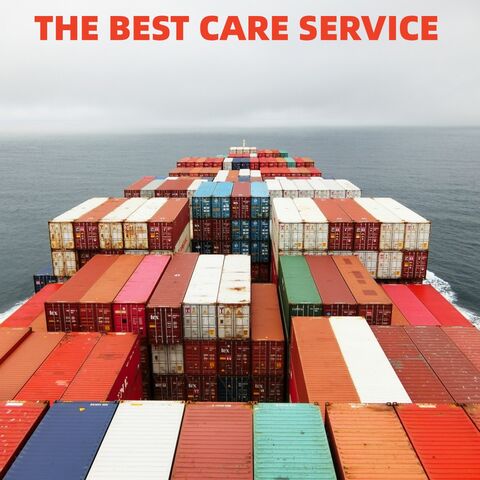
FCL container shipping CIF FOB EXW China to USA EU AU UK end to end solution DDP DDU DAP
Ship to EU, DDP, DDU, FCL, LCL, FOB and CIF (UPS or DPD)
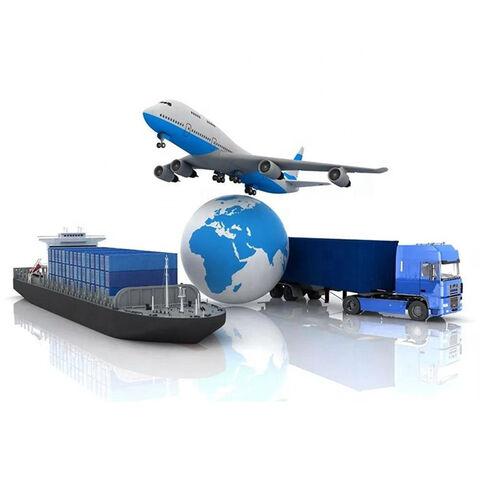
Cheap Freight services forwarder agent service
Comparing CIF and FOB
While both CIF and FOB involve the transportation of goods by sea, there are some key differences between them:
1. Responsibility for costs
Under CIF terms, the seller is responsible for arranging and paying for shipping, insurance, and freight charges until delivery at the destination port. In contrast, under FOB terms, the buyer assumes responsibility for these costs once the goods are loaded onto the designated vessel.
2. Transfer of risk
In CIF transactions, the risk of loss or damage transfers from the seller to the buyer upon delivery at the destination port. However, in FOB transactions, the transfer occurs when the goods are loaded on another ship at the specified port.
3. Additional costs
Under CIF terms, the buyer is responsible for any additional costs incurred after delivery at the destination port, such as customs duties, taxes, unloading and onward transportation. In FOB transactions, the buyer has to bear the costs. Specifically, the buyer is obligated to cover any legal expenses incurred from the moment the goods are transferred to another vessel as per the agreement until the same reaches the point of destination.
4. Insurance coverage
CIF includes insurance coverage as part of the seller's responsibilities, whereas FOB does not require it. Buyers in FOB transactions must arrange their own insurance coverage if desired.
Which one is best for your business: CIF or FOB?
There is no denying that both FOB and CIF have benefits that work best for buyers and sellers. However, when it comes to choosing the one for specific trading needs, one has to consider certain important factors. It should be kept in mind that the choice will depend on specific circumstances as well. Neither of the two options is better than the other.
Indeed, CIF and FOB have their respective advantages and disadvantages. For a seller, the FOB agreement allows them to go off the hook once the goods leave the port of origin. Consequently, this results in lower costs for sellers but higher costs for buyers. Despite incurring a slightly higher expense for the buyer, the FOB agreement facilitates a more expeditious completion of the transaction compared to the alternative agreement.
It is crucial to build a strong relationship with buyers because customer service plays a pivotal role. While the CIF agreement is more time-consuming and costly, it makes the overall process of transaction seamless for buyers. Assuming things from the perspective of buyers, a CIF agreement is a great option when seeking seamless execution of tasks.
Choosing a CIF agreement requires flexibility with the budget as well. However, buyers who are on a tight budget but want more control over the circumstance can still consider CIF. Ultimately, the decision on which shipping agreement to adopt lies with the individual. In summary, individuals should evaluate their needs and align them with CIF or FOB to determine the most suitable option.
Finding Freight Services for Your Business on Global Sources
As a business owner, finding reliable and cost-effective freight services is essential to ensuring products reach customers in a timely and efficient manner. Global Sources, a leading online B2B marketplace, offers a range of freight services that can help streamline one’s logistics operations. Businesses can explore the benefits of using freight services on Global Sources and get insights on how to find the right provider for their business in the detailed information below.
Understanding Freight Services on Global Sources
Global Sources offers a range of freight services that can help businesses manage their logistics needs. These include:
1. Air Freight
This is a fast and efficient shipping method that is ideal for time-sensitive products.
2. Sea Freight
This shipping method is typically slower than air freight but is more cost-effective for larger shipments since ships have much higher volume and weight capacity compared to airplanes.
3. Express Delivery
This is a premium shipping service that offers fast delivery times and real-time tracking.
4. Customs Clearance
This service not only helps businesses navigate the complex regulatory requirements of international trade but also ensures efficient and compliant transportation of goods, contributing to a smooth and streamlined global supply chain.
The Advantages of Using Freight Services on Global Sources
Using freight services on Global Sources offers several advantages:
1. Convenience
By using freight services on Global Sources, businesses can streamline their logistics operations and manage their shipments from a single platform. This integrated approach enhances efficiency and provides a comprehensive solution for businesses engaged in international trade.
2. Cost-Effective
Global Sources offers competitive pricing for its freight services, enabling businesses to save money on shipping costs, enhancing their overall value proposition.
3. Reliability
The platform works with reputable logistics providers, ensuring that shipments are handled by experienced professionals who prioritize timely delivery and safe handling. This commitment to reliability enhances the confidence businesses can place in the logistics services provided by Global Sources.
4. Flexibility
With a range of shipping options available, businesses can choose the method that best suits their needs and budget.
Strategies for Finding the Right Freight Services Provider
To find the right freight services provider on Global Sources, consider the following strategies:
1. Assess Your Business Needs
Before choosing a provider, businesses should conduct a thorough assessment of their operational requirements, carefully evaluating which shipping methods align most effectively with their products and customer expectations.
2. Compare Providers
Businesses are advised to conduct thorough research and comparisons among various providers on Global Sources to identify the one that excels in terms of pricing, service quality, and reliability. This strategic approach ensures the selection of a provider that aligns seamlessly with their specific shipping requirements.
3. Read Reviews
Check customer reviews and ratings to gain insights into the experiences of other businesses that have used the provider's services. This diligent examination of feedback provides a comprehensive understanding of the provider's performance and aids in making informed decisions about their suitability for specific business needs.
4. Ask Questions
Proactively inquire about providers' services, pricing structures and delivery times to ascertain their ability to meet specific business needs. Asking relevant questions ensures clarity and facilitates informed decision-making in selecting a provider aligned with the requirements of the business.
FAQs: CIF vs. FOB
What is the difference between CIF and FOB?
CIF and FOB are both international trade terms that describe different shipping arrangements and responsibilities. FOB stands for "free on board," which means the seller is responsible for loading the goods onto a shipping vessel at a specified port and the buyer is responsible for all other transportation costs and risks associated with getting the goods from the port of origin to their final destination. On the other hand, CIF stands for "cost, insurance, and freight," which means the seller is responsible for all transportation costs, insurance and risks up to the point of delivery to the port of destination. The key difference between these terms is who is responsible for transportation costs and risks at different points in the shipping process.
Is CIF more expensive than FOB?
CIF and FOB can have different costs depending on the specific shipping arrangement and other factors. In general, CIF will be more expensive than FOB because it includes additional costs such as insurance and freight charges. However, the total cost of shipping will depend on a variety of factors such as the size and weight of the goods, the distance between ports and any other fees or charges associated with the shipping process.
What is CIF or FOB from China?
The CIF and FOB processes in China follow established international trade practices like any other country. These practices are guided by standardized terms known as Incoterms, which provide a common language for buyers and sellers engaged in cross-border transactions. The CIF and FOB processes in China, like those in other countries, underscore the importance of standardized practices, clear communication, and adherence to international trade regulations. These processes provide a framework that promotes efficiency, transparency, and trust in the global marketplace.
Who pays for CIF shipping?
On a CIF shipping arrangement, the seller is responsible for paying all transportation costs, insurance, and risks up to the point of delivery to the port of destination. This includes arranging for transportation, paying for shipping fees, obtaining any necessary licenses or permits, and purchasing insurance to cover any potential losses or damages during transit. The buyer is responsible for paying any additional costs associated with getting the goods from the port of destination to their final destination, such as customs duties or taxes.
Conclusion
In conclusion, understanding the differences between CIF and FOB trade terms is essential for businesses engaging in international trade. These Incoterms help clarify each party's responsibilities and obligations during shipment, ensuring smooth transactions and minimizing potential disputes. By carefully considering which process best suits their needs, buyers and sellers can make informed decisions that protect their interests and facilitate successful trade relationships.
the distinction between FOB and CIF centers around the transfer of ownership and liability. When it comes to CIF, the transfer of liabilities rests on the buyer after the goods arrive at the point of destination. Whereas, in FOB, the liabilities and possession tend to shift when the goods leave after a certain point of origin. Generally, CIF is more advantageous for sellers, while FOB proves more beneficial for buyers. For new buyers, opting for CIF is recommended until they gain a thorough understanding of the intricate shipping process.
You May Also Like:
- Incoterms Guide 2024
- Freight Forwarding Explained
- Ocean Freight Guide
- Shipping Terms in Plain English
- CIP Incoterms
- CFR Shipping Incoterm
- FOB Explained
- EXW Explained
- FCL Vs. LCL Shipping
- DDP vs DAP Incoterms
- DDP vs. FOB Differences
- EXW vs. FOB Differences
- CIF vs. FOB Differences

