




AMOLEDs continue to gain ground in wearable devices such as smartwatches, fitness trackers, virtual reality head-mounted displays and smart glasses, while they are now more common in midrange and high-end smartphones.
Compared to TFT-LCD screens, AMOLED has advantages of more vivid colors, deeper blacks and higher contrast ratios. These displays are self-illuminating, eliminating the need for backlights and enhancing readability in indoors and low-light conditions. Without backlighting, they consume less power than LCDs, especially when displaying dark images, and have thinner profiles in addition to being bendable, foldable or rollable. In addition, AMOLEDs offer fast refresh rates and response times from the active matrix used.
However, this technology has its share of drawbacks, which include screen burn-in, reduced sunlight readability and higher power consumption than LCD counterparts when showing bright images. These and other issues are expected to be addressed down the line as AMOLEDs mature.
Device penetration
In smartwatches, AMOLED displays will continue to find increasing use. Such devices sporting the screen will post 9 percent CAGR between 2024 and 2031, according to the latest report published by Reliable Research Reports.
Rising demand for these devices, driven by the growing popularity of health and fitness tracking, will in turn boost demand for this screen type. Apple, Samsung, Garmin and Fitbit are among adopters as well as China brands Xiaomi, Huawei, Oppo, Amazfit and Realme.
In VR head-mounted displays, there are Samsung’s Odyssey+ and HTC’s Vive Pro, while Google Glass Enterprise Edition 2 represents the smart glasses field.
Overall, the wearable devices industry is projected to be a robust market for AMOLED displays, especially as it continues to expand. ABI Research said that from 344 million units shipped in 2022, the volume will reach more than 650 million by 2027 or at a CAGR of 13.2 percent.
Display makers’ AMOLED pitch
In China, the market for AMOLED displays is expected to reach $1.47 billion by the end of 2024 and increase at 26.7 percent CAGR until 2031, according to the latest report from Cognitive Market Research. This significant growth is attributed to favorable government policies and investments in the technology.
As market analyst Omdia reports, Chinese makers dented Samsung’s majority market share in the small and midsize AMOLED display segment in 2023. They include BOE, Visionox, Tianma, EverDisplay and China Star.
In AMOLEDs for smartwatches, four of these manufacturers accounted for a combined share exceeding 60 percent of shipments based on a forecast made by Omdia for 1H 2024.
With this growing presence in the AMOLED market, Chinese companies will continue developing new displays targeting wearables. Visionox, for instance, introduced a 1.62in AMOLED screen adopted in Xiaomi’s recently launched Smart Band 9. The display delivers 1,200cd/sqm brightness and 60Hz refresh rate, and includes a light-sensing module enabling adaptive brightness and a feature that minimizes ghost touches.
Manufacturing buildup is ongoing as well. In the first quarter of 2024, BOE announced that it would be installing China’s first 8.6G AMOLED production line in Chengdu, Sichuan. The project, entailing a total investment of $8.75 billion, is scheduled to begin operating on a full scale in the last quarter of 2026. By then, it will realize a total production value of $5.55 billion. The facility will make Sichuan the largest hub for this category in the country and the source of 20 percent of flexible AMOLED display global shipments.
Fueling Chinese efforts is AMOLED’s expanding market and proximity to it. A recent report from Cognitive Market Research found that the Asia-Pacific region has the fastest-growing AMOLED market. It noted that the huge customer base, especially in China and India, is trending toward wearables, high-end TVs and smartphones with such displays.
Wearables AMOLED displays
There are hundreds of manufacturers of AMOLED displays in China and they include top global players, both domestic and international companies. Most, however, are small and midsize enterprises. For these makers, wearable devices account for 10 to 30 percent of their AMOLED shipments as smartphones remain the major market.
Homegrown companies’ typical displays for wearables are 0.49 to 3.5in, and have over 300 PPI, 10,000:1 contrast ratio, more than 300cd/sqm brightness and -40 to 70 C operating temperature. These are UL-listed, CE-approved and RoHS-compliant.
Customization remains a widely available option, with suppliers able to match size, resolution and brightness requirements.
For key components such as luminescent materials, which account for 30 percent of production costs, manufacturers usually turn to Sumitomo Chemical, Mitsui Chemicals and Idemitsu. Driver ICs come from overseas as well, with Samsung and Magnachip as top sources. Domestically made inputs are also an option and come from Jilin OLED Material Tech, Novoray and Valiant.
Both foreign and Chinese suppliers ship their AMOLED displays from factories in Shenzhen, Dongguan, Suzhou, Shanghai, Hangzhou, Beijing as well as Sichuan and Shaanxi provinces.
Here are products representing trends in AMOLED displays from manufacturers in the Greater China region.
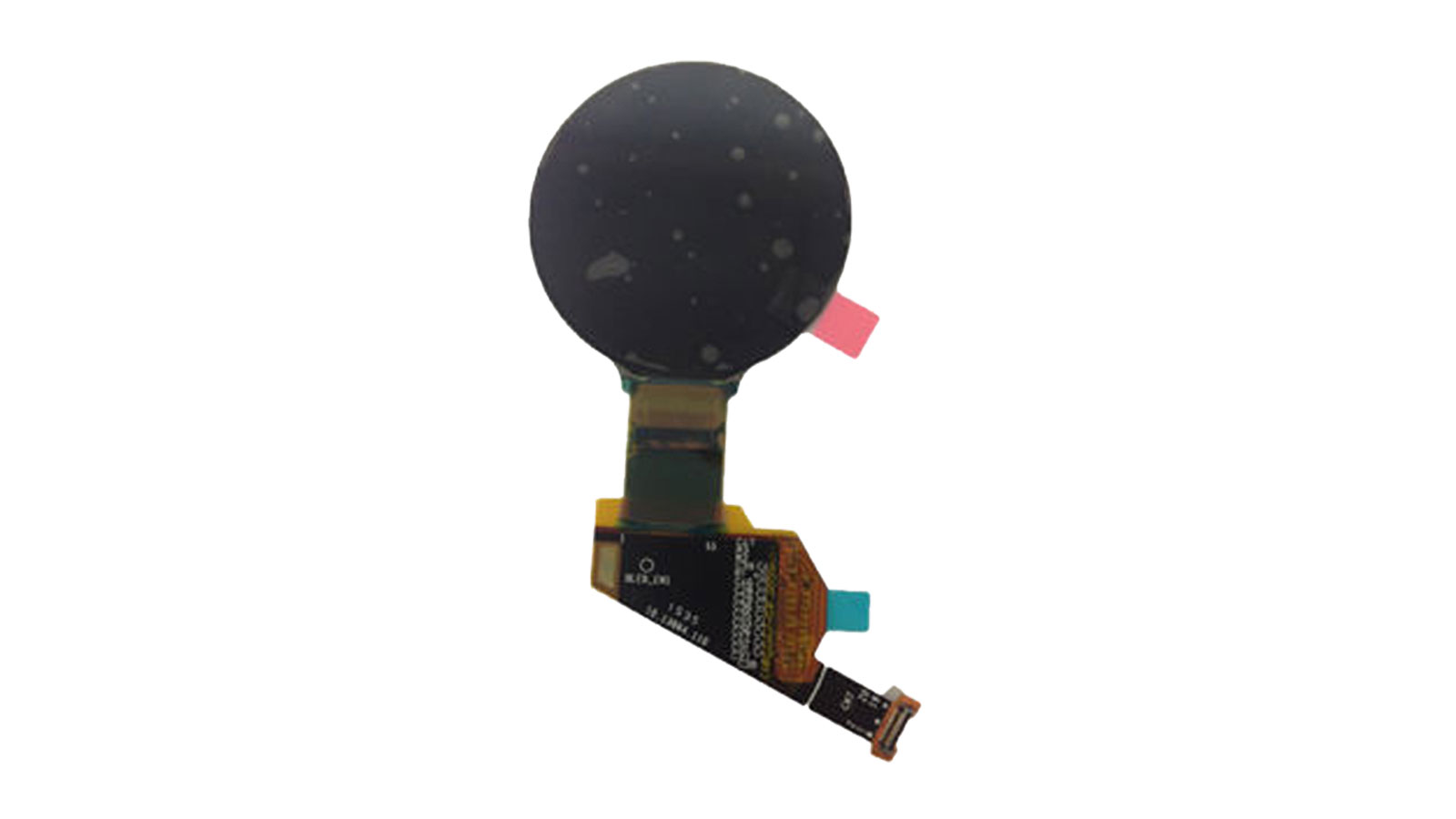
1.39in AMOLED display, 400x400 dots
Company: Palm Technology (Taiwan) Co. Ltd
This 1.39in AMOLED display from Palm, the PBOG4040C-Axxx, has 400x400-dot resolution, 35.4mm active area and a full-color display. It is for smart watches.
MOQ: Negotiable
Lead time: 7 days
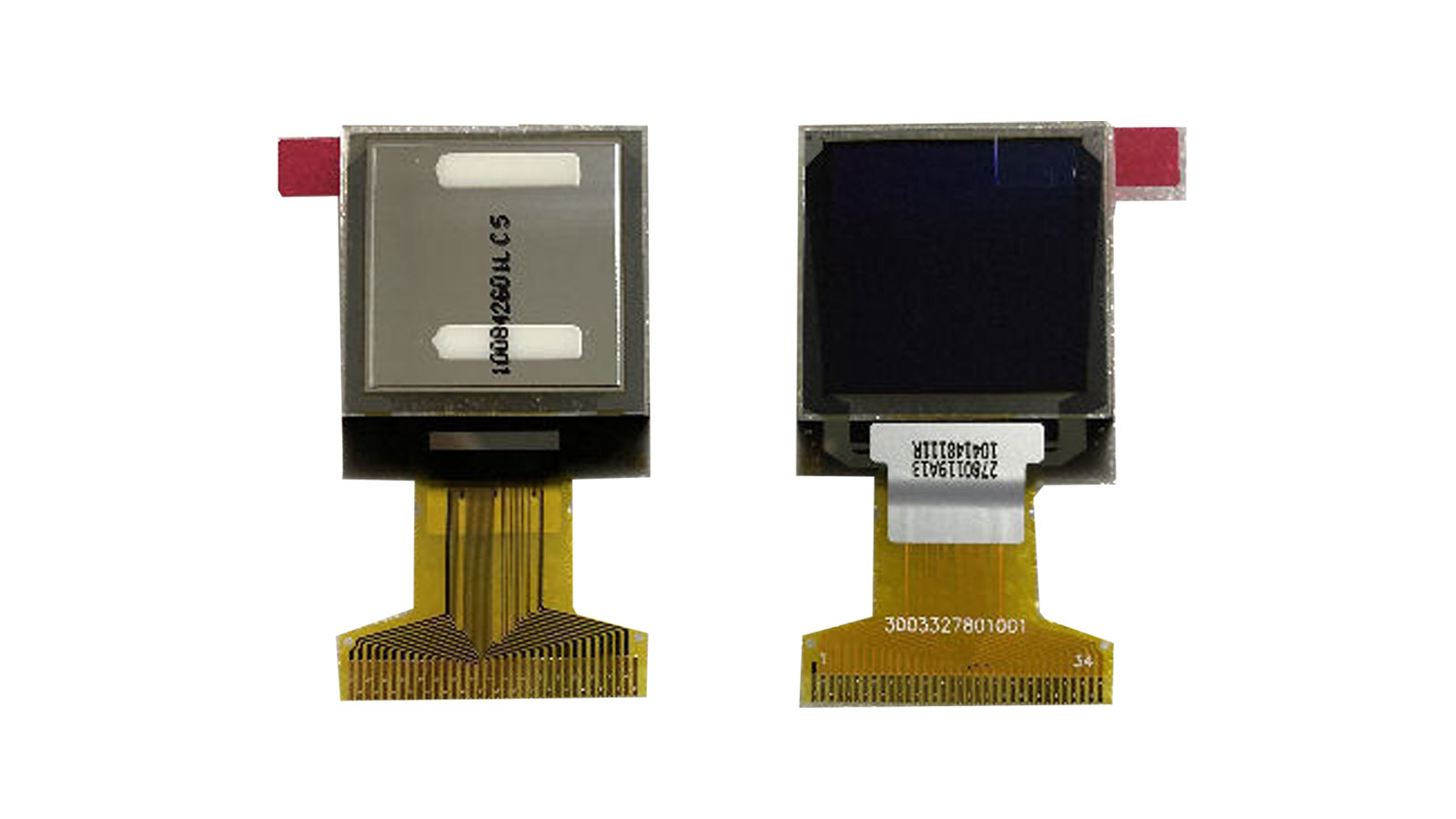
1.1in AMOLED display, 96x96 pixels
Company: Shenzhen Boxing World Technology Co. Ltd
For smartwatches, Shenzhen Boxing’s PSP27801-5-6 AMOLED display with an anti-glare polarizer has 96x96-pixel resolution, 262K or 65K colors, 2,000:1 contrast ratio, 160-degree viewing angle and -40 to 70 C operating temperature. This 1.1in unit uses an SSD1351 driver IC.
MOQ: 100 units
Lead time: 20 days
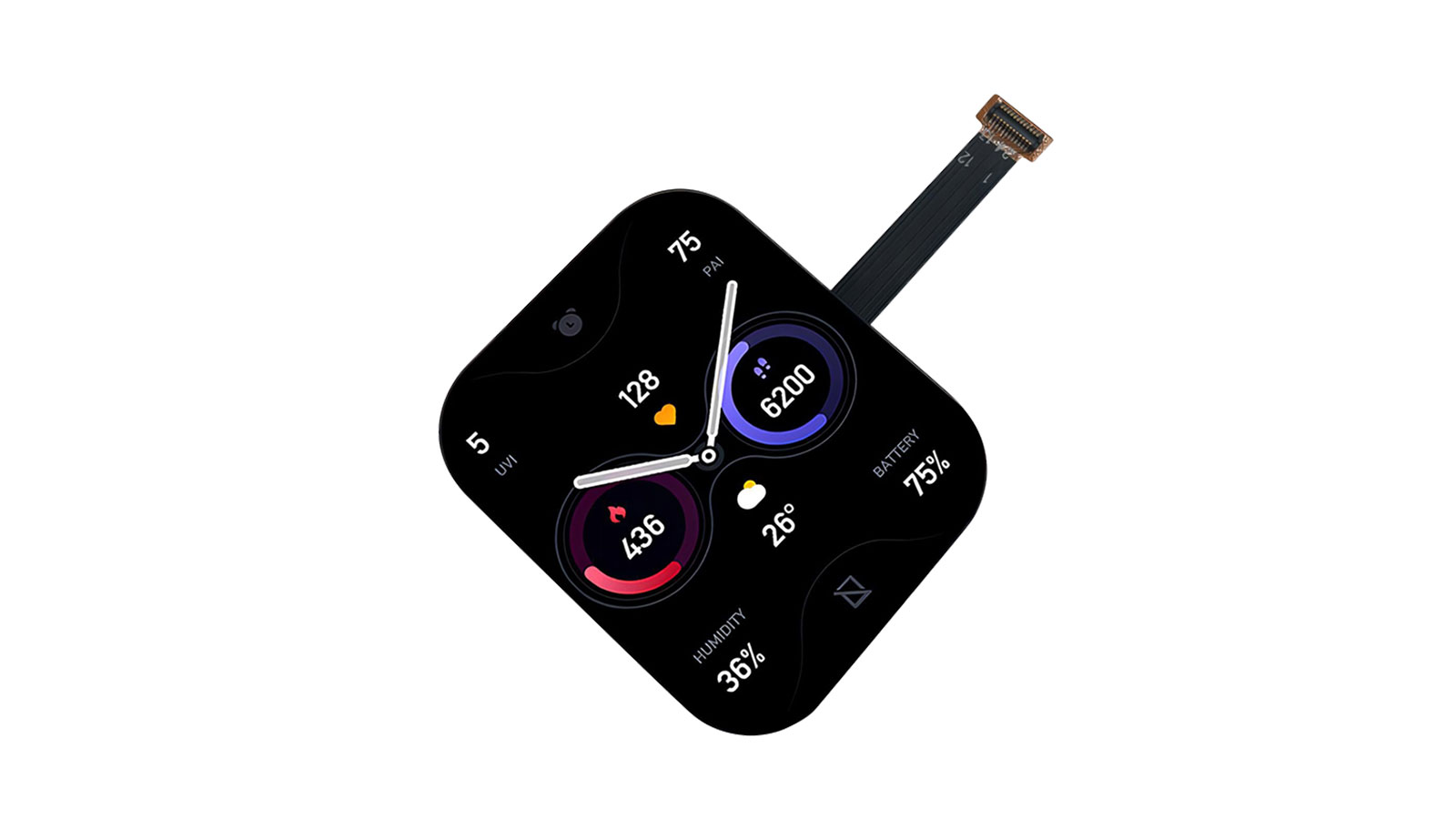
1.96in AMOLED display, 410x502 pixels
Company: Shenzhen Haresan Electronics Co. Ltd
With an MIPI, SPI, QSPI or MCU interface, the ZC-AHEM1D96-V0 1.96in AMOLED display from Shenzhen Haresan uses an C05300AF-11 driver IC and has 410x502-pixel resolution and 500cd/sqm brightness.
MOQ: 5,000 units
Lead time: 7 days
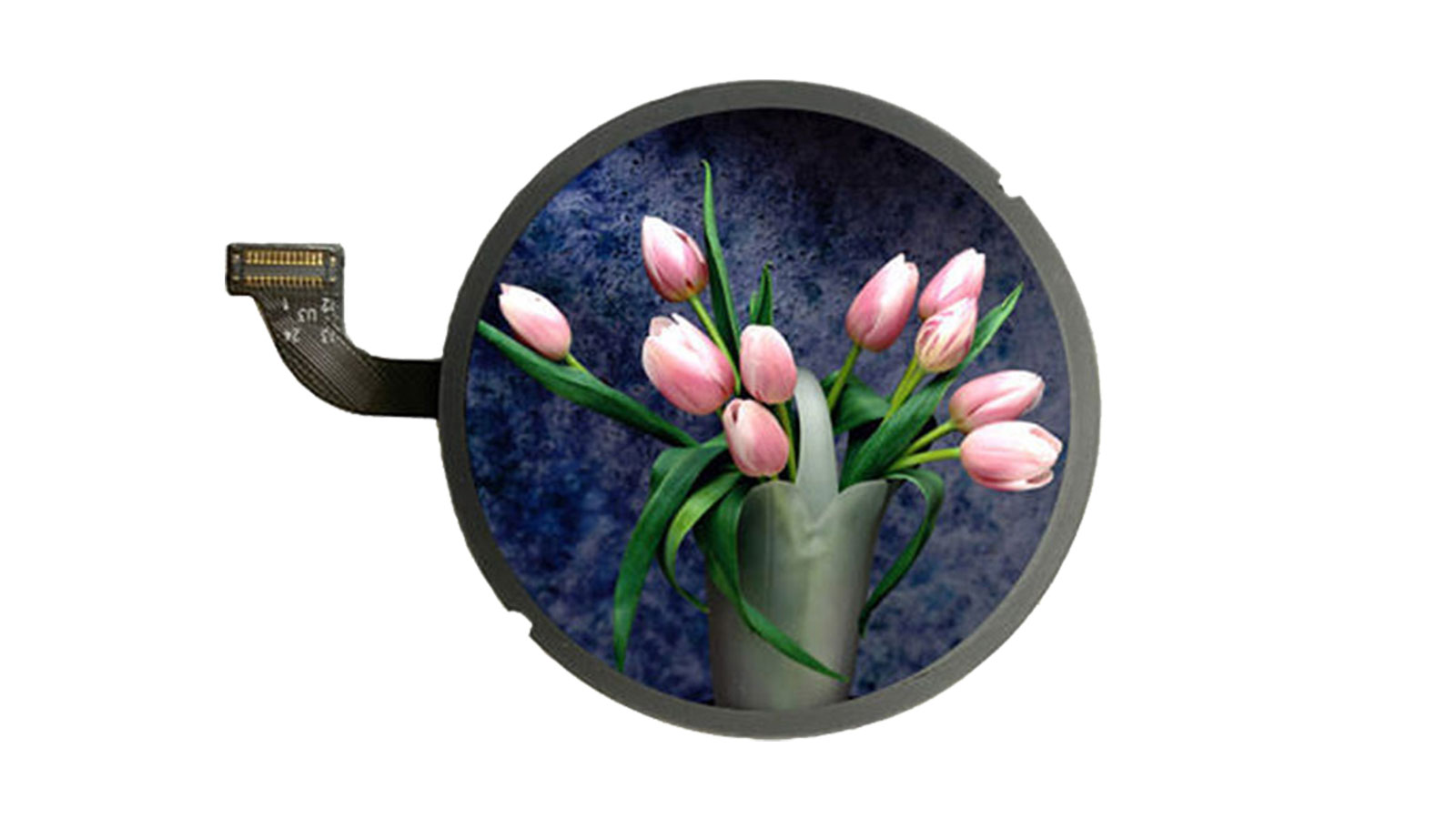
1.43in AMOLED display, 466x466 pixels
Company: Shenzhen Ruiheda Technology Co. Ltd
Shenzhen Ruiheda markets this 1.43in AMOLED display, the RHD-AMOLED0143C-02, with 466x466-pixel resolution, full viewing angle, more than 400cd/sqm brightness and -30 to 70 C operating temperature. Suitable for use in smartwatches and other wearables, the unit has an ICNA3313 driver IC and QSPI.
MOQ: 500 units
Lead time: 10 days

