




With the widespread application of artificial intelligence (AI) technology in various industries, it is gradually changing our lifestyle and business model. Event ticketing, as an important field, is no exception. Traditional ticketing systems have many problems, such as cumbersome ticket purchase processes, ticket fraud, and scalping. The introduction of AI is expected to completely change this situation. This article will explore how AI will change the future of event ticketing.
Table of Contents
Application of Artificial Intelligence in Ticketing
Security and anti-counterfeiting
Application of Artificial Intelligence in Ticketing
1. Automated Ticket Processing
AI technology can automate ticket processing. Through the automated ticketing system, users can complete ticket purchases in seconds without waiting for tedious manual processing. Real-time ticket management can dynamically adjust ticket information to ensure that users obtain the latest ticket status. For example, at large concerts or sports events, AI can monitor ticket sales in real time and automatically adjust ticket prices and seat allocations to maximize revenue and user experience.
Automated ticket processing not only improves efficiency, but also reduces the occurrence of manual errors. Traditional manual processing methods are prone to data entry errors or untimely information updates, while AI systems can ensure data accuracy and real-time performance. In addition, automated systems can significantly reduce operating costs and reduce reliance on manual resources, thereby improving overall operational efficiency.
2. Personalized recommendations
AI can provide personalized event recommendations and marketing strategies by analyzing user behavior data. For example, based on the user's historical ticket purchase records and browsing habits, AI can recommend events that the user may be interested in, thereby increasing ticket purchase rates and user satisfaction. Through machine learning algorithms, AI can identify user interest preferences and push tailored event information and offers, which not only increases user participation but also improves the marketing effect of the event.
Personalized recommendations can not only improve users' ticket purchase experience, but also help event organizers better understand user needs and optimize event planning. For example, AI can analyze users' social media activities, search history, and purchase records to predict the types and times of events that users may be interested in, thereby conducting precision marketing. This personalized recommendation method can not only increase users' ticket purchase rates, but also increase user loyalty and satisfaction.
Improve user experience
1. Seamless ticket purchase process
AI technology can simplify ticket purchase steps and improve ticket purchase efficiency. For example, through natural language processing technology, users can complete ticket purchases through voice assistants or chatbots without manually entering complex information. This seamless ticket purchase process not only saves time, but also improves user experience. Users can quickly complete ticket purchases with simple voice commands or chat conversations, greatly improving convenience and satisfaction.
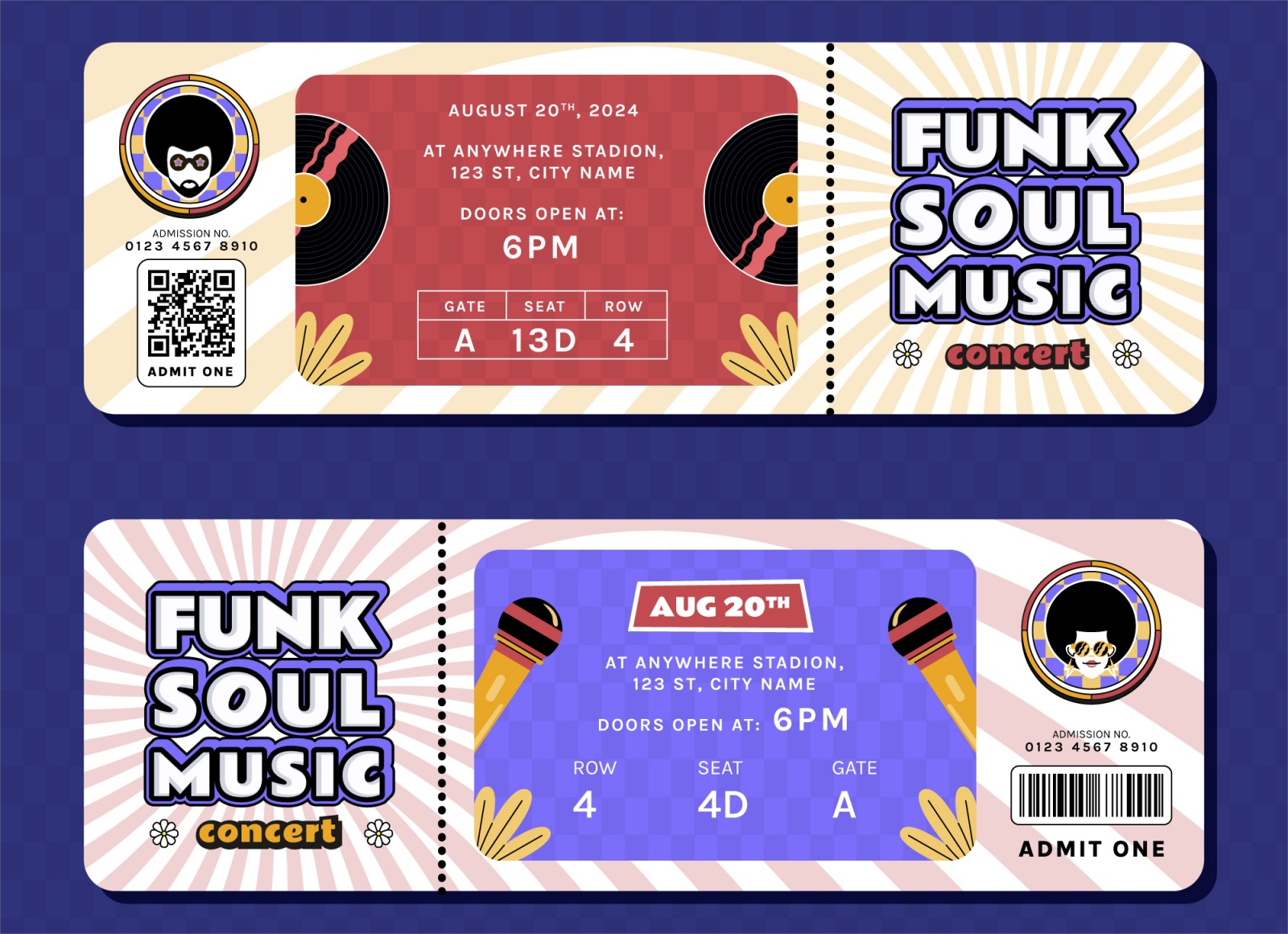
In addition, AI can also achieve paperless and electronic ticketing through image recognition technology. Users can directly enter the event site by scanning QR codes or face recognition on their mobile phones, avoiding the cumbersomeness and environmental pollution of traditional paper tickets. This seamless ticket purchase and entry experience not only improves user convenience, but also improves the overall efficiency and safety of the event.
2. AI customer service and support
AI customer service can provide 24/7 virtual support to quickly solve user problems. For example, when users encounter difficulties in purchasing tickets or need to change ticket information, AI customer service can provide help immediately without waiting for the response of manual customer service. This instant support service greatly improves user satisfaction. AI customer service can not only answer common questions, but also handle complex requests such as refunds and changes, ensuring that users can get timely help at any time.
AI customer service can also understand users' needs and emotions through natural language processing technology, and provide more personalized and humane services. For example, when users express dissatisfaction or complaints, AI customer service can provide comfort and solutions through sentiment analysis to improve user satisfaction and trust. In addition, AI customer service can also continuously improve service quality and efficiency through learning and optimization to meet users' changing needs.
Security and anti-counterfeiting
1. The role of AI in ticket security
AI plays an important role in ticket security. Through advanced ticket anti-counterfeiting technology, AI can effectively prevent the generation and circulation of fake tickets. In addition, AI can also monitor ticket purchasing behavior, identify and prevent scalpers and ticket fraud, and protect the rights and interests of users. AI systems can analyze ticket purchasing patterns, detect abnormal activities, and automatically take measures such as freezing suspicious accounts or notifying users to ensure the security of ticket transactions.
AI can also ensure the transparency and immutability of ticketing data through blockchain technology. Each ticket can be tracked and verified through blockchain to prevent ticket fraud and forgery. This blockchain-based ticketing system not only improves the security of ticketing, but also enhances the user's sense of trust. In addition, AI can also ensure the uniqueness and security of tickets through biometric technologies such as fingerprint recognition and facial recognition, and prevent illegal transfer and reselling of tickets.
2. Data Protection and Privacy
With the application of AI in ticketing, the secure storage and management of user data has become particularly important. AI technology can protect user data privacy and prevent data leakage and abuse through encryption and anonymization. AI systems can automatically detect and prevent potential security threats to ensure the security and integrity of user data.
In addition, AI can also identify and prevent data leakage and abuse through user behavior analysis. For example, when the system detects abnormal access behavior or data requests, it can automatically take measures such as restricting access and sending alarms to ensure the security of user data. AI can also continuously improve the level of data protection through continuous monitoring and optimization to meet the requirements of users and laws and regulations.
Big Data Analysis
1. Data-driven Decision-making
AI can help event organizers make data-driven decisions through big data analysis. By collecting and analyzing ticketing data, AI can provide detailed user portraits and market trends to help organizers optimize event planning and management. For example, AI can analyze users' ticket purchasing behavior and feedback, understand users' needs and preferences, and conduct precision marketing and event adjustments.
Data-driven decision-making can not only improve the success rate of events, but also reduce operating costs and risks. For example, AI can predict ticket demand and adjust ticket prices and seat allocations in advance to avoid ticket waste and insufficient resources. This data-based decision-making method not only improves the efficiency of events, but also enhances user experience and satisfaction.
2. Market Trend Forecasting
AI can predict market trends and user needs through big data analysis, helping event organizers to make forward-looking market strategies. For example, AI can predict future ticket demand and market changes by analyzing historical data and market dynamics, and adjust event planning and marketing strategies in advance.
Market trend forecasting can not only help organizers seize market opportunities, but also avoid potential market risks. For example, AI can predict the hot and cold spots of the market by analyzing market competition and user feedback, adjust activities and marketing strategies in advance, and avoid excessive market competition and waste of resources. This AI-based market prediction not only improves the success rate of activities, but also enhances the market competitiveness and adaptability of organizers.

Challenges and Future Outlook
1. Technical Challenges
Although AI has shown great potential in the ticketing field, it still faces some technical challenges. For example, the complexity and high cost of AI technology may limit its application in small and medium-sized events. In addition, the accuracy and reliability of AI systems also need to be continuously improved to ensure their effectiveness and stability in practical applications.
Technical challenges include not only the optimization and upgrading of AI algorithms, but also the integration and compatibility of systems. For example, AI systems need to be seamlessly connected with existing ticketing systems and platforms to ensure data synchronization and consistency. In addition, AI systems also need to be continuously updated and maintained to ensure that they remain competitive and adaptable in a rapidly changing market environment.
2. Future Development Directions
Despite the technical challenges, the future development prospects of AI in the ticketing field are still broad. With the continuous advancement of technology and the deepening of its application, AI is expected to achieve more innovations and breakthroughs in the ticketing field. For example, AI can provide a more immersive and interactive ticketing experience through virtual reality (VR) and augmented reality (AR) technology.
In the future, AI can also achieve comprehensive intelligence and automation of the ticketing system through cross-domain cooperation and integration. For example, AI can be combined with Internet of Things (IoT) technology to achieve intelligent ticketing management and monitoring; combined with blockchain technology to achieve transparency and security of ticketing data; combined with big data technology to achieve accurate market forecasting and user analysis. These cross-domain innovations and integrations will not only improve the overall efficiency of the ticketing system, but also promote the intelligent and digital transformation of the entire event industry.
Conclusion
In short, the application of AI in event ticketing has broad prospects and huge potential. Through the application of automated ticket processing, personalized recommendations, improved user experience, security and anti-counterfeiting, big data analysis, etc., AI will completely change the future of event ticketing. Although facing some technical challenges, with the continuous advancement of technology and the deepening of its application, AI will play an increasingly important role in the ticketing field, bringing more convenience and value to users and event organizers.

