




Workplace safety is a key concern for businesses as the well-being of employees is a moral obligation and a legal requirement in many countries. An effective way to shield workers from potential hazards and reduce the risk of injury or illness is the use of personal protective equipment (PPE).
PPE encompasses a wide range of products designed to safeguard workers from physical, chemical, biological or environmental threats. It includes safety gloves that protect the hands from cuts, abrasions, chemicals and other workplace dangers, and safety helmets that save the head from falling objects, impact and electrical hazards.
Safety glasses, meanwhile, shield the eyes from flying debris, UV radiation and chemical splashes, while respiratory masks filter out and prevent inhalation of airborne particles, gases and fumes.
Protective clothing falls under this category as well and is used to safeguard the body from exposure to heat, cold, chemicals and other hazards.
Safety gloves
When selecting safety gloves, it is essential to consider the specific tasks and hazards present in the workplace, as well as the level of dexterity required for the job. Proper glove fit and comfort are also crucial factors to ensure optimal protection.
| Glove material | Key features | Common applications |
| Nitrile | Resistant to chemicals, oils and punctures | Handling chemicals, working with sharp objects |
| Latex | Provides a high level of dexterity and sensitivity | Medical and healthcare settings |
| Vinyl | Cost-effective and resistant to mild chemicals | Food preparation, light-duty tasks |
| Leather | Offers protection against cuts, abrasions and heat | Welding, construction and heavy-duty work |
| Cut-resistant | Designed to withstand sharp edges and blades | Manufacturing, maintenance, and handling of sharp tools |
Safety helmets
The choice of material and design of safety helmets or hard hats depends on the work environment and the specific risks involved. Other important factors to consider include the helmet's suspension system, ventilation and compatibility with other PPE, such as face shields or hearing protection. Proper fit and regular inspection are essential to ensure continued effectiveness.
| Helmet material | Key features | Common applications |
| Thermoplastic | Lightweight, durable and cost-effective | Construction, manufacturing and general industry |
| FRP | Offers superior impact and chemical resistance | Chemical processing, oil and gas, and mining |
| Aluminum | Provides protection against electrical hazards | Electrical work and utilities |
| HDPE | Lightweight and resistant to UV radiation | Outdoor work, such as forestry and landscaping |
Safety glasses
In addition to the lens material, other important factors to consider in protective eyewear include the frame design, the presence of side shields and the level of UV protection. Proper fit and comfort are also crucial.
| Lens material | Key features | Common applications |
| PC | Offers superior impact resistance | Construction, manufacturing and general industry |
| Trivex | Provides excellent optical clarity and impact resistance | Precision work, laboratory settings and healthcare |
| Plastic (CR-39) | Cost-effective and resistant to scratches | Office work, light-duty tasks and indoor environments |
| Glass | Offers superior scratch resistance and clarity | Welding, high-heat and chemical work |
Reusable vs disposable PPE
When it comes to personal protective equipment, businesses must weigh the advantages and disadvantages of reusable versus disposable options. Reusable PPE, such as safety gloves, helmets and glasses, can provide long-term cost savings and reduced environmental impact. However, they require proper maintenance, cleaning and storage to ensure continued effectiveness.
Disposable PPE offers the convenience of single use and reduced risk of cross-contamination. These products are often more affordable in the short term but may result in higher long-term costs and generate more waste. The choice between reusable and disposable PPE depends on the specific work environment, the level of risk and the available budget.
Ultimately, the decision should be based on a thorough assessment of the workplace hazards, the frequency of use and the overall cost-effectiveness of the PPE options as well as the environmental impact.
Regulations for importing PPE
The importation of personal protective equipment is subject to various regulations and standards, which vary by country and region. Businesses must ensure that their PPE meets the necessary safety and quality requirements to be legally imported and used in the workplace.
In the US, the Occupational Safety and Health Administration (OSHA) sets the standards for PPE, including requirements for certification, labeling and testing. The EU has its own set of regulations, such as the Personal Protective Equipment Regulation (EU) 2016/425, which outlines the essential health and safety requirements for PPE.
Businesses must therefore review the relevant regulations and ensure that the products they are sourcing have proper certifications and labels. To ensure a smooth importation process, it is recommended that companies work closely with experienced PPE suppliers and customs brokers to avoid seizure, fines and other legal consequences.
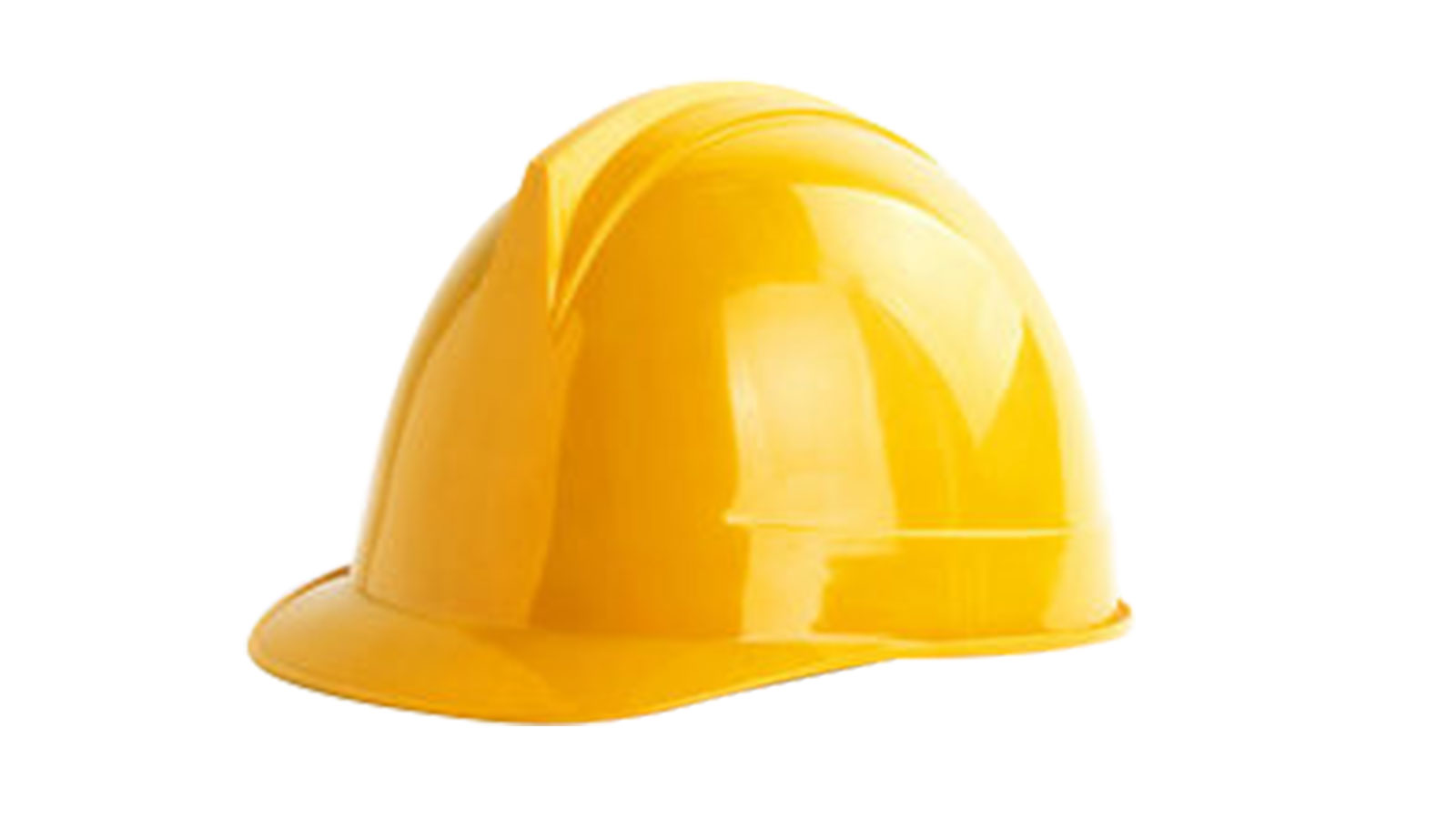
Safety helmet with twin ribs
Company: Changzhou YiYi International Trading Co. Ltd
Changzhou YiYi’s Y491 is a safety helmet for construction workers. It is made of ABS, PP or PE, and has two ribs for increased strength and durability, a back hoop knob for adjusting the fit and an adjustable chin band or strap with a buckle. It is available in red, blue, yellow, white, black and orange. This product can withstand a weight of 5kg falling onto it if dropped from a height of 1 meter.
MOQ: 1,000 units
Lead time: 10 to 15 days
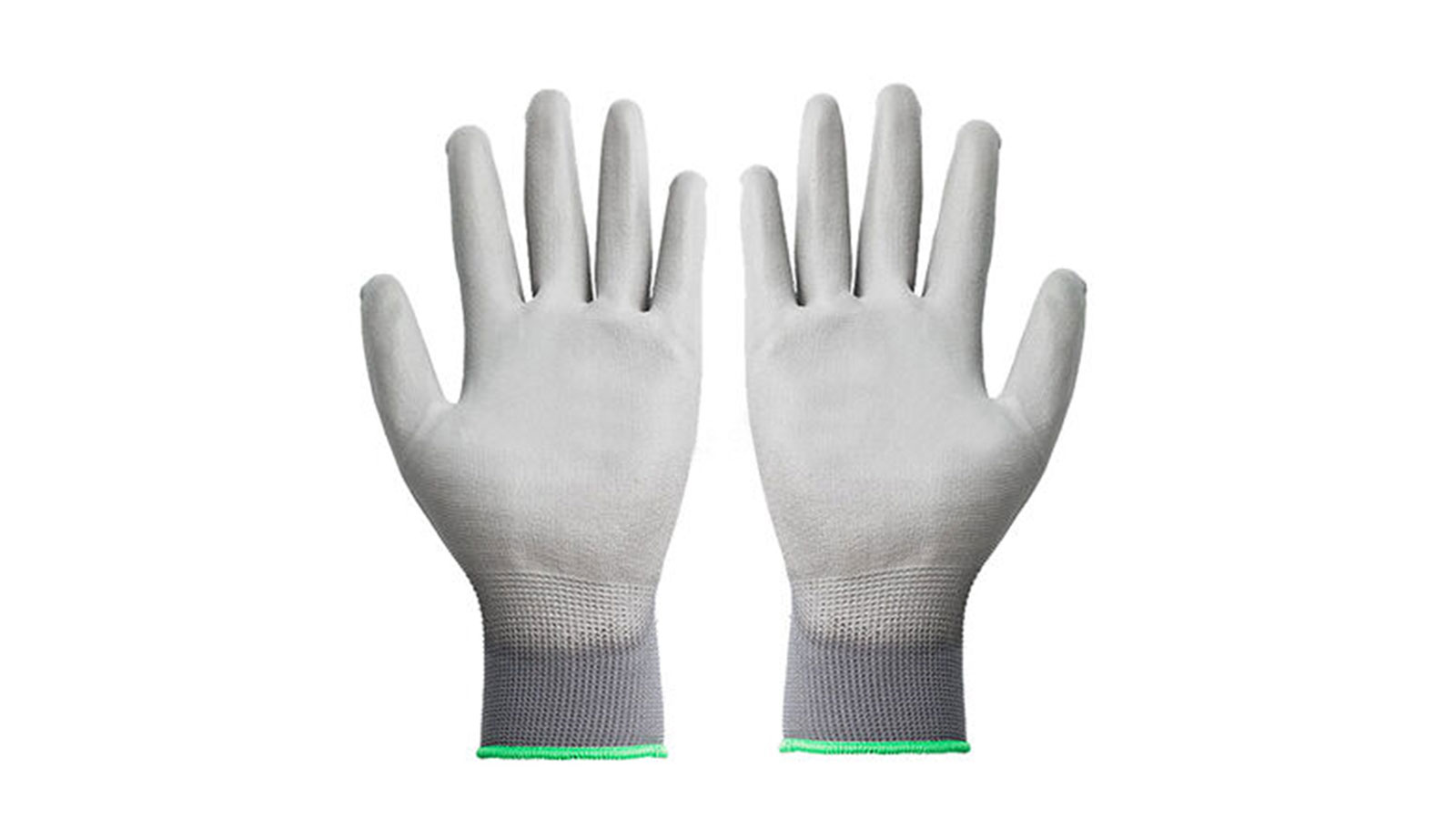
Anti-static gloves
Company: Nantong Shenghong Labour Protective Products Co. Ltd
Nantong Shenghong offers this pair of anti-static gloves, with model number 102-2693, for electronics manufacturing and automotive assembly. It is made of 13G knitted polyester, has PU coating on the palm side and comes in sizes S to XXL.
MOQ: 12,000 pairs
Lead time: 35 to 40 days
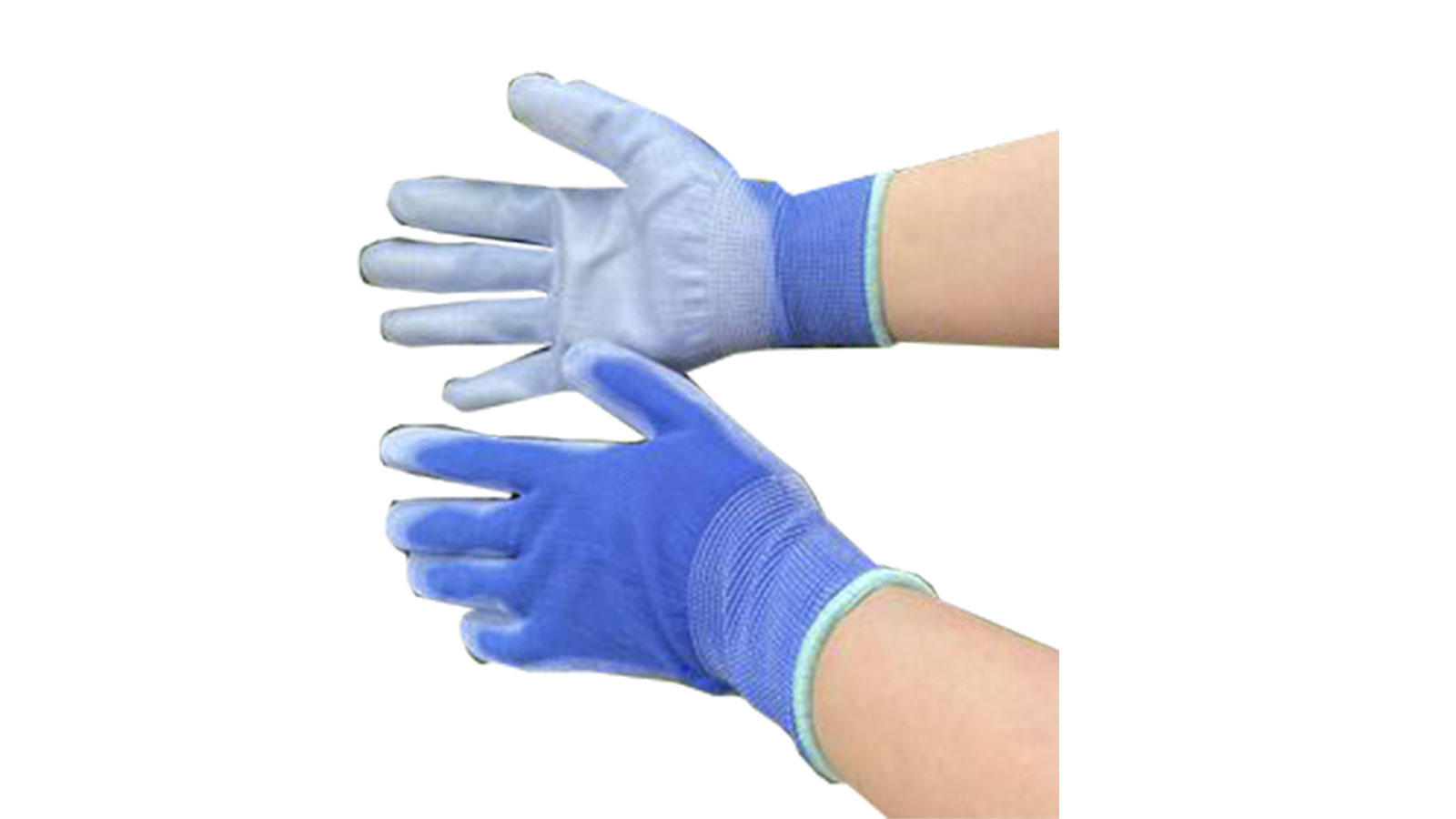
PU-coated glove palm, fingers
Company: Nantong Shenghong Labour Protective Products Co. Ltd
Model 102-0383 from Nantong Shenghong is a pair of blue safety gloves made of 13G knitted polyester with PU coating on the palm and fingers. This anti-static product, in sizes S to XXL, is designed for use in electronics manufacturing and automotive assembly.
MOQ: 12,000 pairs
Lead time: 35 to 40 days
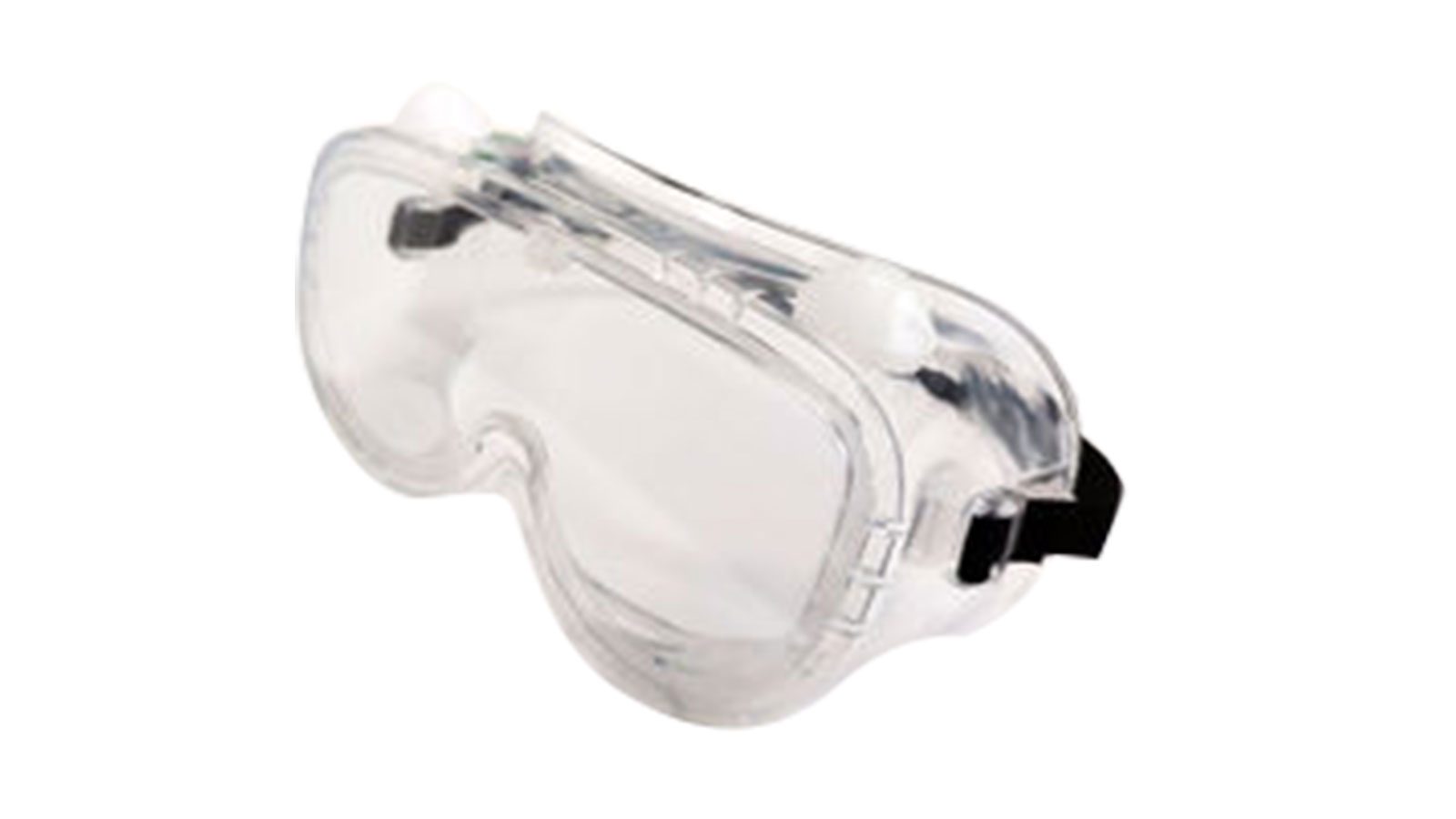
Optical class 1 goggles
Company: Ningbo Pacsion Imp. & Exp. Co. Ltd
Ningbo Pacsion offers the G-3101 safety goggles made of PVC and PC. This product has an optical class 1 rating and CE approval.
MOQ: 1,000 sets
Lead time: 10 to 15 days
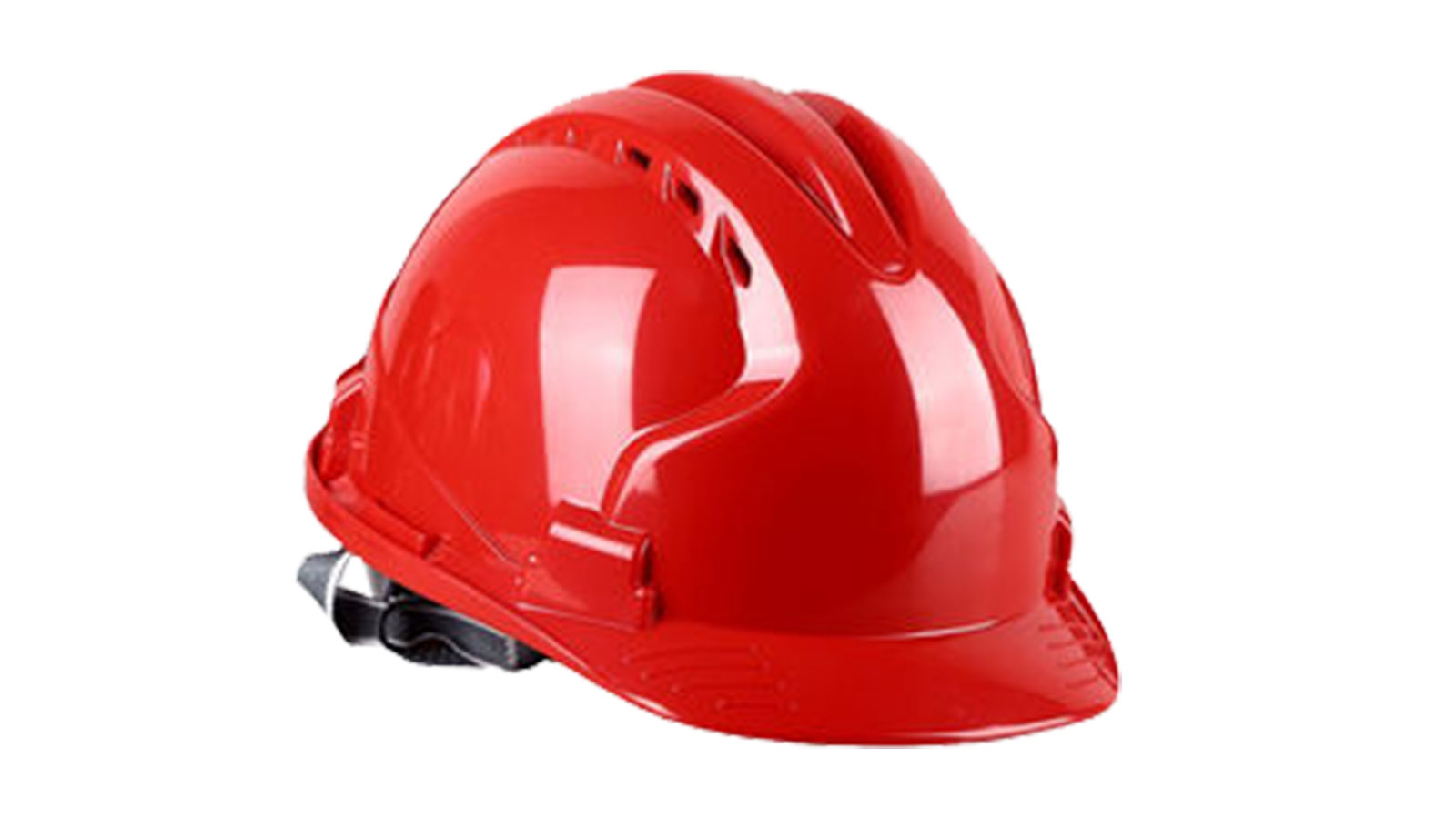
Helmet with hearing protection
Company: Xiamen Evergreen Technology Co. Ltd
Xiamen Evergreen’s EG-434 is a safety helmet with hearing protection. It is made of ABS and may have a coated, printed or plated surface treatment. This product measures 52 to 64cm with tolerance of ±0.2 mm.
MOQ: 100 sets
Lead time: 15 to 25 days
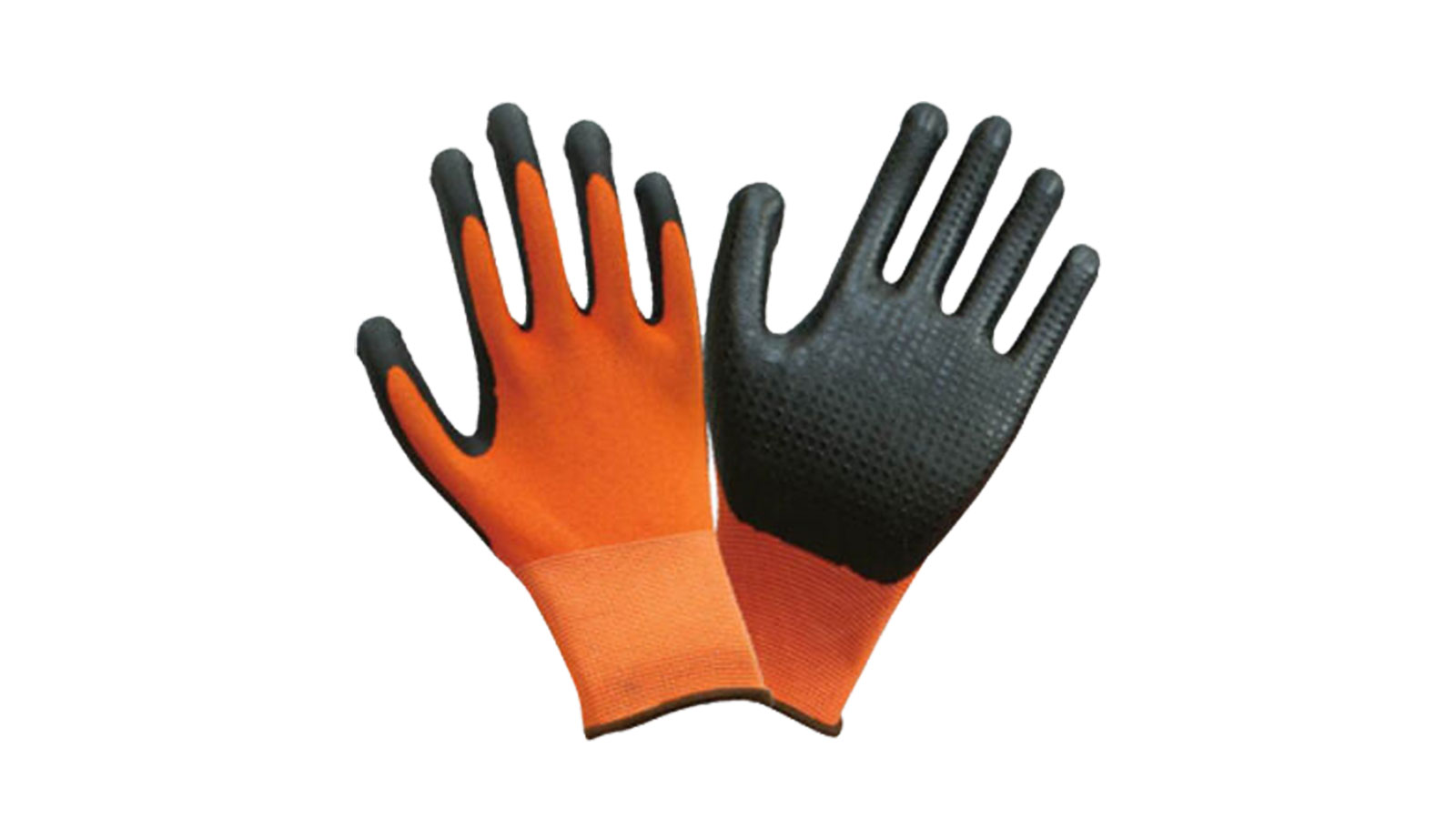
Microfoam nitrile gloves
Company: ZhangJiaGang YiTai Industry Products Co. Ltd
The YL1213 from ZhangJiaGang YiTai is a pair of safety gloves made of microfoam nitrile and has grip dots. It has a 3D snug fit for comfortable and secure wear and is water-repellent. This product has CE approval.
MOQ: 5,000 pairs
Lead time: 30 to 45 days

