




Expos are a powerful tool in the marketing arsenal of any business, providing a unique opportunity to showcase products, engage with potential customers, and network with industry peers. The primary goals of participating in an expo are to drive traffic to your booth and generate quality leads. This article outlines effective strategies to achieve these goals, ensuring a successful expo experience.
Table of Contents
1. Pre-Expo Strategies
Research and Planning
The foundation of a successful expo begins with thorough research and meticulous planning. Start by identifying your target audience and setting clear objectives for the event. Understanding who you want to reach will help tailor your approach. Select the right expo by considering its demographics and the type of attendees it attracts. This ensures that the event aligns with your business goals and audience.
Develop a detailed plan that includes budget allocation, resource management, and a timeline of activities. Assign responsibilities to team members and set measurable goals to track progress. This level of preparation will help you stay organized and focused.
Promotion and Outreach
Promotion is key to driving traffic to your booth. Utilize email marketing campaigns to inform your existing contacts about your participation in the expo. Highlight what they can expect and any special activities or promotions you will be offering. Leverage social media platforms to create pre-event buzz. Share behind-the-scenes preparations, teaser videos, and countdowns to build excitement. Collaborate with industry influencers and partners to expand your reach and credibility.
Consider using targeted advertising on platforms like LinkedIn, Facebook, and Instagram to reach a broader audience. Create compelling ad copy and visuals that emphasize the benefits of visiting your booth. Additionally, use hashtags related to the expo and your industry to increase visibility.
Content Creation
Engaging content is crucial for attracting and retaining attention. Develop informative and visually appealing content that highlights your products or services. Create promotional videos and blog posts that provide value and insight into what attendees can expect. Design eye-catching booth materials, including banners, brochures, and handouts, to ensure your booth stands out.
Invest in high-quality graphics and professional design services to create a cohesive and visually appealing brand presence. Consider creating interactive content, such as quizzes or polls, to engage your audience before the event. This can help build anticipation and interest.
2. On-Site Strategies
Booth Design and Layout
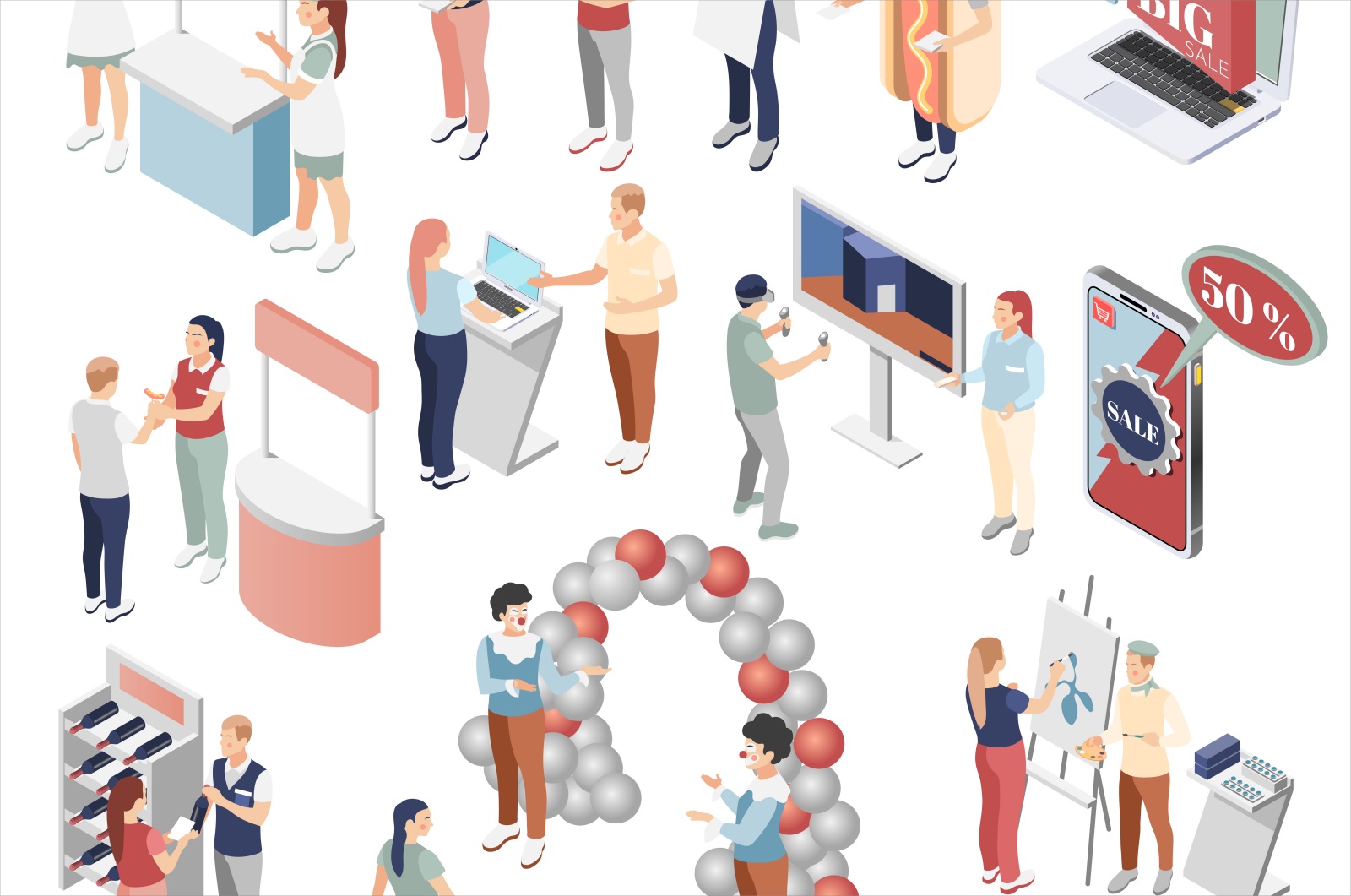
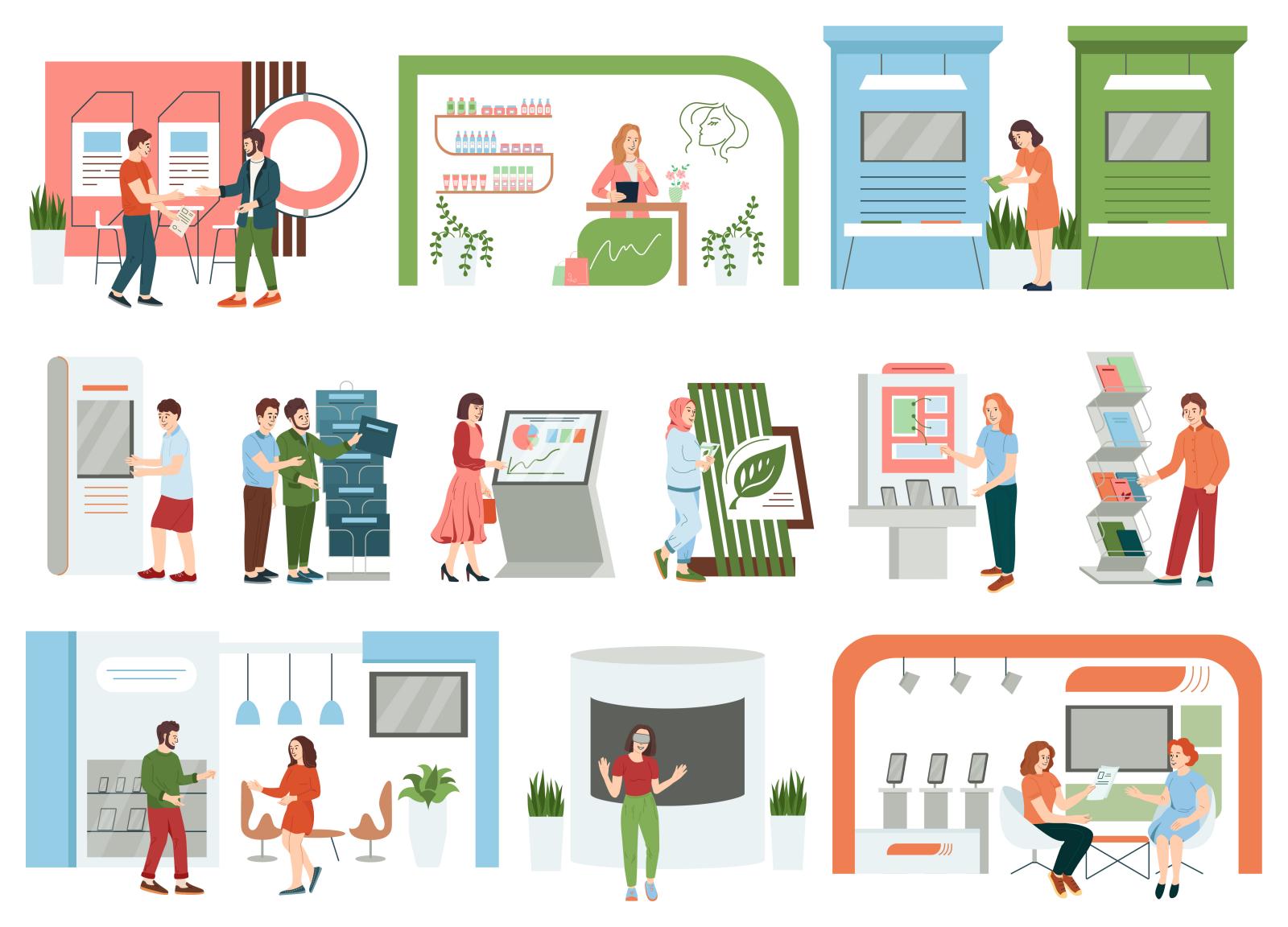
An attractive and functional booth design is essential for drawing in visitors. Invest in a professional and visually appealing setup that reflects your brand. Incorporate interactive elements such as touchscreens, VR experiences, or product demonstrations. Technology can enhance the visitor experience and make your booth more memorable.
Ensure that your booth is easily accessible and that there is ample space for visitors to move around. Use lighting strategically to highlight key areas and create a welcoming atmosphere. Display your branding prominently and ensure that your messaging is clear and concise.
Engagement Techniques
Effective communication and engagement are critical on the expo floor. Train your staff to be approachable, knowledgeable, and enthusiastic. Offer live demonstrations and product samples to give attendees a hands-on experience. Hosting contests, giveaways, and interactive activities can also attract crowds and encourage participation.
Equip your team with talking points and FAQs to ensure they can answer questions confidently. Encourage them to initiate conversations and actively engage with visitors. Collect business cards or scan badges to capture contact information for follow-up.
Data Collection
Collecting data is vital for post-expo follow-up. Use digital tools like QR codes and mobile apps to capture leads efficiently. Encourage visitors to sign up for newsletters or follow your social media channels for future updates. This not only helps in lead generation but also in building a long-term relationship with potential customers.
Consider using lead scoring to prioritize follow-ups based on the level of interest and engagement. This can help your sales team focus on the most promising leads first. Additionally, ensure that your data collection methods comply with privacy regulations and best practices.
3. Post-Expo Strategies
Follow-Up Communication
The work doesn't end when the expo does. Send personalized thank-you emails to everyone who visited your booth. Prompt follow-up shows professionalism and keeps your brand fresh in the minds of potential leads.
Include a summary of your offerings and any special promotions you mentioned during the expo. Personalize your emails by referencing specific conversations or interests expressed by the attendees. This personal touch can significantly increase the chances of converting leads into customers.
Lead Nurturing
Lead nurturing is essential for turning expo leads into long-term customers. Segment your leads based on their level of interest and engagement during the expo. Develop targeted email campaigns and content tailored to each segment. This could include product information, case studies, and testimonials that address specific pain points and interests.
Utilize marketing automation tools to streamline the lead nurturing process. These tools can help you send timely and relevant content to your leads, keeping them engaged and moving through the sales funnel. Regularly review and adjust your lead nurturing strategy based on performance metrics and feedback.
Measuring Success
Analyzing data and metrics from the expo is crucial for evaluating your success and improving future strategies. Track key performance indicators (KPIs) such as booth traffic, lead quality, and conversion rates. Compare these metrics against your initial objectives to determine your ROI.
Conduct a post-expo debrief with your team to discuss what worked well and what could be improved. Gather feedback from booth staff and attendees to gain insights into their experiences. Use this information to refine your approach for future expos and ensure continuous improvement.
4. Case Studies
Successful Expo Campaigns
Highlighting companies that effectively drove traffic and generated leads can provide valuable insights and inspiration. For example, a tech company that used interactive demos and VR experiences to attract visitors and collect leads saw a significant increase in booth traffic and lead quality. Another example could be a health and wellness brand that leveraged influencer partnerships and social media campaigns to create buzz and drive traffic to their booth.
Lessons Learned
Analyzing both successes and challenges from past expos can provide key takeaways and best practices. For instance, a company that struggled with booth engagement might learn the importance of having well-trained staff and interactive elements. Another company might realize the value of pre-expo promotion and targeted advertising in driving booth traffic.
5.FAQS
1. What are effective pre-expo promotion strategies?
Effective pre-expo promotion strategies include utilizing email marketing campaigns, leveraging social media platforms, collaborating with industry influencers, and using targeted advertising. Creating engaging content such as promotional videos and blog posts can also build excitement and anticipation. Additionally, consider reaching out to local media and industry publications to gain coverage and increase visibility. Hosting webinars or online Q&A sessions related to the expo can also generate interest and provide valuable information to potential attendees.
2. How can I make my booth stand out at an expo?
To make your booth stand out, invest in a professional and visually appealing setup that reflects your brand. Incorporate interactive elements like touchscreens, VR experiences, or product demonstrations. Use strategic lighting, clear branding, and concise messaging to attract and engage visitors. Ensure that your booth layout is inviting and allows for easy navigation. Offering refreshments or comfortable seating can also make your booth more appealing. Providing unique and memorable experiences will help differentiate your booth from others.
3. What engagement techniques work best on the expo floor?
Effective engagement techniques include training staff to be approachable and knowledgeable, offering live demonstrations and product samples, and hosting contests or giveaways. Interactive activities and clear communication can help draw in and retain visitors. Encourage your team to actively engage with attendees, ask questions, and listen to their needs. Personalizing interactions and providing tailored solutions can create a lasting impression. Consider using gamification elements, such as scavenger hunts or interactive quizzes, to increase engagement and make the experience fun.
Conclusion
Recap the key strategies for expo marketing, emphasizing the importance of thorough planning, effective promotion, engaging booth design, active on-site engagement, and diligent post-expo follow-up. Highlight the need for continuous improvement and adaptation based on feedback and performance metrics. Encourage businesses to implement these strategies to maximize their success at future expos.
Also Read:
- Expo Marketing: Strategies to Drive Traffic and Generate Leads
- Demand Generation vs Lead Generation: Key Differences
- 20 Strategies to Generate B2B Sales Leads in 2025
- What is B2B Lead Generation?
- Trade Show Leads: Generating and Converting Leads from Sourcing Fairs
- Show Genie: Revolutionizing Lead Collection in the Global Sources App
- Top Strategies for Capturing High-Quality Leads at Trade Shows

