




Table of Contents
The rise of Asian trends in global fashion
Historical influence and modern adaptation
Popular styles and their characteristics
Influencers and icons in Asian Men's Fashion
Seasonal trends and how they vary across Asia
Sustainable fashion: A growing movement in Asia
How to incorporate Asian fashion trends in your business
Asian designers and brands to watch out for
The future of Asian men's fashion
Asian fashion for men has surged onto the global stage, capturing the imagination of style enthusiasts worldwide. This phenomenon is not a recent occurrence; it's the culmination of a rich tapestry of cultural heritage, innovation, and the relentless pace of modernity that Asian countries have embraced.
The influence of Asian fashion has reached far beyond its continental borders, impacting the global fashion industry with its unique blend of tradition, cutting-edge design, and street-savvy style. Western designers often draw inspiration from the East, incorporating Asian elements into their collections, which speaks volumes about the region's impact on global trends.
The rise of Asian trends in global fashion
From Tokyo's eclectic streetwear to Seoul's sleek K-pop inspired looks, Asian trends have become increasingly prominent in fashion capitals around the world. International fashion weeks now eagerly anticipate the latest offerings from Asian designers, who are known for their fearless approach to texture, color, and silhouette.
This phenomenon reflects not only the growing economic power of Asian markets but also the increasing recognition of Asian cultural aesthetics and innovations worldwide. From streetwear to haute couture, Asian fashion trends are shaping consumer preferences and setting new standards across the globe.
Historical influence and modern adaptation
Asian men's fashion is deeply rooted in a historical context that dates back centuries. Traditional attire such as the Japanese kimono, the Chinese Hanfu, or the Indian Sherwani have all played a part in shaping contemporary fashion sensibilities in their respective cultures. These garments not only reflect cultural values and social status but also highlight the craftsmanship and textile traditions that have been passed down through generations.
Today's designers are reinterpreting these historical garments with a modern twist, creating pieces that respect tradition while fitting seamlessly into the modern man's wardrobe.
This fusion of old and new not only revitalizes ancient garments but also bridges the gap between past traditions and present-day trends. Designers explore innovative cuts, fabrics, and styling techniques to adapt historical silhouettes to modern lifestyles. For example, traditional kimono-inspired jackets may be tailored for a sleeker fit or paired with casual wear, making them suitable for everyday use.
Moreover, this reinterpretation extends beyond clothing to encompass accessories, footwear, and grooming trends influenced by Asian cultural motifs and craftsmanship. Designers often collaborate across borders, blending diverse influences to create unique collections that resonate globally.
Key fashion capitals in Asia
1. Tokyo: The avant-garde playground
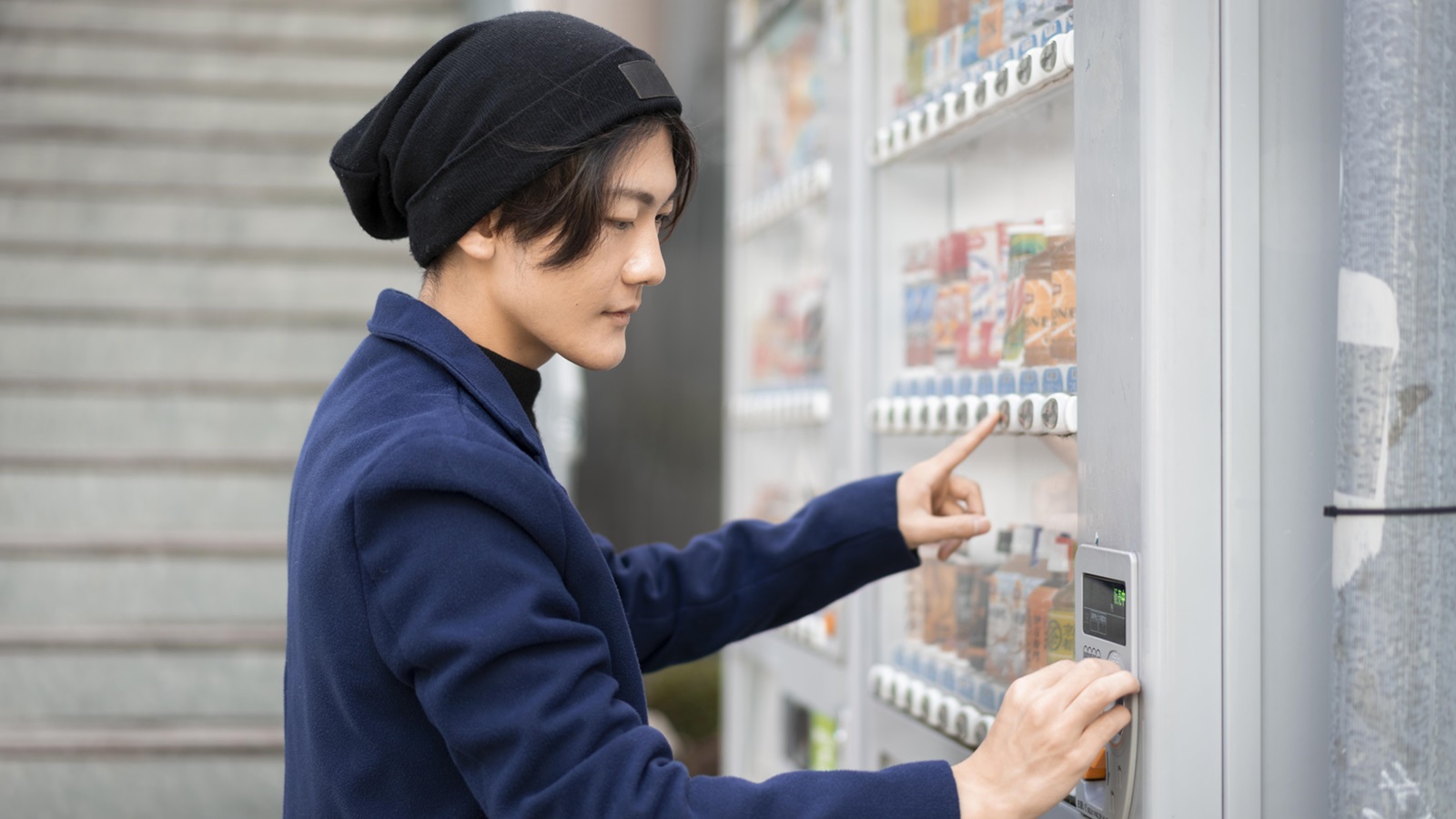
In Tokyo, fashion is an expression of individuality with districts like Harajuku leading the charge in avant-garde street style. Japanese men are unafraid to challenge norms, often mixing patterns, textures, and layers to create looks that are truly one-of-a-kind. They approach fashion with a sense of individuality and meticulous attention to detail. They experiment with contrasting colors, unconventional silhouettes, and unexpected accessories to create outfits that reflect their personal tastes and attitudes. This fearless approach to fashion not only inspires local trends but also influences global fashion movements, cementing Tokyo's reputation as a trendsetter in the international fashion arena. For B2B buyers, the city offers a wealth of product opportunities, including asymmetrical jackets and kimono-inspired blazers, graphic tees, textured trousers, oversized scarves, statement belts, bucket hats, experimental jewelry, and limited-edition sneakers. By sourcing these innovative and trend-forward items, businesses can offer unique products that stand out in competitive international markets.
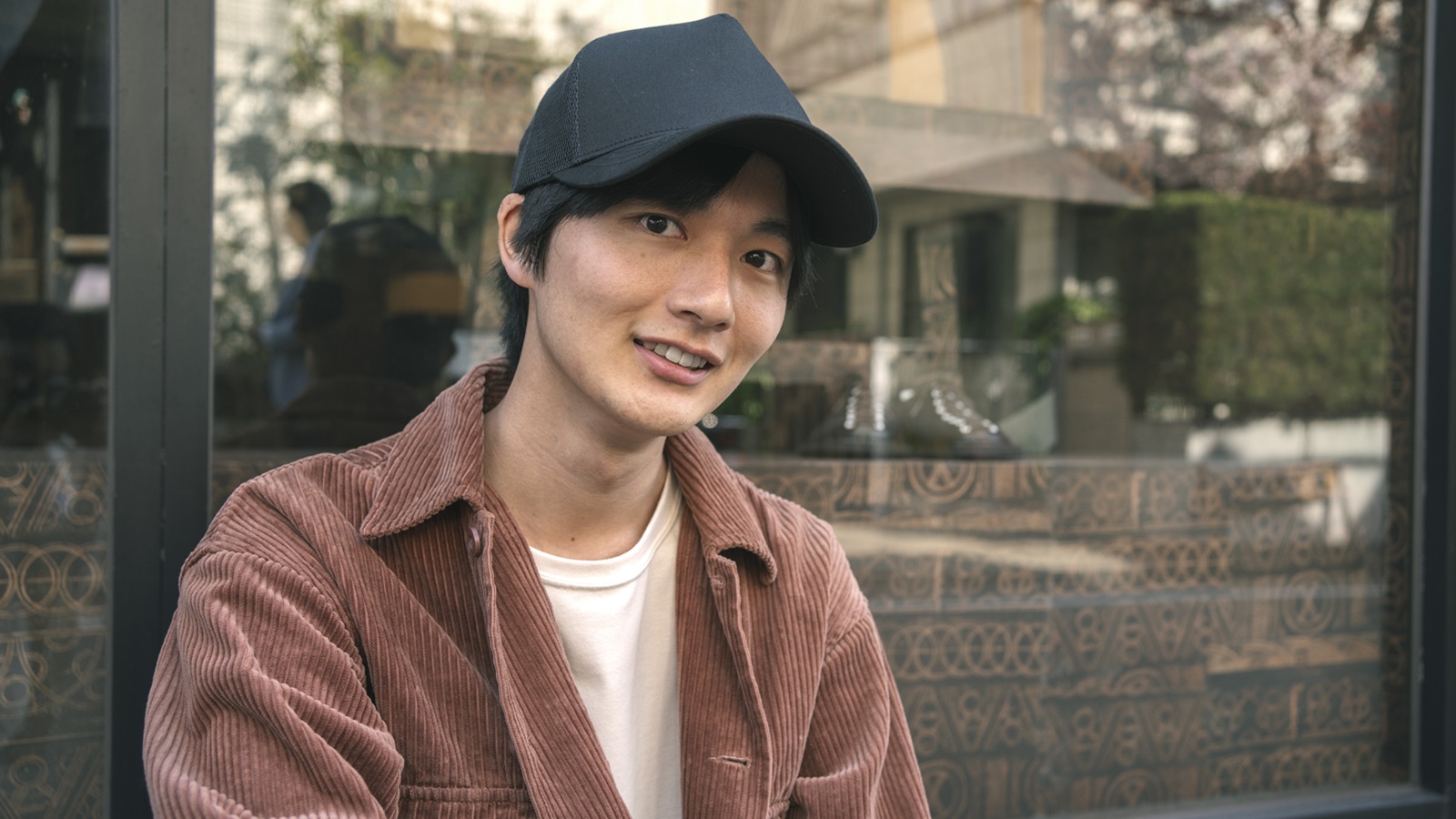
2. Seoul: K-Pop and streetwear synergy
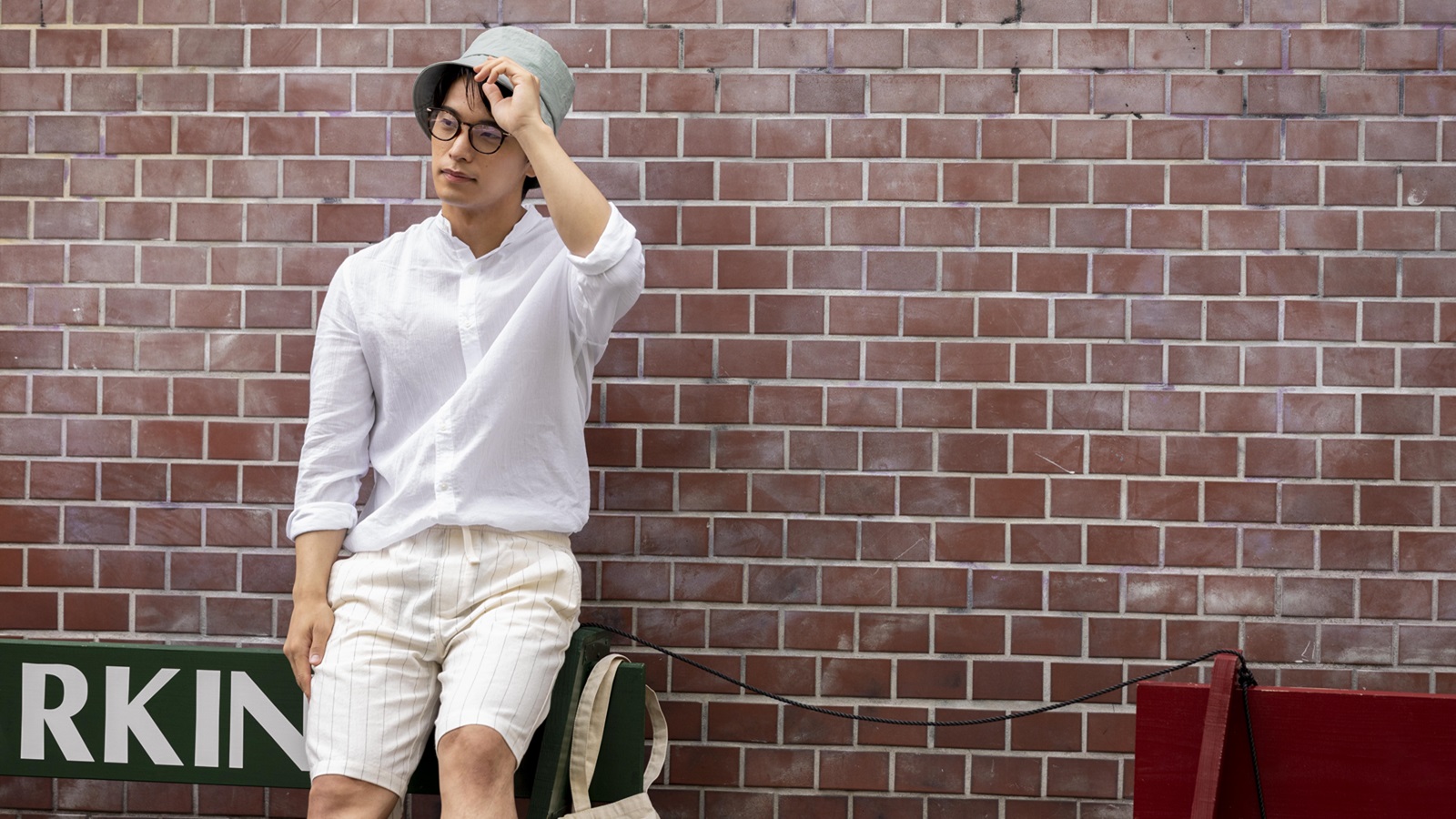
Seoul's fashion scene is heavily influenced by the global phenomenon of K-pop. The music industry has propelled Korean streetwear to international fame, with idols and fans alike donning oversized silhouettes, bold graphics, and an array of accessories. K-pop idols, renowned for their visually striking performances and music videos, often serve as trendsetters in the fashion world. Their influence extends beyond music to fashion choices that capture the imagination of fans worldwide. Idols and fans alike embrace Korean streetwear aesthetics characterized by oversized silhouettes, bold graphics, and a diverse array of accessories.
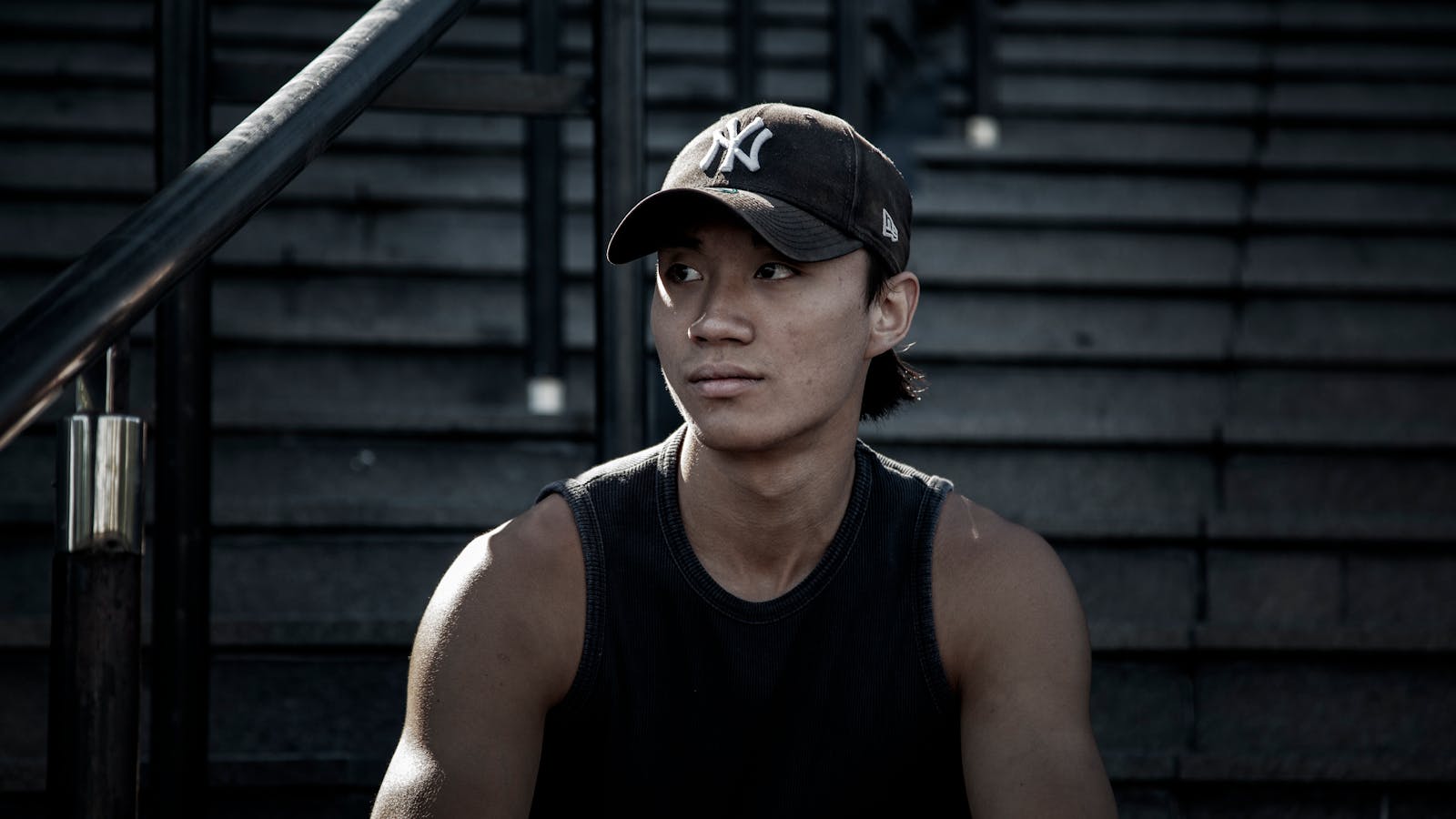
Seoul's fashion landscape continues to evolve with the rise of emerging designers and brands that blend traditional Korean aesthetics with contemporary streetwear influences. Fashion districts like Gangnam and Myeong-dong are hotspots for trendsetting styles, where local boutiques, concept stores, and flagship stores of global brands converge to create a dynamic fashion environment. Seoul offers a wealth of product opportunities that blend cutting-edge design with commercial appeal. These include oversized hoodies and sweatshirts, graphic tees and jackets, patterned pants, statement sneakers, baseball caps, bucket hats, crossbody bags, jewelry such as rings and chains, and even K-pop-inspired grooming products like designer eyewear and hair accessories. By sourcing these items, businesses can tap into the high global demand for Korean streetwear, appealing to younger demographics and trend-conscious consumers while positioning their offerings as distinctive, culturally relevant, and highly marketable.
3. Shanghai and Beijing: High fashion with Chinese characteristics
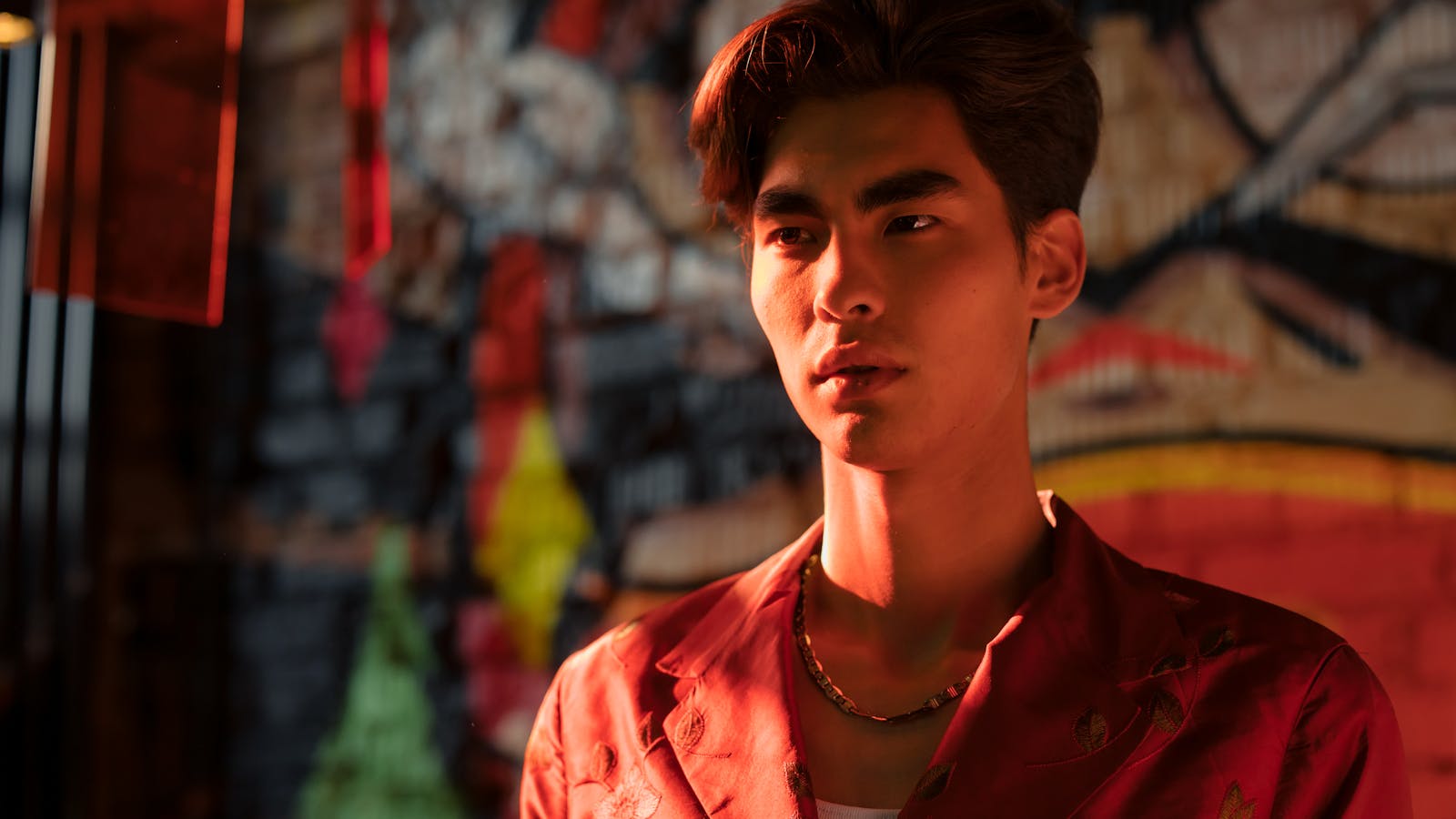
China's fashion capitals, Shanghai and Beijing, are at the forefront of high fashion with a distinctly Chinese flair. Designers here are marrying traditional motifs with contemporary design principles to create high-end pieces that are garnering worldwide acclaim. Traditional Chinese motifs, such as dragon patterns, floral embroideries, and silk fabrics, frequently inspire designs in both Shanghai and Beijing. These motifs are reinterpreted through modern techniques and innovative fabrics, ensuring that each garment tells a story of China's cultural legacy while appealing to modern sensibilities.

Shanghai, with its cosmopolitan energy and rich historical charm, has become a hub for designers seeking to blend innovation with tradition. Fashion weeks such as Shanghai Fashion Week highlight collections that combine avant-garde designs with luxurious, culturally inspired pieces. Designers often draw on traditional Chinese elements—silk fabrics, floral embroidery, and dragon motifs—reimagined with contemporary cuts, bold patterns, and modern textures. Beijing, China's political and cultural capital, also plays a pivotal role in shaping the country's fashion landscape. Designers in Beijing emphasize a fusion of traditional craftsmanship with contemporary fashion trends, creating pieces that resonate with both local and global audiences. The city's fashion scene is marked by its elegance and refinement.
4. Mumbai: The Bollywood effect on style
Mumbai’s influence on men’s fashion is deeply intertwined with Bollywood, where vibrant colors, luxurious fabrics, and elaborate embroidery set the tone for style trends across India and beyond. The film industry’s opulent costumes – sherwanis, bandhgalas, and kurta pajamas adorned with intricate embroidery, sequins, and beads – reflect India’s rich textile heritage and artisanal craftsmanship. This cinematic influence extends into every day and festive fashion, as men often emulate their favorite actors’ styles for weddings, cultural celebrations, and formal events.
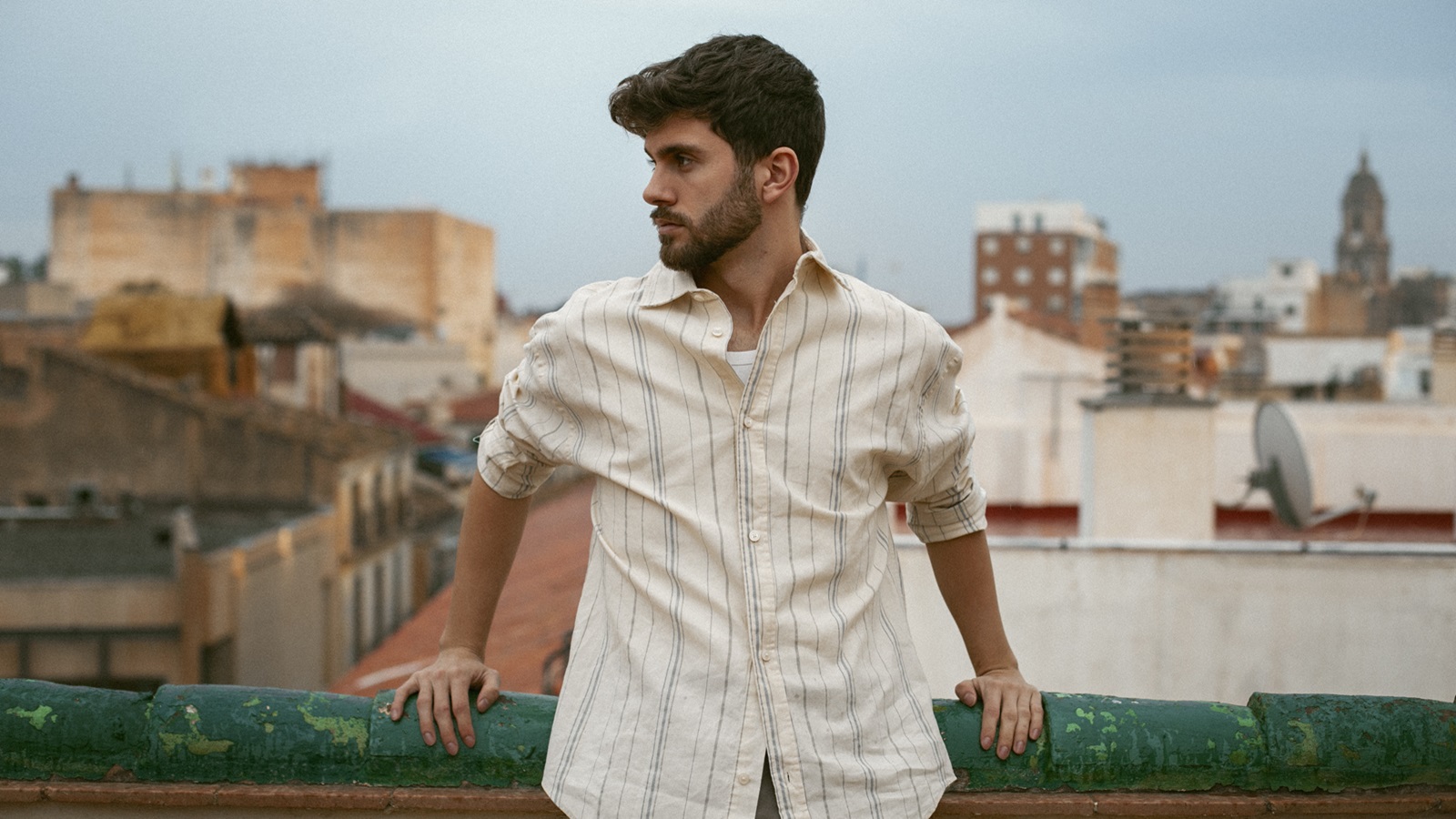
Mumbai presents a wealth of product opportunities that combine tradition with commercial appeal, including embroidered sherwanis and bandhgalas, festive kurta pajamas, designer Nehru jackets, hand-embroidered shawls and scarves, artisanal footwear such as mojris and juttis, statement turbans, and embellished accessories like cufflinks and belts. By sourcing these culturally inspired garments and accessories, businesses can tap into India’s thriving formal and festive menswear market, offering products that convey elegance, craftsmanship, and cultural authenticity to discerning consumers globally.
5. Hong Kong: The luxury shopping destination
Hong Kong's reputation as a luxury shopping destination and fashion capital is rooted in its blend of global influence, cultural diversity, and economic vibrancy. Whether exploring upscale shopping districts, discovering local designer boutiques, or attending prestigious fashion events, Hong Kong offers a compelling and sophisticated fashion experience that continues to attract fashion enthusiasts and industry professionals alike from across the globe.
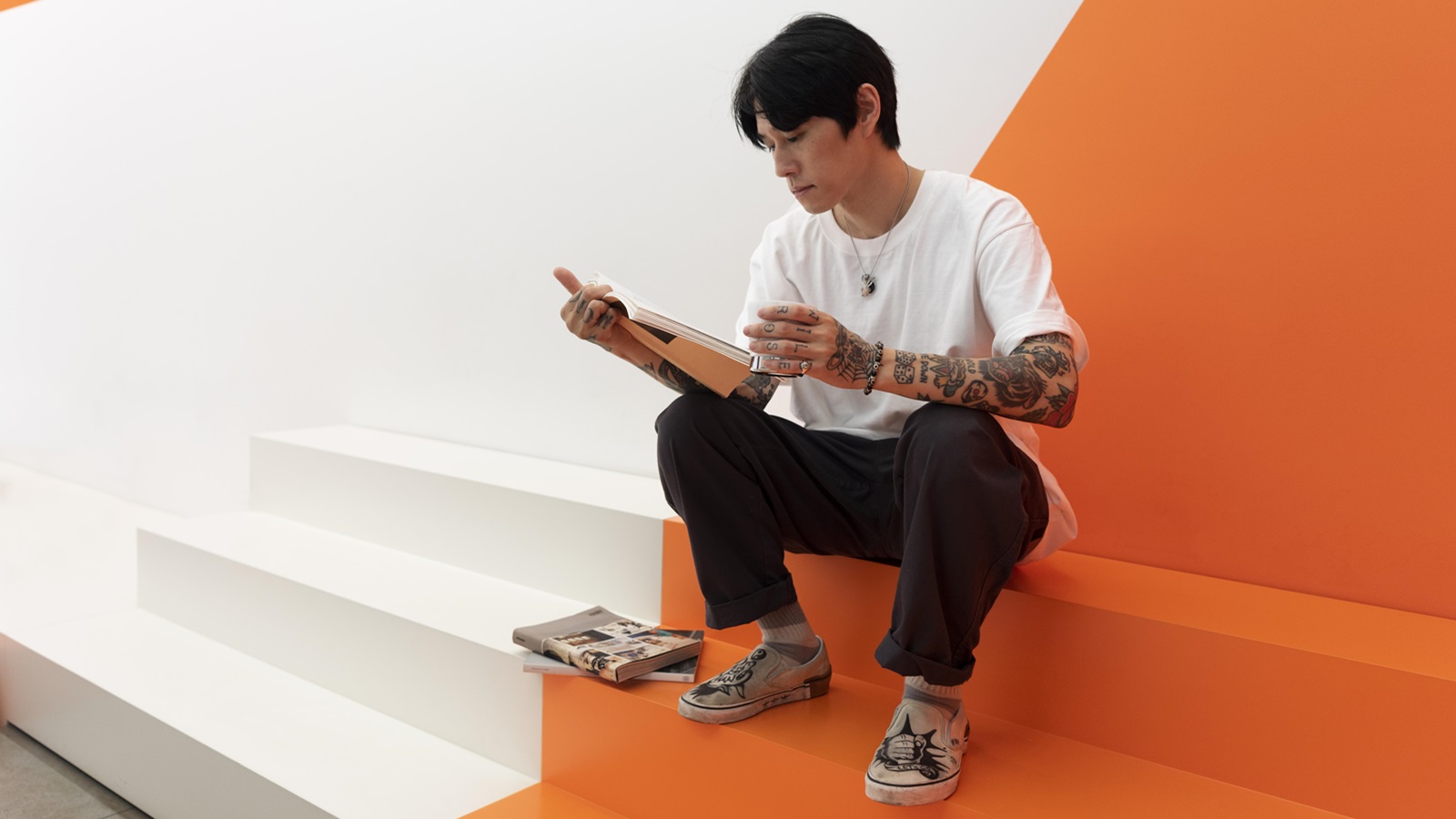
Hong Kong is a paradise for luxury shopping enthusiasts, with districts like Central, Admiralty, and Harbour City housing prestigious boutiques and flagship stores of renowned international brands. From high-end fashion labels to luxury watches and accessories, these shopping districts offer a premium shopping experience that caters to affluent consumers and fashion connoisseurs alike.
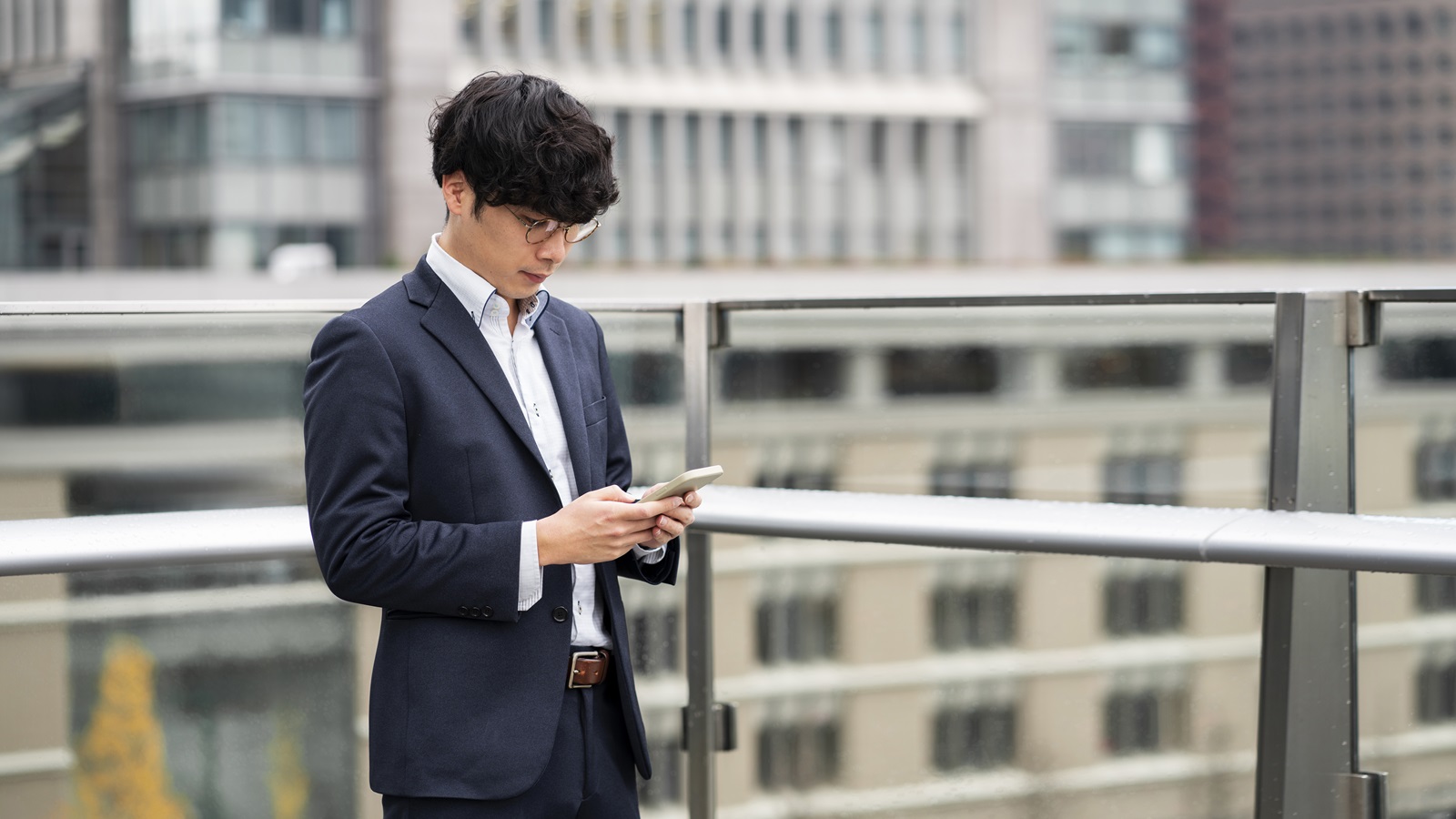
In recent years, Hong Kong has embraced streetwear and casual chic styles influenced by global fashion trends. Neighborhoods like Causeway Bay and Tsim Sha Tsui are hotspots for trendy boutiques, flagship stores of international brands, and local designers offering urban-inspired clothing, sneakers, and accessories. Hong Kong's street style scene is characterized by its versatility and eclectic mix of influences, appealing to fashion-conscious men who seek comfort without compromising on style.
Tailored suits, designer outerwear, limited-edition sneakers, statement watches, leather goods, high-quality belts, premium bags, and upscale fashion accessories are some of the products inspired by Hong Kong’s luxury and streetwear scene that B2B buyers can offer to global markets. These items reflect the city’s mix of sophistication, trend-conscious style, and urban edge, allowing businesses to cater to affluent consumers, fashion-forward professionals, and younger, style-savvy audiences worldwide.
6. Singapore: Where cultures come together
Men's fashion in Singapore is characterized by its blend of sophistication, versatility, and multicultural influences, reflecting the city-state's cosmopolitan identity and diverse cultural heritage. From tailored elegance to contemporary streetwear, Singapore offers a dynamic fashion landscape that caters to a wide range of styles and preferences.

Singapore's multiculturalism is reflected in its fashion, with designers and brands blending traditional Asian elements with contemporary Western influences. Local designers often draw inspiration from Singapore's diverse cultural tapestry, incorporating motifs, fabrics, and silhouettes that reflect Malay, Chinese, Indian, and Peranakan heritage. This fusion of styles creates unique collections that celebrate cultural diversity while appealing to a global audience.
For B2B buyers and sourcing professionals, this fusion of styles presents a variety of product opportunities, including tailored shirts and jackets with heritage-inspired prints, versatile casual wear, minimalist yet culturally infused suits, patterned scarves and shawls, artisanal bags, statement footwear, and fashion-forward accessories that blend tradition with modernity. By offering these products, businesses can cater to international consumers seeking unique, culturally informed, and contemporary fashion pieces that stand out in a competitive market.
Popular styles and their characteristics
1. Streetwear: The urban pulse
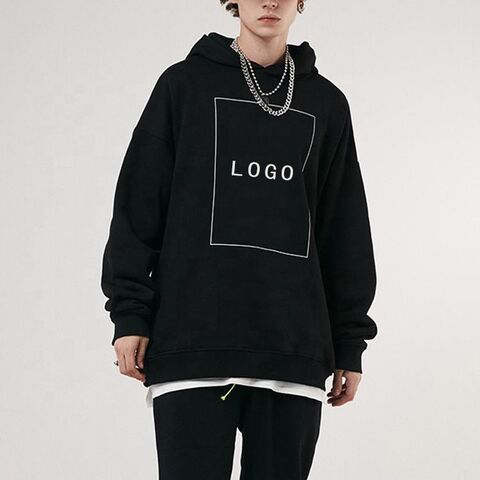
Custom Hoodie women and man's Streetwear Solid Color Hoodie Fleece Pullover Sweatshirt Women Hoodies
Asian streetwear is characterized by its boldness and innovation. It often involves a mix of high-end brands with local street labels, creating an eclectic style that's both upscale and accessible. This juxtaposition allows individuals to curate personalized looks that reflect their individuality and fashion sensibilities.
Brands like A Bathing Ape (BAPE) from Japan, Supremebeing from China, and Wooyoungmi from South Korea have become household names, influencing street style around the world.
2. High fashion: Asia's luxury facet
Asian designers have made waves in the international high fashion scene. Figures like Rei Kawakubo, Yohji Yamamoto, and Han Chong have become icons known for their visionary approach to luxury fashion.
Luxury Asian fashion often features deconstructed silhouettes, innovative use of fabrics, and a strong emphasis on artisanal craftsmanship. These elements combine to create garments that not only exude elegance but also highlight the rich cultural heritage and meticulous attention to detail prevalent in Asian fashion.
3. Casual and everyday wear: Comfort meets style
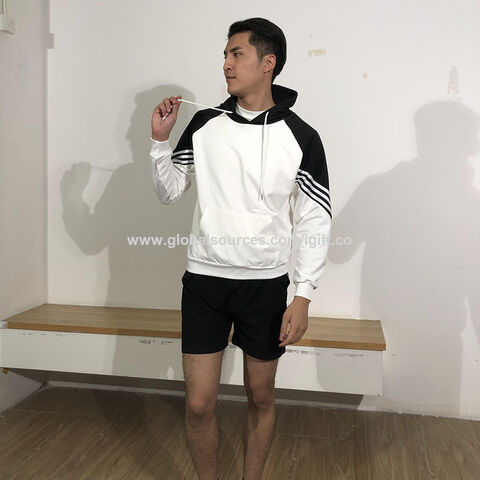
Fast Delivery Wholesale Basic Black White Hoodie New Design Street Wear Custom Men's Hoodie
Comfort is key in casual Asian menswear. Soft fabrics, loose cuts, and minimalistic designs make for a relaxed yet stylish look that suits the fast-paced lifestyle of modern Asian cities and allows men to navigate the bustling streets and crowded subways with ease and comfort. This focus on functionality and style resonates with the modern Asian man who values both practicality and aesthetics. From breathable linen shirts to lightweight cotton trousers, Asian menswear offers a comfortable and stylish solution for everyday living.
4. Traditional attire: Cultural richness in fashion
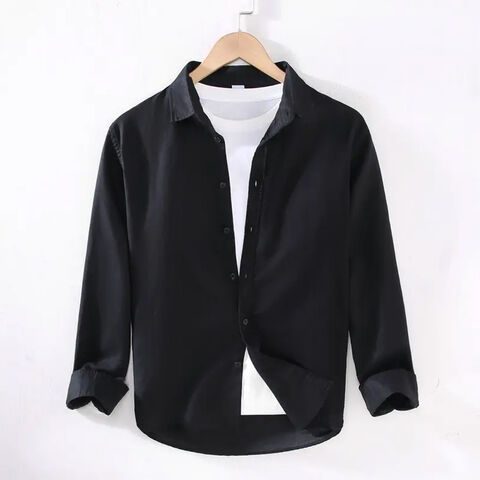
New supplier Men's long-sleeved casual shirts Street Wear Shirts Linen Cotton Casual Shirts for Men
Ethnic garments continue to hold a special place in Asian men's fashion. While traditionally reserved for special occasions, these garments are experiencing a revival among younger generations who are embracing their cultural roots and reinterpreting traditional styles for modern living. This trend reflects a growing desire to connect with their heritage while expressing their individuality through fashion. From the intricate embroidery of Chinese silk robes to the bold prints of Indian kurtas, ethnic garments offer a unique and stylish way for Asian men to showcase their cultural pride. Designers are incorporating traditional elements into contemporary designs, creating a fusion of heritage and modernity that appeals to a wider audience. This fusion of tradition and contemporary style allows younger generations to connect with their cultural roots while expressing their own unique sense of style.
Influencers and icons in Asian Men's Fashion
Celebrities in Asia often set the tone for what's hot in men's fashion. Their choices on and off-screen or stage can lead to trends that ripple through the fashion industry. Fashion icons like G-Dragon, Kris Wu, Lee Min-ho, Jackson Wang, Hu Bing and Takuya Kimura have established themselves as trendsetters, influencing millions with their unique and captivating styles. These celebrities, with their diverse styles and immense influence, play a significant role in shaping Asian men's fashion. They inspire individuals to experiment with different trends, embrace their unique sense of style, and express their individuality through fashion.
Seasonal trends and how they vary across Asia
Fashion trends across Asia are dynamic and diverse, shaped by cultural heritage, climate, and the evolving global fashion landscape. For B2B buyers and sourcing professionals, understanding these regional and seasonal variations is essential to select products that resonate with target markets. In East Asia, including China, Japan, and South Korea, menswear trends lean toward tailored, polished styles, with suits, dress shirts, tailored trousers, leather shoes, and luxury outerwear dominating, while urban streetwear such as hoodies, graphic tees, statement sneakers, and layered casualwear also plays a key role. Southeast Asia, including Singapore, Thailand, Indonesia, and Vietnam, favors relaxed, casual styles suited to tropical climates, presenting sourcing opportunities in lightweight T-shirts, shorts, breathable linen trousers, sandals, casual sneakers, hats, sunglasses, and crossbody bags. In South Asia, traditional garments such as kurtas, dhotis, sherwanis, bandhgalas, and embroidered shirts remain highly popular, particularly for festive occasions and formal events, with modern reinterpretations like tailored ethnic jackets and embellished casualwear gaining traction.
Spring/Summer trends
Seasonally, spring and summer trends emphasize comfort and breathability without sacrificing style. Products such as short-sleeved shirts and polos in pastels or floral prints, lightweight trousers and shorts, sandals, espadrilles, casual sneakers, and accessories like hats, canvas bags, and sunglasses are in high demand.
Fall/Winter trends
During fall and winter, layering and warmth become essential, creating sourcing opportunities in wool, tweed, and cashmere coats and jackets, sweaters, long-sleeved shirts, tailored trousers, jeans, boots, loafers, and seasonal accessories like scarves, gloves, and leather belts. Colors shift toward earthy tones, with bolder hues providing seasonal accents, catering to urban consumers who value both style and functionality.
Sustainable fashion: A growing movement in Asia
Sustainability is becoming increasingly important in Asian fashion. Asian consumers are increasingly seeking out brands that prioritize sustainability in their production processes. This shift is driven by a growing awareness of the environmental and social impact of the fashion industry, with concerns about pollution, resource depletion, and ethical labor practices taking center stage. Asian fashion brands are responding to this demand by adopting sustainable materials and practices. Organic cotton, recycled polyester, and Tencel are gaining popularity as eco-friendly alternatives to conventional fabrics. Brands are also implementing water-saving techniques, reducing waste, and exploring innovative recycling initiatives.
How to incorporate Asian fashion trends in your business
The vibrant and diverse landscape of Asian fashion offers a wealth of inspiration for businesses looking to tap into new trends and cater to a global audience. Here are some ways to incorporate Asian fashion trends into your business:
1. Research & identify
Stay ahead of the curve by researching emerging trends in Asian fashion. Analyze popular platforms, attend events, and partner with Asian brands that align with your target audience.
2. Source products
Explore online marketplaces and trade shows to connect with Asian suppliers and manufacturers. Choose brands that prioritize sustainability and offer unique, stylish products.
3. Adapt to your market
Consider cultural context and preferences when adapting trends. Modify designs and offer a variety of options to cater to diverse tastes.
4. Promote diversity & inclusivity
Highlight the cultural heritage and craftsmanship behind Asian fashion. Collaborate with Asian designers and influencers to showcase their perspectives.
5. Prioritize sustainability
Choose brands that prioritize sustainable practices and offer eco-friendly, ethically sourced products. Promote transparency and traceability in your supply chain.
By following these steps, you can successfully incorporate Asian fashion trends into your business, offering unique and stylish products while promoting cultural diversity and sustainability.
The Asian fashion landscape is a vibrant mix of established names and emerging talent, each offering unique perspectives and innovative designs that are shaping global trends. In China, designers such as Feng Chen Wang and Angel Chen are gaining international recognition for their avant-garde menswear and bold East–West fusion styles, while Taiwan’s Shiatzy Chen continues to merge traditional craftsmanship with modern luxury. South Korea has produced influential labels like Wooyoungmi, known for its minimalist tailoring, and Blindness, celebrated for conceptual, gender-fluid designs. Emerging designers like Juun.J further reinforce South Korea’s reputation for innovative street-tailored fashion.
Asian designers and brands to watch out for
The Asian fashion scene is a vibrant tapestry of emerging talent and established names, each offering unique perspectives and innovative designs. From China's avant-garde designers like Feng Chen Wang and Susan Fang to Japan's experimental talents like Rokh and Tomo Koizumi, these rising stars are making their mark on the global stage. South Korea's minimalist designers like Minju Kim and Wooyoungmi are showcasing their innovative and elegant designs, while brands like Blindness are embracing a darker and romantic aesthetic.
Beyond these prominent names, designers and brands like Sejauh Mata Memandang (Indonesia), Rêve En Vert (Singapore), and Charles & Keith (Singapore) are gaining recognition for their sustainable practices, trendy designs, and affordable options. These up-and-coming Asian designers and brands are shaping the future of fashion, offering fresh perspectives, inspiring a new generation, and reminding us that the future of fashion is diverse, innovative, and full of exciting possibilities.
In Southeast Asia, Indonesia’s Sejauh Mata Memandang stands out for its sustainable, slow-fashion approach, blending traditional textiles with circular design practices. Singapore’s Charles & Keith has grown into a globally recognized brand for footwear and accessories, offering trend-driven products with scalability and wide market appeal. While some previously cited names, such as Rêve En Vert, operate primarily as curated marketplaces rather than local brands, they reflect the growing global emphasis on sustainability and ethical sourcing.
For B2B sourcing professionals, these designers and brands represent a mix of premium, trend-forward, and sustainable products. From avant-garde apparel and minimalist menswear to artisanal accessories and eco-conscious collections, Asian designers are offering compelling opportunities for buyers seeking differentiation, innovation, and culturally relevant products for international markets.
The future of Asian men's fashion
The future of Asian men's fashion is a dynamic blend of tradition and modernity. Expect to see a rise in contemporary designs that reinterpret classic patterns, fabrics, and silhouettes, offering a unique fusion of old and new. Individuality will reign supreme, with men embracing their unique style and cultural heritage while experimenting with new trends.
Sustainability is set to play a central role in shaping the market. Eco-friendly materials, ethical labor practices, and supply chain transparency are no longer optional—they are increasingly critical for global buyers and brands. Technology will also continue to influence how fashion is designed, produced, and consumed, offering opportunities for digital product experiences, virtual try-ons, and tech-enhanced manufacturing processes.
Global influences will remain important, yet Asian fashion is expected to retain a unique identity, blending international trends with local cultural elements to create a truly global style narrative. Comfort and functionality will be prioritized, with versatile, active-lifestyle–ready pieces becoming standard. Fashion will increasingly serve as a medium for storytelling, allowing men to convey personal narratives, cultural pride, and individual expression. Inclusivity and diversity will broaden the market, with designs catering to a wider range of body types, ethnicities, and gender identities. A focus on wellness and mindfulness will also shape product development, resulting in clothing that emphasizes natural materials, ergonomic design, and overall well-being.
Conclusion: The global impact of Asian men's fashion
Asian men’s fashion has firmly established itself on the global stage, influencing designers, brands, and consumers worldwide. The interplay between tradition and innovation is more than a trend – it is a cultural dialogue that enriches both Eastern and Western fashion perspectives.
For sourcing professionals and business owners, this ongoing evolution presents opportunities to offer products that reflect authenticity, innovation, and style. From heritage-inspired garments to forward-thinking streetwear, sustainable fabrics, and tech-integrated designs, Asian fashion continues to shape global consumer preferences. As new generations of designers and trendsetters emerge, the influence of Asian aesthetics on international fashion is set to expand, offering B2B buyers a unique chance to curate collections that are culturally informed, market-ready, and globally relevant.
For procurement specialists, entrepreneurs, supply chain coordinators, and B2B buyers, understanding market dynamics is essential for making strategic product decisions. In today’s retail and distribution landscape, businesses increasingly seek long-term partnerships with trusted manufacturers. At the same time, the digital era has made identifying and vetting suppliers faster, safer, and more efficient through online B2B marketplaces.
Global Sources stands out as a leading platform in this space. With over five decades of experience, it has become a premier engine of international B2B commerce, trusted for reliable and secure sourcing. The platform serves more than 10 million registered buyers worldwide, including 97 of the top 100 global retailers, and extends its reach to online merchants on platforms such as Amazon, Temu, Wish, eBay, Shein, Walmart, and Etsy.
Global Sources connects buyers with a curated network of verified suppliers from major manufacturing hubs, including China, Vietnam, South Korea, and India. This provides access to a diverse range of products – from fashion and accessories to electronics, home goods, and lifestyle items – offering sourcing professionals an efficient way to identify market-ready products, evaluate suppliers, and build strategic business relationships. By leveraging Global Sources, businesses can streamline procurement, reduce risk, and gain a competitive edge in a rapidly evolving global marketplace.
You May Also Like: Regional and Specific Fashion Trends
- Spain Fashion Trends
- Pakistan Fashion Trends
- Nashville Fashion Trends
- Dubai Fashion Trends
- Chinese Fashion Trends
- Asian Men's Fashion
- Winter Plus Size Fashion
- Men's Sock Fashion
- Strange Fashion Trends
- Pink and White Outfits
- Fashion Trend Forecasting
- Men's Autumn Fashion

