




Pakistani fashion is known for its unique cultural heritage and diverse design styles. Whether it is traditional clothing or modern fashion, Pakistan's fashion industry has demonstrated strong creativity and innovation. This article will explore the latest fashion trends in Pakistan and introduce several designers to watch.
Table of Contents
History and Background of Pakistani Fashion
Fashion Events and Exhibitions
Impact of the fashion industry
History and Background of Pakistani Fashion
Pakistan's fashion landscape is a rich tapestry woven from centuries of tradition and evolving modern influences. Traditional clothing like the Shalwar Kameez and Sari hold deep cultural and historical significance. The Shalwar Kameez, consisting of loose pants (Shalwar) and a long tunic (Kameez), is celebrated for its comfort and practicality, widely worn in daily life and at significant events. The Sari, an elegant length of fabric, typically silk or cotton, draped around the body, embodies feminine grace and is a staple for formal occasions.
Over time, Pakistani fashion has transformed, blending tradition with contemporary styles. The mid-20th century saw Western fashion's gradual influence, leading designers to fuse Western elements with traditional garments, creating unique hybrid styles. Today, Pakistani fashion retains its cultural essence while embracing global diversity, resulting in a vibrant and dynamic scene. According to data released by the Pakistan Bureau of Statistics (PBS), textile exports recorded a significant increase of 9.31% during the first eight months of the current fiscal year (July-February 2024-25) compared to the same period last year, reflecting steady growth in the country's textile sector.
Latest Fashion Trends
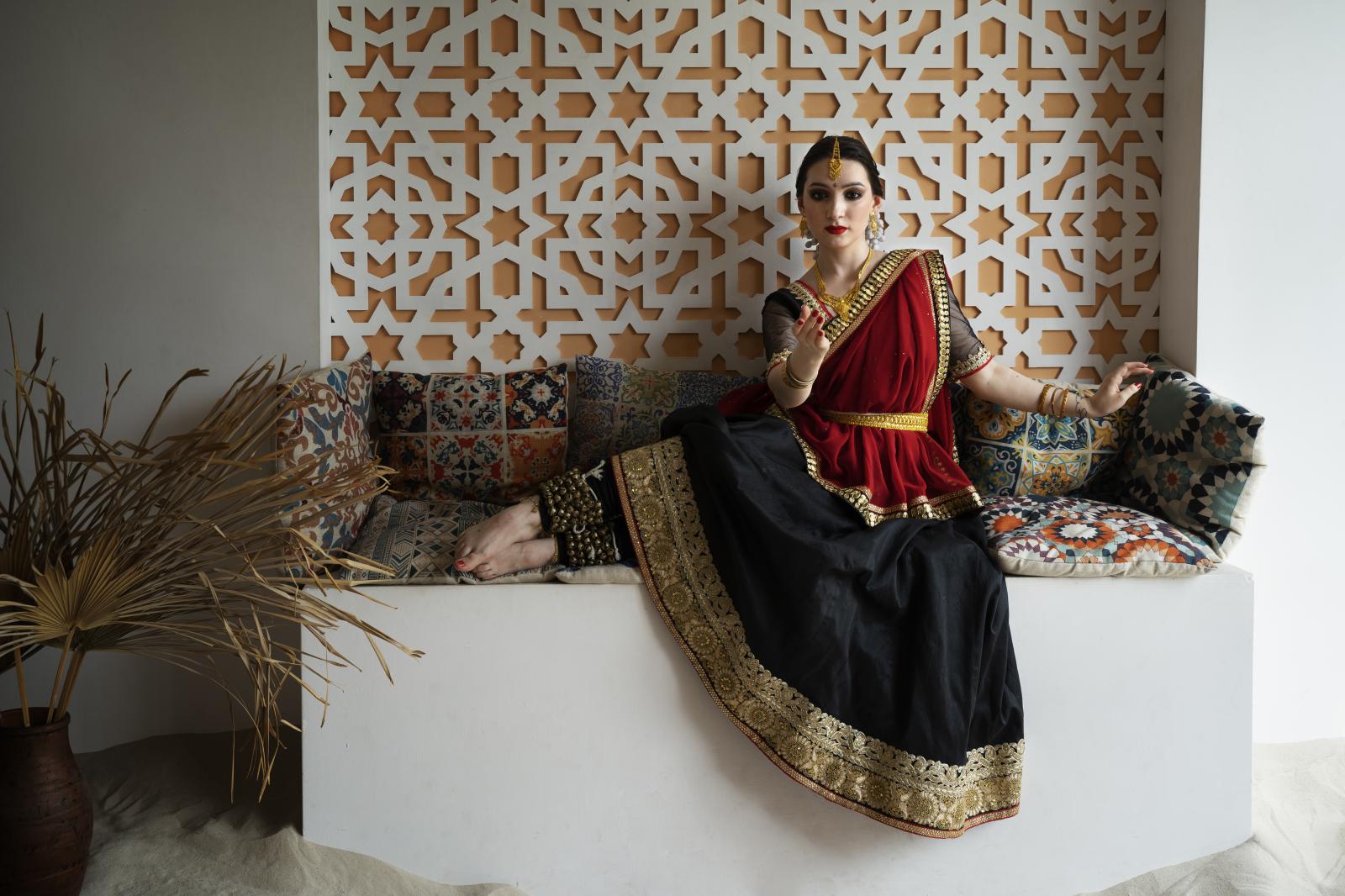
The Pakistani fashion industry currently showcases a diverse range of trends. Color palettes range from vibrant hues like red, blue, and green to elegant neutral tones. For instance, bright yellows and oranges are often featured in spring and summer collections, symbolizing vitality, while deeper shades of blue, burgundy, and green dominate autumn and winter, exuding sophistication.
Design elements such as intricate embroidery, unique prints, and high-quality fabrics are hallmarks of Pakistani fashion. Traditional embroidery techniques like Zardozi and Aari are extensively used, adding ornamentation and preserving cultural heritage. "Embroidery is not just a design element; it's a narrative of our history and craftsmanship," says renowned designer Bunto Kazmi in a profile by Newsline Magazine. Geometric, floral, and abstract patterns are popular in prints, creating visual richness. Fabrics like silk, cotton, and chiffon are favored for their comfort and luxurious feel.
In terms of style, designers blend traditional and modern elements to create culturally rich and fashionable clothing. The classic Shalwar Kameez is updated with contemporary features like asymmetrical hemlines and unique necklines, revitalizing the traditional silhouette.
Seasonal Fashion
Pakistani fashion trends are highly influenced by seasonal changes. In spring and summer, lightweight fabrics and bright colors dominate, with designers using breathable materials like cotton and silk to create comfortable and stylish clothing. Light chiffon and silk dresses are popular for summer weddings and festivals, offering both coolness and elegance.
In autumn and winter, heavier fabrics and darker tones prevail. Warm materials like wool and velvet are widely used, with designs often emphasizing sophistication and warmth. For weddings and formal events during these seasons, designers frequently choose thick silk and velvet, enhanced with intricate embroidery and beadwork to create luxurious ensembles.
Pakistani Designers to Watch
Nomi Ansari
Known for his bold and colorful designs, Nomi Ansari combines traditional embroidery with modern cuts to create striking visual effects. His bridal collections are celebrated for their vibrant colors and intricate craftsmanship, embodying artistry and cultural heritage. As stated on his official website, "[Nomi Ansari's] creations blend tradition with contemporary style to bring you a unique and captivating fashion experience."
Sana Safinaz
Sana Safinaz is one of the most influential fashion brands in Pakistan. The brand was founded in 1989 and is known for its elegant and noble design style. Sana Safinaz's works cover a wide range from daily wear to high-end customization, and the brand is also well-known in the international fashion industry. Its designs often combine traditional and modern elements, which are suitable for daily wear and can stand out in formal occasions.
Hassan Sheheryar Yasin (HSY)
A leading figure in the Pakistani fashion industry, HSY focuses on fusing tradition and modernity through exquisite craftsmanship and innovative design. His bridal wear is particularly popular, making him a sought-after choice during wedding season. His work is celebrated both locally and internationally. In an interview with Fashion Times Magazine, HSY says "My design philosophy is timeless and classic, I like making clothes that are beautiful today and will be beautiful 30 years later."
Élan by Khadijah Shah
Founded by Khadijah Shah, Élan is known for its luxurious, high-end designs and meticulous attention to detail. The brand's bridal and haute couture collections are highly acclaimed and sought after by fashion enthusiasts. Élan combines traditional craftsmanship with modern design concepts, preserving cultural essence while showcasing cutting-edge fashion. According to ZAHA, Khadijah Shah is the founder and Creative Director of Pakistan's leading luxury brand Elan, is now set to introduce Zaha, a brand that aims to bring unique, unparalleled and affordable fashion to women in Pakistan.
Fashion Events and Exhibitions
Pakistan Fashion Week is a key platform for showcasing Pakistani fashion, attracting designers and fashion enthusiasts annually. Designers present their latest collections, while media and buyers identify emerging trends. This event serves as a stage for designers and a hub for industry collaboration.
In addition, local fashion exhibitions and events like Karachi Fashion Week and Lahore Fashion Week provide platforms for local designers to showcase their work and network. These events promote the local fashion industry and enhance the international profile of Pakistani fashion.
Impact of the Fashion Industry
Pakistan's fashion industry significantly contributes to the economy. As a rapidly growing sector, it generates numerous jobs and supports related industries like textiles and handicrafts. The textile industry, a pillar of Pakistan's economy, benefits from the fashion industry's growth. Furthermore, the fashion industry attracts investment and international collaborations, enhancing Pakistan's economic competitiveness. According to the State Bank of Pakistan, the textile sector contributes approx. 8.5% to the GDP, and employs approximately 38% of the national work force
The fashion industry also profoundly impacts social culture. It disseminates culture internationally, enhancing Pakistan's global image. Designers express cultural identity and social values through their creations, promoting cultural exchange and understanding. Many incorporate traditional handicrafts and cultural elements, preserving history while showcasing modern innovation.
Future Outlook
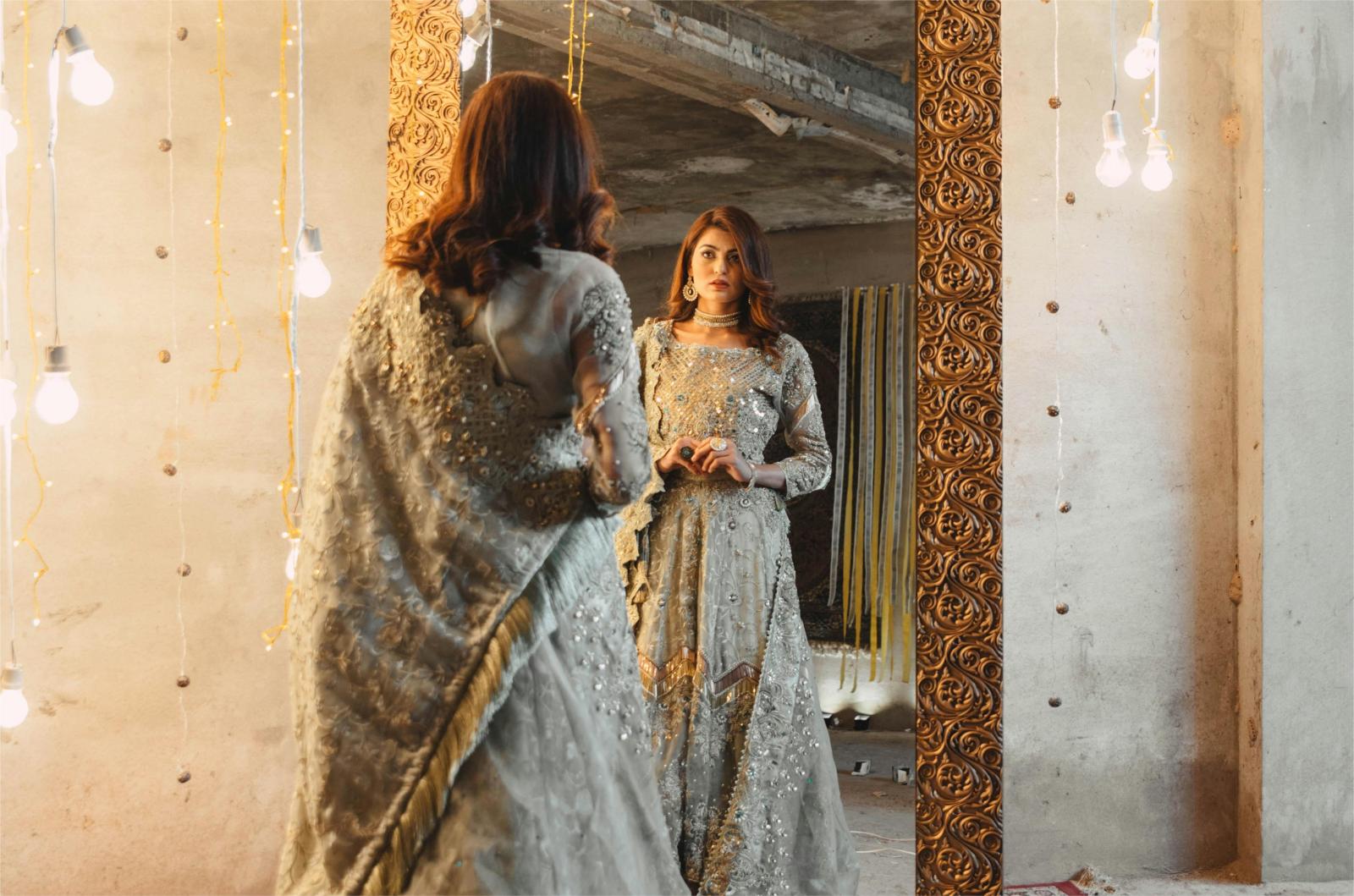
The Pakistani fashion industry is experiencing a surge of vitality with the emergence of new designers who bring fresh perspectives and innovative thinking. Emerging designers and brands to watch include Zara Shahjahan and Faraz Manan.
Conclusion
The Pakistani fashion industry is poised for continued growth and innovation. With increasing environmental awareness, the industry is likely to embrace more eco-friendly and sustainable practices. Designers are beginning to prioritize sustainable materials and environmentally responsible production processes, signaling a promising future for ethical and innovative fashion in Pakistan.

