




The market for solar power systems continues to grow at a fast pace, driven by rising demand for clean energy, declining costs of such systems and government incentives to encourage adoption. The global installed capacity was about 1.2TW by the end of 2022, according to the International Energy Agency (IEA). China led with 414.5GW, followed by the EU with 209.3GW, the US with 141.6GW, Japan with 84.9GW and India with 79.1GW. China’s new installed capacity last year was 87.41GW, the highest in history, according to Sina News.
This upward trend is expected in the coming years and will ensure steady growth of the manufacturing sector for batteries. These products are crucial for efficient storage and utilization, especially when generated output is low during rainy or cloudy days or winter months or when there is a grid power outage.
For this application, batteries required have better capacity, depth of discharge, round-trip efficiency and life span compared to common types. They must also be more robust to ensure optimal energy storage and system performance even in high-altitude, high- and low-temperature environments.
Solar batteries
Lead-acid and lithium batteries are widely used in solar power systems, with NiMH, flow and NaS types as other options.
Lead-acid batteries have high conversion efficiency and safety and a long cycle life, in addition to having a good price-performance ratio. However, they require regular maintenance to ensure peak efficiency.
Compared with lead-acid units, lithium batteries offer higher capacity and energy density, and have better efficiency because of their low internal resistance that allows them to charge and discharge with minimal loss. They also have a longer life span and their performance in high and low temperatures is also much better. In addition, these batteries need minimal maintenance and have the advantages of being small and lightweight.
In the lithium category, LiFePO4 batteries are expected to become mainstream in the solar power industry in China and other countries in the coming years. LFP units are a third of a lead-acid battery’s weight at the same capacity and have a cycle life that’s over five times longer. Although their prices have seen fluctuations in recent years, analysts are forecasting a steady decline in the future.
Production in China
There are more than a thousand manufacturers of batteries for solar power systems in China. Most cater to the electric vehicle, communications and industrial markets, with solar batteries accounting for 30 to 60 percent of their shipments. The leading homegrown companies, such as CATL, BYD, CALB, Gotion and Shuangdeng, are also among the world's top players in this category.
Many of these suppliers will continue to boost their production in anticipation of greater demand. Grand Energy Tech (Xiamen) Co. Ltd, one of the manufacturers interviewed by Global Sources, plans to do so by 10 to 20 percent in 2024. Zhejiang Jingke, which was established in early 2023, has allocated $116.67 million for solar energy storage systems and batteries, with a target total annual capacity of 24GWh. This project will be fully operational in the fourth quarter of 2024.
GGII, an industry research and consulting firm in China, said that there are 34 new undertakings on power and energy storage batteries that started in 2023, with a total investment of $32.55 billion. Combined, these projects will have an annual capacity of over 570GWh when operational.
The key production bases in China are found in Shenzhen, Dongguan, Zhongshan, Changzhou, Suzhou and Ningbo. There are also many companies based inland, including Chengdu, Xi’an and Tianjin.
More domestic and international companies will venture into solar battery production and intensify competition further. In the past two years, this has already resulted in oversupply in the entry-level and midrange markets, a trend that may continue and potentially force small enterprises out of business. Analysts expect new investments will focus on the development and manufacturing of high-end batteries.
China-made batteries
Most solar batteries from Chinese companies are lead-acid and Li-ion types, with 30 to 70 percent based on customers’ size, voltage and capacity specifications. These use materials obtained from domestic and foreign providers, depending on buyers’ preferences. For lithium batteries, the top homegrown sources include Shenzhen Dynanonic, Wanrun New Energy, Hunan Yuneng and Gotion.
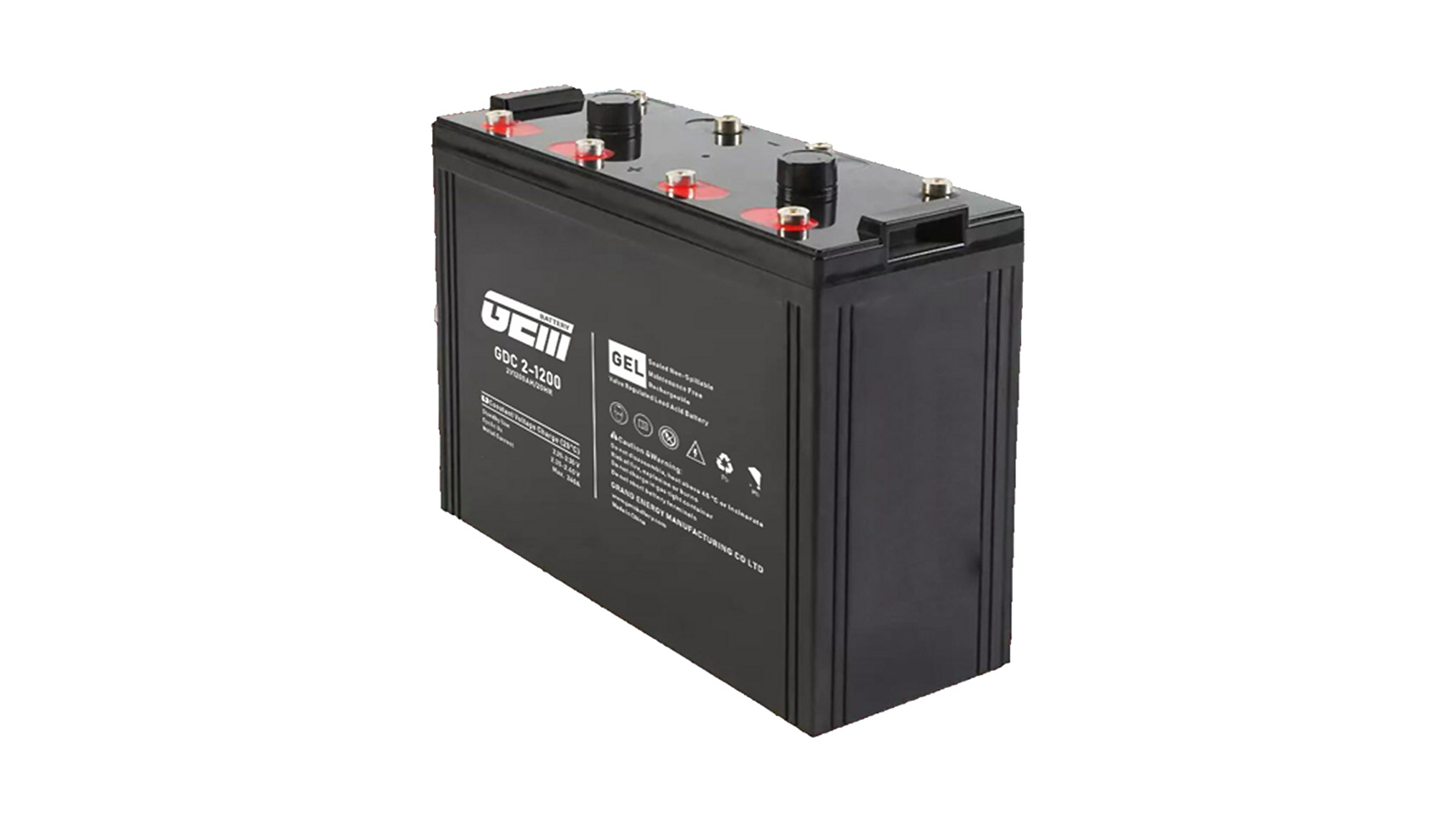
Semigel battery, 2V, 1,200Ah
Company: Grand Energy Tech (Xiamen) Co. Ltd
The GDC-2V1200AH semigel or AGM+gel solar battery from Grand Energy has 2V, 1,200Ah voltage and capacity. This deep-cycle unit meets IEC 60896-21/22 and 61427-1/2 standards.
MOQ: 100 cartons
Lead time: 28 days
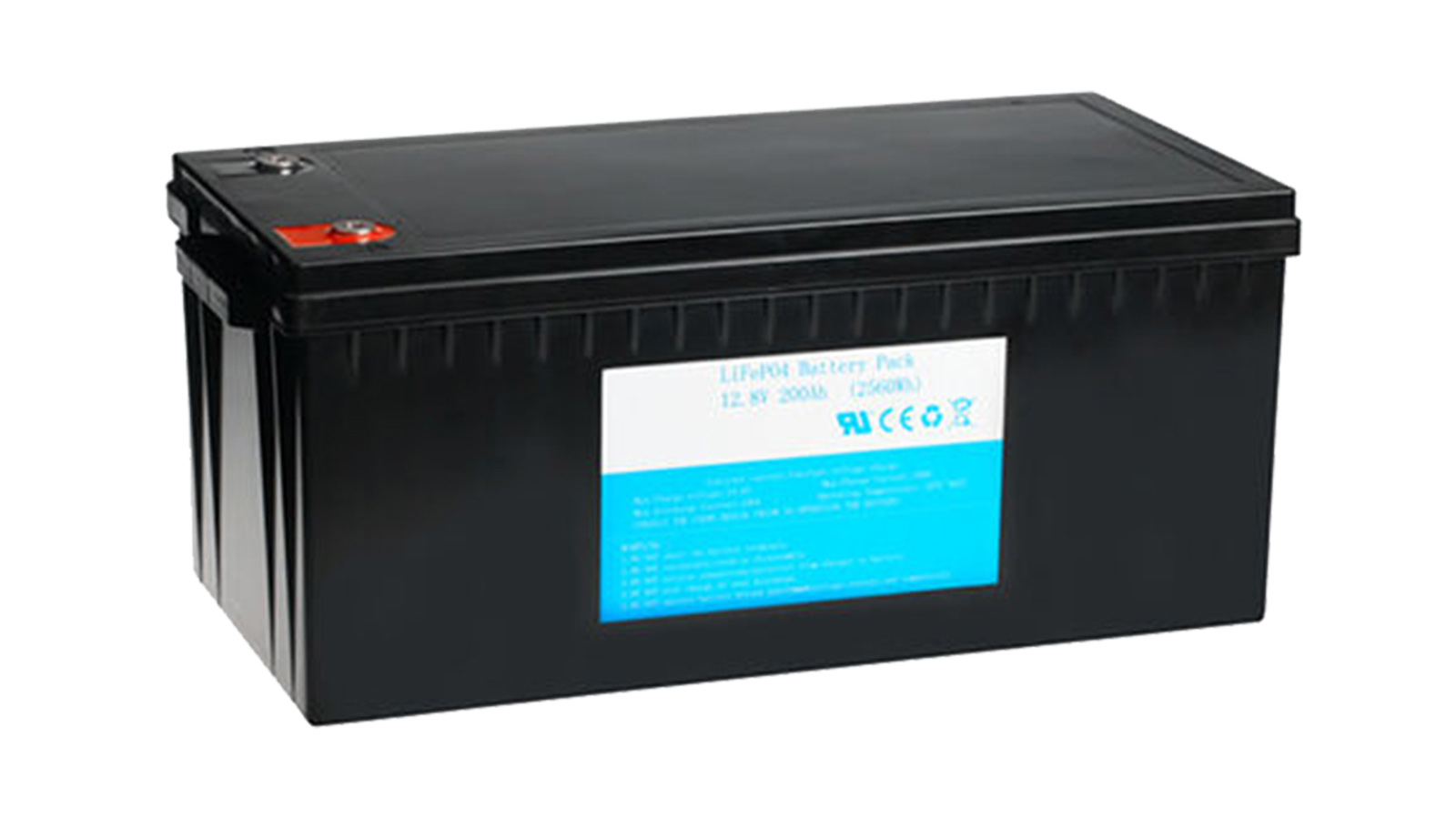
LiFePO4 battery, 200Ah capacity
Company: Shenzhen MiQi Electronic Co. Ltd
This LiFePO4 solar battery with smart BMS from Shenzhen MiQi, the MIQ-LFP200, has 12V voltage, 200Ah capacity, -20 to 65 C operating temperature and more than 4,000-cycle life span. It is RoHS-compliant and CE-marked, and comes with an MSDS.
MOQ: 3 units
Lead time: 7 days
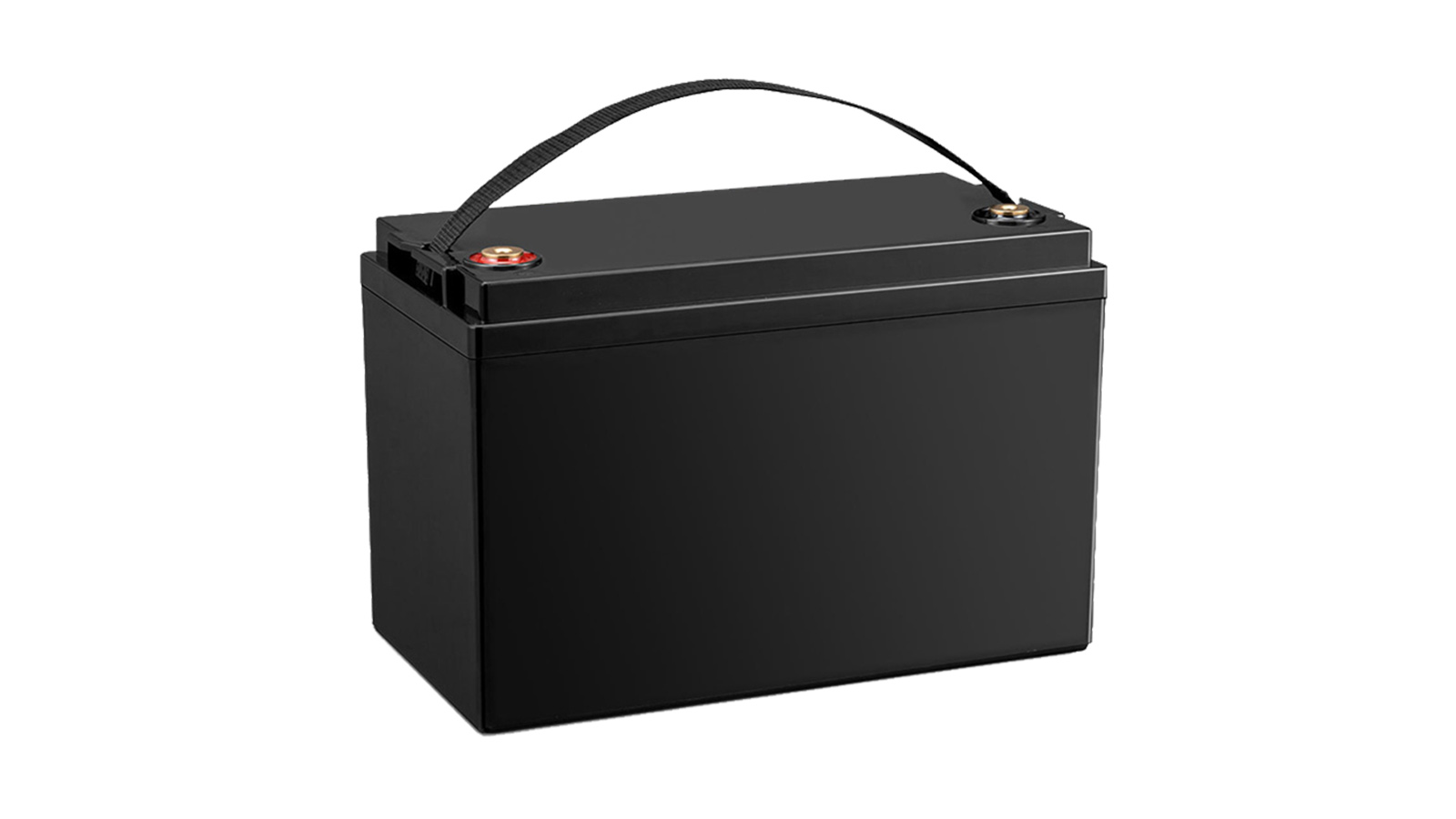
LiFePO4 battery, 12.8V, 200Ah
Company: Smalt New Energy Technology Co. Ltd
Smalt’s GLF-200Ah 12V LiFePO4 solar battery has 12.8V voltage, 200Ah capacity, 60A rated charge and 100A rated discharge current, and 0 to 40 C charge and -15 to 60 C discharge temperatures.
MOQ: 3 units
Lead time: 7 days
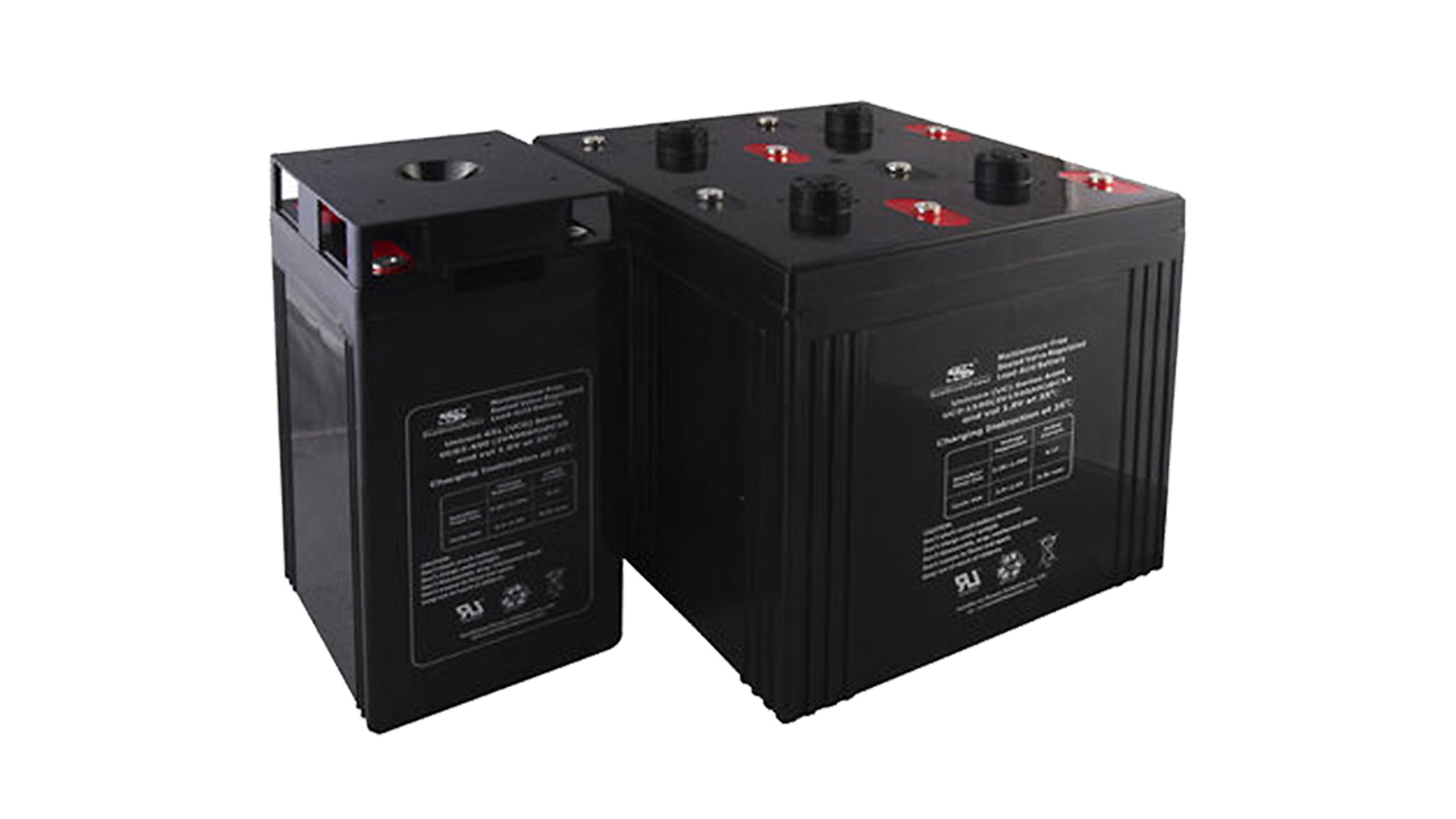
VRLA battery, 3,000Ah rated capacity
Company: Sunstone Power Industry Co. Ltd
Sunstone markets the UC2-3000(2V3000AH) VRLA solar battery with 2V voltage, 3,000Ah rated capacity at 1.8V, 25 C, 10hr rate per cell, and 400 to 500 cycles at 50 percent DoD and 1,000 to 1,100 cycles at 30 percent. It measures 712x353x341x382mm and weighs 176kg.
MOQ: 100 units
Lead time: 25 days

