




Table of Contents
Global Backpack Trends 2025: Regional Insights and Styles
Explore the backpack trends that fashion enthusiasts will be most interested in in 2025
Generational Shopping Trends: What Different Age Groups Are Purchasing
Why you can trust GlobalSources.com Recommended
Backpack brand manufacturers recommended on GlobalSources.com
Global Backpack Trends 2025: Regional Insights and Styles
North America: The Tech-Forward Functionality Movement
The North American market has witnessed a significant pivot toward what industry insiders call "urban utility" designs. Consumers across the United States and Canada are increasingly drawn to backpacks that seamlessly blend professional aesthetics with technical features. The demand for integrated USB charging ports, RFID-blocking compartments, and laptop sleeves that accommodate 16-inch devices has grown by 34% year-over-year according to recent retail analytics.
What's particularly interesting is the rise of modular backpack systems in metropolitan areas. Cities like New York, San Francisco, and Toronto have seen strong adoption of packs with detachable pouches and customizable internal organization systems. This trend reflects the hybrid work culture where professionals need versatility to transition between office environments, co-working spaces, and remote work setups. Wholesale buyers should note that color preferences have shifted toward muted earth tones—olive, charcoal, and sand—moving away from the stark blacks that dominated previous years.
Europe: Sustainability Meets Heritage Design
European markets have positioned themselves at the forefront of the sustainable backpack movement, but with a distinctly different approach than other regions. Rather than purely eco-conscious messaging, European consumers are gravitating toward brands that combine recycled materials with timeless, heritage-inspired designs. The Scandinavian influence remains strong, with minimalist rectangular silhouettes and clean lines performing exceptionally well across Germany, the Netherlands, and Nordic countries.
The circular economy concept has gained substantial traction, with repair programs and take-back initiatives becoming significant purchasing factors. Procurement managers sourcing for European retailers should prioritize suppliers offering transparent supply chain documentation and material traceability. Interestingly, the European market shows a 28% premium willingness for backpacks made from recycled ocean plastics or upcycled industrial fabrics, provided the quality matches or exceeds virgin material alternatives.
France and Italy continue to drive the fashion-forward segment, where backpacks are treated as statement accessories rather than purely functional items. Leather and leather-alternative luxury backpacks with architectural shapes have seen consistent growth, particularly in the €200-500 price bracket.
Asia-Pacific: Innovation and Multifunctionality
The Asia-Pacific region presents the most diverse and rapidly evolving backpack landscape. In Japan and South Korea, compact technical backpacks with weather-resistant properties dominate urban markets. The concept of "one bag living"—where a single, well-designed backpack serves multiple purposes—has resonated strongly with younger professionals in Tokyo and Seoul. These markets favor lightweight materials like Dyneema and X-Pac fabrics, with an emphasis on water resistance and organizational efficiency.
China's market segmentation has become increasingly sophisticated. Tier-1 cities show strong demand for international brand collaborations and limited-edition releases, while tier-2 and tier-3 cities demonstrate growing interest in domestic brands offering competitive quality at accessible price points. The rise of outdoor recreation activities has fueled demand for hybrid designs that work equally well for urban commuting and weekend hiking trips. Chinese consumers particularly value backpacks with separate shoe compartments and wet/dry divisions, reflecting the popularity of gym culture and outdoor sports.
Southeast Asian markets, including Thailand, Vietnam, and Indonesia, have shown remarkable growth in the affordable premium segment. Heat and humidity considerations drive material choices, with breathable back panels and moisture-wicking fabrics becoming standard expectations rather than premium features. The motorcycle commuter demographic in these countries has created unique demand for anti-theft features and reflective elements that enhance visibility in dense traffic conditions.
Latin America: Value and Durability Focus
Latin American markets prioritize durability and value retention above trend-driven features. Countries like Brazil, Mexico, and Colombia show strong preference for robust construction with reinforced stitching and heavy-duty zippers that can withstand daily wear in varied climates. The student segment remains particularly influential, with back-to-school seasons driving significant volume sales.
Security features have become non-negotiable in many Latin American urban centers. Hidden pockets, slash-resistant fabrics, and lockable zippers address real safety concerns while maintaining aesthetic appeal. Color preferences tend toward vibrant options—royal blue, burgundy, and forest green—contrasting with the neutral palettes popular in North American and European markets.
Middle East and Africa: Emerging Opportunities
The Middle East presents a growing opportunity for premium and luxury backpack categories. UAE and Saudi Arabia show increasing adoption of designer backpacks as everyday accessories, with brand recognition playing a crucial role in purchasing decisions. The extreme climate conditions necessitate materials that can withstand high temperatures without degrading, creating opportunities for suppliers with advanced textile technologies.
African markets, while still developing in terms of backpack sophistication, show promising growth trajectories. South Africa leads in terms of outdoor and adventure backpack adoption, while Nigeria and Kenya demonstrate growing middle-class demand for quality school and work backpacks. Durability remains paramount, with consumers expecting products to last multiple years under challenging conditions.
Explore the Backpack Trends That Fashion Enthusiasts Will Be Most Interested in in 2025
The Gorpcore Evolution: From Outdoor to Fashion Statement
The gorpcore aesthetic—blending outdoor technical gear with urban fashion—has become the defining trend of 2025. Fashion enthusiasts are increasingly drawn to backpacks that seamlessly merge functionality with style, where technical features like waterproof zippers and ergonomic straps coexist with refined aesthetics suitable for city streets.
Arc'teryx
Arc'teryx has emerged as the undisputed leader in luxury technical backpacks. Their Arro 22 and Granville series have become street style staples, regularly appearing in fashion week photography from London to Seoul. The brand's meticulous construction—thermoformed back panels, waterproof zippers, and clean silhouettes—appeals to fashion enthusiasts who appreciate craftsmanship. The all-black Arro 22, priced around $200, represents the perfect balance between technical capability and urban sophistication, making it a favorite among creative professionals and design-conscious consumers.
Patagonia
Patagonia's Black Hole series has gained unexpected traction in fashion circles despite its outdoor heritage. The Black Hole Pack 25L, constructed from recycled ripstop fabric, offers genuine weather protection in fashion-forward colors like sage green, burnt orange, and deep navy. Fashion enthusiasts appreciate that wearing Patagonia signals environmental consciousness—the brand's authentic activism resonates with consumers who view purchases as value statements. At approximately $140, it bridges the gap between affordable and premium while delivering both style and substance.
Cotopaxi
Cotopaxi has carved out a distinctive position with its Allpa series, featuring eye-catching color-blocking using remnant fabrics. Each bag's unique color combination creates individuality while the brand's commitment to social impact—allocating revenue to poverty alleviation—adds meaningful storytelling. The Allpa 28L has become particularly popular among digital nomads and travel influencers for its versatile carry options and Instagram-worthy aesthetic. Priced around $165, it appeals to millennials seeking adventure-ready designs that don't sacrifice visual appeal.
Luxury Meets Functionality
2025 has witnessed luxury fashion houses seriously entering the technical backpack space, creating pieces that serve as both status symbols and functional daily carriers.
Prada
Prada's Re-Nylon initiative has transformed luxury backpack perceptions by using regenerated nylon (ECONYL) made from ocean plastics. The Re-Nylon backpack, featuring the iconic triangle logo alongside padded laptop compartments, has become a statement piece signaling both fashion awareness and environmental consciousness. Its sleek silhouette works equally well with business attire and casual weekend wear. At approximately $1,200, it represents luxury's acknowledgment that modern consumers demand both status and real-world utility.
Bottega Veneta
Bottega Veneta emphasizes "quiet luxury" through craftsmanship over overt branding. Their woven leather backpacks using the signature intrecciato technique appeal to fashion insiders who prefer understated sophistication. The brand's technical nylon styles feature hand-finished seams and premium hardware that justify price points starting around $2,500. Under creative director Matthieu Blazy, the brand has introduced backpacks with exaggerated proportions that challenge conventions while maintaining exceptional quality.
Louis Vuitton
Louis Vuitton's Christopher backpack combines the signature monogram canvas with genuine technical features like waterproof zippers and ergonomic back panels. While initially met with skepticism, these pieces have proven their durability, validating the brand's technical ambitions. Priced around $2,800, they appeal to affluent consumers wanting recognizable luxury branding without sacrificing practical functionality for travel and daily commuting.
Streetwear Collaborations and Hype Culture
Limited-edition collaborations have created genuine excitement in the backpack market, with certain releases selling out within minutes and commanding premium prices on resale platforms.
Supreme x The North Face
Supreme's ongoing partnership with The North Face produces highly anticipated seasonal releases that exemplify successful collaboration. The Spring 2025 waterproof map-print collection balanced Supreme's street credibility with North Face's technical expertise. These pieces typically retail around $200-300 but often resell for double or triple on secondary markets. The collaboration's longevity—spanning over a decade—demonstrates authentic synergy rather than opportunistic partnership.
Carhartt WIP
Carhartt WIP has successfully translated workwear heritage into fashion-forward designs. Their Kickflip backpack, with durable duck canvas construction and skateboard carry straps, has become a streetwear staple priced around $130. The signature tan color and visible stitching reference construction workwear while proportions suit urban commuting. Collaborations with brands like Awake NY introduce limited colorways that transform functional designs into collectible pieces.
BAPE x Gregory
The 2025 collaboration between Japanese streetwear brand BAPE and outdoor specialist Gregory combined BAPE's signature ABC camo with Gregory's technical construction. These pieces function equally well for hiking and urban exploration, demonstrating how streetwear aesthetics can enhance rather than compromise functionality. Limited releases priced around $250 sold out rapidly, appealing to collectors who appreciate the fusion of two distinct design languages.
Minimalist Design Philosophy
Counter to streetwear maximalism, a strong minimalist movement emphasizes timeless aesthetics and quality materials over trend-driven features.
Sandqvist
Swedish brand Sandqvist exemplifies Scandinavian minimalism with their Stig and Bernt models. These backpacks feature simple rectangular silhouettes, vegetable-tanned leather details, and complete absence of external branding. Using organic cotton canvas and recycled polyester, Sandqvist demonstrates that environmental responsibility can coexist with refined aesthetics. Priced around $150-200, they appeal to consumers seeking timeless designs that won't appear dated, with neutral colors ensuring versatility across wardrobes.
Côte&Ciel
French brand Côte&Ciel pushes minimalism into sculptural territory with architecturally inspired designs. Their Isar backpack's distinctive angular silhouette has become instantly recognizable in fashion circles, photographing dramatically while maintaining surprising functionality. Using EcoYarn recycled polyester, the brand demonstrates that minimalist aesthetics can coexist with environmental responsibility. At approximately $250, it appeals to fashion enthusiasts seeking conversation pieces that demonstrate design sophistication.
FREITAG
German brand FREITAG creates backpacks from recycled truck tarps, making each piece unique due to varied graphics and wear patterns. The F52 Miami Vice and F155 Clapton models have cult followings among design-conscious consumers who appreciate circular economy stories and one-of-a-kind aesthetics. In 2025, FREITAG expanded their F-ABRIC line using compostable materials, appealing to zero-waste advocates. Priced around $200-300, these bags represent the intersection of minimalism, sustainability, and individuality.
Heritage Brands Reimagined
Established brands with decades of history have successfully repositioned themselves for fashion-conscious consumers by respecting heritage while embracing contemporary design.
Fjällräven
Fjällräven's Kånken backpack, originally designed in 1978, has achieved unexpected fashion icon status. The simple rectangular shape, dual top handles, and vibrant color options have made it ubiquitous among fashion enthusiasts who appreciate retro aesthetics. Available in over 30 colors and priced around $80-100, it offers accessibility while the brand's Arctic Fox Initiative and use of recycled materials add meaningful sustainability storytelling. Special editions and collaborations maintain freshness while preserving the original's distinctive character.
Porter-Yoshida
Japanese brand Porter-Yoshida, particularly their Tanker series, exemplifies sophisticated heritage design. Originally created in 1983 using MA-1 flight jacket material, the Tanker collection has achieved cult status among fashion insiders who appreciate its military-inspired details and impeccable construction. Collaborations with streetwear labels like fragment design have cemented Porter's position bridging outdoor utility and high fashion. Priced around $150-300, these bags offer Japanese craftsmanship at relatively accessible price points.
Generational Shopping Trends: What Different Age Groups Are Purchasing
Gen Z (Born 1997-2012): Digital Natives Seeking Authenticity
Gen Z consumers approach backpack purchasing with distinct priorities that differ markedly from older generations. This cohort demonstrates sophisticated skepticism toward traditional marketing while simultaneously craving authentic brand stories and transparent business practices. They research extensively before purchasing, consulting multiple sources including social media reviews, YouTube unboxing videos, and Reddit discussions rather than relying primarily on brand websites or traditional advertising.
Price sensitivity exists within this generation, but it's nuanced. Gen Z buyers will invest in higher-priced backpacks if they perceive genuine value through durability, versatility, or ethical production. However, they're equally comfortable purchasing from emerging direct-to-consumer brands that offer competitive quality at lower prices by eliminating traditional retail markups. The resale value consideration factors into their purchasing decisions, with many viewing quality backpacks as investments that can be recouped through secondhand platforms if their needs change.
Aesthetic preferences within Gen Z lean toward either boldly expressive designs with vibrant colors and graphics, or minimalist technical styles that project understated sophistication. The middle ground of conventional designs struggles to capture this generation's attention. Functionality matters significantly, with organizational features for tech devices, water bottles, and daily essentials being thoroughly evaluated before purchase.
Millennials (Born 1981-1996): Balancing Quality and Lifestyle Integration
Millennial consumers, now in their late 20s through early 40s, represent the largest purchasing power demographic in the backpack market. This generation seeks products that seamlessly integrate across multiple life contexts—professional work environments, parenting responsibilities, fitness activities, and travel experiences. The "one bag for everything" mentality resonates strongly, driving demand for versatile designs that don't appear out of place in business casual settings yet function effectively for weekend adventures.
Quality and longevity justify premium pricing for Millennial buyers who have largely moved beyond the fast-fashion mindset that characterized their younger years. They appreciate craftsmanship details like YKK zippers, reinforced stress points, and thoughtful organizational systems. Brand heritage and storytelling influence purchasing decisions, though Millennials maintain healthy skepticism and verify claims through peer reviews and independent testing information.
Sustainability considerations factor prominently in Millennial purchasing behavior, though not to the exclusion of other priorities. They prefer brands that demonstrate genuine environmental commitments through material choices, production processes, and corporate policies, but won't sacrifice functionality or aesthetics solely for eco-credentials. The ideal backpack for this generation combines sustainable materials with professional appearance and practical features like laptop protection and water resistance.
Generation X (Born 1965-1980): Pragmatic Quality Seekers
Gen X consumers bring pragmatic, no-nonsense expectations to backpack purchases. This generation values proven performance over trendy features, preferring established brands with track records of reliability. They're willing to pay premium prices but expect commensurate quality and longevity in return. Warranty programs and repair services influence purchasing decisions, as Gen X buyers view backpacks as long-term investments rather than disposable fashion items.
Comfort features receive significant attention from this demographic, particularly as many Gen X consumers deal with back or shoulder issues from decades of bag carrying. Padded, ergonomic straps, weight distribution systems, and back panel ventilation aren't luxury features but essential requirements. They appreciate classic designs that won't appear dated quickly, favoring timeless aesthetics over trend-driven styles.
Professional applications dominate Gen X backpack usage, with many seeking designs appropriate for corporate environments while maintaining sufficient capacity for laptops, documents, and business essentials. The commuter segment within this generation shows strong interest in weather protection features and organizational systems that facilitate efficient transitions between locations.
Baby Boomers (Born 1946-1964): Comfort and Accessibility Priority
Baby Boomer consumers, many now retired or approaching retirement, represent a growing segment of the backpack market often overlooked by manufacturers focused on younger demographics. This generation increasingly chooses backpacks over traditional briefcases or handbags due to ergonomic advantages and hands-free convenience. Their purchasing priorities center on comfort, accessibility, and ease of use rather than fashion trends or technical specifications.
Lightweight construction ranks as a critical factor, as Boomers are more sensitive to carried weight than younger consumers. Wide, padded straps that distribute weight evenly across shoulders are essential, as are back panels with adequate cushioning. Easy-access pockets for frequently needed items like phones, glasses, and medications receive high importance ratings in this demographic's purchasing criteria.
Design preferences tend toward classic, understated styles in neutral colors that coordinate with varied wardrobes. Boomers generally avoid backpacks with excessive straps, buckles, or technical details that complicate use. Clear, intuitive organization systems with fewer but larger compartments appeal more than complex pocket configurations requiring detailed familiarity.
Cross-Generational Trends: Universal Priorities
Despite generational differences, certain priorities transcend age boundaries in the 2025 backpack market. Quality construction that ensures longevity appeals across all demographics, though the specific features that signal quality may vary by generation. Comfort considerations matter universally, with ergonomic design becoming a baseline expectation rather than a premium feature.
Versatility has emerged as a cross-generational value, with consumers of all ages seeking backpacks that serve multiple purposes rather than single-use designs. The ability to transition seamlessly between different contexts—work to leisure, urban to outdoor, daily use to travel—resonates broadly across age groups, though the specific contexts vary by life stage.
Technology integration, particularly laptop and device protection, spans generational boundaries as digital devices have become essential tools for consumers from their teens through retirement. The specific technological features valued may differ—Gen Z prioritizes charging capabilities while Boomers focus on protective padding—but the fundamental need for secure device transport unites the market.
Why You Can Trust GlobalSources.com Recommended
Decades of B2B Expertise
GlobalSources.com has over 50 years of B2B procurement experience, serving as a trusted bridge between wholesale buyers and verified manufacturers. Recommendations combine historical market knowledge with real-time data analysis, supported by category specialists who conduct facility visits, review production processes, and verify certifications.
Rigorous Supplier Verification
Suppliers undergo multi-layered verification including business license checks, production capability audits, quality management reviews, and financial stability evaluations. Independent auditors conduct on-site facility inspections to assess production equipment, quality control, worker conditions, and environmental compliance. Buyers can access verification reports and certifications for transparent decision-making.
Performance-Based Recommendations
The system incorporates actual transaction outcomes, integrating buyer feedback, order fulfillment rates, quality consistency scores, and communication responsiveness. Continuous monitoring and regular reassessments ensure recommendations reflect current supplier performance rather than outdated information.
Industry-Specific Expertise
Category specialists maintain deep knowledge in backpack manufacturing, materials technology, and market trends. They understand technical distinctions between fabrics, construction methods, and quality indicators. Market intelligence includes trend analyses and forecasting insights to help buyers make strategic sourcing decisions.
Buyer Protection and Dispute Resolution
Trade assurance programs, secure payment systems, and structured dispute resolution processes reduce international sourcing risks. Experienced mediation teams resolve disputes based on transaction documentation, product specifications, and industry standards, providing neutral third-party support for cross-border commerce challenges.
Backpack brand manufacturers recommended on GlobalSources.com
1. Xinhui Brothers Leathergoods Co. Ltd
Xinhui Brothers Leathergoods specializes in custom luggage manufacturing, briefcase production, and laptop case design for professional B2B buyers seeking reliable OEM/ODM partnerships with proven quality standards.
Key Manufacturing Capabilities
Rapid Custom Sample Development Expert design team with 15 years industry experience delivers custom samples within 7 days, achieving 100% first-time acceptance rate for client specifications.
Comprehensive Product Portfolio Specializes in luggage sets, duffel bags, briefcases, and laptop cases with 30+ new styles released monthly to meet evolving market trends.
Proven Quality Control Systems 10 dedicated QC professionals with over 10 years average experience maintain stringent quality standards, resulting in 98% client retention rate.
Established OEM/ODM Operations Over 10 years OEM and ODM experience with monthly production capacity exceeding 100,000 pieces and 45-day delivery timelines.
Global Market Presence Serves 150+ satisfied buyers across Europe, South America, and Middle East markets with consistent quality and reliable partnerships.
Advanced R&D Infrastructure In-house design team, sample makers, and engineers support continuous product innovation and customization capabilities for diverse B2B requirements.
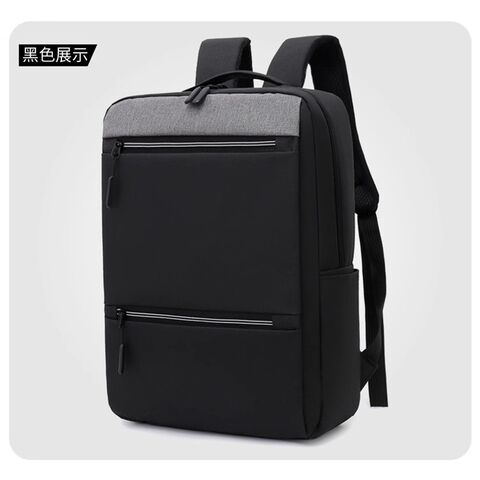
Fashiob design customized school backpack Waterproof backpack
2. Xiamen Fosoda Industry Co.,Ltd
Established manufacturer specializing in comprehensive B2B manufacturing capabilities with international quality certifications.
Manufacturing Excellence
•12+ years manufacturing experience with proven backpack wholesale suppliers capabilities
•Dual factory operations: Shenzhen (12 years) and Xiamen (14 years) supporting bulk backpacks wholesale production
•2,000 square meters factory area with over 100 skilled employees specializing in backpacks at wholesale manufacturing
•6 years dedicated export experience serving global wholesale backpacks in bulk markets
Product Specialization
•Comprehensive range including sports bags, trolley bags, and ski bags complementing backpacks wholesale offerings
•Professional packaging solutions supporting wholesale backpacks distribution requirements
•Custom manufacturing capabilities for backpacks wholesale bulk orders with specialized features
•Diversified portfolio enabling backpack suppliers to serve multiple market segments
Quality Certifications & Standards
•International certifications: CE, FDA, BSCI, and Sedex approved ensuring wholesale backpacks in bulk quality compliance
•100% quality inspection from raw materials to final products for backpack wholesale suppliers excellence
•Dedicated QC team ensuring consistent bulk backpacks wholesale quality standards
•1,000+ product models available supporting diverse backpacks at wholesale market needs
Global Market Reach
•Export destinations: European Union, North America, Latin America for wholesale backpacks distribution
•Regional markets: Middle East, Australia, New Zealand expanding backpack suppliers china presence
•Custom manufacturing: OEM and ODM services available for backpacks wholesale bulk customization
•B2B partnerships with established international backpack wholesale suppliers networks

Wholesale School Travel Laptop Backpack with Usb Backpack Business Men' Backpacks Waterproof Laptop Bags Supplier
3. Pinghu Sinotex Yijia Co.,Ltd
15+ Years Export Experience
Pinghu Sinotex Yijia specializes in wholesale backpacks manufacturing with over 15 years of proven export experience serving buyers across Europe and North America.
Comprehensive Product Portfolio
•School backpacks and educational accessories for wholesale backpacks in bulk educational markets
•Sports backpacks and athletic gear supporting backpacks wholesale fitness segments
•Travel bags and luggage cases for tourism markets requiring bulk backpacks wholesale solutions
•Laptop bags and tech accessories meeting backpack wholesale suppliers technology demands
•Professional briefcases and business accessories for corporate backpacks wholesale bulk procurement
Advanced Design & Development Capabilities
Manufacturing capabilities include advanced embroidery techniques, printing technologies, detailed trims, premium fabrications, and specialized closures, ensuring picture-perfect backpacks at wholesale products at competitive pricing for backpack suppliers partnerships.
Customer-Centric Service Approach
Dedicated sales and support teams provide personalized assistance throughout the entire wholesale backpacks in bulk procurement process, from initial design consultations to final product delivery.
Strict Quality Control Standards
Comprehensive quality control systems include thorough inspections at every production stage, ensuring backpacks wholesale products meet international excellence standards. Flexible customization options allow clients to select from extensive material ranges, color palettes, and finishing options for perfect brand alignment in wholesale backpacks applications.

Wholesale Price Canvas Backpack Computer Bag Fashion Travel Drawstring Backpack Retro Backpack for Man
4. Shanghai Sunway International Trade Co.,Ltd
SUNWAY is a SMETA/BSCI certified manufacturer established in 2011, specializing in premium backpack suppliers china production for global B2B markets.
Quality Certifications & Standards
•SMETA Certification: Ethical trade compliance covering employee rights, health safety, and environmental management for backpack wholesale suppliers operations
•BSCI Certification: Business social compliance ensuring transparent and fair wholesale backpacks in bulk supply chain operations
•Quality Warranty: Comprehensive quality assurance across all backpacks at wholesale product lines
•CAD Design Ability: Advanced computer-aided design capabilities for custom bulk backpacks wholesale solutions
Product Excellence
•Premium Materials: High-quality raw materials selected for durability and performance in backpacks wholesale applications
•Fashion-Forward Design: Trend-integrated aesthetics with user-friendly functionality for backpack wholesale suppliers differentiation
•Travel-Tested Durability: Products withstand transportation challenges and airport handling in bulk backpacks wholesale distribution
•Diverse Product Range: Comprehensive backpacks at wholesale selection meeting varied consumer preferences
Global Market Presence
•International Reach: Serving wholesale backpacks customers across 50+ countries
•Long-term Partnerships: Established relationships with verified global backpack suppliers china clients
•Export Expertise: Over decade of specialized backpacks wholesale bulk export experience
•Market Recognition: Widely praised wholesale backpacks in bulk products preferred by consumers worldwide
Conclusion
The 2025 global backpack market presents significant opportunities for B2B buyers who understand that successful procurement extends beyond cost to encompass regional preferences, generational demands, and design innovation.
Regional markets show distinct priorities: North America favors tech-integrated functionality, Europe demands sustainable materials with transparent sourcing, Asia-Pacific leads in lightweight multifunctional designs, and Latin America prioritizes durability. Fashion trends have transformed backpacks into statement pieces, with brands from Arc'teryx to Prada demonstrating that technical performance and aesthetic appeal are now inseparable.
Generational preferences vary—Gen Z seeks authenticity, Millennials demand versatility, Gen X prioritizes ergonomic comfort, Baby Boomers require lightweight accessibility—yet quality construction and device protection remain universal priorities across all demographics.
As consumer expectations continue rising across functionality, aesthetics, and sustainability, platforms like GlobalSources.com deliver essential infrastructure through rigorous supplier verification, performance-based recommendations, and transaction security. For wholesale buyers navigating the complexities of international backpack sourcing, the competitive advantage lies in combining comprehensive market intelligence with verified manufacturing partnerships that can adapt to diverse regional needs and evolving consumer preferences across the global marketplace.

