




Table of Contents
Basketball Shoes Market Overview: Size, Trends and Growth Analysis 2025
Latest Basketball Shoes Trends and Innovations
Competitive Landscape: The Best Basketball Shoes 2025
Why You Can Trust GlobalSources.com?
Reliable Basketball Shoe Brands Picks by GlobalSources.com
Basketball Shoes Market Overview: Size, Trends and Growth Analysis 2025
The global basketball shoes market has shown remarkable resilience and expansion over the past several years. Industry analysts estimate the market reached approximately $7.8 billion in 2024, with projections indicating a compound annual growth rate (CAGR) of 4.2% to 5.1% through 2030. This growth trajectory reflects both the enduring popularity of basketball as a sport and the increasing crossover appeal of basketball footwear in casual and lifestyle segments.
Regional Market Distribution
North America remains the largest market for basketball shoes, accounting for roughly 38% of global revenue. The region benefits from the deep-rooted basketball culture fostered by the NBA and extensive grassroots participation. However, the Asia-Pacific region is experiencing the fastest growth rate, with China leading the charge. The Chinese basketball shoes market alone is expected to grow at a CAGR exceeding 6.5%, fueled by government initiatives promoting sports participation, the growing middle class, and the influence of basketball icons like former NBA players who maintain strong connections to Asian markets.
Europe represents approximately 24% of the global market, with steady demand driven by both performance and lifestyle segments. Emerging markets in Latin America, the Middle East, and Africa collectively contribute around 15% but show promising growth potential as basketball gains popularity and disposable incomes rise.
Market Segmentation Insights
When examining the market by product type, high-top basketball shoes traditionally dominated sales due to their association with ankle support and professional play. However, recent years have seen a notable shift toward low-top and mid-top designs, which now collectively represent nearly 55% of unit sales. This trend reflects changing player preferences, with many professional athletes favoring lighter, more flexible designs that prioritize speed and agility over traditional support structures.
From a price segmentation perspective, the market shows interesting dynamics. Premium basketball shoes priced above $150 account for approximately 32% of revenue but only 18% of unit sales, indicating strong brand loyalty and willingness to pay for advanced technology and signature athlete endorsements. The mid-range segment ($80-$150) represents the largest volume category, appealing to serious recreational players and budget-conscious institutions making bulk purchases. Entry-level shoes below $80 serve the mass market and youth segments, offering significant volume opportunities for wholesalers focusing on cost-effective sourcing.
Key Market Drivers
Several fundamental factors are propelling market growth. The globalization of basketball through international competitions, social media, and streaming platforms has expanded the sport's reach beyond traditional strongholds. Youth participation rates continue climbing, with basketball ranking among the top three most popular sports for children and teenagers in many countries.
The "athleisure" trend has also significantly impacted the basketball shoes market. Consumers increasingly wear performance basketball shoes as everyday footwear, appreciating the combination of comfort, style, and brand prestige. This lifestyle adoption has expanded the total addressable market well beyond active players, creating opportunities for retailers and distributors to target fashion-conscious consumers who may never step on a basketball court.
Additionally, the growing emphasis on health and fitness has driven more adults to engage in recreational basketball, supporting demand for quality footwear across age demographics. Corporate wellness programs and community sports initiatives have further contributed to increased participation rates.
Latest Basketball Shoes Trends and Innovations
The basketball footwear industry is experiencing a period of significant innovation, with manufacturers investing heavily in research and development to differentiate their products and justify premium pricing. For B2B buyers, understanding these trends is crucial for inventory planning and identifying products that will resonate with end consumers.
Advanced Cushioning Technologies
Cushioning systems remain a primary battleground for innovation. Leading manufacturers have moved beyond traditional foam-based cushioning to develop proprietary technologies that offer superior energy return, impact protection, and responsiveness. These systems often combine multiple materials in strategic zones to optimize performance for different movements—explosive jumps, quick lateral cuts, and sustained running.
Recent innovations include encapsulated air systems that provide targeted cushioning, thermoplastic polyurethane (TPU) plates that enhance stability during lateral movements, and foam compounds that maintain performance characteristics across temperature variations. Some manufacturers are now incorporating carbon fiber plates, borrowed from running shoe technology, to improve propulsion efficiency during explosive movements.
For wholesale buyers, shoes featuring advanced cushioning technologies typically command higher margins but also require more substantial minimum order quantities. The key is identifying which technologies have genuine performance benefits versus those that primarily serve marketing purposes.
Lightweight Materials and Construction
The industry-wide trend toward lighter basketball shoes continues to accelerate. Modern basketball shoes now commonly weigh between 11-13 ounces, compared to 14-16 ounces just a decade ago. This weight reduction is achieved through engineered mesh uppers, strategic material placement, and innovative construction techniques that eliminate unnecessary components while maintaining structural integrity.
Knit uppers have become increasingly prevalent, offering a sock-like fit that adapts to individual foot shapes while providing targeted support through varied knit densities. These materials also offer manufacturing advantages, including reduced waste and faster production cycles, which can translate to more competitive pricing for bulk orders.
Sustainability and Eco-Friendly Materials
Environmental consciousness is no longer a niche concern but a mainstream expectation, particularly among younger consumers who represent the core basketball demographic. Major manufacturers have committed to sustainability initiatives, including using recycled materials, reducing water consumption in manufacturing, and developing biodegradable components.
Basketball shoes incorporating recycled polyester, reclaimed rubber, and plant-based materials are increasingly common. Some manufacturers now offer lines where uppers contain 50% or more recycled content without compromising performance. For B2B buyers, sustainability credentials can be a significant differentiator, particularly when supplying to educational institutions, government programs, or retailers serving environmentally conscious markets.
However, buyers should conduct due diligence on sustainability claims, as "greenwashing" remains a concern. Requesting third-party certifications and detailed information about supply chain practices helps ensure authenticity.
Smart Technology Integration
While still representing a small market segment, smart basketball shoes with embedded sensors are gaining traction. These shoes track metrics such as jump height, speed, distance covered, and foot pressure distribution, syncing data to smartphone apps for performance analysis. Professional training facilities and serious amateur athletes show the strongest interest in these products.
For wholesalers, smart basketball shoes present both opportunities and challenges. They offer higher margins and differentiation but require technical support capabilities and typically involve more complex inventory management due to electronic components with limited shelf life.
Customization and Personalization
Customization options have expanded significantly, driven by direct-to-consumer platforms and advanced manufacturing capabilities. While fully custom shoes remain primarily a retail phenomenon, semi-custom options—allowing buyers to select colorways, add logos, or choose specific features—are increasingly accessible for bulk orders.
This trend creates opportunities for B2B buyers serving schools, sports teams, and corporate clients who value branded footwear. Many manufacturers now offer customization services with relatively modest minimum order quantities (often 50-100 pairs), making personalized basketball shoes accessible to mid-sized organizations.
Retro and Heritage Designs
The cyclical nature of fashion has brought vintage basketball shoe designs back into prominence. Retro releases of iconic models from the 1980s and 1990s generate significant consumer interest, particularly among older millennials and Gen X consumers with nostalgic connections to these designs.
For wholesalers, retro basketball shoes offer several advantages. They typically have established brand recognition, reducing marketing requirements, and their fashion-forward positioning allows for lifestyle market penetration beyond active players. However, retro releases often come in limited quantities, requiring quick decision-making and strong supplier relationships to secure adequate inventory.
Competitive Landscape: The Best Basketball Shoes 2025
The basketball footwear market in 2025 remains highly competitive, with established brands continuously releasing new models while refining their signature lines. For B2B buyers and wholesale distributors, understanding which specific models are gaining traction in the market is essential for inventory planning and meeting customer demand. The following analysis examines the top-performing basketball shoes across different market segments, providing practical insights for sourcing decisions.
Premium Performance Segment
Nike continues to dominate the premium basketball shoes category with several standout models. The Nike LeBron 21 has proven particularly successful in the wholesale market, offering advanced cushioning technology and durable construction that appeals to serious players. The shoe features a combination of Zoom Air and Max Air cushioning units, providing responsive impact protection that justifies its premium positioning. For B2B buyers, the LeBron line typically offers strong brand recognition and consistent demand, though wholesale pricing generally starts around $85-$95 per pair for bulk orders of 500+ units.
The Nike KD 16 represents another strong performer in this segment, particularly popular among guards and wing players who prioritize lightweight construction and court feel. The shoe's lower profile and responsive cushioning make it versatile for various playing styles. Wholesale buyers report solid turnover rates for this model, especially in youth sizes where Kevin Durant's playing style resonates with younger athletes.
The Air Jordan 38 continues the legacy of basketball's most iconic signature line. While the Jordan brand has increasingly focused on lifestyle retro releases, the current performance model maintains technical credibility with Formula 23 foam cushioning and a supportive lacing system. For wholesalers, Jordan performance models offer the advantage of brand prestige that supports premium pricing, though they typically require higher minimum order quantities and come with stricter distribution agreements.
Adidas competes effectively in the premium segment with the Adidas Dame 8, Damian Lillard's signature shoe. This model has gained particular traction in international markets where Lillard's global appeal resonates strongly. The shoe features Lightstrike cushioning and a supportive upper construction at a slightly lower price point than comparable Nike offerings. Wholesale buyers can typically negotiate more favorable terms with Adidas compared to Nike, making these models attractive for distributors seeking premium products with better margin potential. Bulk pricing generally ranges from $75-$85 per pair depending on order volume and regional distribution agreements.
The Adidas Trae Young 2 has emerged as a surprise performer, particularly in Asian markets where Young's playing style and the shoe's aesthetic design have found strong reception. The shoe's lightweight construction and responsive Boost cushioning appeal to guards and smaller players. For B2B buyers serving Asian markets, this model deserves consideration despite Young's relatively lower profile compared to other signature athletes.
Mid-Range Performance Segment
The mid-range segment, typically priced between $100-$130 retail ($50-$70 wholesale for bulk orders), represents the largest volume opportunity for most B2B buyers. These shoes offer legitimate performance technologies at more accessible price points, appealing to serious recreational players, high school athletes, and budget-conscious institutions.
Nike's Zoom Freak 5 occupies a strong position in this segment. Giannis Antetokounmpo's signature line has consistently delivered performance-oriented designs at competitive pricing. The Freak 5 features Zoom Air cushioning in the forefoot and a durable rubber outsole with multidirectional traction patterns. For wholesale buyers, this model offers an attractive balance of brand recognition, performance credibility, and accessible pricing. The shoe performs particularly well in markets with strong international basketball followings, given Antetokounmpo's global appeal.
The Nike Precision 6 deserves attention as a non-signature model that delivers solid performance value. This shoe incorporates many technologies from premium lines but strips away the signature athlete premium. For distributors serving price-sensitive markets or institutional buyers (schools, recreational programs), the Precision line offers excellent value. Wholesale pricing typically falls in the $40-$50 range for orders exceeding 1,000 pairs, allowing for competitive retail pricing while maintaining healthy margins.
Adidas counters with the Harden Vol. 7, which despite James Harden's departure from Adidas, continues to sell based on its performance merits and accumulated brand equity. The shoe's Boost cushioning and supportive construction appeal to players seeking premium technologies at mid-range pricing. Wholesale buyers can often negotiate favorable closeout pricing on earlier colorways as new releases arrive, creating opportunities for value-focused inventory strategies.
PUMA has made significant inroads in the mid-range segment with models like the PUMA MB.02, LaMelo Ball's signature shoe. This model has achieved remarkable success, particularly among younger consumers drawn to Ball's style and the shoe's distinctive aesthetic. The MB.02 features NITRO foam cushioning and a unique design language that stands out in a market dominated by Nike and Adidas. For B2B buyers, PUMA generally offers more flexible minimum order quantities (often starting at 200-300 pairs) and competitive wholesale pricing in the $55-$65 range. The brand's growing basketball credibility makes these models worth considering, especially for retailers targeting younger demographics.
Under Armour maintains presence in this segment with the Curry 11, Stephen Curry's signature line. While Under Armour's overall basketball market share has declined from its peak, the Curry line retains loyal following, particularly in North American markets. The shoe features UA Flow cushioning technology—a rubberless outsole that reduces weight while maintaining traction. For wholesale buyers with established Under Armour relationships, these models can offer differentiation from Nike-heavy inventory, though demand tends to be more regional compared to top Nike and Adidas models.
Value Performance Segment
The value segment, with retail pricing under $100 (wholesale $35-$50), represents significant volume opportunities, particularly for buyers serving mass-market retailers, institutional purchasers, and price-sensitive international markets.
Nike dominates this segment with team models like the Nike Team Hustle D 11 (youth-focused) and the Nike Renew Elevate 3. These shoes incorporate simplified versions of technologies from premium lines, offering functional performance at accessible pricing. The Renew Elevate 3, for instance, features Nike Renew foam cushioning and a supportive upper construction suitable for recreational play. For B2B buyers placing large orders (2,000+ pairs), wholesale pricing can reach $32-$38 per pair, enabling competitive retail pricing around $70-$80.
AND1 has experienced a resurgence in this segment, particularly in value-focused retail channels and international markets. While lacking the technological sophistication of major brands, AND1 basketball shoes offer recognizable branding and functional performance at very competitive wholesale pricing, often $25-$35 per pair for bulk orders. For distributors serving discount retailers or emerging markets, AND1 provides a branded alternative to generic products.
Chinese brands have made substantial quality improvements and are increasingly viable options for value-segment sourcing. Li-Ning offers models like the Way of Wade 10 and various team models that deliver legitimate performance at competitive pricing. Li-Ning's manufacturing quality has reached levels comparable to international brands, and the company's domestic Chinese distribution strength makes it particularly attractive for buyers serving Asian markets. Wholesale pricing typically ranges from $30-$50 depending on model and order volume, with more flexible customization options compared to Western brands.
ANTA, another Chinese brand, has gained credibility through its partnership with Kyrie Irving following his departure from Nike. The ANTA KAI 1 has generated significant interest and demonstrates the rising capabilities of Chinese basketball footwear manufacturers. For B2B buyers, Chinese brands offer advantages including lower minimum order quantities (sometimes as few as 100 pairs), greater customization flexibility, and faster production timelines due to concentrated manufacturing infrastructure.
Lifestyle and Retro Segment
The lifestyle basketball shoes segment deserves separate consideration, as these products serve different consumer needs and follow distinct demand patterns compared to performance models.
Air Jordan retro releases continue dominating the lifestyle segment. Models like the Air Jordan 1, Air Jordan 4, and Air Jordan 11 in various colorways generate consistent demand that transcends basketball performance. For wholesale buyers, Jordan retros offer strong sell-through and healthy margins but typically require significant order commitments and come with allocation limits. Wholesale pricing varies widely based on specific releases, ranging from $75-$110 per pair, with limited-edition colorways commanding premiums.
Nike's Dunk Low and Dunk High, while originally basketball shoes, now function primarily as lifestyle products. These models have experienced tremendous popularity resurgence and offer wholesale opportunities, though supply often lags demand for popular colorways. B2B buyers should note that Dunk inventory requires careful colorway selection, as demand varies dramatically based on aesthetic appeal rather than performance characteristics.
Adidas leverages its archive with models like the Adidas Forum and various Superstar iterations. These retro basketball silhouettes appeal to fashion-conscious consumers and offer differentiation from Nike-dominated lifestyle markets. Wholesale terms for Adidas lifestyle products are generally more accessible than Nike's, making them attractive for retailers seeking branded lifestyle footwear without Nike's stringent requirements.
New Balance has entered the basketball market with the New Balance TWO WXY v4, which bridges performance and lifestyle positioning. While New Balance's basketball presence remains limited, the brand's strong lifestyle credibility and manufacturing reputation make its basketball offerings worth monitoring. For B2B buyers with existing New Balance relationships, adding basketball models can provide portfolio diversification.
Why You Can Trust GlobalSources.com?
When sourcing basketball shoes for wholesale distribution, retail operations, or institutional purchasing, selecting the right sourcing platform is as critical as choosing the right products. GlobalSources.com has established itself as a trusted B2B marketplace connecting buyers with verified manufacturers and suppliers, particularly for footwear and sporting goods.
Verified Supplier Network
GlobalSources.com maintains rigorous supplier verification processes that go beyond basic business registration checks. The platform conducts on-site factory inspections, verifies business licenses and export credentials, and assesses manufacturing capabilities before approving suppliers. This verification process significantly reduces the risk of encountering fraudulent suppliers or manufacturers unable to meet quality and capacity requirements.
For basketball shoes specifically, GlobalSources.com connects buyers with manufacturers ranging from large-scale OEM facilities producing for major brands to specialized factories focusing on specific market segments. This diversity allows buyers to find suppliers matching their specific needs, whether seeking minimum order quantities of 500 pairs or negotiating contracts for 50,000+ units.
Quality Assurance and Compliance Support
Basketball shoes sold in major markets must meet various safety and quality standards, including material composition regulations, chemical content restrictions, and performance requirements. GlobalSources.com provides resources and support to help buyers navigate these compliance requirements, including connecting them with third-party testing facilities and offering guidance on market-specific regulations.
The platform's supplier profiles typically include information about certifications held (ISO 9001, BSCI, etc.), production capabilities, and quality control processes. This transparency enables buyers to conduct preliminary due diligence efficiently before initiating detailed negotiations.
Trade Assurance and Payment Protection
GlobalSources.com offers trade assurance programs that protect buyers' payments until shipment verification or quality confirmation. These programs are particularly valuable when establishing relationships with new suppliers or placing large orders. The platform's escrow services and milestone-based payment options provide security for both parties, facilitating trust in international transactions.
Market Intelligence and Industry Insights
Beyond connecting buyers and suppliers, GlobalSources.com provides valuable market intelligence through industry reports, trend analyses, and sourcing guides. For basketball shoes buyers, these resources offer insights into seasonal demand patterns, emerging manufacturing hubs, pricing trends, and technology developments. This information supports more informed sourcing decisions and helps buyers identify opportunities before they become widely recognized.
Logistics and Supply Chain Support
International footwear sourcing involves complex logistics, including container optimization, customs clearance, and quality inspection coordination. GlobalSources.com offers logistics support services and connects buyers with experienced freight forwarders specializing in footwear shipments. This support can significantly reduce the learning curve for buyers new to international sourcing or those expanding into new markets.
Long-Term Relationship Building
Perhaps most importantly, GlobalSources.com facilitates long-term business relationships rather than one-off transactions. The platform's communication tools, supplier performance tracking, and dispute resolution mechanisms support ongoing partnerships. For basketball shoes sourcing, where product development cycles, seasonal planning, and quality consistency are crucial, these long-term relationships often prove more valuable than securing the absolute lowest price on individual orders.
Reliable Basketball Shoe Brands Picks by GlobalSources.com
1. Jinjiang Xiangchi Trading Co., Ltd.
The company operates under the comprehensive business philosophy of "innovation, efficiency, integrity, public welfare, vision, development, and responsibility," emphasizing collaborative growth with customers, employees, and business partners.
Core Business Scope
• Wholesale and retail of athletic shoes and footwear
• Shoe materials and components supply
• Clothing and bags manufacturing
• Sporting goods distribution and export
Manufacturing Capabilities & Infrastructure
• 500 square meter production facility with modern equipment
• 30 skilled employees operating across specialized departments
• 3 state-of-the-art production lines featuring advanced ovens and needle carts
• 5,000 pieces production capacity with 14-day delivery guarantee
Research & Development Excellence
• Experienced R&D team with average 10 years industry expertise
• 3 new product developments monthly ensuring updated selections
• 15-day product development cycle for efficient market response
• 7-15 day sample completion for rapid prototyping and approval
Competitive Advantages for B2B Buyers
• Fast sampling services within 7-15 days for quick decision-making
• Reliable delivery schedules with 14-day order fulfillment
• Continuous product innovation with monthly new developments
• Comprehensive supply chain covering footwear, materials, and accessories
• Win-win partnership approach focused on long-term business relationships.
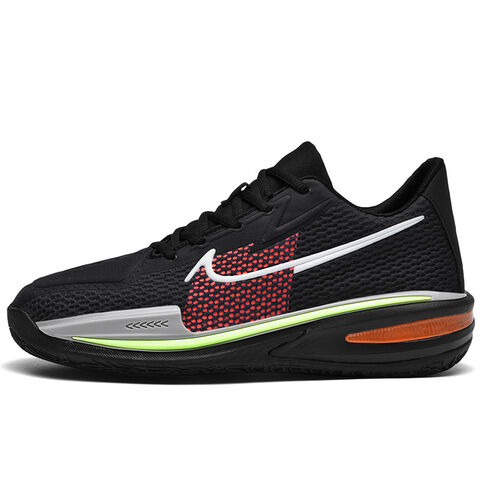
Arch Support Leather Basketball Shoes: Breathable Mid-Top Sneakers with Slip-Resistant Rubber Outsole
2. Fujian Ronview Trading Co. Ltd
Ronview Trading Co., Ltd is a leading footwear trading company established in 2012, strategically located in Ningde, Fujian, China.
Core Business Specializations
•Baby shoes and children's footwear
•Clogs and slippers for comfort wear markets
•Ballet shoes and dance footwear
•Casual shoes for everyday lifestyle needs
•Custom footwear solutions and private label manufacturing
Manufacturing Network & Capacity
Ronview Trading operates through an extensive manufacturing partnership network of more than 100 specialized factories, ensuring diverse production capabilities and scalable supply chain solutions. The company's impressive monthly production capacity includes:
•400,000 slippers per month
•80,000 casual shoes per month
•100,000 baby shoes per month
Quality Assurance & Innovation
With over 10 years of industry experience, Ronview Trading maintains rigorous quality control standards through dedicated QC teams that ensure each shipment meets international quality requirements. The company continuously develops new designs monthly, staying ahead of market trends and customer demands.
Proven Track Record with Global Brands
Ronview Trading has established strong partnerships with internationally recognized brands and retailers, including Walt Disney, Carrefour, Walmart, Primark, Paul & Smith, and IKKS. This proven track record demonstrates the company's capability to meet stringent quality standards and delivery requirements for major global brands.
The company's commitment to "offering the best service" positions Ronview Trading as a reliable partner for B2B buyers seeking comprehensive footwear sourcing solutions with consistent quality and competitive pricing.
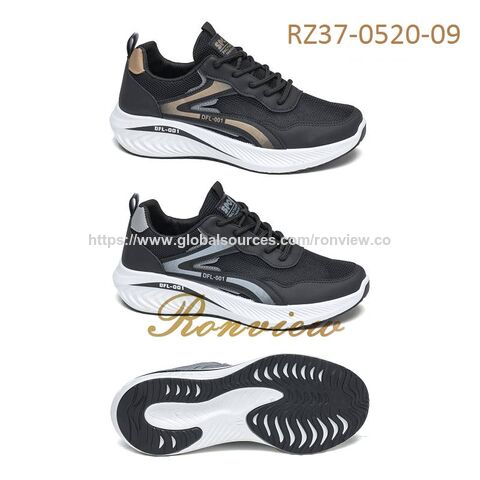
Factory Price Breathable Anti-Skidding Mesh Fabric Mountain Bike Cycling Shoes
3. Fujian Waltz International Trading Co. Ltd - Sport Shoes
Fujian Waltz International Trading stands as a leading manufacturer and exporter specializing in comprehensive basketball shoe production and athletic footwear solutions for global B2B markets.
Comprehensive Product Portfolio
The company offers an extensive range of sports footwear products including:
•Basketball shoes and performance athletic footwear
•Running shoes, tennis shoes, and specialized sports footwear
•Hiking shoes, aqua shoes, and golf shoes
•Casual footwear and mountaineering boots
•Sports sandals and complementary accessories
•Shoe components: soles, laces, and innovative shoe lighting systems
Manufacturing Excellence & Capacity
•Monthly production capacity: 900,000 pairs of sports shoes
•ISO 9001:2008 certified facilities with two dedicated factories
•315 skilled workers ensuring consistent production quality
•Established partnerships with reliable manufacturers for seamless supply chain management
Quality Assurance & Development
•Rapid product development: New item creation within 2 weeks
•17 dedicated QC technicians maintaining strict quality control standards
•Proven track record serving international markets across Europe, US, Middle East, Maritime States, and Africa
Global Market Presence
Fujian Waltz maintains active participation in major international trade exhibitions:
•Global Sources Footwear Show (Hong Kong)
•Canton Fair (Mainland China)
•WSA-Magic Fashion Show (United States)
•Middle Eastern footwear exhibitions
This global exhibition presence ensures the company stays current with basketball shoe trends and facilitates direct B2B communication with international buyers seeking reliable basketball shoe suppliers for wholesale, OEM, and ODM partnerships.
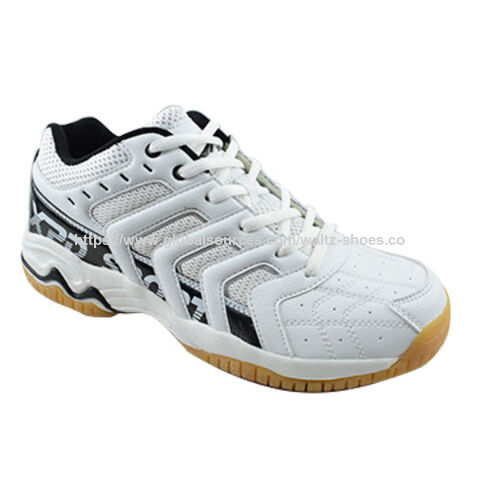
New Men And Women Outdoor High Quality Elastic Sole Sport Training Shoes outdoor shoes volleyball shoes
4. Shenzhen Xingshentai Screw Hardware Co., Ltd
This established Chinese shoe manufacturing facility specializes in comprehensive footwear production, offering both OEM orders and ODM original designs. The factory features professional workshops equipped with advanced production equipment, supported by a complete quality control team and skilled front-line staff to ensure consistent manufacturing standards.
ISO 9001 Certified Quality Assurance
The company maintains ISO 9001 international certification, demonstrating commitment to quality management systems and operational excellence. This certification provides B2B buyers with confidence in manufacturing processes and product reliability across all production lines.
Multi-Location Manufacturing Network
With strategic branches established in Yancheng (Jiangsu), Huizhou, Dongguan, and other key manufacturing locations, the company offers flexible production capacity and efficient supply chain management. This multi-location approach ensures reliable delivery and scalable manufacturing solutions for wholesale buyers.
Comprehensive B2B Support Services
The professional sales team provides dedicated pre-sales consultation and after-sales support, ensuring smooth collaboration throughout the procurement process. Services include technical specifications guidance, sample development, and ongoing customer relationship management.
Long-Term Partnership Focus
The company emphasizes building mutually beneficial relationships with customers and suppliers, prioritizing long-term partnerships over short-term transactions. This approach includes market needs analysis, continuous product development, and commitment to delivering high-quality footwear solutions that meet evolving B2B requirements.
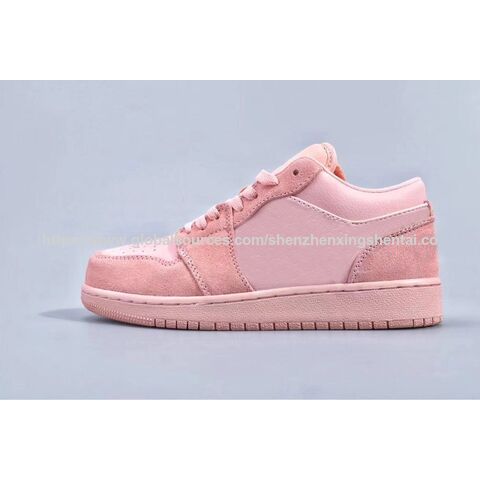
Breathable Men Basketball Shoes Low Top Men's Basketball Shoes Sneakers Anti-skid High-top Couple
Conclusion
The basketball shoes market in 2025 presents substantial opportunities for B2B buyers who understand market dynamics, stay informed about technological innovations, and establish relationships with reliable suppliers. With the market projected to reach $10.2 billion by 2030, growing at a healthy CAGR of 4.2-5.1%, the sector offers stable growth prospects across multiple segments and regions.
Several key takeaways should guide sourcing strategies. First, the market is diversifying beyond traditional performance categories, with lifestyle positioning and sustainability becoming increasingly important differentiators. Buyers who can offer products addressing these trends while maintaining competitive pricing will be well-positioned for success.
Second, regional dynamics vary significantly. While North America remains the largest market, the exceptional growth rates in Asia-Pacific—particularly China and Southeast Asian nations—suggest that buyers serving or planning to enter these markets should prioritize understanding local preferences and competitive landscapes. Similarly, emerging markets in Latin America and Africa, though currently smaller, offer first-mover advantages for distributors willing to invest in market development.
Third, the concentration of market share among major brands creates both challenges and opportunities. Established brands offer strong consumer recognition and reliable sell-through but come with higher costs and stricter terms. Emerging brands and quality manufacturers producing unbranded or white-label products provide alternatives that can deliver attractive margins, though they require more investment in marketing and brand building.
Technology continues advancing rapidly, but buyers should maintain perspective on which innovations deliver genuine value versus those primarily serving marketing purposes. Advanced cushioning systems, lightweight materials, and durability enhancements that extend product life represent meaningful value propositions. Conversely, some technological claims lack substantive performance benefits and may not justify premium pricing.
For buyers navigating this complex landscape, partnering with established B2B platforms like GlobalSources.com provides significant advantages. The combination of verified suppliers, quality assurance support, trade protection mechanisms, and market intelligence reduces risk while improving efficiency. As the basketball shoes market continues evolving, success will increasingly depend not just on securing competitive pricing but on building resilient supply chains, understanding consumer trends, and maintaining flexibility to adapt to changing market conditions.
The basketball shoes market's fundamental strength—driven by sports participation growth, lifestyle adoption, and continuous innovation—creates a solid foundation for B2B opportunities. Buyers who approach this market strategically, with clear understanding of their target segments and strong supplier partnerships, can build profitable, sustainable businesses serving the diverse needs of basketball players and enthusiasts worldwide.

