




Table of Contents
The Development of the Chinese Camera Industry in the B2B Market
Top 10 Chinese Camera Brands List
Global Sources: Powering the Evolution of China's Camera Industry
Chinese camera brands are increasingly making their presence felt in commercial photography, advertising production, and the media industry. From Beijing to New York, London to Tokyo, more and more businesses are incorporating Chinese technology into their visual solutions. This trend is driven not only by competitive pricing but also by notable advancements in technological innovation and user experience that these brands offer.
While established brands from other countries continue to dominate certain high-end segments, Chinese brands are particularly recognized for their impact in specific areas such as drones, action cameras, and smartphone imaging technology.
The Development of the Chinese Camera Industry in the B2B Market
The pace of advancement in Chinese camera technology has been impressive. In recent years, Chinese brands have made notable progress in core areas such as sensor technology, image processing algorithms, and optical design. This rapid development has helped narrow the gap with traditional Western and Japanese brands and, in some niche areas, Chinese brands have become highly competitive.
Image Quality Leap:
Chinese brands like DJI and Huawei have significantly improved their product image quality through collaborations with optical giants like Leica. For instance, Huawei's P series smartphones have repeatedly topped DXOMARK rankings, demonstrating the capability of Chinese brands in high-end image capture.
Deep Understanding of Professional Needs:
Chinese camera brands have shown a keen understanding of professional photography requirements. They develop specialized product lines tailored to different industries. For example:
- Product Photography: Yinyan has developed high color rendering LED lights optimized for e-commerce product shooting, greatly improving color accuracy and work efficiency.
- Architectural Photography: DJI's Inspire 2 drone series, equipped with professional-grade Hasselblad cameras, offers architects unprecedented perspectives and image quality.
- News Media: Xiaomi's wearable camera technology provides frontline journalists with lightweight, highly mobile reporting tools, greatly enhancing coverage of breaking news.
Selection Criteria
Our Top 10 list is the result of careful selection based on strict criteria. We considered factors such as:
Resolution and clarity
- Color reproduction and accuracy
- Dynamic range and low-light performance
- Objective scores from professional testing institutions (e.g., DXOMARK)
Image Quality:
- Material quality and craftsmanship
- Dust and water resistance
- Long-term reliability test results
- User feedback and repair rate data
Equipment Durability:
- Balance between features and price
- Price comparison with similar competitive products
- Long-term usage costs (including maintenance and upgrades)
Value for Money:
- Global service network coverage
- Response time and problem-solving efficiency
- Warranty policy generosity
- Customer satisfaction survey results
After-sales Service Quality:
- Feedback from professional photographers and image producers
- Application in international photography competitions and film festivals
- Industry awards and certifications
Industry Recognition:
- Enterprise-level management features (e.g., device management systems, remote control)
- Integration capability with existing enterprise workflows
- Ability to provide customized solutions
- Scalability for large-scale deployment
Top 10 Chinese Camera Brands List
1. DJI (大疆创新)
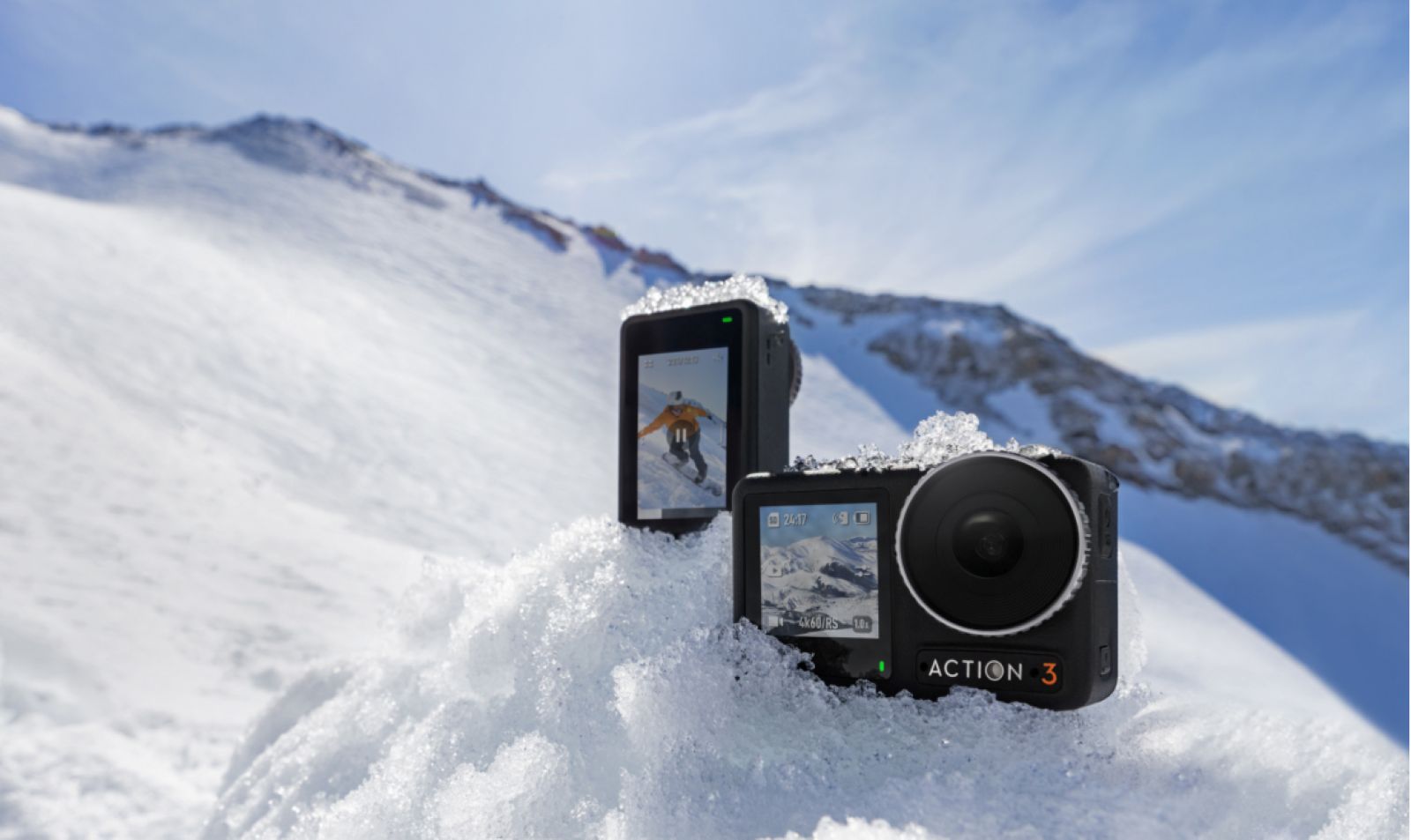
DJI stands as the most internationally recognized Chinese camera brand, though primarily known for drones. Their camera division has expanded significantly with products including:
- Osmo Action series (competing with GoPro)
- Osmo Pocket series (compact stabilized cameras)
- Ronin camera systems
- Professional cinema cameras
Key Strengths:
- Market leader in stabilization technology
- Advanced image processing capabilities
- Strong R&D investment
- Global distribution network
2. HIKVISION (海康威视)
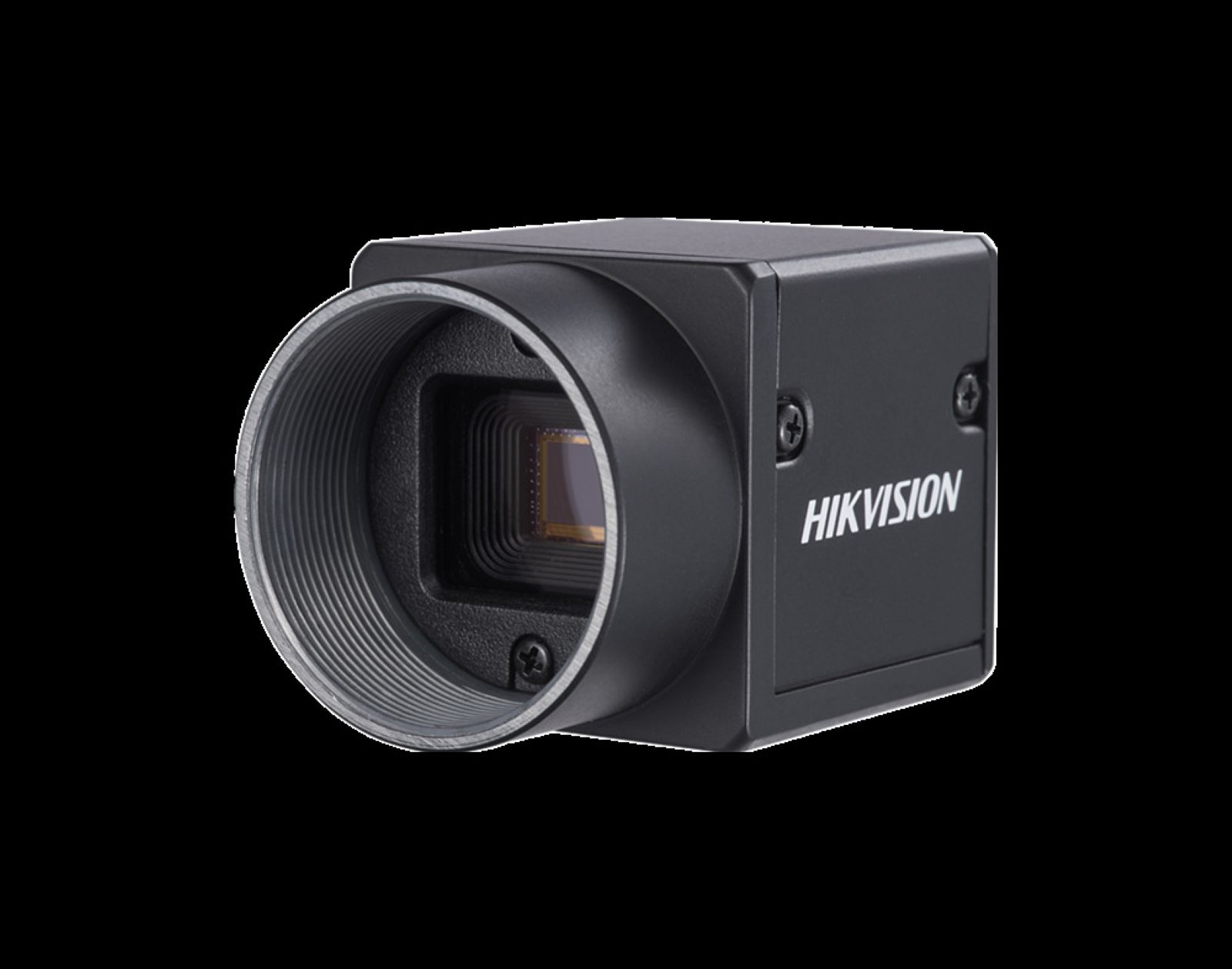
As the world's largest video surveillance equipment manufacturer, Hikvision offers:
- Comprehensive security camera systems
- Professional surveillance solutions
- Thermal imaging cameras
- AI-powered camera systems
Market Position:
- Global market leader in security cameras
- Strong presence in over 150 countries
- Advanced AI integration capabilities
- Extensive R&D facilities
3. Dahua Technology (大华技术)
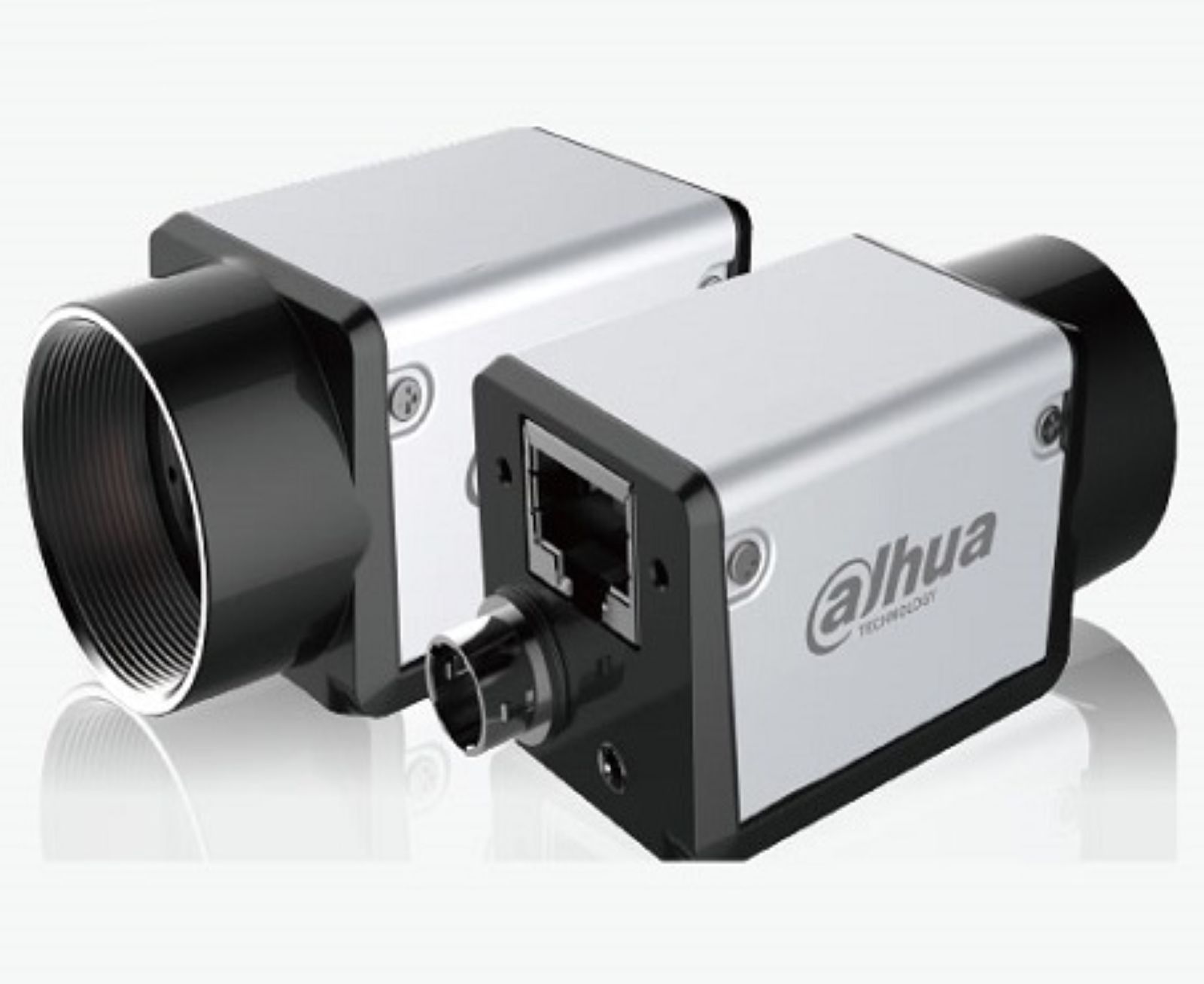
Another major player in the surveillance and security camera sector, Dahua provides:
- Professional security cameras
- Smart city solutions
- Thermal imaging systems
- Video management software
Technological Capabilities:
- Advanced video analytics
- IoT integration
- Cloud-based solutions
- High-resolution imaging systems
4. YONGNUO (永诺)
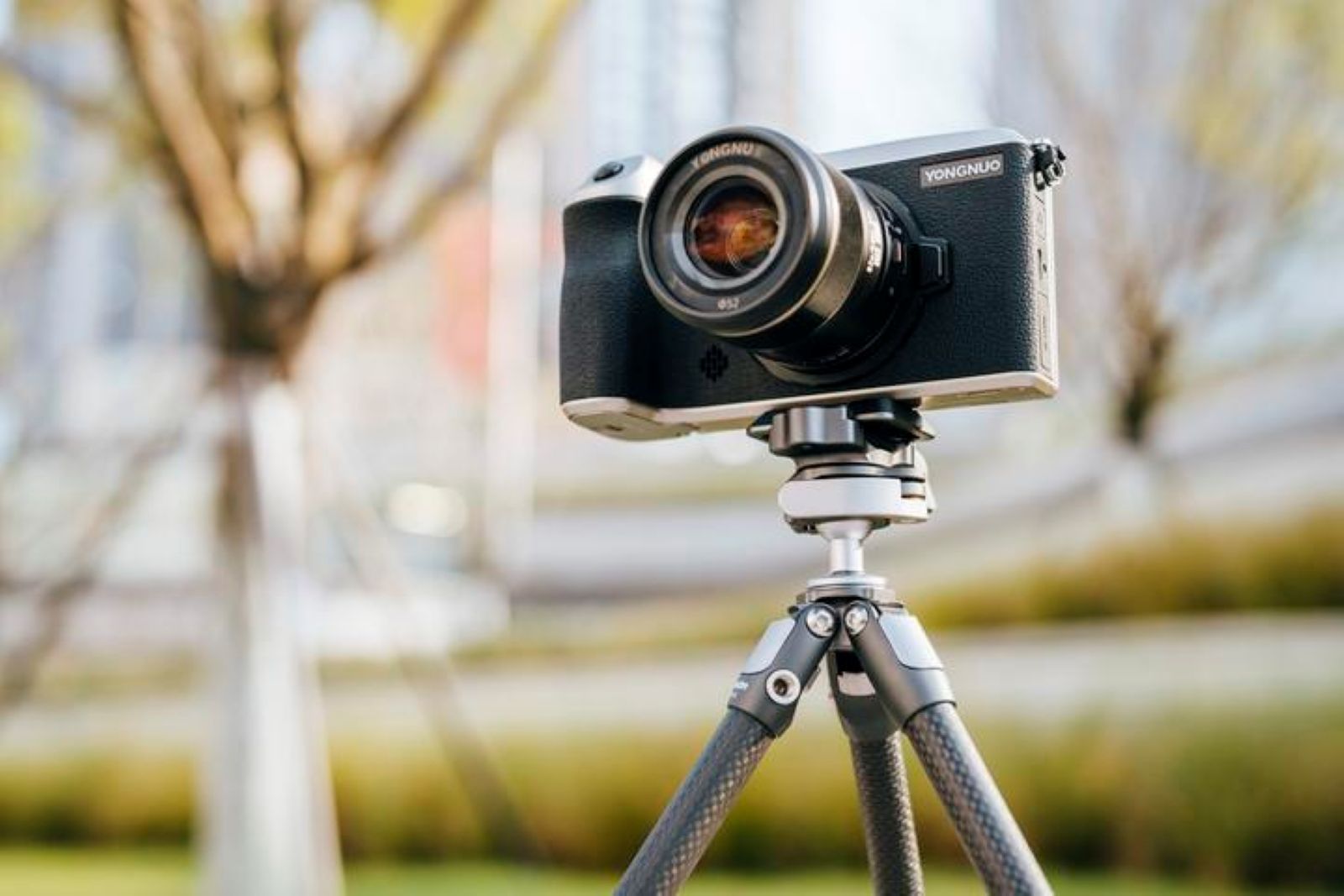
Known for affordable and high-quality photography accessories, including:
- Camera flashes
- LED lighting equipment
- Camera lenses
- Photography accessories
Market Focus:
- Photography accessories
- Third-party lens manufacturing
- Professional lighting solutions
- Budget-friendly alternatives to major brands
5. SJCAM
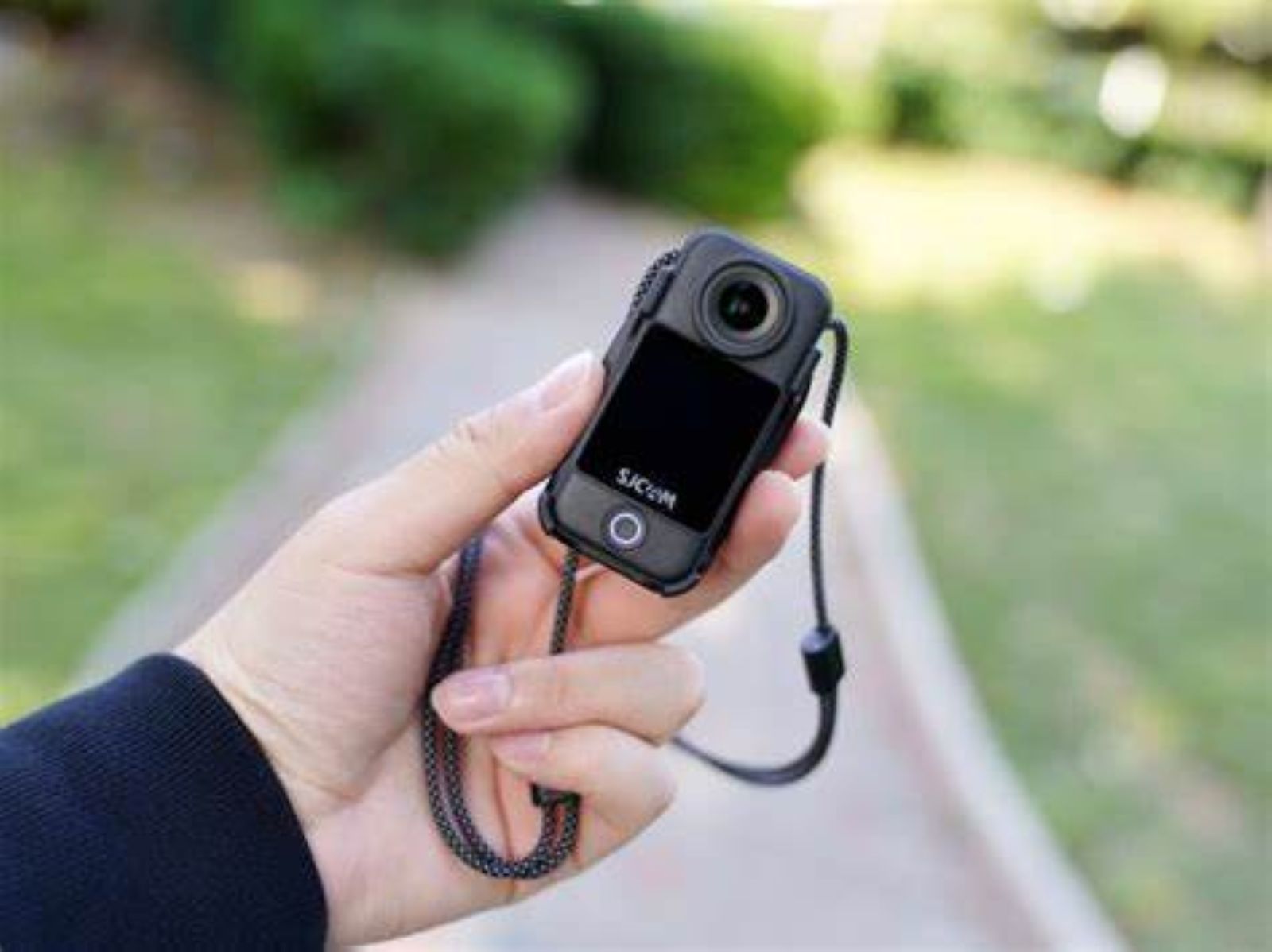
Specializing in action cameras, SJCAM offers:
- Sports cameras
- Action cameras
- Dash cameras
- Waterproof cameras
Competitive Advantages:
- Affordable pricing
- Robust build quality
- Wide range of accessories
- Strong online presence
6. INSTA360
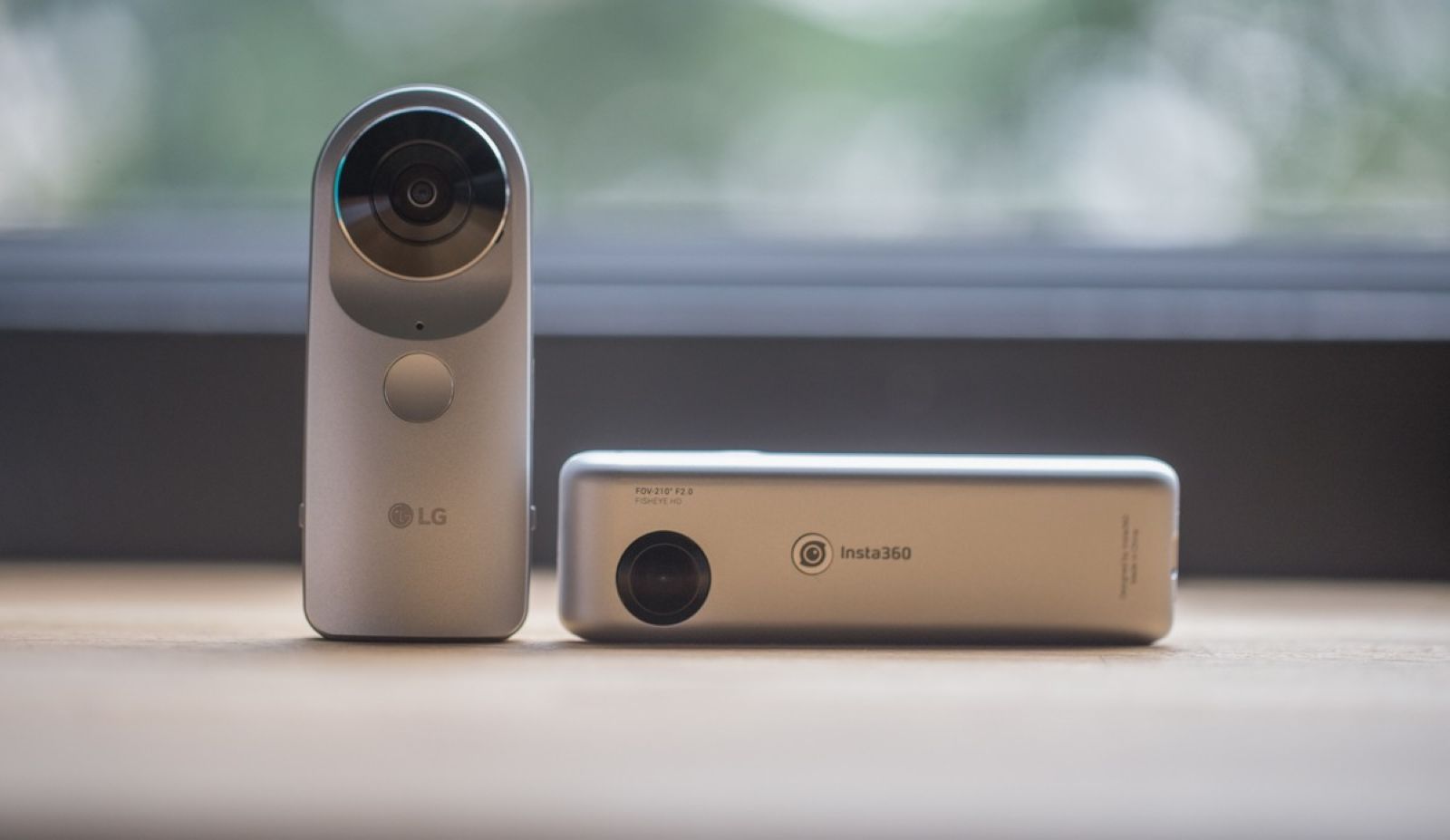
An innovation leader in 360-degree cameras, Insta360 produces:
- Consumer 360° cameras
- Professional VR cameras
- Action cameras
- Enterprise solutions
Notable Achievements:
- Pioneer in 360° imaging
- Strong international presence
- Regular product innovation
- High-quality mobile integration
7. Feiyutech (飞宇科技)
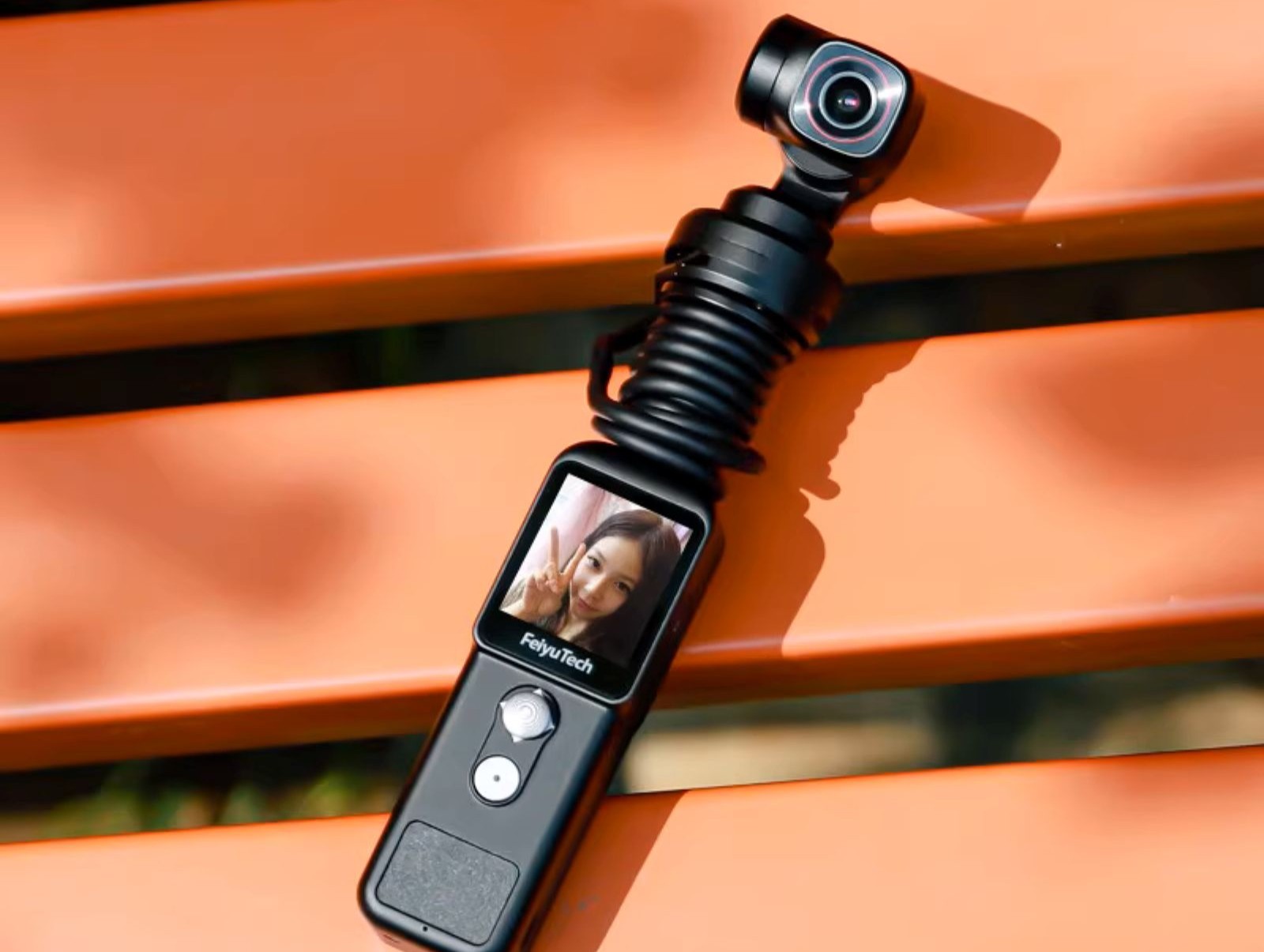
Focused on camera stabilization solutions, Feiyutech offers:
- Camera gimbals
- Stabilization systems
- Action cameras
- Photography accessories
Technical Expertise:
- Advanced stabilization technology
- Professional-grade equipment
- Mobile photography solutions
- Innovative product design
8. Zhiyun Tech (智云科技)
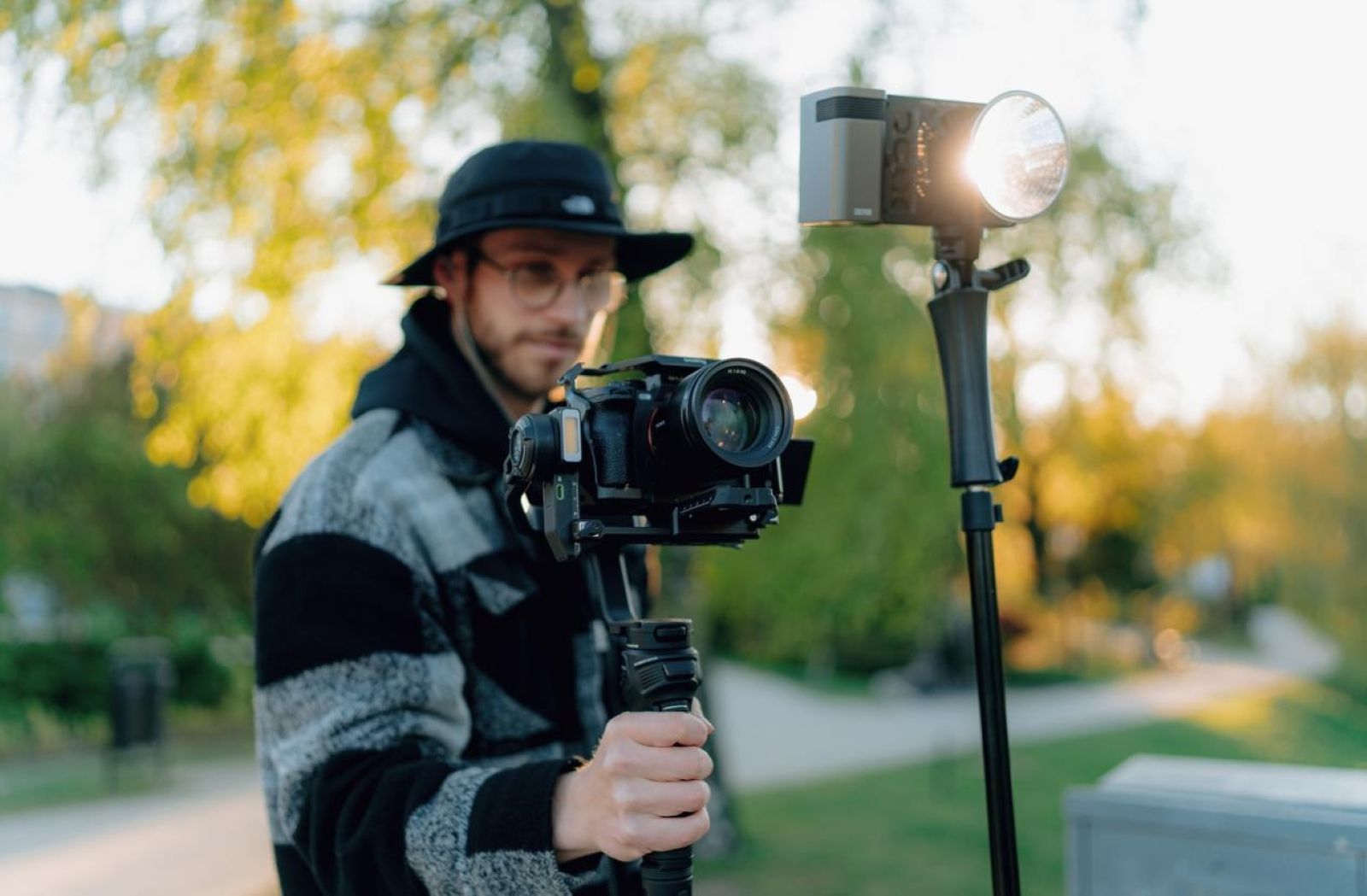
Specializes in professional-grade solutions, including:
- Camera stabilizers
- Professional gimbals
- Smartphone gimbals
- Photography accessories
Market Recognition:
- Award-winning designs
- Professional-grade products
- International distribution
- Strong customer support
9. Z CAM
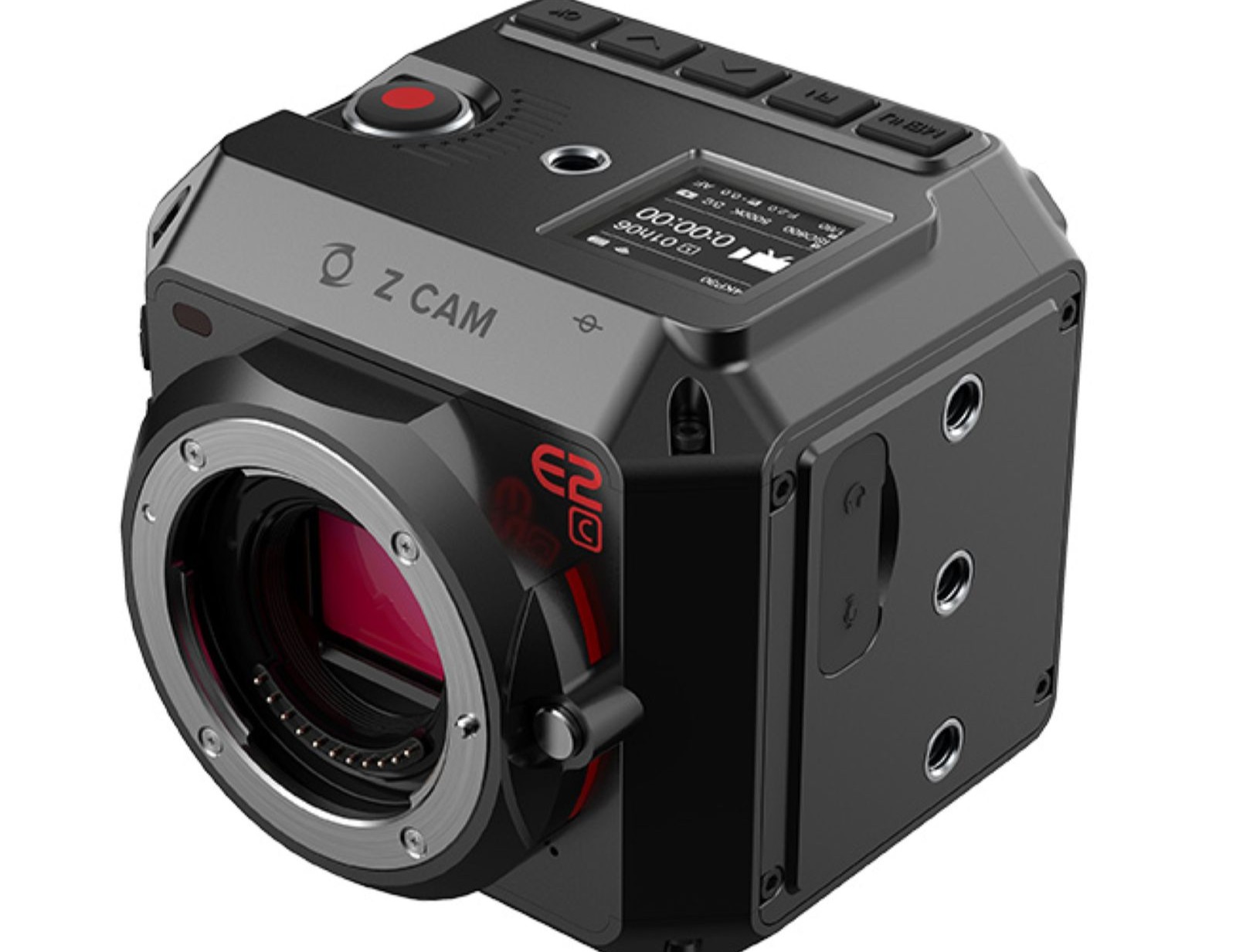
A professional cinema camera and VR camera manufacturer, Z CAM's product line includes:
- Professional cinema cameras
- VR camera systems
- Broadcast solutions
- High-end digital cameras
Industry Position:
- High-end market focus
- Professional video solutions
- Innovative camera design
- Growing international presence
10. KanDao Technology (看到科技)
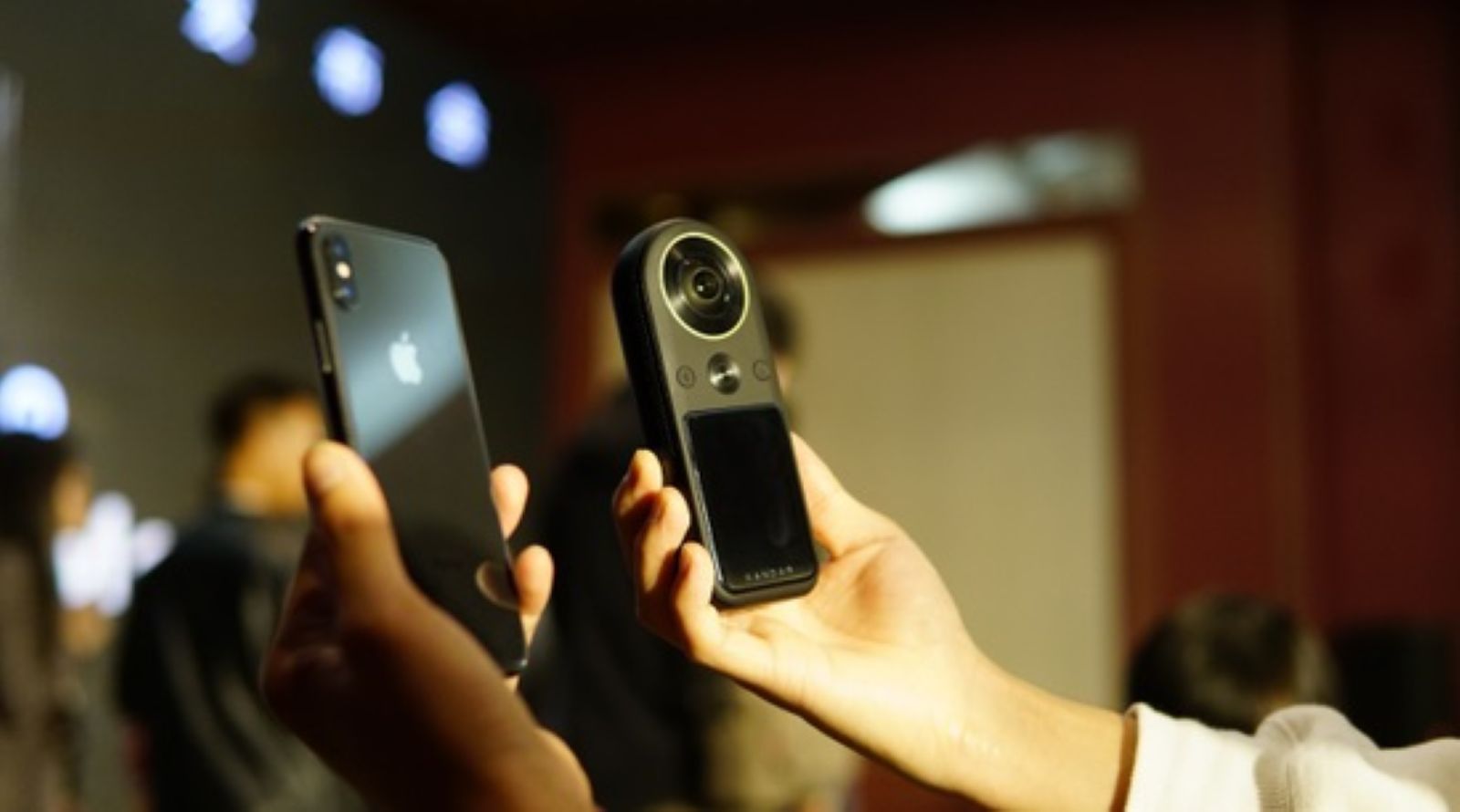
Specializing in immersive imaging, KanDao's lineup includes:
- 360° cameras
- VR solutions
- Conference cameras
- 3D imaging systems
Technical Innovation:
- Advanced VR technology
- AI-powered imaging
- Professional conferencing solutions
- High-quality 3D capture
Global Sources: Powering the Evolution of China's Camera Industry
Global Sources has established itself as a cornerstone in the development and global expansion of Chinese camera manufacturers. As a leading B2B platform, it serves as a vital bridge connecting innovative Chinese camera manufacturers with international buyers seeking quality imaging solutions. The platform's specialized vertical marketplace for cameras and imaging equipment has become an indispensable resource in the industry's global supply chain.
The platform's influence extends far beyond simple product listings. Global Sources provides comprehensive market intelligence and industry insights that help buyers make informed decisions in the rapidly evolving camera technology landscape. Through its rigorous supplier verification system, the platform ensures that international buyers can confidently source from Chinese manufacturers who meet strict quality and reliability standards.
In the camera manufacturing sector, Global Sources showcases a diverse range of products from digital cameras and professional imaging equipment to specialized industrial solutions. The platform's expertise particularly shines in facilitating OEM/ODM partnerships, where Chinese manufacturers demonstrate their capability to produce customized camera solutions that meet specific market demands. These partnerships have been instrumental in helping Chinese brands establish their presence in various market segments, from consumer electronics to professional photography equipment.
The platform's trade shows have become premier events in the imaging industry calendar, offering unique opportunities for face-to-face interactions between manufacturers and buyers. These events serve as launching pads for new technologies and innovations, while also facilitating direct business negotiations and relationship building. Through these exhibitions, Chinese camera manufacturers have successfully showcased their technological advancement and manufacturing capabilities to a global audience.
Global Sources' commitment to quality assurance is evident in its comprehensive supplier evaluation system. The platform provides detailed factory audit reports, verified supplier credentials, and sample order management services, ensuring that buyers can make procurement decisions with confidence. This systematic approach to quality control has played a crucial role in elevating the reputation of Chinese camera manufacturers in the international market.
Challenges and Future Outlook
While Chinese camera brands have made significant strides, they still face challenges:
- Brand perception: Some consumers continue to associate Chinese brands with lower quality, despite recent advancements in product performance and innovation.
- Intellectual property concerns: Disputes over patent infringements have occurred, affecting trust and market dynamics.
- Geopolitical tensions: Trade restrictions and tariffs, influenced by geopolitical factors, can impact global market access for these brands.
However, the future looks promising:
- Continued innovation: Chinese brands are likely to maintain their strong focus on R&D and technological advancements, ensuring ongoing improvements in their offerings.
- Expansion into new markets: Many brands are seeking to increase their presence in professional and specialized photography sectors, broadening their market influence.
- Integration of AI and 5G: These technologies are expected to open new possibilities in camera capabilities and connectivity, opening new possibilities for camera functionalities and applications.
Conclusion
The rise of Chinese camera brands represents a significant shift in the global photography market. By offering innovative features, competitive pricing, and a wide range of products, these brands are not just capturing market share but are actively shaping the future of photography. As they continue to evolve and expand their offerings, photographers around the world are benefiting from increased choice, advanced technology, and more accessible pricing. The photography market of tomorrow is being written today, with Chinese brands playing a leading role in this exciting new chapter.
FAQ
1. What quality control processes are typically implemented in Chinese camera manufacturing?
Professional Chinese camera manufacturers implement multiple quality control stages throughout the production process. This includes incoming material inspection (IQC), in-process quality control (IPQC), and final quality control (FQC). Each camera typically undergoes various tests including image quality assessment, durability testing, environmental testing, and functionality verification. Many manufacturers also implement automated optical inspection (AOI) systems and maintain detailed quality control documentation for each production batch.
2. How do Chinese manufacturers ensure consistent image quality across production batches?
Manufacturers maintain image quality consistency through standardized processes and advanced testing equipment. Each camera undergoes calibration and testing in controlled environments, including color accuracy verification, resolution testing, and sensor performance evaluation. Quality control teams use standardized test charts and professional imaging equipment to measure key parameters such as MTF (Modulation Transfer Function), color reproduction, and low-light performance. Regular calibration of testing equipment and strict adherence to quality control protocols ensure consistency across production runs.
3. What after-sales support can buyers expect from Chinese camera manufacturers?
Professional manufacturers typically offer comprehensive after-sales support including technical documentation, firmware updates, and warranty service. Support packages often include remote technical assistance, repair services, and replacement part availability. For significant orders, manufacturers may provide dedicated technical support teams and customize support packages based on specific requirements. Some manufacturers also offer training programs for maintenance and operation of their camera systems.
4. How do manufacturers handle warranty claims and product repairs?
Warranty handling typically follows a structured process. Manufacturers maintain service centers or partner with local repair facilities in major markets. The standard warranty period usually ranges from 12 to 24 months, covering manufacturing defects and component failures. For B2B clients, manufacturers often provide advance replacement programs and expedited repair services. Documentation requirements usually include proof of purchase, detailed fault description, and product serial numbers. Some manufacturers also offer extended warranty options for bulk purchases.

